


What Roofing Companies Offer Commercial Services
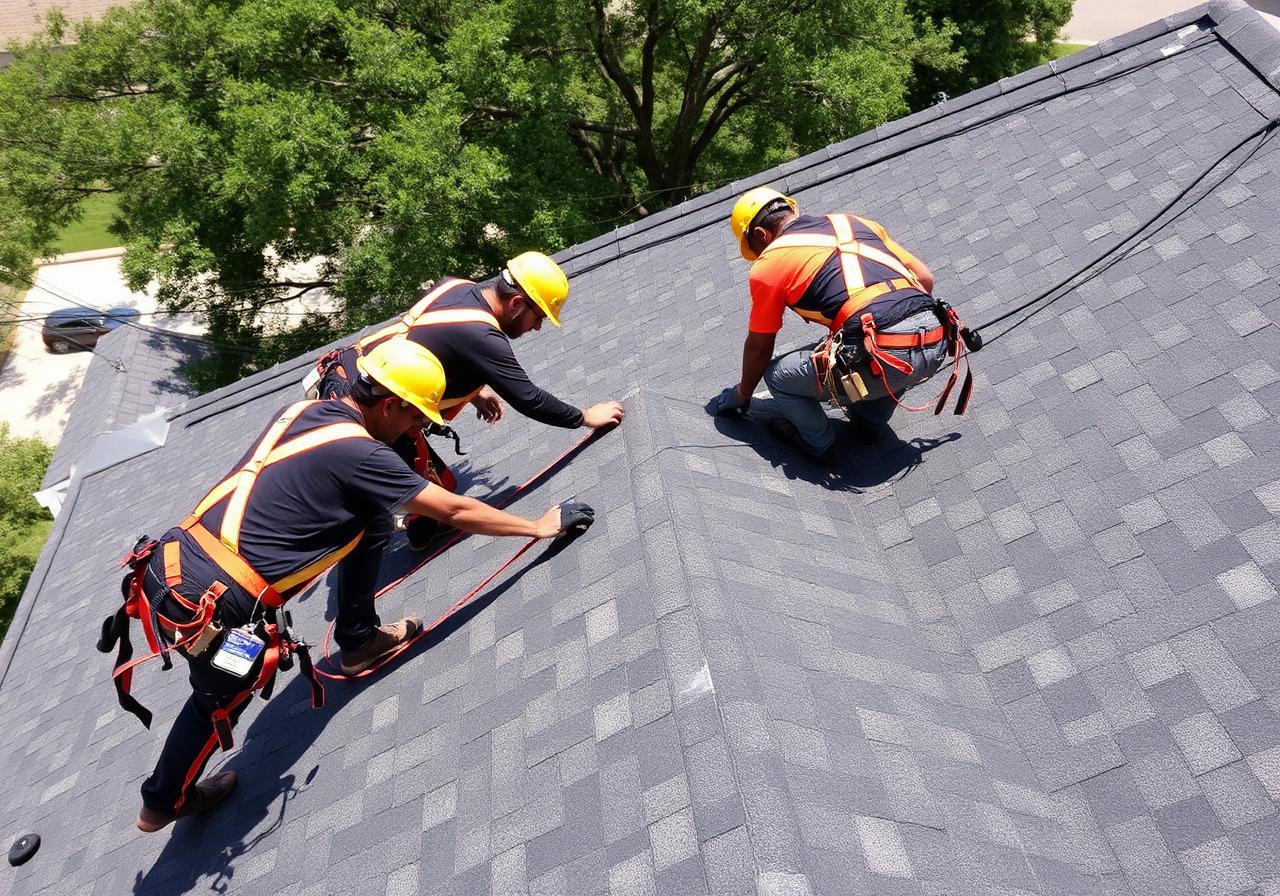

Commercial roofing companies offer installation, repair, replacement, maintenance, coatings, and waterproofing services for flat and low-slope roofs on business properties including warehouses, office buildings, retail centers, medical facilities, and industrial plants. These companies specialize in roofing systems designed for larger structures that face heavier foot traffic, more equipment loads, and stricter building code requirements than residential homes. The U.S. roofing contractors market reached $92.5 billion in 2026, according to IBISWorld, with roughly 80% of that demand driven by re-roofing and renovation work on existing buildings, per SchedulingKit industry data. This guide explains what commercial roofing services include, the types of roofing systems available, how to choose the right contractor, and what to expect from the process.
Key Takeaways
- Commercial roofing companies handle installation, repair, replacement, maintenance, protective coatings, and waterproofing for business properties of all sizes.
- The most common commercial roofing systems are TPO (thermoplastic polyolefin), standing seam metal, built-up roofing (BUR), modified bitumen, EPDM (synthetic rubber), and PVC, each with different lifespans ranging from 15 to 70 years.
- Commercial roofing differs from residential roofing in scale, materials, drainage requirements, building code compliance, and the need to coordinate work around active business operations.
- A qualified commercial roofer carries a valid roofing license, general liability insurance, workers' compensation coverage, and manufacturer certifications for the systems they install.
- Standing seam metal roofing offers the longest lifespan at 40 to 70 years, while modified bitumen offers the lowest upfront cost at $5 to $9 per square foot installed.
- Cool roof membranes and reflective coatings reduce rooftop temperatures by 50 to 75 degrees Fahrenheit compared to dark uncoated surfaces, according to industry data from Econo Roofing.
- A new commercial roof can lower insurance premiums, reduce energy costs, and increase the property's value and appeal to tenants.
What Roofing Companies Offer Commercial Services?
Roofing companies that offer commercial services are licensed contractors that specialize in designing, installing, and maintaining roofing systems for business and industrial properties. These companies work on buildings with flat or low-slope roofs, which require entirely different materials, drainage engineering, and installation methods than the pitched roofs found on most homes. The U.S. roofing market is expected to grow from $32.66 billion in 2025 to $46.67 billion by 2031 at a 6.01% compound annual growth rate, according to Mordor Intelligence, with commercial and industrial projects accounting for a significant share of that growth.
Not every roofing company handles commercial work. Residential roofers typically install asphalt shingles and tile on pitched roofs using techniques that do not transfer to flat commercial applications. A company that offers commercial roofing must carry specific licensing for larger-scale projects, maintain higher insurance coverage limits, and hold certifications from the manufacturers of commercial roofing membranes and metal systems.
The scope of commercial roofing services typically includes new roof installation for new construction, full roof replacement on existing buildings, targeted roof repair for leaks and storm damage, scheduled maintenance programs that extend roof life, protective coatings that restore and waterproof aging membranes, and emergency response for storm-related damage. Some commercial roofing companies also handle building recertification inspections, which are required by local jurisdictions for older commercial structures.
What Is a Commercial Roofer?
A commercial roofer is a licensed roofing contractor who specializes in installing, repairing, and maintaining roofing systems on commercial and industrial buildings. Commercial roofers work with flat and low-slope roofing materials like TPO membranes, standing seam metal panels, built-up roofing assemblies, and modified bitumen sheets. These materials and installation techniques differ fundamentally from the shingles and tiles used on residential pitched roofs.
The licensing requirements for commercial roofers are more demanding than for residential-only contractors. In Florida, a commercial roofer must hold a certified roofing contractor license (CCC) issued by the state Construction Industry Licensing Board, which requires passing a trade exam, demonstrating financial responsibility, and maintaining workers' compensation and general liability insurance. Many commercial projects in the High Velocity Hurricane Zone (HVHZ), covering Miami-Dade and Broward counties, also require the contractor to use products with a Miami-Dade Notice of Acceptance (NOA) and follow HVHZ-specific fastening schedules and inspection protocols.
The difference between a commercial roofer and a general roofer who occasionally takes commercial jobs is experience with the specific systems, building codes, and project management demands that commercial properties require. A warehouse roofing project involves coordinating around active operations, managing large material deliveries, phasing tear-off to maintain daily weather protection, and meeting inspection schedules that differ from residential permits.
What Is the Difference Between Commercial and Residential Roofing?
The difference between commercial and residential roofing covers roof slope, materials, drainage design, building codes, foot traffic requirements, equipment loads, and project scale. Each of these differences changes how the roof is designed, installed, and maintained over its lifespan.
Most residential roofs are pitched (sloped) at 3:12 or steeper, which allows gravity to shed water directly off the roof surface. Most commercial roofs are flat or low-slope (less than 2:12), which means the roof must rely on engineered drainage, including internal drains, scuppers, and tapered insulation, to move water off the surface. Ponding water that sits on a flat commercial roof for more than 48 hours degrades the membrane and adds structural weight that can exceed the building's load capacity over time.
Commercial roofs also carry equipment that residential roofs do not. HVAC units, exhaust fans, satellite dishes, and solar panels sit directly on the roof surface, creating penetrations that require waterproof flashing and walk pads to protect the membrane from foot traffic during service visits. The weight of this equipment, combined with the regular foot traffic from maintenance crews, means commercial roofing materials must withstand far more physical stress than residential shingles.
Building codes for commercial roofs are stricter. The Florida Building Code requires commercial roofs in the HVHZ to meet specific wind uplift ratings, use products with Miami-Dade NOA approval, and pass multiple in-progress inspections during installation. A standing seam metal roof on a commercial building must be engineered for the building's height, exposure category, and wind speed zone, with fastening patterns verified by calculation rather than simply following a generic spacing chart.
What Types of Commercial Roofing Systems Are Available?
The types of commercial roofing systems available include TPO (thermoplastic polyolefin), standing seam metal, built-up roofing (BUR), modified bitumen, EPDM (ethylene propylene diene monomer), PVC (polyvinyl chloride), and protective roof coatings. Each system serves different building types, budgets, and performance requirements.
Roofing SystemTypical LifespanCost per Sq Ft (Installed)Best ForTPO (Single-Ply)20 to 30 years$5 to $8Cost-effective flat roofs; reflects UV and reduces cooling costsStanding Seam Metal40 to 70 years$10 to $20Long-term value; hurricane zones; coastal buildingsBuilt-Up Roofing (BUR)20 to 40 years$6 to $10Heavy foot traffic areas; industrial facilitiesModified Bitumen15 to 25 years$5 to $9Budget-conscious projects; complex roof layouts with many penetrationsEPDM (Rubber)25 to 35 years$5 to $8Cold climates; large uninterrupted roof areasPVC (Single-Ply)20 to 30 years$6 to $10Chemical resistance; restaurants and food processing facilities
TPO roofing has become the fastest-growing single-ply commercial roofing system because it reflects ultraviolet rays, reduces cooling loads, and costs less to install than metal or multi-ply systems. Standing seam metal roofing delivers the longest lifespan at 40 to 70 years and performs exceptionally well in coastal and storm-prone areas, offering strong resistance to high winds and corrosion. According to Clear Seas Research, 62% of roofing contractors surveyed in 2023 expected their metal roof sales to increase in 2024, reflecting the material's growing market share in the commercial sector.
Modified bitumen and built-up roofing represent the traditional asphalt-based systems that have been protecting commercial buildings for decades. Modified bitumen works well on complex roof layouts with many penetrations because the torch-applied or self-adhered sheets can be detailed around irregular shapes. Built-up roofing creates a thick, multi-layered surface that handles heavy foot traffic and equipment loads better than thin single-ply membranes.
What Does a Commercial Roofing Company Do?
A commercial roofing company provides new roof installation, full roof replacement, targeted repair, scheduled maintenance, protective coatings, waterproofing, and inspection services for business properties. Each service addresses a different stage in the roof's lifecycle, from initial construction through end-of-life replacement.
New installation involves designing and building a complete roofing system on a new or newly constructed building. The company evaluates the building's structure, wind exposure, drainage requirements, and equipment loads to specify the correct membrane, insulation, and attachment method. Full replacement removes the existing roof system down to the deck, makes any necessary structural repairs, and installs a new system from scratch. Targeted repair addresses specific problems like leaks around penetrations, membrane punctures from foot traffic, or flashing failures at wall transitions without replacing the entire roof.
Scheduled maintenance extends the life of a commercial roof by catching small problems before they become expensive failures. A typical commercial roof maintenance program includes biannual inspections (usually before and after storm season), drain clearing, sealant renewal, flashing checks, and membrane condition reports. Protective coatings, including silicone, elastomeric, and acrylic formulations, restore reflectivity and waterproofing to aging membranes without the cost and disruption of a full tear-off. Quality silicone coatings can extend the life of an existing roof by 7 to 15 years, according to Econo Roofing.
How Long Does Commercial Roof Installation Take?
Commercial roof installation takes 2 to 4 weeks for a mid-size low-slope building, with the timeline varying based on weather, deck condition, building access, and whether the work must be phased around active business operations. Larger buildings and occupied facilities often extend the schedule because the crew works in sections to maintain daily weather protection and minimize disruption to tenants.
The process starts with moisture scanning, core sampling, and a structural assessment to determine the deck's condition. Deck repairs are completed before any new material goes down. Insulation is installed to the specified R-value using staggered joints and code-required fastener patterns. The selected membrane, whether TPO, PVC, metal, or modified bitumen, is then installed to manufacturer specifications with close attention to penetrations, curbs, and perimeter edges where leaks typically start.
How to Choose a Good Commercial Roofer
Choosing a good commercial roofer requires verifying licensing, insurance, manufacturer certifications, local experience, references from similar projects, and clear warranty terms before signing any contract.
- Verify the contractor's state roofing license through your state's licensing board. Look for a certified roofing contractor (CCC) or certified general contractor (CGC) license number.
- Confirm general liability insurance and workers' compensation coverage. Commercial projects carry higher liability exposure than residential work, and an uninsured crew on your property creates direct financial risk for the building owner.
- Ask for manufacturer certifications. Companies certified by the manufacturers of the roofing materials they install can offer manufacturer-backed warranties that cover both materials and workmanship. Uncertified installers can only offer workmanship warranties from their own company.
- Require hurricane-zone experience for properties in coastal wind zones. Contractors must understand product approval requirements, fastening schedules, and the multi-stage inspection process that applies to commercial roofs in wind-prone areas.
- Request references from at least three completed commercial projects of similar scope and building type. Ask those references about communication quality, schedule adherence, site cleanliness, and whether the roof has performed as promised.
- Review the warranty terms in detail. A comprehensive commercial roof warranty should cover materials for 15 to 30 years and workmanship for at least 5 to 10 years. Understand what maintenance requirements the warranty mandates and what actions void coverage.
We hold a certified roofing contractor license (CCC1333787) and a general contractor license (CGC1513274), carry over $2 million in insurance coverage, and install commercial-grade metal roofing from Englert and Worthouse alongside TPO and other membrane systems. Every commercial project follows the manufacturer's certified installation details and meets HVHZ requirements where applicable.
What Are the Signs You Need a New Commercial Roof?
The signs you need a new commercial roof include recurring leaks that return after repair, ponding water that sits for more than 48 hours, widespread membrane cracking or blistering, rising energy costs from lost insulation value, and repair frequency that exceeds the cost threshold where replacement becomes more economical.
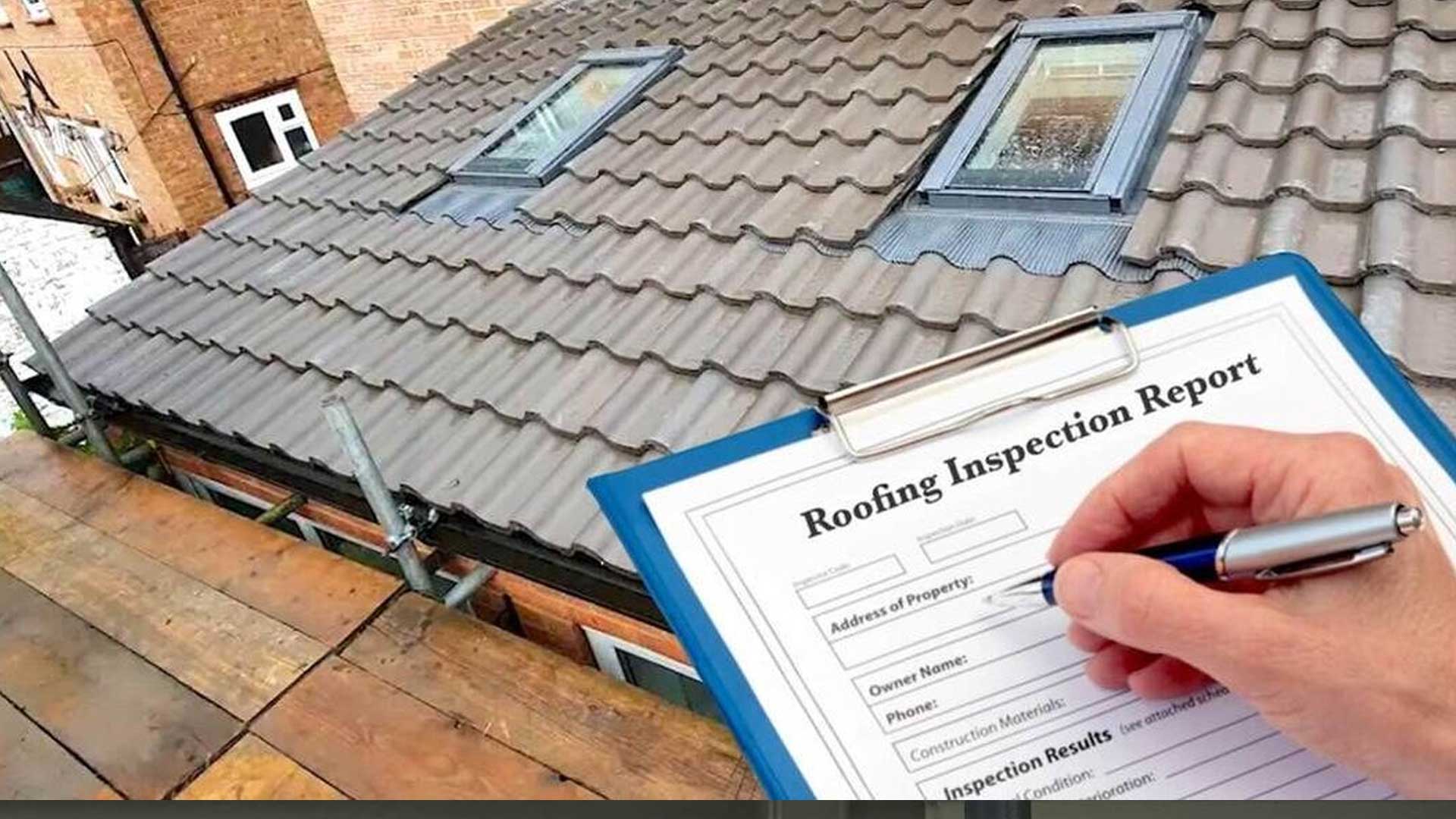
Thermal imaging can reveal wet insulation beneath the membrane surface, a condition invisible to the naked eye that compromises the roof's thermal performance and can corrode the metal deck underneath. A commercial roof audit that includes moisture scanning, core sampling, and a detailed condition report gives the building owner objective data to support the repair-or-replace decision rather than guessing based on appearance alone.
When Should You Repair vs Replace a Commercial Roof?
You should repair a commercial roof when damage is localized, the membrane is less than 75% through its expected lifespan, moisture intrusion is limited, and the underlying deck is structurally sound. You should replace the roof when damage is widespread, wet insulation covers more than 25% of the roof area, repair costs over the next five years would approach the cost of replacement, or the existing system cannot meet current building code requirements.
A recover (installing a new membrane over the existing one) can be a viable middle option when the deck is sound, only one layer of roofing exists, and the existing membrane is not trapping moisture. Recovery costs less than full replacement because it skips the tear-off and disposal. However, it adds weight to the structure and may not be permitted in all jurisdictions.
Should a 20 Year Old Roof Be Replaced?
A 20 year old roof should be replaced if it has reached or exceeded the expected lifespan of its material type and shows signs of widespread deterioration. A 20-year-old modified bitumen roof (15 to 25 year lifespan) is likely near the end of its service life and may need replacement. A 20-year-old standing seam metal roof (40 to 70 year lifespan) is only at the midpoint of its expected life and likely needs maintenance rather than replacement. Insurance carriers have been shortening acceptable roof ages to 15 to 20 years for coverage purposes, according to Mordor Intelligence, which means a 20-year-old roof may trigger higher premiums or reduced coverage regardless of its physical condition.
How Much Does a Commercial Roof Cost?
A commercial roof costs $5 to $20 per square foot installed, depending on the roofing system, building size, deck condition, and local labor rates. Modified bitumen and TPO systems fall at the lower end of that range at $5 to $9 per square foot. Standing seam metal roofing occupies the upper range at $10 to $20 per square foot, reflecting its longer lifespan and superior wind resistance.
The total project cost depends on the roof area multiplied by the per-square-foot rate, plus any additional work like deck repairs, insulation upgrades, drainage modifications, and permits. A 10,000-square-foot warehouse roof with a TPO system might cost $60,000 to $90,000 installed. The same building with a standing seam metal roof might cost $120,000 to $200,000. The metal option costs more upfront but lasts two to three times longer, which can produce a lower total cost of ownership over the building's life.
What Is the Most Expensive Part of Replacing a Roof?
The most expensive part of replacing a commercial roof is the combination of labor and roofing materials (membrane and insulation), which together account for 60% to 75% of the total project cost. The membrane itself is a significant material expense, but the labor required to remove the old system, repair the deck, install new insulation, and apply the new membrane consumes the largest share of the budget. Permits, inspections, crane rental, and waste disposal add the remaining costs.
How Do Most People Pay for a Roof Replacement?
Most commercial property owners pay for a roof replacement through cash reserves, commercial loans, insurance claims for storm damage, or PACE (Property Assessed Clean Energy) financing. Insurance claims cover the cost when the roof is damaged by a covered event like a hurricane, but the building owner typically pays the deductible. We offer financing options through PACE programs and traditional lenders to help business owners spread the cost over time while the new roof immediately begins reducing maintenance and energy expenses.
Does a New Roof Make Your Insurance Cheaper?
Yes, a new roof can make your insurance cheaper. Many insurance carriers offer premium discounts for buildings with new, code-compliant roofing systems, especially in hurricane-prone regions where roof condition directly affects wind damage risk. The discount varies by carrier, roof material, and location, but property owners who upgrade from an aging roof to a new wind-rated system often see meaningful reductions in their annual premiums.
Insurance carriers have been tightening roof age requirements, shortening the acceptable age to 15 to 20 years before triggering higher premiums or reduced coverage, according to Mordor Intelligence. A building with a properly permitted and inspected new roof removes one of the largest risk factors that underwriters evaluate, which translates directly into lower rates.
How Much Value Does a New Roof Add?
A new commercial roof adds value by extending the building's usable life, lowering operating costs, reducing vacancy risk, and making the property more attractive to tenants and buyers. For commercial properties, the value increase is measured less in percentage terms and more in reduced capital expenditure risk for the next owner or tenant. A building with a 5-year-old TPO roof requires no immediate roofing capital; a building with a 22-year-old modified bitumen roof carries an imminent replacement liability that reduces its market value by the estimated cost of that replacement.
What Is a Cool Roof and How Does It Save Energy?
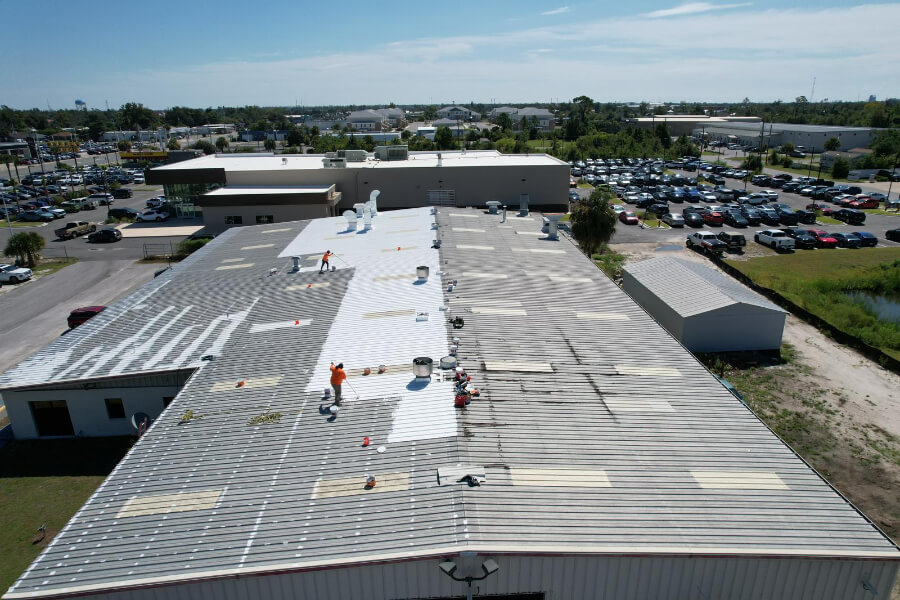
A cool roof is a roofing system that uses reflective membranes, coatings, or high-albedo materials to reflect sunlight and reduce heat absorption into the building. Cool roof surfaces reduce rooftop temperatures by 50 to 75 degrees Fahrenheit compared to dark, uncoated surfaces, according to Econo Roofing. That temperature reduction translates directly into lower cooling loads, reduced HVAC strain, and lower monthly electricity bills for the building below.
The U.S. cool roof market is expected to grow at a 7.06% compound annual growth rate from 2025 to 2035, reaching a projected value of $9 billion by 2035, according to Fixr.com. White TPO and PVC membranes qualify as cool roof surfaces without any additional treatment. Existing roofs with dark surfaces can be converted to cool roofs with reflective silicone or acrylic coatings applied over the existing membrane. Commercial buildings in South Florida, where air conditioning runs year-round, see some of the fastest payback periods on cool roof investments because the energy savings accumulate across every month of the year.
Pairing a cool roof with solar panels compounds the energy savings. The reflective roof surface keeps the building cooler while the solar system produces electricity that offsets the remaining cooling load. Properties with both a cool roof and a commercial solar installation can reduce their total energy costs dramatically, especially in sun-rich climates.
Frequently Asked Questions
What Is the Average Lifespan of a Commercial Roof?
The average lifespan of a commercial roof ranges from 15 to 35 years for membrane systems (TPO, EPDM, modified bitumen, PVC) and 40 to 70 years for standing seam metal systems. The actual lifespan depends on the material, installation quality, maintenance frequency, climate exposure, and foot traffic. A well-maintained TPO roof in a mild climate can reach 30 years. The same membrane on a heavily trafficked roof with poor drainage may fail in 15 years.
Is Roof Replacement Tax Deductible?
Commercial roof replacement is typically tax deductible as a business expense. The IRS allows commercial property owners to deduct roofing costs through depreciation (capitalized over the building's useful life) or, in some cases, through Section 179 expensing for qualifying improvements. A roof replacement that improves the building's energy efficiency may also qualify for additional tax benefits under commercial energy provisions. Consult a tax professional for guidance specific to your situation.
What Time of Year Is Cheapest to Replace a Roof?
The cheapest time of year to replace a commercial roof is typically late fall through early spring, when demand for roofing services drops and contractors have more schedule availability. In warm climates, the dry season from November through April offers both lower pricing and more predictable weather for roof installation. Avoid scheduling major roof work during the peak of hurricane season (August through October) when emergency repairs dominate contractor schedules and material availability tightens.
What Is the Most Expensive Type of Roof?
The most expensive type of commercial roof is a standing seam metal system, which costs $10 to $20 per square foot installed. Copper and zinc metal roofs cost even more, often exceeding $25 per square foot. The higher upfront cost of metal roofing is offset by its 40-to-70-year lifespan, minimal maintenance requirements, and superior performance in high-wind environments. Over a 50-year ownership period, metal roofing often produces a lower total cost per year than cheaper materials that require replacement every 20 to 25 years.
Do Commercial Roofing Companies Offer Maintenance Plans?
Yes, most reputable commercial roofing companies offer scheduled maintenance plans that include biannual inspections, drain clearing, sealant renewal, flashing checks, and detailed condition reports. A maintenance plan extends the roof's life, preserves the manufacturer's warranty, and catches small problems before they become expensive emergencies. Many membrane manufacturers require documented maintenance as a condition of their warranty coverage.
Is It Worth Replacing a Roof Before Selling?
Replacing a commercial roof before selling is worth it when the existing roof is near the end of its lifespan and would reduce the property's sale price by more than the cost of the replacement. Buyers and their inspectors evaluate roof condition closely because a failing roof represents an immediate capital expense. A new roof with a transferable warranty removes that liability from the buyer's calculation and can shorten the time the property sits on the market.
The Bottom Line
Commercial roofing companies provide the full range of services that business properties need to stay protected, energy efficient, and compliant with building codes. The right roofing system depends on the building's structure, climate exposure, budget, and long-term ownership plan. TPO and modified bitumen deliver affordable protection for 15 to 30 years. Standing seam metal delivers premium performance for 40 to 70 years. Cool roof technologies and protective coatings add energy savings and extend the life of existing systems.
The most important decision is choosing a contractor with the licensing, insurance, manufacturer certifications, and local experience to install the system correctly the first time. A roof installed to code and maintained on schedule protects your building, your tenants, and your investment for decades. We install commercial roofing systems across Miami-Dade, Broward, Palm Beach, Lee, Collier, and Monroe counties, backed by 19 years of experience and in-house crews who handle every stage of the project.
If your commercial property needs a roof assessment, repair, or full replacement, call us at 786-933-9815 or visit ASP SuperHome to schedule a consultation.
Meet With a Project Manager
Your first conversation is with a Project Manager who takes the time to understand your goals, walk you through your options, and stays connected throughout your project — from the initial consultation through the final walkthrough.
.avif)
.avif)
.avif)
%201.avif)
Insights & Resources
Stay informed with expert tips on roofing materials, hurricane codes, repairs, and South Florida construction standards.


%201.avif)
%201%20(1).avif)
%201.svg)
%201%20(1)%20(1).png)
.png.png)
.png%20(1).png)
.png%20(2).png)
.avif)
.avif)


.png)
.svg)
.png)