


What Does a Roof Inspection Report Look Like
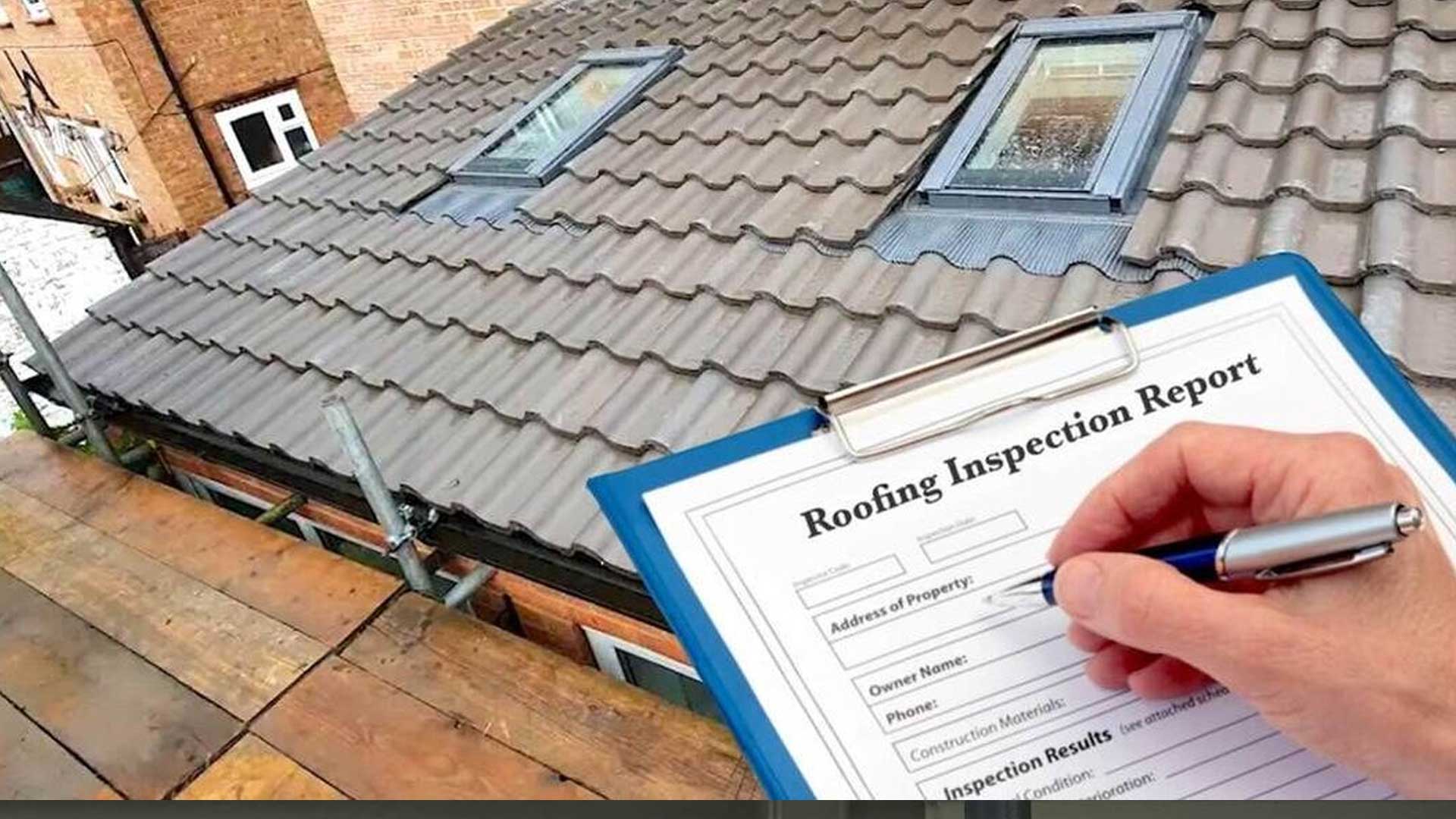

A roof inspection report is a detailed, multi-page document that covers property information, roof specifications, exterior inspection findings, interior and attic observations, photo evidence of damage, and prioritized repair recommendations rated by urgency. Modern reports are typically digital, organized into clear sections with color-coded photos and annotated images so homeowners, property managers, and insurance adjusters can quickly understand the roof's true condition. According to a Porch survey of 998 homebuyers, roof issues appear in 19.7% of all home inspection reports, making roofing the single most common problem category found during property inspections. Knowing what a roof inspection report looks like, and how to read each section, helps you make informed decisions about repairs, replacements, insurance claims, and real estate negotiations.
Key Takeaways
- A professional roof inspection report contains five core sections: property overview, exterior findings, interior/attic observations, photo documentation, and prioritized recommendations.
- Each roof component receives a condition rating, typically Good, Fair, or Poor, with written comments explaining exactly what the inspector observed.
- Photo evidence is the most important section of a modern report, with high-resolution images, drone photography, and annotated close-ups showing the exact location and severity of each issue.
- Recommendations are prioritized into tiers: immediate/urgent repairs, suggested maintenance, monitoring items, and estimated remaining lifespan.
- A professional roof inspection costs $125 to $383 on average for residential properties, according to HomeAdvisor, and the report is typically available within 1 to 2 business days.
- Roof problems are found in approximately 35% of all homes during inspections, and 25% of homes need roof repair or replacement within 10 years of purchase, according to ZipDo.
- Buyers who use inspection findings to negotiate save an average of $14,000 off the asking price, according to Porch survey data.
What Does a Roof Inspection Report Look Like?
A roof inspection report looks like a structured, multi-page document divided into clearly labeled sections that walk through every component of the roof from the exterior surface down to the attic framing. The report begins with property details and roof specifications, moves through a systematic evaluation of each exterior and interior component, includes photographs of every finding, and ends with a prioritized list of recommendations organized by urgency. Professional reports are typically delivered as a digital PDF file, often 10 to 30 pages long depending on the size and condition of the roof.
The format varies slightly between inspection companies, but the core sections remain consistent across the industry. The National Association of Certified Home Inspectors (NACHI) and the National Roofing Contractors Association (NRCA) both recommend twice-yearly professional inspections, and the reports produced from those inspections follow a standardized structure that insurance companies, real estate agents, and roofing contractors all recognize.
A well-prepared roof inspection report serves multiple purposes. It documents the roof's current condition for the homeowner's records. It provides evidence for insurance claims after storm damage. It gives buyers and sellers objective data for real estate negotiations. It creates a baseline that future inspections can compare against to track how the roof ages over time. The report is only as useful as the inspector's thoroughness, which is why choosing a licensed, experienced inspector matters as much as the report format itself.
What Sections Are Included in a Roof Inspection Report?
A roof inspection report includes five core sections: property overview and roof details, exterior inspection findings, interior and attic observations, photo evidence and damage assessment, and prioritized recommendations with an action plan. Each section builds on the previous one, moving from general identification through specific findings to actionable conclusions.
Report SectionWhat It CoversWhy It MattersProperty Overview and Roof DetailsAddress, inspection date, weather conditions, roof type, material, age, last maintenance dateEstablishes the baseline context for all findingsExterior Inspection FindingsCovering material, flashing, gutters, downspouts, eaves, soffits, fascia, skylights, chimneys, ventsIdentifies visible damage, wear, and failure points on the roof surfaceInterior and Attic ObservationsAttic ventilation, insulation condition, signs of leaks, moisture levels, structural framingReveals hidden problems invisible from the exteriorPhoto Evidence and Damage AssessmentHigh-resolution photos, drone images, annotated close-ups, color-coded damage categoriesProvides visual proof for insurance claims and repair planningPrioritized RecommendationsImmediate repairs, suggested maintenance, monitoring items, estimated remaining lifespanTells you exactly what to fix first and what can wait
The property overview section serves as the cover sheet. It records the client's name, property address, inspector's name and company, contact information, and the exact date and time of the inspection. Weather conditions during the inspection are noted because rain, high winds, or wet surfaces can affect what the inspector is able to observe safely. Roof specifications documented here include the roof type (gable, hip, flat, mansard), the covering material (asphalt shingle, metal, tile, TPO membrane), the estimated age of the roof, and the date of the last known maintenance or repair.
The exterior inspection section is the largest part of the report. The inspector evaluates every visible component of the roofing system and rates each one on a condition scale, typically Good, Fair, or Poor. Written comments accompany each rating to explain exactly what the inspector observed. A "Fair" rating on flashing, for example, might note minor separation at a wall transition that has not yet caused active leaking but will likely fail within the next two to three years without repair.
What Do Home Inspectors Look for on a Roof?
Home inspectors look for damage to the covering material, failed flashing at penetrations and transitions, clogged or damaged gutters and downspouts, deteriorating eaves and fascia, ventilation deficiencies, structural sagging, and any signs of water intrusion into the attic or interior ceiling.
The roof covering, whether asphalt shingles, tile, or metal panels, is the first thing inspectors evaluate. They check for missing, cracked, curling, or loose shingles. They look for granule loss on asphalt shingles, which exposes the underlying material to ultraviolet degradation. On tile roofs, inspectors check for cracked, shifted, or broken tiles that allow water beneath the surface. On metal roofs, they look for corrosion, loose fasteners, and separated seams.
Flashing is the metal or sealant material installed at every roof penetration, including chimneys, vents, skylights, and wall intersections. Failed flashing is one of the most common entry points for water, according to Rock Roofing NC's 2026 inspection guide. A thorough report documents the condition of every flashing detail on the roof because a single failed flashing point can cause thousands of dollars in water damage to the ceiling, walls, and insulation below.
Gutters and downspouts are evaluated for proper attachment, adequate slope, blockages, and whether they direct water away from the foundation. The drainage system protects more than just the roof; a failed gutter system causes water to pool against the foundation, which can lead to structural settling and basement flooding over time. Eaves, soffits, and fascia are inspected for rot, peeling paint, pest damage, and separation from the roof structure. These components protect the roof's edge and provide intake ventilation for the attic airflow system.
How Do You Read a Roof Inspection Report?
You read a roof inspection report by starting with the recommendations section at the end, then working backward through the findings to understand the evidence behind each recommendation. The recommendations section tells you what needs attention and how urgently. The findings sections explain why.
Most professional reports organize recommendations into priority tiers. Immediate or urgent repairs address issues that are actively causing leaks, structural hazards, or safety risks. Suggested maintenance covers items that are deteriorating and will need attention within the next one to three years, like sealant that is starting to crack or gutters with minor blockage. Monitoring items are conditions that are not yet problems but should be watched during future inspections. The estimated remaining lifespan gives you a professional assessment of how many useful years the roof has left before requiring full replacement.
Condition ratings of Good, Fair, and Poor appear throughout the exterior and interior sections. "Good" means the component is functioning as intended with no visible defects. "Fair" means the component shows wear or minor damage that does not yet affect performance but will worsen without maintenance. "Poor" means the component has failed or is actively causing problems. Every "Poor" rating in the report should connect to a specific recommendation in the action plan. A roof audit that results in multiple "Poor" ratings across critical components typically signals that replacement is more cost-effective than continued repairs.
What Will Fail a Roof Inspection?
A roof will fail an inspection when the report identifies active leaks, structural sagging, widespread shingle damage covering more than 25% of the roof surface, failed flashing at multiple penetrations, ponding water on flat sections, or deteriorated decking visible from the attic. These findings indicate that the roof is no longer performing its primary function of keeping water out of the building.
It is important to understand that roof inspections do not technically "pass" or "fail" the way a building code inspection does. A roof inspection report documents conditions and makes recommendations. However, certain findings effectively function as failures because they prevent real estate closings, trigger insurance non-renewal, or require immediate repair to prevent further damage.
According to ZipDo, approximately 35% of homes have roof problems found during inspections, and 25% of homes need some form of roof repair or replacement within 10 years of purchase. The most common findings that create problems are missing or damaged shingles, deteriorated flashing around chimneys and vents, inadequate attic ventilation (nearly 50% of inspectors report encountering ventilation issues, per ZipDo), and evidence of previous amateur repairs that do not meet current building codes.
What Are the Biggest Red Flags in a Roof Inspection?
The biggest red flags in a roof inspection are active water intrusion into the attic or interior ceilings, structural sagging visible from the ground or inside the attic, multiple layers of roofing material stacked on top of each other, widespread mold or rot on the roof decking, and evidence that previous repairs were done without permits or code compliance.
Active water intrusion is the most serious finding because it means the roof is currently failing to keep water out of the building. Water stains on attic rafters, damp insulation, and mold growth on the underside of the roof deck all indicate active or recent leaking. Structural sagging, where the ridgeline dips or roof planes show visible depressions, suggests that the underlying framing or decking has been weakened by moisture damage, overloading, or age. This finding often requires structural engineering evaluation beyond the scope of a standard roof inspection.
Multiple roofing layers are a red flag because building codes in most jurisdictions limit the number of layers allowed (typically two for asphalt shingles). Additional layers add weight that the structure may not support and can mask underlying damage to the deck. A roof repair that addresses surface damage without resolving the hidden problems beneath extra layers only delays the inevitable replacement.
When Do You Need a Roof Inspection Report?
You need a roof inspection report when you are buying or selling a home, filing an insurance claim after a storm, renewing homeowner's insurance, noticing signs of roof problems, or when the roof reaches 15 to 20 years of age. Each situation creates a specific need for documented proof of the roof's condition.
In real estate transactions, the roof inspection report gives the buyer objective evidence to negotiate repairs or price reductions. Buyers who use inspection findings to negotiate save an average of $14,000 off the asking price, according to Porch survey data. For sellers, getting a pre-listing inspection and addressing problems before the home goes on the market prevents last-minute deal delays. The National Association of Realtors reports that 20% of contracts face settlement delays and 5% are terminated entirely because of inspection-related disagreements.
After a hurricane, hailstorm, or high-wind event, a professional inspection report provides the documentation that insurance adjusters require to process a damage claim. The report's photo evidence, annotated damage maps, and repair estimates give the adjuster a clear picture of what happened and what it costs to fix. In South Florida, where hurricane season runs from June through November, we recommend scheduling a professional inspection before and after storm season each year to maintain a documented record of the roof's condition.
Insurance carriers have been tightening their roof age requirements, with many companies shortening the acceptable age to 15 to 20 years before raising premiums or declining coverage. A current inspection report that confirms the roof is in good condition can help homeowners maintain their existing coverage and avoid unexpected premium increases. Homes with a recent permitted roof replacement documented in an inspection report often qualify for lower insurance rates.
How Much Does a Roof Inspection Report Cost?
A roof inspection report costs $125 to $383 for a standard residential inspection, with the national average at $252, according to HomeAdvisor. Commercial roof inspections cost $200 to $600 or $0.05 to $0.10 per square foot, according to HomeGuide. The cost varies based on roof size, material type, accessibility, and whether the inspection includes specialized services like drone photography, thermal imaging, or moisture scanning.
Older roofs (20+ years) often cost more to inspect because they require more detailed evaluation of aging materials, hidden soft spots, and previous amateur repairs. Emergency inspections for suspected active leaks or post-storm damage cost 25% to 50% more than standard rates, according to industry data from Armour Construction. Many roofing contractors offer free inspections when the homeowner is considering repair or replacement work, with the understanding that the inspection may lead to a roofing project.
The inspection fee is small compared to the information it provides. A $252 inspection that identifies a $500 flashing repair before it becomes a $5,000 water damage problem pays for itself many times over. A pre-purchase inspection that reveals a roof needing $15,000 in replacement gives the buyer the leverage to negotiate that cost off the sale price, saving far more than the inspection fee.
How Long Does a Roof Inspection Report Take?
A professional roof inspection takes 45 minutes to 2 hours on site, depending on roof size, complexity, and the extent of any damage. The written report is typically available within 1 to 2 business days after the inspection, according to HomeGuide. Larger roofs with multiple penetrations, steep pitches, or extensive damage require more time both on site and in report preparation.
The on-site inspection involves a physical walk of the roof surface (when safely accessible), an examination of all penetrations and flashing details, a check of gutters and drainage, and an interior attic inspection. Many inspectors now use drones to photograph steep or complex roofs that are difficult to walk safely, which adds documentation quality without adding significant time. The report writing itself takes additional time because the inspector must organize photos, annotate findings, assign condition ratings, and write detailed recommendations.
Professional inspections are recommended every 3 years for shingle roofs and every 5 years for tile or metal roofs, according to HomeGuide. In areas with severe weather exposure, annual or biannual inspections are advisable. Scheduling inspections on a regular cycle creates a documented history that strengthens insurance claims and helps you budget for future repairs before emergency situations force expensive, unplanned spending.
Can You Use a Roof Inspection Report for Insurance Claims?
Yes, you can use a roof inspection report for insurance claims. A professional roof inspection report provides the documented evidence that insurance adjusters need to process a storm damage claim, including date-stamped photos, annotated damage descriptions, and a professional assessment of the cause and scope of the damage.
The photo evidence section is the most critical part of the report for insurance purposes. High-resolution images with annotations showing the exact location and type of damage, whether from wind, hail, falling debris, or water intrusion, give the adjuster clear documentation that connects the damage to a specific event. Reports that include drone photography provide overhead views of the entire roof surface, which helps the adjuster assess damage patterns that are consistent with storm events versus normal aging.
A pre-storm inspection report is equally valuable because it establishes a documented baseline of the roof's condition before the event. Comparing the pre-storm report to the post-storm report proves what damage the storm caused versus what existed before. Without a baseline, the insurance company may attribute damage to pre-existing conditions or normal wear rather than the covered event, reducing or denying the claim.
We provide detailed inspection reports for our roofing clients that document every finding with photos and clear recommendations. A thorough report protects the homeowner in insurance negotiations and helps us plan the most cost-effective path from inspection findings to a completed repair or replacement. Pairing a new roof with impact windows and other storm-rated upgrades can further reduce insurance premiums and improve the home's overall protection against severe weather.
Frequently Asked Questions
What Is Considered a Bad Inspection Report?
A bad inspection report is one that contains multiple "Poor" condition ratings on critical components, identifies active leaks or structural damage, or estimates that the roof's remaining lifespan is less than five years. In real estate transactions, a report with these findings typically triggers a renegotiation of the sale price or a request for the seller to complete repairs before closing. A bad report does not mean you should walk away from a property; it means you have the information to make an informed decision about the cost and scope of the work needed.
What Is the Difference Between a Roof Inspection and a Wind Mitigation Inspection?
A roof inspection evaluates the overall condition of the roof and identifies damage, wear, and needed repairs. A wind mitigation inspection evaluates specific construction features that affect the home's resistance to hurricane wind damage, including roof shape, roof covering attachment method, roof deck attachment, roof-to-wall connection type, and the presence of secondary water resistance barriers. In Florida, a wind mitigation inspection can qualify the homeowner for significant insurance discounts. The two inspections serve different purposes and produce different reports, though they are sometimes performed during the same visit.
How Often Should You Get a Roof Inspection?
You should get a professional roof inspection every 3 years for shingle roofs and every 5 years for tile or metal roofs, according to HomeGuide. In hurricane-prone areas, annual inspections before storm season are advisable. You should also schedule an inspection immediately after any major storm event, before listing a home for sale, and when the roof reaches 15 years of age, since this is when most materials begin showing significant wear.
What Are the Most Common Home Inspection Fails?
The most common home inspection fails by category are roofing issues (19.7% of reports), electrical problems (18.7%), window defects (18.4%), gutter issues (16.9%), and plumbing problems (13.6%), according to a Porch survey of 998 homebuyers analyzed by RapidEye Inspections. Roofing leads every other category because roof materials are constantly exposed to sun, rain, wind, and temperature changes, which accelerates deterioration faster than interior systems.
Do Home Inspectors Check Every Part of the Roof?
Professional roof inspectors check every accessible part of the roof, including the covering material across all roof planes, flashing at every penetration and transition, the gutters and downspouts, eaves, soffits, fascia, and the interior attic space. Areas that are not safely accessible due to steep pitch, fragile materials, or height limitations are noted in the report as "not inspected" with the reason documented. Drone photography has expanded the inspector's ability to document areas that were previously inaccessible without scaffolding.
Can You Get a Free Roof Inspection?
Yes, many roofing contractors offer free roof inspections for homeowners who are considering repair or replacement work. These complimentary inspections provide a professional evaluation of the roof's condition along with a repair or replacement estimate. In Florida, the My Safe Florida Home Program also provides free hurricane mitigation inspections for eligible homeowners with single-family, owner-occupied homes carrying a homestead exemption. Free inspections from contractors are typically less detailed than paid third-party inspections used for real estate transactions or insurance documentation.
The Bottom Line
A roof inspection report is a structured document that turns the invisible condition of your roof into clear, actionable information. The five core sections, property overview, exterior findings, interior observations, photo evidence, and prioritized recommendations, give you everything you need to understand what your roof needs and when it needs it. Whether you are buying a home, filing an insurance claim, or simply keeping up with preventive maintenance, a professional roof inspection report protects your investment by catching problems early and documenting them properly.
The cost of a roof inspection, averaging $252 nationally, is a fraction of what undetected roof damage costs when it progresses into water intrusion, mold growth, or structural failure. Regular inspections create a documented history that strengthens insurance claims, supports real estate negotiations, and helps you budget for future work instead of reacting to emergencies.
If your roof is due for an inspection, or if you want a professional evaluation after a storm, call us at 786-933-9815 or visit ASP SuperHome to schedule a consultation.
Meet With a Project Manager
Your first conversation is with a Project Manager who takes the time to understand your goals, walk you through your options, and stays connected throughout your project — from the initial consultation through the final walkthrough.
.avif)
.avif)
.avif)
%201.avif)
Insights & Resources
Stay informed with expert tips on roofing materials, hurricane codes, repairs, and South Florida construction standards.


%201.avif)
%201%20(1).avif)
%201.svg)
%201%20(1)%20(1).png)
.png.png)
.png%20(1).png)
.png%20(2).png)
.avif)
.avif)


.png)
.svg)
.png)