


What Are Signs Your Roof Needs to Be Replaced? 2026 Expert Guide (Updated)
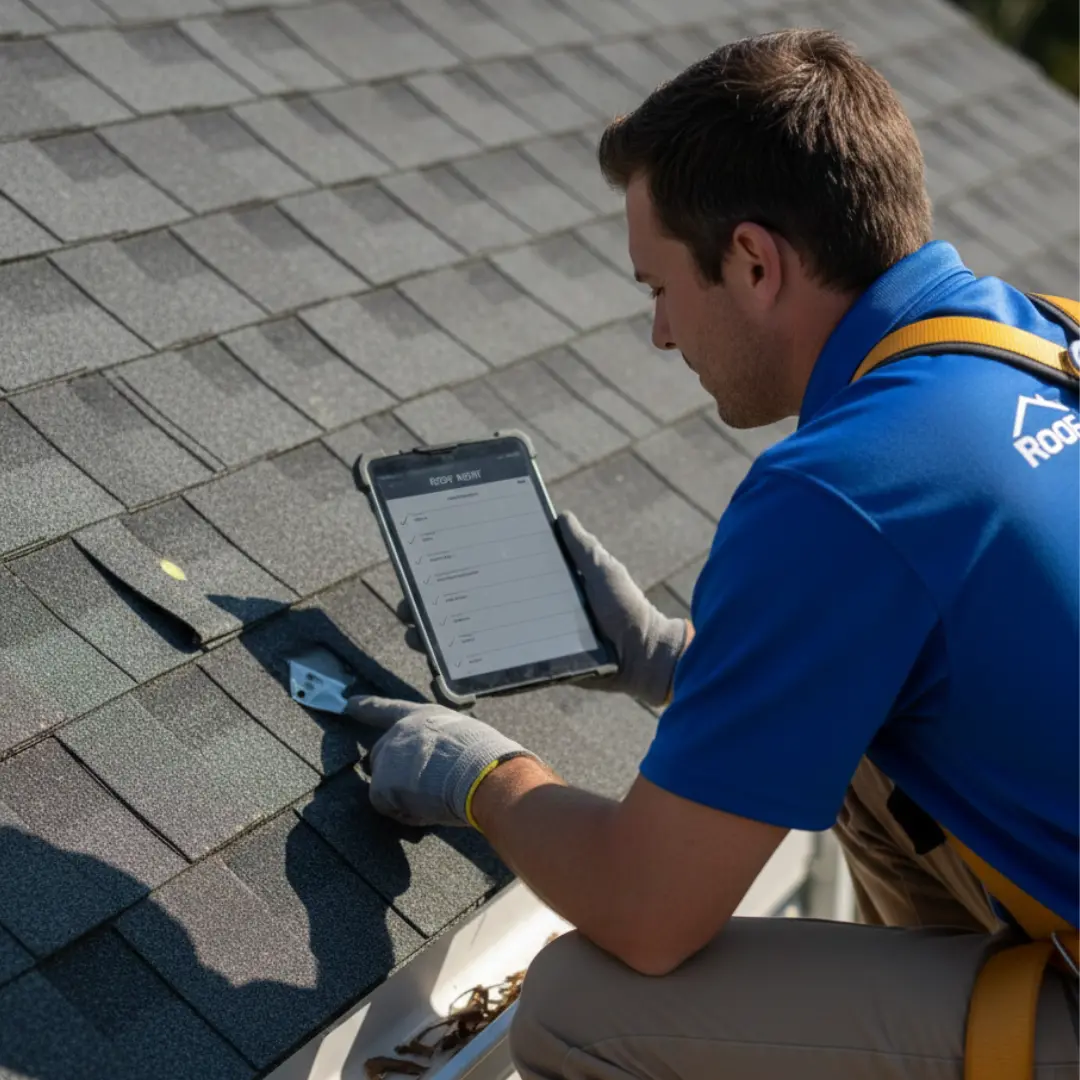
Signs your roof needs to be replaced include visible shingle damage with curling or missing pieces affecting 25% or more of roof area, granule accumulation in gutters indicating protective layer loss, water stains on ceilings from active leaks, sagging roof decks showing structural compromise, and roof age exceeding 15-20 years for asphalt shingles in South Florida's harsh climate.

Signs your roof needs to be replaced include visible shingle damage with curling or missing pieces affecting 25% or more of roof area, granule accumulation in gutters indicating protective layer loss, water stains on ceilings from active leaks, sagging roof decks showing structural compromise, and roof age exceeding 15-20 years for asphalt shingles in South Florida's harsh climate. According to the National Roofing Contractors Association, roofs displaying 3 or more warning signs simultaneously require complete replacement rather than repairs, as addressing individual symptoms without systemic replacement results in recurring failures costing 2-3 times more over 5-year periods. Professional roof inspections detect hidden damage including deteriorated underlayment, wood rot, and inadequate ventilation that homeowners cannot assess safely from ground level.
Florida's intense UV exposure, hurricane threats, and 70-90% humidity levels accelerate roof deterioration compared to temperate climates. Homeowners in Miami, Fort Lauderdale, and Naples should conduct biannual roof audits before rainy season beginning May and after hurricane season ending November, identifying issues requiring professional evaluation. Understanding critical warning signs, inspection procedures, repair versus replacement decision criteria, and timing strategies helps homeowners prevent catastrophic failures causing $15,000-40,000 in water damage, mold remediation, and structural repairs. This comprehensive guide explains how to recognize when roof replacement in Miami becomes necessary protecting property values and family safety.
How Much Should It Cost to Fix a Roof?
Roof repair costs range from $300-800 for minor fixes like replacing 10-15 shingles or resealing flashing, $800-2,500 for moderate repairs addressing valley leaks or chimney flashing replacement, and $2,500-6,000 for major repairs including multiple leak sources or partial decking replacement affecting 200-400 square feet. According to HomeAdvisor data, South Florida homeowners pay average $1,200-1,800 for typical repair projects addressing storm damage or age-related deterioration. However, repairs prove cost-effective only when addressing isolated issues on roofs under 12-15 years old, while roofs exceeding 18-20 years with multiple problem areas require complete replacement costing $8,000-25,000 but providing 15-50 year service life depending on material selection.
Minor Repair Cost Breakdown
Minor repairs addressing single isolated issues cost $300-800 including labor and materials. Replacing 10-20 missing or damaged shingles costs $350-600 depending on shingle type and roof accessibility. Resealing pipe boot flashings around plumbing vents costs $200-400 per penetration. Replacing damaged drip edge along 20-30 linear feet costs $300-500. These repairs work well for newer roofs experiencing localized storm damage or installation defects covered under warranty periods.
Emergency leak repairs during active rainfall cost $400-1,000 including after-hours service charges. Contractors apply temporary tarps or emergency sealants preventing immediate water intrusion until permanent repairs complete. These emergency services prove essential during hurricane season preventing catastrophic interior damage while permanent solutions await material delivery and weather clearing.
Moderate Repair Considerations
Moderate repairs addressing multiple issues or complex problems cost $800-2,500. Valley re-flashing replacing deteriorated metal valleys costs $600-1,200 per valley depending on length and metal type. Chimney flashing replacement including counter-flashing and base flashing costs $800-1,800 per chimney. Repairing 50-100 square feet of damaged decking costs $400-900 including plywood replacement and shingle reinstallation.
Homeowners should evaluate total repair costs against replacement costs when estimates exceed $3,000-4,000. The Insurance Information Institute suggests the 50% rule where repairs costing more than 50% of replacement value warrant complete replacement instead. A roof requiring $5,000 in repairs when replacement costs $10,000-12,000 represents poor value, as remaining original materials continue deteriorating requiring additional repairs within 2-5 years. Installing metal roofing in Fort Lauderdale eliminates recurring repair cycles through 40-70 year service lives.
When Repairs Don't Make Sense
Major repairs exceeding $6,000 rarely justify expenses on roofs older than 15 years. Extensive decking replacement affecting 400+ square feet indicates systemic moisture problems from long-term leak exposure. Multiple valley failures, widespread shingle deterioration, and structural sagging signal end-of-life conditions requiring complete replacement. Attempting piecemeal repairs on failing roofs wastes money without addressing underlying problems.
Homeowners planning property sales within 2-3 years should prioritize replacement over expensive repairs. New roofs add $8,000-18,000 to property values while providing marketing advantages and inspection approval certainty. Major repairs provide no resale value enhancement while potentially revealing additional problems during buyer inspections, creating negotiation disadvantages.
How Old Should a Roof Be Before It's Replaced?
Roofs should be replaced when asphalt shingles reach 15-20 years in South Florida's climate, architectural shingles reach 18-25 years, tile roofs reach 30-40 years, and metal roofs reach 40-50 years, though actual replacement timing depends on visible condition, maintenance history, and storm exposure rather than age alone. According to Asphalt Roofing Manufacturers Association guidelines, roofs in subtropical climates like South Florida experience 30-40% faster aging compared to temperate regions due to intense UV exposure, thermal cycling, and high humidity levels. Proactive replacement at 80-90% of expected lifespan prevents emergency situations requiring immediate attention during hurricane threats or rainy season when contractor availability decreases and costs increase 20-30%.
Material-Specific Lifespan Expectations
Three-tab asphalt shingles installed 1990s-2000s last 12-18 years in South Florida before requiring replacement. These economy-grade products experience granule loss, seal failures, and brittleness from UV exposure. Architectural or dimensional shingles installed 2000s-present last 18-25 years through thicker construction and enhanced granule adhesion. Premium designer shingles with advanced coatings achieve 25-30 year lifespans when properly ventilated and maintained.
Concrete and clay tiles last 30-50 years with individual tile replacement as needed. Tile underlayment requires replacement every 20-30 years even when tiles remain serviceable, necessitating complete roof teardown and tile reinstallation. Metal roofing systems last 40-70 years depending on coating quality and maintenance frequency. Aluminum roofs in coastal areas achieve 50-60 year lifespans while Galvalume steel inland provides 40-50 years before re-coating becomes necessary.
Climate Impact on Lifespan
South Florida's climate accelerates roof aging through multiple mechanisms. UV radiation at 25-26 degrees north latitude exceeds northern states by 40-50%, degrading asphalt and organic materials rapidly. Summer roof surface temperatures reaching 160-180 degrees cause thermal stress and accelerated oxidation. Annual temperature cycling of 80-100 degrees between winter nights and summer days creates expansion and contraction stress.
Hurricane exposure subjects roofs to 100-140 mph winds creating uplift forces and debris impacts that damage shingles and fasteners. Salt air corrosion within 5 miles of coastlines attacks metal components including flashings, fasteners, and metal roofing substrates. These combined factors reduce expected lifespans by 30-40% compared to manufacturer ratings based on moderate climates. Homeowners in Miami Beach, Key Biscayne, and Naples coastal areas should expect lower-end lifespan ranges.
Maintenance Impact on Longevity
Proper maintenance extends roof lifespans 20-30% beyond neglected roofs. Annual inspections identifying and repairing minor issues prevent progressive damage. Cleaning debris from valleys and gutters prevents water damming and wood rot. Trimming overhanging branches prevents abrasion damage and reduces moss growth. Re-sealing flashings every 5-7 years prevents penetration leaks.
Neglected roofs fail prematurely through accelerated deterioration from unaddressed issues. A small flashing leak allowing moisture infiltration for 2-3 years causes $3,000-8,000 in decking and rafter damage, while timely repair costs $200-400. Professional maintenance programs through licensed contractors cost $200-400 annually but prevent premature failures and extend service lives maximizing investment returns. Installing standing seam metal roofs in West Palm Beach with minimal maintenance requirements provides optimal longevity for long-term homeowners.
What Are the Most Critical Warning Signs?
The most critical warning signs requiring immediate professional evaluation include sagging roof decks indicating structural failure, active water leaks creating ceiling stains or drips, daylight visible through attic boards showing major breaches, widespread shingle loss affecting 30% or more of roof area, and granule accumulation in gutters exceeding 2-3 cups per downspout indicating advanced deterioration. According to Insurance Institute for Business & Home Safety assessments, these severe conditions represent imminent failure risks causing catastrophic damage during next significant rain event or moderate windstorm. Emergency repairs or immediate replacement prevent $20,000-50,000 in consequential damages including interior flooding, mold contamination, and structural wood replacement.
Structural Sagging Assessment
Roof sagging visible from ground level indicates serious structural compromise requiring immediate professional evaluation. Sagging appears as depression or valley formation in areas that should be flat or uniformly sloped. Common causes include water-saturated decking weighing 3-4 times normal weight, rotted rafters losing load-bearing capacity, and inadequate original framing undersized for roof loads.
Measure sagging severity using straightedge or string line spanning suspected areas. Deflection exceeding 1 inch over 10-foot spans requires immediate structural reinforcement or replacement. Sagging near roof centers suggests rafter failure, while eave sagging indicates fascia board or soffit deterioration. These structural issues require engineering assessment and typically necessitate complete roof replacement including framing repairs costing $12,000-30,000 depending on damage extent.
Active Leak Identification
Water stains on ceilings indicate active or recent leaks requiring immediate attention. Fresh stains appear darker brown or yellow with defined edges, while old stains fade to light tan with diffused boundaries. Stains near chimneys, valleys, or skylights suggest flashing failures. Stains in roof field areas indicate shingle damage or underlayment deterioration.
Trace leak sources from interior stains into attic spaces following water trails upward and horizontally along rafters and decking. Water travels 2-6 feet horizontally from entry points before dripping through ceilings, making source identification challenging without attic access. Professional infrared moisture detection identifies hidden leaks and water-damaged areas invisible to visual inspection. Addressing active leaks within 2-3 weeks prevents mold growth and progressive wood deterioration requiring expensive repairs.
Multiple Symptom Evaluation
Roofs displaying 3 or more warning signs simultaneously require replacement rather than repairs. Combining factors like age exceeding 18 years, widespread granule loss, multiple leak sources, and ventilation problems indicate systemic failure. Repairing individual symptoms without addressing overall deterioration results in recurring failures and wasted repair expenditures.
Professional contractors provide comprehensive evaluations documenting all observed deficiencies with photographic evidence and written reports. These reports support insurance claims for storm damage and provide documentation for property sale disclosures. Obtain evaluations from 2-3 licensed contractors comparing recommendations and pricing before authorizing major work. Homeowners requiring roof repairs in Naples should request detailed condition assessments determining repair feasibility versus replacement necessity.
How to Conduct a Safe DIY Roof Inspection
Conducting safe DIY roof inspections requires ground-level visual assessment using binoculars examining shingle condition, attic interior inspection checking for daylight penetration and moisture stains, gutter examination for granule accumulation, and documentation with photographs for professional contractor review. Never walk on roofs without proper safety equipment including harnesses, anchor points, and fall protection rated for 5,000-pound loads according to OSHA requirements. Most homeowner injuries and fatalities result from falls during roof access attempts, making professional inspections costing $150-300 safer and more thorough alternatives providing liability protection and comprehensive evaluations inaccessible to homeowners.
Ground-Level Visual Assessment
Conduct ground-level inspections using 10x binoculars examining roof surfaces from multiple vantage points around property perimeters. Look for missing or damaged shingles appearing as dark spots or irregular patterns. Identify curling shingles with edges lifting from roof surfaces. Note algae or moss growth appearing as dark streaks or green patches. Document observations with smartphone photographs for professional contractor review.
Examine roof lines for sagging or waviness indicating structural issues. Check flashing around chimneys and vents for rust, gaps, or separation from roof surfaces. Inspect soffit and fascia boards for rot, staining, or animal damage. Look for debris accumulation in valleys and against chimneys that trap moisture causing accelerated deterioration. Complete ground-level assessments in 15-20 minutes providing substantial information without safety risks.
Attic Interior Inspection
Access attic spaces through interior hatches or exterior gable vents examining roof underside conditions. Look for daylight visible through decking indicating holes or gaps. Check for water stains on rafters and decking appearing as dark discoloration or white mineral deposits. Identify mold growth appearing as black or green fuzzy patches. Verify insulation remains dry without compression or water damage.
Inspect ventilation adequacy checking for continuous soffit intake and ridge exhaust vents. Inadequate ventilation causes moisture accumulation and premature roof failure. Verify electrical wiring, junction boxes, and exhaust fans for proper installation and fire hazards. Document findings with photographs and videos for professional contractor evaluation. Attic inspections require flashlights, dust masks, and careful footing avoiding stepping between ceiling joists.
Gutter and Downspout Examination
Clean gutters during spring and fall inspections examining collected debris for shingle granules. Normal aging produces tablespoon quantities of granules, while advanced deterioration accumulates 1-2 cups per downspout. Excessive granules indicate shingles approaching end of service life. Check gutters for proper slope ensuring water flows to downspouts without ponding. Verify downspouts discharge water minimum 6 feet from foundations preventing basement flooding and foundation damage.
Inspect gutter attachment to fascia boards checking for loose hangers or rotted mounting surfaces. Clean downspout outlets removing leaves and debris preventing water backup. Install gutter guards reducing cleaning frequency and preventing overflow damage. Properly functioning gutters prevent roof edge water infiltration and extend shingle lifespans by eliminating standing water exposure.
When to Schedule Professional Roof Replacement
Schedule professional roof replacement when roofs exceed 80% of expected lifespan, display 3 or more critical warning signs, require repairs exceeding 40-50% of replacement cost, or before planned property sales within 6-12 months. Optimal timing in South Florida occurs December through March when temperatures remain moderate at 65-78 degrees, rainfall averages only 2-3 inches monthly, contractor availability increases 50-70%, and projects complete before June 1st hurricane season begins. According to National Roofing Contractors Association recommendations, proactive replacement before failures occur saves 30-50% compared to emergency replacements during crisis situations when limited contractor availability and urgent timelines increase costs and reduce quality control.
Age-Based Replacement Planning
Develop replacement timelines when roofs reach 75-80% of expected lifespans even without obvious deterioration. A 20-year architectural shingle roof requires replacement planning at year 15-16, scheduling installations during optimal weather windows. This proactive approach prevents emergency situations during hurricane threats or rainy season when contractors operate at capacity and material availability decreases.
Create replacement budgets 3-5 years before anticipated needs, setting aside $200-400 monthly for $12,000-20,000 replacement projects. Explore financing options including home equity lines of credit, contractor financing programs, and PACE financing providing $0 down payment terms. Early planning allows material research, contractor selection, and financing arrangement without time pressures forcing suboptimal decisions.
Storm Damage Assessment Timing
Inspect roofs immediately after hurricanes, tropical storms, or severe thunderstorms checking for visible damage. Schedule professional inspections within 7-10 days documenting storm damage for insurance claims. Florida law provides 3-year statute of limitations for property damage claims, but immediate documentation strengthens claims and prevents denial due to subsequent damage attribution.
Hurricane damage often appears subtle initially, manifesting as lifted shingle seals, loosened fasteners, and minor granule loss. These conditions worsen rapidly during subsequent rain events, causing progressive failures. Professional post-storm inspections cost $150-300 but identify hidden damage preventing future claim denials when failures occur months after storms pass. Insurance companies prefer immediate documentation over delayed claims raising suspicions about damage causation.
Pre-Sale Replacement Strategy
Homeowners planning property sales within 12-18 months should evaluate roof replacement benefits. New roofs add $10,000-20,000 to property values while providing buyer confidence and inspection approval certainty. Replace roofs showing obvious aging even if functional, as buyers negotiate $5,000-15,000 price reductions or demand seller-funded replacements during purchase negotiations.
Time replacements 6-9 months before listing dates allowing weathering and ensuring warranty transferability. Fresh roof installations photograph well for listing presentations attracting buyer attention. Provide warranty documentation and permit records to buyers demonstrating proper installation and code compliance. New roofs help properties sell 15-25% faster than comparable homes with aging roofs according to National Association of Realtors data. Installing tile roofs in Miami before sales maximizes property appeal and return on investment.
Conclusion
Signs your roof needs replacement include visible shingle damage affecting 25% or more of roof area, excessive granule loss accumulating in gutters, active water leaks causing ceiling stains, sagging roof decks indicating structural failure, and age exceeding 15-20 years for asphalt shingles in South Florida's harsh climate. Professional inspections costing $150-300 provide comprehensive evaluations detecting hidden damage and providing repair versus replacement recommendations. Optimal replacement timing occurs December-March in South Florida when moderate temperatures, minimal rainfall, and increased contractor availability create ideal installation conditions before June 1st hurricane season begins.
Contact ASP SuperHome at (786) 373-3953 to schedule your professional roof inspection and replacement consultation today. Our certified contractors (CGC1513274) serve Miami, Fort Lauderdale, Naples, West Palm Beach, Doral, and Fort Myers providing comprehensive roof evaluations, detailed condition reports with photographic documentation, and replacement proposals using asphalt shingle, metal, and tile systems. We offer manufacturer warranties spanning 15-50 years, flexible $0 down PACE financing options, and over 19 years of South Florida experience protecting 10,000+ homes. Visit our Doral showroom at 3400 NW 114th Ave to discuss your specific roof concerns, review material options, and receive customized replacement timing and budget recommendations ensuring optimal value and storm protection.
Meet With a Project Manager
Your first conversation is with a Project Manager who takes the time to understand your goals, walk you through your options, and stays connected throughout your project — from the initial consultation through the final walkthrough.
.avif)
.avif)
.avif)
%201.avif)
Insights & Resources
Stay informed with expert tips on roofing materials, hurricane codes, repairs, and South Florida construction standards.


%201.avif)
%201%20(1).avif)
%201.svg)
%201%20(1)%20(1).png)
.png.png)
.png%20(1).png)
.png%20(2).png)
.avif)
.avif)


.png)
.svg)
.png)