


Signs You Need to Replace Windows
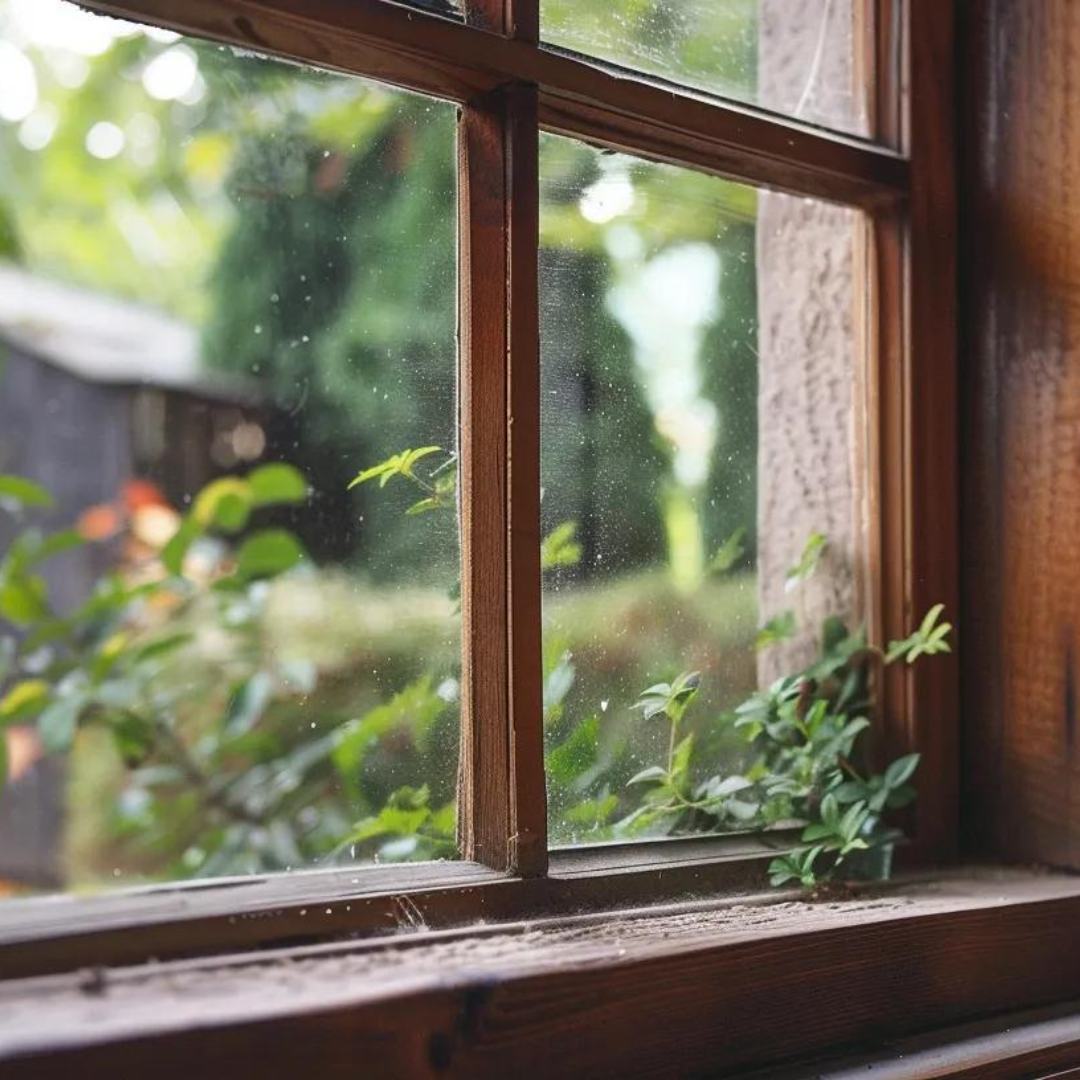

The signs you need to replace your windows include drafts near closed windows, foggy glass between panes, rising energy bills, difficulty opening or closing, visible frame damage, excessive outside noise, and water leaks around the frame. Windows that are 15 to 20 years old are strong candidates for replacement even if they look fine from the outside. According to the U.S. Department of Energy, heat gain and loss through windows account for 25% to 30% of a home's heating and cooling energy use. For South Florida homeowners, replacing old windows with impact-rated glass protects against hurricanes, lowers insurance costs, and cuts energy bills all at once.
How Do I Tell If My Windows Need to Be Replaced?
You can tell your windows need to be replaced by checking for drafts, seal failure, frame damage, difficulty operating, water leaks, and rising energy costs. These signs often show up gradually, so many homeowners do not notice them until the problems get worse. Start with a simple test. Hold a lit candle or incense stick near the edges of a closed window. If the flame flickers or the smoke moves sideways, air is leaking through gaps in the frame or seal. This means your window is no longer insulating your home properly. Next, look at the glass. If you see fog, moisture, or a cloudy film between the panes of a double-pane window, the seal has failed. When the seal breaks, the insulating argon gas escapes and moisture enters the gap. According to Energy Star, replacing old windows with certified models can reduce household energy bills by 7% to 15%. Check the frames for cracks, rot, warping, or peeling. Wood frames in South Florida are especially vulnerable to moisture damage from humidity and heavy rain. Vinyl frames can become brittle after decades of intense sun exposure. Aluminum frames may corrode in coastal areas like Doral, Fort Lauderdale, and Miami Beach if the powder coating breaks down. If your windows stick, jam, or refuse to lock, the hardware or frame may be warped beyond repair. This is both an energy efficiency problem and a safety problem. Windows that do not open can block your only exit during a fire. Homeowners across South Florida who notice any of these signs should schedule a professional inspection. A licensed installer who handles residential impact windows can assess whether repair or full replacement is the smarter investment.
Should 20 Year Old Windows Be Replaced?
Yes, 20-year-old windows should be replaced in most cases. Windows that are 15 to 20 years old are typically good candidates for replacement, even if they still look okay from the outside. Window technology has improved dramatically over the past two decades, and older windows simply cannot match the energy efficiency, security, and storm protection of modern products. According to a 2025 windows survey by This Old House, the general replacement timeline depends on frame material. Aluminum and wood frame windows last about 15 to 30 years. Vinyl windows last 20 to 40 years. Fiberglass windows last 30 to 50 years. After these timeframes, windows lose their insulating ability and structural integrity. In South Florida, the timeline can be even shorter. Constant UV exposure, salt air, humidity, and hurricane-force winds take a heavier toll on windows than milder climates. A 20-year-old window in Doral or Broward County has endured far more stress than the same window in a northern state. Older windows are also more likely to be single-pane or basic double-pane without Low-E coatings. These windows lack the laminated glass and reinforced frames needed to meet current Florida Building Code requirements for hurricane zones. Replacing them with modern impact windows provides storm protection, UV blocking, noise reduction, and significant energy savings. The U.S. Department of Energy reports that Americans spend an average of $2,000 per year on home energy, with $200 to $400 of that wasted due to air leaks and aging systems. Upgrading 20-year-old windows is one of the most effective ways to cut that waste. Pairing new windows with a metal roof installation creates a complete envelope of protection and efficiency for your South Florida home.
What Is the Average Lifespan of a Window?
The average lifespan of a window is 15 to 30 years for most frame materials. Aluminum and wood windows typically last 15 to 30 years. Vinyl windows last 20 to 40 years. Fiberglass windows can last 30 to 50 years. Impact-rated laminated glass windows in South Florida generally last 20 to 30 years with proper maintenance. Several factors affect how long your windows last. Climate is the biggest one. South Florida's combination of intense sun, salt air, heavy rain, and hurricane-force winds puts more strain on windows than almost any other region in the country. Homes in coastal cities like Miami Beach, Fort Lauderdale, and Doral face especially harsh conditions. Installation quality also plays a major role. Poorly installed windows fail sooner because gaps in the framing allow water and air to penetrate around the edges. According to the Florida Building Code, all impact window installations in the High Velocity Hurricane Zone must be performed by licensed contractors and pass inspection. A bad installation can void your warranty and leave your home unprotected. Maintenance matters too. Cleaning the glass, tracks, and hardware regularly extends the life of any window system. Lubricating moving parts, replacing worn weatherstripping, and checking caulking around the frame helps keep seals intact. Homeowners who stay on top of maintenance can get the full 20 to 30 years out of their impact windows. When it is time for replacement, choosing the right product and installer makes all the difference. South Florida families who invest in high-quality impact windows and doors from trusted brands get decades of protection, energy savings, and peace of mind.
Will New Windows Make a House Warmer in South Florida?
No, new windows will not make your house warmer in South Florida. New windows actually make your house cooler by blocking solar heat from entering through the glass. This is the opposite of what happens in cold climates, where new windows keep warm air inside. In South Florida, the goal is to keep hot air out and cool air in. Modern impact windows use Low-E (low-emissivity) glass coatings that reflect infrared heat and block up to 99% of harmful UV rays, according to manufacturer specifications. The Solar Heat Gain Coefficient (SHGC) measures how much solar heat passes through the glass. A lower SHGC means less heat enters your home. For South Florida, an SHGC of 0.25 or lower is ideal. According to the U.S. Department of Energy, heat gain and loss through windows account for 25% to 30% of residential heating and cooling energy use. In a climate where air conditioning runs 10 to 12 months per year, reducing heat gain through new windows can save $400 to $1,200 annually on energy bills. Double-pane impact windows with argon gas fill and Low-E coatings provide a dramatic improvement over old single-pane glass. Your HVAC system does not have to work as hard, which means lower electric bills and less wear on your AC unit. Many South Florida homeowners who pair new windows with residential solar panels see their energy costs drop to near zero.
What Are the Common Window Problems in South Florida?
The common window problems in South Florida are seal failure, frame corrosion, difficult operation, water leaks, excessive heat gain, noise penetration, and lack of hurricane protection. South Florida's climate creates unique challenges that accelerate window wear. Seal failure is the most widespread issue. The intense heat causes window seals to expand and contract repeatedly, which breaks down the adhesive over time. Once the seal fails, the insulating gas escapes and moisture enters between the panes, creating a foggy or cloudy appearance. This reduces the window's insulating ability and cannot be repaired without replacing the glass unit. Frame corrosion affects homes near the coast. Aluminum frames in Doral, Miami Beach, Fort Lauderdale, and other coastal areas are exposed to salt air that attacks the finish and weakens the metal over time. High-quality powder-coated or anodized aluminum resists corrosion better, but eventually all unprotected frames will show signs of deterioration. Water leaks around windows are common during South Florida's heavy rain events. Poor installation, worn caulking, or warped frames create gaps where water enters the wall cavity. This can lead to mold growth, wood rot, and structural damage. According to FEMA, mold can begin growing within 24 to 48 hours after water exposure. Old single-pane or non-impact windows offer zero protection during hurricanes. In Miami-Dade and Broward counties, which fall within the High Velocity Hurricane Zone, all exterior openings must have impact-rated protection. Homeowners with outdated windows in these areas are not only at risk during storms but also miss out on insurance discounts of 10% to 45% on windstorm premiums, according to the Florida Department of Financial Services. A licensed contractor can evaluate each of these problems and recommend the right solution. For most South Florida homes, upgrading to residential impact doors and windows solves all of these issues at once.
Is It Cheaper to Replace All Windows at Once?
Yes, it is cheaper to replace all windows at once. Replacing all of your windows in a single project reduces the total cost compared to doing them one or two at a time over several years. Contractors offer better pricing on full-home jobs because they can buy materials in bulk and schedule labor more efficiently. According to a 2025 window survey analyzed by This Old House, the average cost of a single replacement window is about $554, not including labor. For a home with 10 to 15 windows, replacing them all at once typically results in volume discounts from both the manufacturer and the installer. There is also a permitting advantage in South Florida. The Florida Building Code requires a building permit for impact window installations. Filing one permit for the entire project is faster and less expensive than filing multiple permits over time. The inspection process is also streamlined when all windows are done together. From an insurance standpoint, you only get the maximum wind mitigation discount when all exterior openings are protected. Replacing just a few windows at a time means you may not qualify for the full insurance credit until the entire project is complete. According to the Florida Department of Financial Services, homeowners need full opening protection to qualify for the highest premium reductions. Replacing all windows at once also gives your home a consistent, clean appearance. Mismatched windows from different years can look uneven and reduce curb appeal. A full replacement with matching frames and glass creates a polished look that increases your home's value. South Florida homeowners who bundle windows with entry doors and sliding glass doors in the same project save even more.
What Is the Cheapest Time of Year to Replace Windows?
The cheapest time of year to replace windows in South Florida is during the fall and winter months, from October through February. Demand for window replacement drops after hurricane season ends in November. Manufacturers and installers often offer promotions during this slower period to keep their crews working. Ordering during the off-season also means shorter lead times. During peak season from April through September, wait times can stretch to several weeks or longer as homeowners rush to protect their homes before storm season. In the off-season, you can often get faster delivery and quicker installation. Another benefit of winter installations is weather. While South Florida does not get harsh winters, the cooler, drier months between November and March make for more comfortable working conditions. Installers can work more efficiently without the intense heat and afternoon thunderstorms that are common from May through October. Keep in mind that the My Safe Florida Home grant program operates on a first-come, first-served basis. Applying early in the program year and scheduling your installation during the off-season is the smartest strategy. You get better pricing, faster turnaround, and a head start on hurricane protection before the next storm season arrives. Getting a free estimate during the off-season is the first step.
What Is the 25 Glazing Rule?
The 25 glazing rule refers to the principle that windows can account for roughly 25% of a home's total energy loss. This is based on data from the U.S. Department of Energy, which reports that heat gain and loss through windows represent 25% to 30% of residential heating and cooling energy use. In practical terms, this means about one quarter of the money you spend on air conditioning and heating escapes through your windows. For a South Florida home with an average annual energy bill of $2,000, that translates to $500 to $600 per year wasted through inefficient windows. The "rule" is not a building code or legal regulation. It is an energy efficiency benchmark used by the industry to illustrate why window upgrades are so important. Homes with single-pane glass, poor seals, or old frames lose even more than 25% of their conditioned air. Replacing old windows with Energy Star-certified impact windows that have Low-E coatings, insulated glass, and proper seals can cut that energy loss dramatically. According to Energy Star, certified windows can reduce household energy bills by 7% to 15%. In South Florida's hot climate, where AC runs nearly year-round, that percentage adds up to significant savings. Homeowners who upgrade their windows and also add a solar battery backup system can reduce or eliminate their dependence on the grid entirely.
How to Replace Windows Cheaply in South Florida?
The way to replace windows cheaply in South Florida is to combine available grants, insurance savings, utility rebates, and financing options to reduce your out-of-pocket cost as much as possible. Completely free window replacement is rare, but stacking incentives brings the effective cost way down. Start with the My Safe Florida Home program, which reimburses up to $10,000 of your project cost through a matching grant. For the 2025 to 2026 program year, the Florida Legislature allocated $280 million in funding. Next, factor in insurance savings. According to the Florida Department of Financial Services, impact windows can reduce your windstorm insurance premiums by 10% to 45%. For a South Florida homeowner paying $4,500 per year in insurance, a 25% discount saves $1,125 annually. Over 10 years, that is $11,250 back in your pocket. Use financing to cover the rest. PACE programs offer $0 down with payments through your property tax bill over up to 20 years. Traditional lenders like Wells Fargo, GreenSky, and GoodLeap offer home improvement financing with fast approval. Many South Florida contractors, including ASP Super Home, offer flexible financing options that fit a range of budgets. Energy savings add another layer of return. Replacing old single-pane windows with impact glass can save $400 to $1,200 per year on cooling costs. Over the 20- to 30-year life of the windows, those savings more than cover the investment.
What Devalues a House the Most?
Deferred maintenance is what devalues a house the most. Old, damaged, or non-functional windows are one of the biggest red flags for home buyers. Cracked glass, rotting frames, foggy panes, and visible drafts signal neglect and lead buyers to worry about what other problems the home might have. According to Freddie Mac, energy-efficient rated homes sell for 2.7% more than unrated homes. Homes with better energy ratings sell for up to 5% more than lower-rated homes. In South Florida, where hurricane protection is a top priority for buyers, homes without impact windows face an even steeper discount on the market. Outdated single-pane windows also fail to meet current Florida Building Code requirements for new construction in hurricane zones. Buyers in Miami-Dade and Broward counties know that they would need to invest thousands of dollars in window upgrades after purchasing, which gives them leverage to negotiate a lower price. On the flip side, installing new impact windows is one of the best ways to increase your home's value. Multiple Florida market analyses show that homes with full impact protection sell for 5% to 10% more than comparable homes without it. The combination of storm protection, energy efficiency, noise reduction, and modern aesthetics makes a strong impression on buyers. South Florida homeowners who invest in a full home upgrade, including impact windows, a new roof, and fresh exterior painting, see the highest returns when it comes time to sell.
Can I Get a Grant to Upgrade My Windows in Florida?
Yes, you can get a grant to upgrade your windows in Florida through the My Safe Florida Home program. This state-funded program provides matching grants of up to $10,000 for hurricane protection improvements, including impact windows, impact doors, and roof upgrades. For every $1 you spend, the state contributes $2, up to the $10,000 cap. Low-income homeowners can receive the full $10,000 without the matching requirement. To qualify, your home must be a single-family detached residence with a homestead exemption, insured for $700,000 or less, and built before January 1, 2008. The program starts with a free wind mitigation inspection that identifies which upgrades your home needs. Only improvements recommended in the inspection report are eligible for grant money. Applications are processed first-come, first-served, so applying early is critical. For the 2025 to 2026 year, the Florida Legislature funded the program with $280 million. According to program data, thousands of homeowners save an average of $932 per year on insurance premiums after completing approved upgrades. That means the grant not only reduces upfront costs but also leads to ongoing annual savings. South Florida homeowners can start the process by requesting a free estimate from a licensed contractor who is familiar with the MSFH program.
Is Window Replacement Tax Deductible?
No, window replacement is not tax deductible as a standard home improvement expense. However, energy-efficient windows were eligible for a federal tax credit of up to $600 per year through December 31, 2025. The Energy Efficient Home Improvement Credit allowed homeowners to claim 30% of the cost of qualifying Energy Star Most Efficient windows. The One Big Beautiful Bill Act, signed on July 4, 2025, accelerated the expiration of this credit from its original 2032 deadline. As of 2026, no replacement federal tax credit for residential windows exists. Homeowners who installed qualifying windows during 2023, 2024, or 2025 can still claim the credit on their tax returns for those years using IRS Form 5695. In Florida, the My Safe Florida Home grant and wind mitigation insurance discounts provide the most significant financial benefits for window replacement. These programs remain active and continue to save South Florida homeowners thousands of dollars. It is always a good idea to consult a tax professional about your specific situation. Some home improvements may qualify for tax benefits in certain circumstances, such as when they are part of a medically necessary modification or a home office improvement. For most homeowners in Doral, Miami-Dade, and Broward County, the combination of state grants, insurance savings, and energy savings provides the best financial return on a residential impact window investment.
Window Replacement Warning Signs Comparison Table
Sources: U.S. Department of Energy, Energy Star, Florida Building Code, FEMA.
Frequently Asked Questions
How Much Do New Windows Cost for a 3-Bedroom Home in South Florida?
New windows for a 3-bedroom home in South Florida vary based on window size, frame material, glass type, and the number of openings. A typical 3-bedroom home has 8 to 15 windows. According to a 2025 window survey, the average cost per replacement window is about $554 for materials alone. Impact windows in South Florida cost more than standard replacement windows due to their laminated glass and reinforced frames. Working with a licensed installer who offers financing and helps you apply for the My Safe Florida Home grant brings the out-of-pocket cost down significantly.
Do New Impact Windows Reduce Noise in Doral and South Florida?
Yes, new impact windows dramatically reduce noise in Doral and across South Florida. The laminated glass construction that protects against hurricane debris also absorbs sound waves. Impact windows can reduce outside noise by up to 50% to 60% compared to standard single-pane glass. Homeowners near busy roads, airports, or construction areas in Miami-Dade and Broward counties notice the biggest difference. The same PVB interlayer that holds glass together during a storm also blocks traffic noise, barking dogs, and lawn equipment.
What Is the Best Window Brand for South Florida Homes?
The best window brand for South Florida homes depends on your budget and priorities. PGT is the largest impact window manufacturer in North America and offers the widest product selection. ES Windows delivers strong standard features at a competitive price. CWS, based in Ocala, Florida, maintains approximately 94% customer satisfaction ratings according to Builder Magazine. Andersen and Pella offer premium options but tend to cost more. Working with a licensed contractor who carries multiple top brands helps you compare options side by side.
Are Impact Windows Required by Code in Miami-Dade County?
Yes, impact windows or approved hurricane shutters are required by code in Miami-Dade County. Miami-Dade and Broward counties fall within the High Velocity Hurricane Zone (HVHZ), which has the strictest wind resistance requirements in Florida. All exterior openings, including windows, doors, skylights, and garage doors, must have approved impact protection for new construction and major renovations. Homes without impact protection in these areas also miss out on significant wind mitigation insurance discounts.
How Long Does It Take to Replace Windows in a South Florida Home?
It takes 1 to 3 days to replace windows in a typical South Florida home. The timeline depends on the number of windows, the size of openings, and how complex the installation is. Larger homes or custom projects may take longer. Permitting, which is required under Florida Building Code, adds time to the overall process. A licensed contractor who handles permitting in-house, like ASP Super Home, streamlines the process and keeps the project on schedule.
Will New Windows Lower My Insurance in South Florida?
Yes, new impact windows will lower your insurance in South Florida. Florida Statute 627.0629 requires insurance companies to offer premium discounts for certified wind mitigation improvements. Most homeowners see reductions of 10% to 45% on the windstorm portion of their policy after installing certified impact windows and completing a wind mitigation inspection. For a typical South Florida home paying $4,500 per year, that translates to $450 to $2,025 in annual savings.
Does Putting Film or Blankets Over Windows Help in South Florida?
No, putting film or blankets over windows does not provide meaningful help in South Florida. Window film can slightly reduce heat gain, but it does not provide hurricane protection, structural integrity, or the energy performance of modern impact glass. Blankets block natural light without solving the root problem. These are temporary fixes that do not address seal failure, frame damage, or building code compliance. Replacing old windows with certified impact glass is the only long-term solution that delivers storm protection, energy savings, and insurance discounts.
Final Thoughts
Recognizing the signs that your windows need replacement saves you money, protects your home, and keeps your family safe. Drafts, foggy glass, rising energy bills, water leaks, and difficulty operating are all signals that your windows have reached the end of their useful life. In South Florida's demanding climate, waiting too long to replace aging windows means higher utility costs, higher insurance premiums, and a home that is vulnerable to the next hurricane. Do not wait for a storm to force the decision. Call ASP Super Home today at 786-933-9815 to schedule a free in-home consultation. With 19 years of experience, over 10,000 satisfied families, and partnerships with the top impact window and door brands in the industry, ASP Super Home makes it simple to find the right windows for your home and your budget. Request your free estimate now and take the first step toward a safer, more efficient home.
Meet With a Project Manager
Your first conversation is with a Project Manager who takes the time to understand your goals, walk you through your options, and stays connected throughout your project — from the initial consultation through the final walkthrough.
.avif)
.avif)
.avif)
%201.avif)
Insights & Resources
Stay informed with expert tips on roofing materials, hurricane codes, repairs, and South Florida construction standards.


%201.avif)
%201%20(1).avif)
%201.svg)
%201%20(1)%20(1).png)
.png.png)
.png%20(1).png)
.png%20(2).png)
.avif)
.avif)


.png)
.svg)
.png)