


Value of Installing Solar Panels


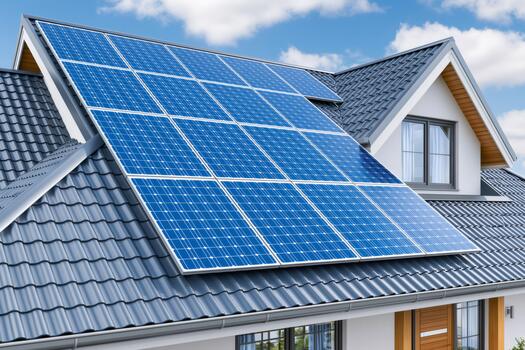
Solar panels are one of the best investments a homeowner can make. They cut electricity bills by an average of $1,500 per year, add thousands of dollars in home value, and last 25 to 30 years with very little upkeep. According to EnergySage, homeowners save between $37,000 and $154,000 over the lifetime of their system. Whether you want lower monthly bills, a higher home value, or a cleaner energy source, installing solar panels delivers real, measurable value on every front.
This article covers everything you need to know about the value of solar panels, from long-term savings and home value increases to maintenance, payback periods, and how solar performs in different weather conditions.
Is Installing Solar Really Worth It?
Yes, installing solar is really worth it for the large majority of homeowners. The primary financial benefit is the reduction or elimination of your monthly electricity bill. According to the U.S. Energy Information Administration, the average American household spends about $162 per month on electricity. A properly sized solar system can cover all or most of that cost.
According to data from SolarReviews, the average payback period for a residential solar installation in the United States is about 10 years. Since most solar panels are warrantied for 25 years and often continue producing power beyond 30 years, that leaves 15 or more years of essentially free electricity after the system pays for itself.
A study by the National Renewable Energy Laboratory found that home value increases by about $20 for every $1 of annual utility savings from a solar system. That means if your panels save you $1,500 per year, your home could gain $30,000 in value. This makes solar one of the few home improvements that pays for itself and then some.
How Much Do Solar Panels Save on Electric Bills?
Solar panels save the average American household approximately $1,500 per year on electric bills, according to SolarReviews. Monthly savings range from about $80 to $177 depending on your state, local electricity rates, and the size of your system.
The savings are even higher in states with expensive electricity. Florida residents, for example, deal with rising utility rates year after year. According to the U.S. Energy Information Administration, the national average residential electricity rate hit $0.18 per kilowatt-hour as of late 2025. In states with rates above that average, annual savings climb quickly.
Over the long term, these savings add up fast. EnergySage data shows that most homeowners save between $37,000 and $154,000 over 25 years. This range depends on your location, system size, and how much electricity rates go up over time. Electricity costs have risen about 32% over the past decade, according to EnergySage, so locking in your own power source protects you from future rate hikes.
Do Solar Panels Get Rid of Your Electric Bill?
Solar panels can get rid of most or all of your electric bill, but most homeowners will still see a small monthly charge. That is because utility companies charge fixed customer fees, delivery charges, and taxes that solar production does not offset. These fees typically run between $10 and $25 per month.
If your system is sized to cover 100% of your electricity usage, you may see a bill that is close to zero for the energy portion. Net metering programs, which are available in Florida, allow you to send excess power back to the grid in exchange for bill credits. This helps balance out months when your panels produce more than you use with months when you need a little extra from the grid.
According to Aurora Solar's 2025 Solar Snapshot, 72% of homeowners say reducing their electricity bills is the primary reason they go solar. A solar energy system sized correctly for your home can virtually eliminate the energy portion of your bill.
How Much Do Solar Panels Increase Home Value?
Solar panels increase home value by an average of 4% to 7%, depending on location, system size, and local electricity rates. A 2024 study by SolarReviews found that homes with solar panels sold for an average of 6.8% more than comparable homes without solar. On a home worth $400,000, that adds roughly $27,200 in value.
The Lawrence Berkeley National Laboratory conducted the largest study on this topic, analyzing about 22,000 home sales across eight states. That research found that solar panels add roughly $4 per watt of installed capacity to a home's sale price. For a typical 6-kilowatt system, that comes out to about $24,000 in added value.
Zillow's research supports this, showing that homes with solar installations sold for an average of 4.1% more than comparable homes without solar. The key factor is that the system must be owned, not leased. Leased solar panels typically add little or no value because the buyer has to take over the lease agreement.
Are Solar Panels Attractive to Home Buyers?
Yes, solar panels are attractive to home buyers. A study by the National Renewable Energy Laboratory found that homes with solar sell about 20% faster than comparable homes without it. Buyers are drawn to the prospect of lower or eliminated electricity bills, especially in areas with high and rising utility rates.
According to a Pew Research Center survey, 46% of homeowners have considered installing solar panels. This growing interest means more and more buyers actively look for homes with existing solar systems. In South Florida, where air conditioning costs drive up electricity bills for much of the year, a home with solar is especially appealing to buyers who want predictable energy costs.
How Long Do Solar Panels Last?
Solar panels last 25 to 30 years on average, and many continue producing electricity well beyond that. A survey of U.S. solar industry professionals by the Lawrence Berkeley National Laboratory found that the average operational lifespan of a solar panel has increased from about 20 years in 2007 to 25 to 35 years in 2025.
Modern monocrystalline solar panels, which are the most common type installed today, can last up to 40 years. They degrade slowly over time at an average rate of about 0.5% per year, according to the National Renewable Energy Laboratory. That means after 25 years, most panels still produce about 85% to 90% of their original output.
Some manufacturers now offer warranties up to 40 years, which reflects the growing confidence in panel durability. Inverters, which convert the electricity your panels produce into usable power for your home, typically last 10 to 15 years and will likely need to be replaced once during the system's lifetime. A well-maintained solar battery backup system can add even more years of value to your setup.
What Is the Average Payback Period for Solar Panels?
The average payback period for solar panels in the United States is about 10 years, according to EnergySage. Some homeowners break even in as few as five years, while others take closer to 15 years, depending on system cost, electricity rates, and available incentives.
After the payback period, every dollar of savings is profit. Since most systems last 25 years or more, that gives homeowners 15 or more years of free electricity. EnergySage reports that the average shopper saves about $61,093 over 25 years after accounting for the initial investment.
The payback period depends on several factors. Higher electricity rates mean faster payback because each kilowatt-hour your panels produce saves you more money. System size matters too. A system that covers 100% of your electricity usage will pay for itself faster than one covering only 50%. According to data from the A1 Solar Store, the average annual return on investment for residential solar in the United States ranges from 10% to 15%, which outperforms the stock market's historical average of 8% to 10%.
Can Solar Panels Work on Cloudy Days?
Yes, solar panels can work on cloudy days. They still generate electricity from diffused sunlight that passes through cloud cover, though their output drops to about 10% to 25% of their normal production on overcast days, according to Verde Solutions. Panels do not need direct sunlight to produce power; they just need light.
Interestingly, cooler temperatures on cloudy days can actually help panels perform better. According to data from PowerOutage.us, photovoltaic modules run more efficiently below about 77 degrees Fahrenheit. Above that temperature, heat reduces voltage and lowers output. So a cool, partly cloudy day can sometimes produce surprising results.
Rain also helps, not hurts, your solar investment. Rain washes away dust, pollen, and bird droppings that can block light and reduce efficiency. In South Florida, where afternoon rain showers are common, this natural cleaning keeps panels performing well year-round. Over the course of a full year, even areas with regular cloud cover produce enough solar energy to make the investment worthwhile.
Does Rain Affect Solar Panels?
Rain does affect solar panels by temporarily reducing their output, but it also provides a major benefit. According to Enphase Energy, rain acts as a natural cleaning mechanism, rinsing away dirt and debris that can lower panel efficiency over time. The small dip in production during a rainstorm is more than made up for by the cleaner panel surface afterward.
Solar panels still produce some electricity during rain because light still passes through rain clouds. The drop in output is temporary and minor compared to the overall annual production. Florida gets an average of 230 to 250 days of sunshine per year, according to EnergySage, which means the occasional rainy day barely makes a dent in your overall savings.
What Maintenance Do Solar Panels Require?
Solar panels require very little maintenance. They have no moving parts, are built from tempered glass and anodized aluminum, and are designed to withstand decades of weather exposure. According to Solar.com, the main maintenance task is occasional monitoring to make sure all panels are producing at expected levels.
Cleaning is simple and often unnecessary. Duane Wright, president of Fused Solar and Roofing, told EnergySage that "as long as it rains enough to remove bird droppings, dust, and pollen, that's pretty much all the maintenance needed." For homeowners in areas with regular rainfall, nature does most of the work.
If panels do need cleaning, SolarReviews recommends doing it two to four times per year using a garden hose or soft-bristled brush. Professional cleaning services are available but optional. The biggest ongoing expense is the inverter, which typically lasts 10 to 15 years and will likely need one replacement during the life of the system. Regular solar panel repair and inspection keeps everything running at peak performance.
Why Is My Bill So High If I Have Solar?
Your bill may still be high with solar if your system is undersized for your electricity usage, if your energy consumption has increased, or if fixed utility charges are adding up. Solar panels only offset the energy portion of your bill. Fixed customer charges, delivery fees, and taxes remain on your bill regardless of how much solar power you produce.
Another common reason is a change in household energy use. If you added a new appliance, started working from home, or increased your air conditioning use, your electricity consumption may have gone up since your system was installed. According to EnergySage, if your bill suddenly increases and your usage has not changed, you should contact your installer to inspect the system for any performance issues.
Net metering credits can also cause confusion. In some billing cycles, you may use more than you produce and carry a balance. In other months, especially sunny ones, you may produce more than you use and earn credits. The annual balance usually works out, but individual monthly bills can look higher than expected.
Solar Panel Value Comparison by Key Metrics
MetricAverage ValueSourceAnnual electricity savings$1,500 per yearSolarReviewsLifetime savings (25 years)$37,000 to $154,000EnergySageHome value increase4% to 6.8%Zillow, SolarReviewsAdded home value (dollar amount)$15,000 to $29,000Lawrence Berkeley National LabAverage payback period~10 yearsEnergySagePanel lifespan25 to 35 yearsU.S. Department of EnergyAnnual degradation rate0.5% per yearNRELAverage annual ROI10% to 15%A1 Solar StoreCloudy day output10% to 25% of normalVerde SolutionsHomes selling faster with solar20% fasterNREL
Sources: SolarReviews (2024), EnergySage (2025-2026), Zillow (2019), Lawrence Berkeley National Laboratory, U.S. Department of Energy (2025), National Renewable Energy Laboratory, A1 Solar Store, Verde Solutions.
How Much Faster Do Homes Sell With Solar?
Homes with solar sell about 20% faster than comparable homes without solar, according to a study by the National Renewable Energy Laboratory based on California subdivision data. Buyers see solar as a built-in upgrade that saves them money from day one, which makes these homes more competitive in the market.
This faster sale time is especially meaningful in markets where electricity costs are high and rising. Florida is the third-largest electricity consumer in the nation, according to the U.S. Energy Information Administration, and utility rates continue to climb. A home with an owned solar system gives buyers immediate relief from those rising costs, making it a strong selling point.
The combination of higher sale price and faster sale time makes solar one of the most valuable home improvements you can make. Unlike a kitchen remodel or bathroom renovation, which typically recover only 50% to 70% of their cost at resale, solar panels can recover 100% or more of the investment through combined energy savings and added home value.
Is It a Bad Idea to Buy a House With Leased Solar Panels?
Buying a house with leased solar panels is not always a bad idea, but it does come with complications. When solar panels are leased, the buyer must qualify for and agree to take over the existing lease. This adds an extra step to the closing process and can narrow the pool of interested buyers.
Leased panels typically add little or no appraised value to the home. According to Opendoor, the value premiums from solar apply mainly to owned systems. With a lease, you get the benefit of lower electricity bills, but you do not own the equipment and cannot claim it as a home improvement.
If you are buying a home with a leased system, review the lease terms carefully. Look at the monthly payment, the escalation rate (how much the payment increases each year), the remaining term, and what happens at the end of the lease. If the terms are favorable and the monthly payment is less than what you would spend on electricity, the lease can still provide value.
How Does Solar Add Value for Homeowners in Florida?
Florida is one of the best states in the country for solar energy. According to Climate Central, Florida generated 30,131 gigawatt-hours of solar energy in 2025, ranking third in the nation behind only California and Texas. The state averages 230 to 250 days of sunshine per year, and the Florida Solar Energy Industries Association reports that more than 286,000 solar systems have already been installed statewide.
Florida also offers some strong financial incentives. The state exempts solar equipment from its 6% sales tax, and Florida's Property Tax Exclusion for Residential Renewable Energy means your property taxes will not go up even though solar adds value to your home. Net metering is available through Florida's major utilities, allowing homeowners to earn credits for excess power sent back to the grid.
Combining solar with other energy-efficient upgrades amplifies the value. Pairing impact windows with a solar system, for example, reduces the total amount of energy your home needs while also protecting against storms. This combination lowers electricity demand, increases savings, and adds significant resale value.
Is It Possible to Live 100% Off Grid?
Yes, it is possible to live 100% off grid with solar panels, but it requires a significant investment in both panels and battery storage. An off-grid system must produce and store enough electricity to power your home around the clock, including at night and during extended cloudy periods.
Most homeowners who go solar choose to stay connected to the grid. Grid-tied systems are simpler, less expensive, and allow you to use net metering to balance your production and consumption over the year. Going fully off grid makes more sense for rural properties or areas with unreliable grid power.
For homeowners who want backup power without going fully off grid, a solar battery storage system is a good middle ground. It stores excess energy produced during the day for use at night or during power outages, which is especially valuable during hurricane season in South Florida.
What Factors Affect the Value of Solar Panels?
Several factors determine how much value solar panels add to your home and how much you save over time.
System Size and Energy Offset
A system that covers 100% of your electricity usage delivers the most value. Undersized systems still save money, but the savings and home value increase are proportionally smaller. According to EnergySage, the typical American home needs about 12 kilowatts of solar capacity to meet its full electricity needs.
Local Electricity Rates
Higher electricity rates mean bigger savings. In states where rates are climbing fast, the value of solar increases every year because your locked-in solar power becomes cheaper relative to grid electricity. Florida is the third-largest electricity consumer in the nation, according to the EIA, and rates have been trending upward.
Roof Condition and Orientation
Your roof needs to be in good condition before solar installation. A south-facing roof with minimal shading produces the most energy. If your roof needs replacing soon, it makes sense to handle both projects together. A new metal roof paired with solar panels is a combination that maximizes energy savings and durability.
Ownership vs. Lease
Owned solar systems deliver the full financial benefit, including home value increases, tax incentives, and complete bill savings. Leased systems provide lower monthly bills but do not add the same resale value. If maximizing the investment is your goal, owning the system is the better path.
Frequently Asked Questions
How Much Is a Solar System for a 2000 Sq Ft House?
A solar system for a 2,000 square foot house typically ranges from about $15,000 to $25,000 before incentives, depending on electricity usage and local pricing. According to ConsumerAffairs, the average cost per watt is between $2 and $3, and most homes of this size need a system between 6 and 10 kilowatts. The actual size depends on how much electricity the household uses, not just the square footage of the home.
How Long Does It Take for Solar Panels to Pay for Themselves?
Solar panels take an average of about 10 years to pay for themselves in the United States, according to EnergySage. The payback period can be as short as five years in areas with high electricity rates and strong incentives, or as long as 15 years in areas with lower rates. After the payback period, the electricity your panels produce is essentially free for the remaining 15 or more years of the system's life.
Do Solar Panels Reduce Your Carbon Footprint?
Yes, solar panels reduce your carbon footprint by replacing electricity generated from fossil fuels with clean, renewable energy. According to the U.S. Department of Energy, the average residential solar system offsets about 3 to 4 tons of carbon dioxide per year. Over 25 years, that adds up to roughly 75 to 100 tons of avoided emissions, which is equal to planting thousands of trees.
What Happens to Solar Panels After 25 Years?
Solar panels do not stop working after 25 years. They continue producing electricity, just at a slightly reduced rate. According to the National Renewable Energy Laboratory, panels degrade at about 0.5% per year, so after 25 years, they still produce about 85% to 90% of their original output. Many homeowners continue using their panels well past the 25-year warranty period.
Why Is My Electric Bill So High If I Have Solar Panels?
Your electric bill may be high with solar panels if your system is undersized, your energy consumption has increased, or fixed utility charges are adding up. According to EnergySage, fixed customer charges, delivery fees, and taxes remain on your bill even if your panels produce enough energy to cover all your usage. If you notice a sudden spike in your bill, contact your installer to check for system performance issues.
What Is the Biggest Downside to Solar Electricity?
The biggest downside to solar electricity is the upfront cost. According to ConsumerAffairs, solar panel installations typically range from about $14,000 to $28,000 in 2026. However, this cost is offset over time by electricity savings, and most systems pay for themselves within about 10 years. After that, the power they produce is essentially free.
Are Solar Panels Worth It Without the Tax Credit?
Yes, solar panels are still worth it without the federal tax credit for most homeowners. According to SolarReviews, the primary financial driver is the cost of grid electricity, which continues to rise. Even without the 30% federal credit, which expired for new customer-owned systems at the end of 2025, third-party-owned systems like leases and power purchase agreements still offer federal incentives through 2027. Rising utility rates and state-level incentives continue to make solar a strong investment.
Putting It All Together
Solar panels deliver real, measurable value at every stage of ownership. They cut electricity bills by an average of $1,500 per year, add 4% to 7% to your home's sale price, and last 25 to 35 years with almost no maintenance. The average payback period is about 10 years, leaving 15 or more years of free electricity. For homeowners in Florida, where sunshine is abundant and electricity costs keep climbing, the value is even stronger.
If you are thinking about going solar, the best first step is to get a clear picture of what a system would look like for your home. ASP SuperHomes can help you figure out the right system size, explore your options, and get started with a free estimate.
Meet With a Project Manager
Your first conversation is with a Project Manager who takes the time to understand your goals, walk you through your options, and stays connected throughout your project — from the initial consultation through the final walkthrough.
.avif)
.avif)
.avif)
%201.avif)
Insights & Resources
Stay informed with expert tips on roofing materials, hurricane codes, repairs, and South Florida construction standards.


%201.avif)
%201%20(1).avif)

%201.svg)
%201%20(1)%20(1).png)
.png.png)
.png%20(1).png)
.png%20(2).png)
.avif)
.avif)


.png)
.svg)
.png)