


Roofing Contractor Costs
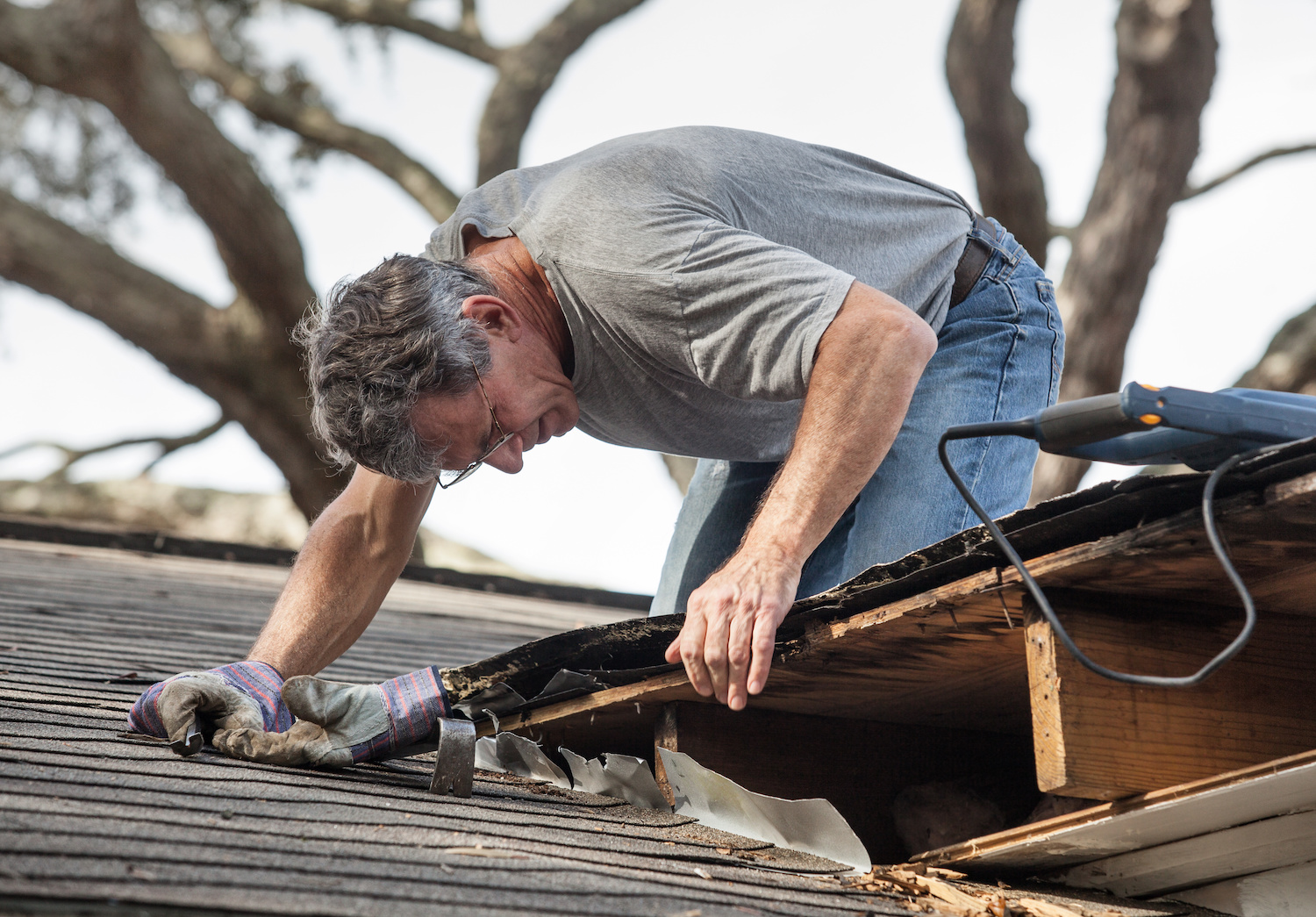

Roofing contractor costs range from about $5,700 to $16,000 for an average asphalt shingle roof replacement, according to HomeGuide. The total depends on your roof size, the material you choose, the pitch and complexity of your roof, and local labor rates. Labor alone makes up 50% to 60% of the total project cost, according to Modernize, which is why picking the right contractor matters just as much as picking the right material.
This article breaks down everything that goes into roofing costs, from material comparisons and labor breakdowns to what drives hidden expenses and how a new roof affects your home's value. Whether you need a full replacement or you are trying to figure out if a repair makes more sense, this guide gives you the numbers you need to plan ahead.
How Much Does a Roofing Contractor Charge for a New Roof?
A roofing contractor charges between $4 and $11 per square foot for a new roof, including materials and labor, according to NerdWallet. For most homes, that adds up to between $9,000 and $18,000 for a standard asphalt shingle replacement. The national average sits around $15,439, according to a 2026 survey by This Old House, though prices vary widely depending on where you live and what material you choose.
Several factors push that number up or down. A simple, single-story roof with a low pitch costs less than a steep, multi-story roof with dormers, skylights, and chimneys. According to Angi, steeper slopes can add $1,000 to $3,000 in extra labor and material costs because the crew needs additional safety equipment and more time on the job.
Geographic location also plays a big role. According to Roofing SEO Agency's industry statistics report, roofing costs in the Northeast and West run up to 15% higher than the national average, while costs in the South can be up to 20% lower. In South Florida, where building codes require impact-rated materials in many areas, costs may lean toward the higher end of the range.
What Is the Most Expensive Part of Replacing a Roof?
The most expensive part of replacing a roof is labor. According to a 2026 roofing survey by This Old House, labor was the single largest cost factor, accounting for 65% of total roofing project costs. HomeGuide reports a slightly more conservative range of 50% to 70%, depending on the roof's complexity and the contractor's pricing model.
Labor costs run between $2.50 and $6.00 per square foot for standard installations, according to Modernize. For a 2,000-square-foot roof replacement totaling $14,000, roughly $4,500 to $9,000 of that goes to labor alone. Steeper roofs, multi-story homes, and complex roof designs with valleys and penetrations all drive labor higher because they require more skill, more time, and more safety precautions.
After labor, materials are the next biggest expense. Standard three-tab asphalt shingles are the most affordable option. Premium materials like metal roofing, tile, and slate cost significantly more per square foot but last two to three times longer. The choice between spending less now or investing more for a longer-lasting roof is one of the biggest decisions homeowners face.
How Much Does a 2000 Sq Ft Shingle Roof Cost?
A 2,000 square foot shingle roof costs between $8,000 and $16,000, according to Modernize. Standard three-tab asphalt shingles fall on the lower end at about $4.50 to $7.50 per square foot installed, while architectural shingles range from $6.00 to $9.00 per square foot. Premium asphalt that mimics the look of wood or slate can run up to $16.00 per square foot.
According to Roofing SEO Agency, the typical asphalt shingle roof for a 2,000-square-foot home costs about $9,858, which works out to roughly $4.46 per square foot. That number includes both materials and labor. If the old roof needs to be torn off first, expect an additional $1,000 to $3,000 for removal and disposal, according to Ridge Top Exteriors.
The final cost also depends on what is found under the old shingles. If the roof deck has water damage or rot, repairs can add $1,000 to $10,000, depending on how widespread the damage is. A good roofing contractor will inspect the decking during tear-off and give you an honest update before proceeding.
Is $25,000 a Lot for a New Roof?
Whether $25,000 is a lot for a new roof depends on the size of the roof, the material, and your location. For a standard asphalt shingle roof on an average-sized home, $25,000 would be on the high side. But for a metal, tile, or slate roof, or for a larger home with a complex roof design, $25,000 falls squarely within the normal range.
According to FoxHaven Roofing, the average cost of a new roof in 2026 ranges from $9,800 to $41,800 for a standard 2,000-square-foot home. Most homeowners with asphalt shingles spend between $15,000 and $20,000. A standing seam metal roof costs $9 to $16 per square foot installed, which can easily reach $25,000 or more on a mid-sized home.
The better question is whether the investment makes sense for your situation. A $25,000 metal or tile roof that lasts 50 to 70 years costs less per year of service than a $10,000 asphalt roof that needs replacing in 20 years. According to the 2025 Journal of Light Construction Cost vs. Value report, a new asphalt shingle roof offers a 68% return on investment at resale, while a new metal roof offers about 50% ROI but delivers far greater longevity and energy savings over time.
Does a New Roof Increase Home Value?
Yes, a new roof does increase home value. A new roof typically adds 60% to 70% of its replacement cost to your home's market value, according to FoxHaven Roofing. On a $15,000 roof replacement, that translates to roughly $9,000 to $10,500 in added value. Beyond the raw numbers, a new roof makes your home significantly more attractive to buyers.
According to the Cost vs. Value 2024 Report by JLC Online, asphalt roof replacement delivers an ROI of about 60.7% nationally. Metal roofs deliver closer to 48.1% in immediate ROI but add value in other ways, including energy savings of 7% to 15% on heating and cooling costs, according to GM Exteriors, and insurance discounts of 5% to 35% for newer, more durable roofing systems.
Homes with new roofs also sell faster. According to FoxHaven Roofing, homes with new roofs sell 30% faster on average and command higher asking prices. A damaged or aging roof is one of the first things that turns buyers away, so addressing it before listing puts you in a much stronger position at the negotiation table.
What Is the Average Lifespan of a Roof?
The average lifespan of a roof depends on the material. Standard three-tab asphalt shingles last 15 to 20 years. Architectural shingles last 25 to 30 years. Metal roofs last 40 to 70 years. Clay and concrete tiles last 50 to 100 years. Slate roofs can last over 100 years, according to Amstill Roofing.
Climate, installation quality, and maintenance all affect how long any roof actually lasts. According to the Asphalt Roofing Manufacturers Association, premature asphalt shingle failure is most often linked to poor ventilation or improper installation, not the material itself. That is why choosing a licensed and experienced contractor is just as important as choosing the right material.
In South Florida, where intense sun, humidity, and hurricane-force winds put roofs to the test, material durability matters even more. A tile roof or metal roof rated for high winds provides far better long-term protection than a basic shingle in this climate.
What Is the Most Durable Roofing Type?
The most durable roofing type is slate, which can last over 100 years with proper installation and maintenance, according to Amstill Roofing. Slate is naturally resistant to fire, rot, and insect damage. It also handles extreme weather well, including heavy rain, snow, and high winds.
Clay and concrete tiles are the next most durable, typically lasting 50 to 100 years. Metal roofing follows close behind at 40 to 70 years, with copper roofs lasting up to 100 years. According to the Tile Roofing Institute, clay tiles are highly resistant to fire and shed water effectively, making them a popular choice in warm climates like Florida.
While slate and tile carry higher upfront costs, their longevity makes them cheaper per year of service. According to A1 Solar Store, a basic asphalt roof costing $10,000 that lasts 20 years works out to $500 per year. A metal roof costing $20,000 that lasts 50 years costs just $400 per year. The longer the roof lasts, the lower your cost of ownership over time.
Roofing Material Cost Comparison
MaterialCost Per Sq Ft (Installed)Average LifespanROI at Resale3-Tab Asphalt Shingles$3.00 to $5.0015 to 20 years~61%Architectural Shingles$4.00 to $6.0025 to 30 years~68%Metal (Standing Seam)$9.00 to $16.0040 to 70 years~50%Clay/Concrete Tile$7.00 to $25.0050 to 100 years65% to 75%Slate$10.00 to $30.0075 to 200 yearsVaries by marketWood Shake$9.00 to $14.0030 to 40 years~50%
Sources: HomeGuide (2026), Modernize (2026), JLC Online Cost vs. Value 2024 Report, Amstill Roofing, FoxHaven Roofing, A1 Solar Store.
What Is the Cheapest Time of Year to Get a New Roof?
The cheapest time of year to get a new roof is during late winter or early spring, before the busy season starts. According to GM Exteriors, labor demand during late summer and fall can inflate labor costs by an additional 15% to 25%. On a $14,000 roof replacement, that can mean paying an extra $2,100 to $3,500 just because of timing.
Most roofing contractors are busiest from late spring through fall, and demand spikes even higher after major storm events. If your roof is not actively leaking or failing, scheduling the work during the off-season can save you a meaningful amount. Many contractors are also more willing to negotiate on pricing when their schedule is slower.
That said, weather plays a role. Asphalt shingles need temperatures above 40 degrees Fahrenheit to seal properly, so winter installations work better in warmer climates. In South Florida, where temperatures stay mild year-round, homeowners have more flexibility to schedule work during slower periods without worrying about weather delays.
Is It Cheaper to Put New Shingles Over Old Shingles?
Yes, it is cheaper to put new shingles over old shingles because you skip the tear-off and disposal step, which saves about $1,000 to $3,000 on a typical job, according to Ridge Top Exteriors. This approach is called a roof-over or overlay. It works only if the existing roof has just one layer of shingles and the underlying deck is in good condition.
However, most roofing professionals recommend against it. According to Ridge Top Exteriors, an overlay prevents inspection of the roof deck for rot and water damage, adds excessive weight to the structure, and can void material warranties. Most building codes limit roofs to a maximum of two layers. A full tear-off followed by a proper replacement gives you a longer-lasting roof and better protection against future problems.
What Hidden Costs Arise During Roof Work?
Hidden costs during roof work most often come from problems found after the old roof is removed. The most common surprise is damaged or rotted roof decking, which costs $2 to $5 per square foot to replace, according to HomeGuide. On a roof with widespread damage, decking repairs alone can add $1,000 to $10,000 to the project.
Other hidden costs include permits and inspections, which typically run $100 to $500 depending on your city. According to Angi, some homeowners associations require pre-approval of shingle color or style, which can add time and potential fees to the process. If the roof has structural issues like damaged trusses, truss replacement runs $5 to $14 per square foot, according to HomeGuide.
Flashing replacement around chimneys, vents, and skylights is another common add-on. New flashing costs $400 to $1,000, according to HomeGuide. Drip edge installation runs $1.50 to $3.00 per linear foot. A detailed written estimate from your contractor should include all of these potential line items so you can plan for them upfront. We always recommend asking your contractor to spell out what is and is not included in the quote before any work begins.
What Color Roof Increases Home Value?
Neutral roof colors like charcoal, dark gray, black, and weathered wood tones tend to increase home value the most because they appeal to the widest range of buyers. These colors complement most exterior paint colors and architectural styles, which makes the home easier to sell.
According to real estate and roofing professionals, the key is to choose a color that coordinates with the home's overall exterior. A roof that clashes with the siding, trim, or neighborhood style can actually hurt curb appeal. In warm climates, lighter-colored roofs reflect more sunlight and reduce cooling costs, which adds both comfort and financial value.
Energy-efficient "cool roof" materials in lighter shades can reduce cooling costs by 7% to 15%, according to GM Exteriors. In South Florida, where air conditioning runs for much of the year, a reflective metal tile roof in a light color can deliver real savings on top of the curb appeal boost.
How to Tell If a Roofer Is Overcharging
The best way to tell if a roofer is overcharging is to get at least three detailed estimates from licensed contractors and compare them side by side. According to HomeGuide, you should look for itemized breakdowns that separate labor, materials, tear-off, disposal, permits, and any structural repairs. If one quote is significantly higher or lower than the others, ask why.
A quote that seems too low can be just as risky as one that is too high. According to RoofingCalculator.com, a low quote may mean the contractor is using subpar materials, cutting corners on installation, or planning to hit you with surprise charges once the roof is open. A reputable contractor will offer a 10-year or longer workmanship warranty and carry proper licensing and insurance.
Red flags include contractors who demand full payment upfront, refuse to provide a written estimate, or pressure you into signing on the spot. According to Angi, you should choose insured and bonded companies with at least five years of experience and check reviews on platforms like Google and the Better Business Bureau. A commercial roofing project or a complex residential job demands even more scrutiny of contractor qualifications.
Is Roof Replacement Tax Deductible?
Roof replacement is generally not tax deductible for a primary residence. The IRS treats a new roof as a capital improvement, not a repair, so it adds to your home's cost basis and can reduce your capital gains tax when you sell the home in the future. It does not lower your taxes in the year you pay for it.
There are exceptions. If you use part of your home as a business or home office, you may be able to deduct a proportional share of the roof replacement cost. If the roof was damaged by a federally declared disaster, you may qualify for a casualty loss deduction. Energy-efficient roofing materials may also qualify for certain federal or state incentives, though the specifics change frequently. A tax professional can help you figure out what applies to your situation.
Even without a direct tax deduction, the financial benefits of a new roof are significant. Lower energy bills, reduced insurance premiums, increased home value, and fewer repair costs all add up over the life of the roof. Pairing a new roof with impact windows can also unlock additional insurance discounts in Florida, making the combined investment even more worthwhile.
Frequently Asked Questions
How Much Does It Cost to Roof a 3 Bedroom House?
The cost to roof a 3 bedroom house typically ranges from $7,000 to $16,000 for asphalt shingles, depending on the home's total roof area. Most 3-bedroom homes have between 1,500 and 2,200 square feet of roof space. According to Modernize, replacing a roof on a 1,500-square-foot home costs $7,000 to $15,000, while a 2,200-square-foot home runs $9,000 to $18,000. Roof pitch, material choice, and local labor rates all affect the final number.
What Is the 25% Rule for Roofing?
The 25% rule for roofing is a general guideline that says if more than 25% of your roof is damaged, it usually makes more financial sense to replace the entire roof rather than repair it section by section. Repeated repairs on an aging roof can cost nearly as much as a full replacement over time while leaving you with a patchwork surface that is more prone to future leaks.
Can You Negotiate the Price of a New Roof?
Yes, you can negotiate the price of a new roof. Getting multiple quotes gives you leverage, and many contractors are willing to offer a discount if you schedule during their slower season or pay in cash. According to Angi, scheduling work outside the peak season of late spring through fall can lead to lower labor rates. Just make sure any discounted price does not come with reduced material quality or skipped steps like deck inspection.
What Damages the Roof the Most?
Wind, hail, and standing water damage roofs the most. High winds can lift and tear shingles, exposing the underlayment to rain. Hail creates impact damage that weakens shingles and shortens their lifespan. Standing water from clogged gutters or poor drainage causes rot in the decking and leads to leaks over time. In South Florida, hurricanes and intense UV exposure are among the biggest threats to roof longevity.
What Not to Say to a Roof Insurance Adjuster?
Do not tell a roof insurance adjuster that the damage was pre-existing, that you have already started repairs before the inspection, or that you are willing to accept whatever they offer without review. Stick to the facts about when and how the damage occurred. Document everything with photos and a professional inspection report before the adjuster arrives. Having your contractor present during the inspection can help make sure all damage is properly documented.
How Much Does It Cost to Roof a House in Florida?
The cost to roof a house in Florida ranges from about $8,000 to $25,000 or more for a standard home, depending on material and roof size. Florida's building code requires roofing materials to meet specific wind-resistance ratings, which can push costs slightly higher than the national average. According to Ridge Top Exteriors, hurricane-force wind requirements in Florida impact both material selection and installation methods, which adds to the total. Many homeowners in Florida choose shingle replacement or metal roofing for the best balance of cost and storm protection.
How Long Does a Roof Replacement Take?
A roof replacement takes one day to a week or longer, depending on roof size, material, complexity, weather, and crew size. According to This Old House, the most time-consuming part of the process is often the scheduling, permit approval, and insurance coordination that happens before the crew even arrives. A straightforward asphalt shingle replacement on a single-story home can often be completed in one to two days, while tile or metal installations take longer.
The Takeaway
Roofing contractor costs come down to a few key factors: your roof's size and complexity, the material you choose, and the quality of the contractor you hire. Labor accounts for the biggest share of the expense, which is why working with a licensed, experienced team is the most important decision you can make. A cheap installation that fails early costs far more in the long run than doing the job right the first time.
If you are thinking about a roof replacement and want to know exactly what it would cost for your home, ASP SuperHomes can walk you through your options and provide a clear, detailed estimate. Give us a call at 786-933-9815 to get started.
Meet With a Project Manager
Your first conversation is with a Project Manager who takes the time to understand your goals, walk you through your options, and stays connected throughout your project — from the initial consultation through the final walkthrough.
.avif)
.avif)
.avif)
%201.avif)
Insights & Resources
Stay informed with expert tips on roofing materials, hurricane codes, repairs, and South Florida construction standards.


%201.avif)
%201%20(1).avif)
%201.svg)
%201%20(1)%20(1).png)
.png.png)
.png%20(1).png)
.png%20(2).png)
.avif)
.avif)


.png)
.svg)
.png)