


Common Window Installation Mistakes
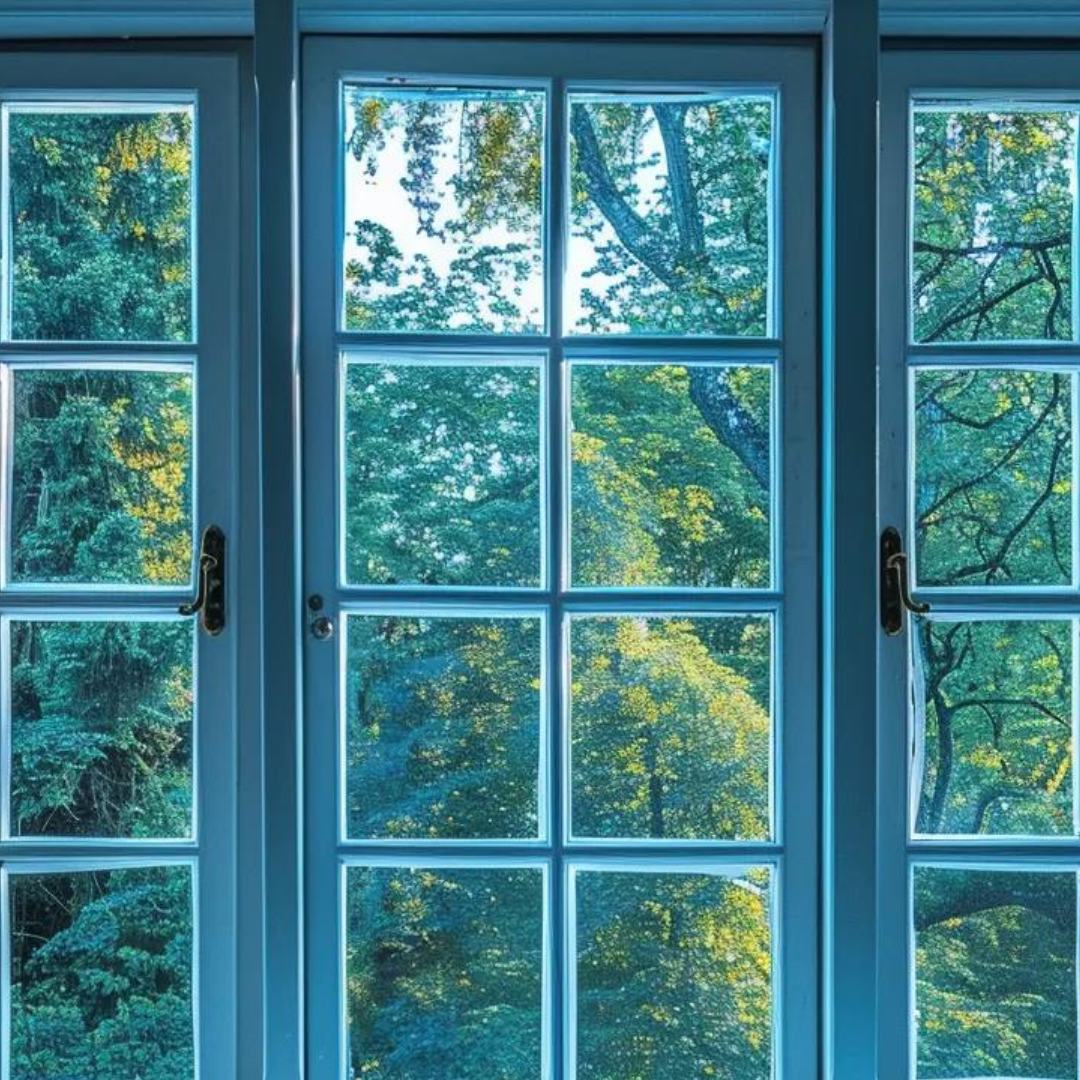

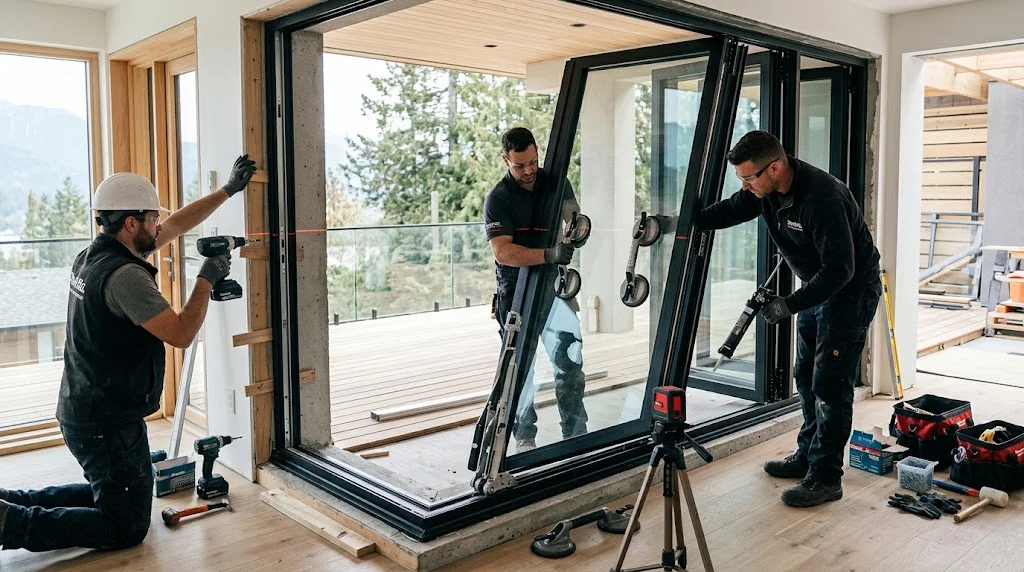
The most common window installation mistakes include incorrect measurements, poor sealing and waterproofing, skipping flashing tape, failing to check for level and plumb, using too much expanding foam, ignoring manufacturer instructions, and hiring unlicensed installers. Even the best impact window will fail if it is installed wrong. According to the U.S. Department of Energy, proper window installation can improve a home's energy efficiency by up to 30%. In South Florida, where hurricanes, heavy rain, and extreme heat test every window daily, bad installation can lead to water damage, mold growth, voided warranties, failed inspections, and a home that is not protected when the next storm hits. This guide covers the biggest installation mistakes homeowners should know about and how to avoid them.
What Are Common Window Installation Mistakes?
The common window installation mistakes are incorrect measurements, poor sealing, missing flashing, out-of-level framing, excessive spray foam, blocked drainage channels, skipped manufacturer instructions, and hiring unqualified installers. Each of these mistakes creates problems that get worse over time and can cost thousands to fix. Incorrect measurements are the most frequent starting point for installation failures. Even a quarter-inch difference between the rough opening and the window frame creates gaps that allow air and water to bypass the seal. According to multiple window manufacturers, measurement errors are the single most common reason for callbacks after installation. Poor sealing and waterproofing is the second biggest problem. Skipping flashing tape, applying caulk unevenly, or leaving gaps around the frame invites water into the wall cavity. In South Florida's heavy rain environment, water intrusion behind a window frame can cause hidden rot and mold within weeks. According to the Indoor Air Quality Scientific Findings Resource Bank, nearly 47% of American homes have some form of mold, and improperly sealed windows are a major contributor. Using too much expanding spray foam is a mistake that surprises many homeowners. High-expansion foam can bow window jambs, distort the frame, and actually trap water inside the wall instead of letting it drain out. Low-expansion foam applied carefully is the correct approach. Filling the entire cavity around the window perimeter with foam can also prevent water that does get in from escaping back to the outdoors. South Florida homeowners who want to avoid these problems should only work with licensed contractors who specialize in residential impact windows and understand the strict requirements of the Florida Building Code.
Can Windows Be Installed Incorrectly?
Yes, windows can absolutely be installed incorrectly, and it happens more often than most homeowners realize. A window that looks fine from the inside can still have serious installation problems hidden behind the trim and in the wall cavity. The consequences of a bad installation range from minor annoyances like drafts to major structural damage from water intrusion. Common signs of incorrect installation include drafts near closed windows, condensation or fog between the panes, water stains on the wall around the frame, difficulty opening or closing, visible gaps between the frame and the wall, uneven or crooked alignment, and messy or crumbling caulk lines. In South Florida, incorrect installation has an additional consequence that homeowners in other states do not face. Impact windows that are not installed to the Florida Building Code will not pass the required building inspection. A failed inspection means your permit stays open, your insurance company may not apply wind mitigation discounts, and your home may not be protected during a hurricane. According to the Florida Building Code, all impact window installations in the High Velocity Hurricane Zone (HVHZ), which includes Miami-Dade and Broward counties, must be performed by licensed contractors using approved products with a valid Miami-Dade Notice of Acceptance (NOA) or Florida Product Approval number. Inspectors check that the installed products match the approved models on the permit. They verify fastening patterns, anchoring depth, sealant, and flashing to confirm the windows are watertight and structurally sound. Homeowners who suspect their windows were installed incorrectly should contact a licensed professional for an evaluation. In many cases, the windows can be re-sealed or adjusted. In severe cases, full reinstallation is necessary. Working with an experienced company that handles impact windows and doors from the start prevents these problems entirely.
How to Tell If a Window Is Installed Correctly?
You can tell if a window is installed correctly by checking for smooth operation, tight seals, proper alignment, no drafts, no water leaks, and a clean finished appearance. A well-installed window opens and closes easily, locks securely, sits level and plumb in the frame, and shows no gaps or cracks around the edges. Start by running your hand along the perimeter of the closed window. You should not feel any air movement. If you feel a draft, the seal or insulation around the frame is inadequate. You can also hold a lit candle or incense stick near the edges. If the flame flickers or the smoke drifts, air is leaking through. Look at the window from inside and outside. The frame should sit straight and even in the opening with no visible gaps. The caulk lines should be smooth, uniform, and fully sealed. Messy, uneven, or missing caulk is a clear sign of rushed work. Open and close the window several times. It should move smoothly without sticking, jamming, or requiring extra force. The locks and latches should engage easily. If the sash is hard to operate right after installation, the frame may be out of square or over-shimmed. Check for the product approval sticker on the glass. In Florida, every impact window must have an approved label affixed that identifies the manufacturer, performance characteristics, and certification. Do not remove this sticker before the building inspector has signed off on the installation. According to the Florida Building Code, the inspector must be able to view this label during the final inspection. Finally, verify that a building permit was pulled and that the final inspection was passed. An unpermitted installation can create legal problems, void your warranty, prevent insurance discounts, and leave your home unprotected. A contractor who specializes in commercial impact windows and residential projects in South Florida will handle permitting and inspections as part of the job.
What Does a Bad Window Installation Look Like?
A bad window installation looks like visible gaps between the frame and the wall, crooked or uneven alignment, messy caulk lines, foggy glass between panes, water stains or mold around the frame, and windows that stick or refuse to lock. You do not need to be an expert to spot most of these problems. Gaps around the frame are the most obvious sign. If you can see daylight between the window and the surrounding wall, the measurements were wrong or the installer did not use enough shims and sealant. These gaps let in air, water, and even insects. Crooked alignment means the window was not leveled during installation. A window that tilts or leans puts uneven stress on the frame, which leads to premature seal failure and difficulty operating the sash. Over time, the hardware wears unevenly and the window becomes harder to open and close. Water stains, peeling paint, or bubbling wallpaper around the window frame are signs that water is getting behind the installation. In South Florida's climate, trapped moisture leads to mold growth, wood rot, and structural damage. According to FEMA, mold can start growing within 24 to 48 hours of water exposure. A bad installation that allows water intrusion during a heavy rainstorm can cause thousands of dollars in hidden damage. Foggy or cloudy glass between the panes means the insulating seal was compromised during installation. The argon or krypton gas that provides insulation escapes, and moisture enters the gap. This cannot be fixed without replacing the glass unit. If your windows show any of these signs in Doral, Miami-Dade, or Broward County, contact a licensed installer for an evaluation. Many problems can be corrected, but waiting too long makes the damage worse. A professional team that handles residential impact doors and windows can assess the situation and recommend the right fix.
How to Make Sure Windows Are Installed Correctly?
The way to make sure windows are installed correctly is to hire a licensed and insured contractor, verify that they pull a building permit, confirm they follow the manufacturer's installation instructions, and attend the final inspection. These four steps protect your investment and your home. Hiring a licensed contractor is the most important step. In Florida, impact window installation is classified as structural work. Only licensed contractors with the proper credentials can legally perform this work and pull the required building permits. An unlicensed installer may offer a lower price, but they cannot guarantee code compliance, pass inspections, or honor manufacturer warranties. The building permit is your proof that the work meets the Florida Building Code. According to FBC Section 105.1, all window replacement projects require a permit. The permit application must include product approval documentation, such as a Miami-Dade NOA or Florida Product Approval number. Without a permit, your installation is not legal, your insurance company will not apply wind mitigation discounts, and you could face fines from the local building department. Manufacturer instructions matter more than most homeowners realize. Every window brand has specific requirements for shimming, fastening, sealing, and flashing that are based on extensive testing. Deviating from these instructions can void the product warranty. According to Marvin Windows, one of the most common installation mistakes is failing to follow each manufacturer's unique requirements. The final building inspection is the last line of defense. The inspector verifies that the installed products match the permit, checks fastener patterns and anchoring depth, examines sealant and flashing, and confirms the windows are watertight and structurally sound. A passed inspection means your home meets code and qualifies for insurance discounts. Homeowners across South Florida who choose a contractor like ASP Super Home get in-house installation teams that handle permitting, follow manufacturer specifications, and coordinate inspections from start to finish.
What Are Common Window Framing Mistakes?
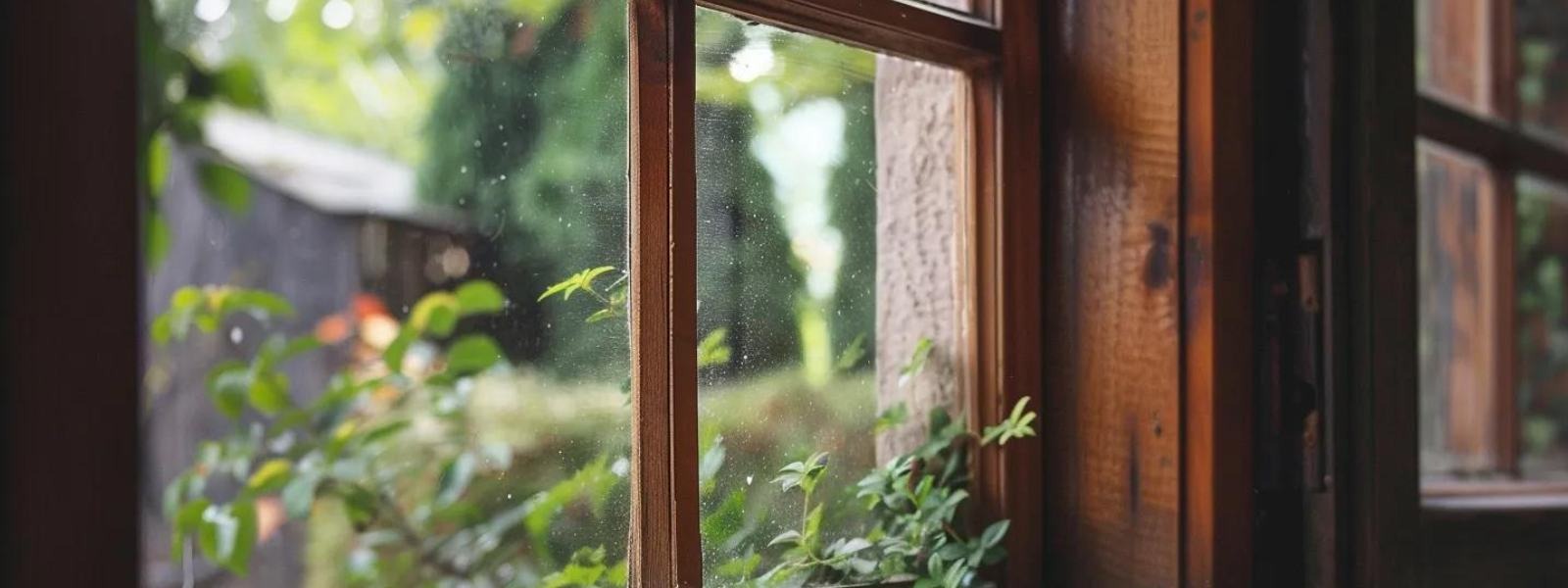
The common window framing mistakes are rough openings that are too large or too small, sills that are not sloped for drainage, failure to account for wall thickness, and not squaring the opening before installation. Framing errors create the foundation for every other installation problem. A rough opening that is too large leaves excessive gaps around the window frame. These gaps must be filled with shims, insulation, and sealant. If the gaps are too wide, even the best sealant cannot maintain a proper air and water barrier. A rough opening that is too small either prevents the window from fitting at all or requires cutting into the framing, which weakens the wall structure. The sill of the rough opening must slope slightly toward the outside so water drains away from the building. A flat or inward-sloping sill traps water behind the window and directs it into the wall cavity. In South Florida, where heavy rain and tropical storms are common, this mistake leads to water damage, mold, and structural decay. Failing to account for wall thickness is another common mistake. When ordering windows with jambs attached, the installer must add to the jamb width if the finished interior wall surface is thicker than standard half-inch drywall. Ignoring this detail creates gaps between the window jamb and the finished wall that look sloppy and compromise the seal. Not squaring the opening before installing the window causes the frame to sit crooked. A crooked frame means the sash will not operate smoothly, the seals will not sit evenly, and the window will develop air leaks over time. Professionals use a level, a plumb line, and the 3-4-5 triangle method to verify that every opening is square before setting the window. These framing details are especially critical in South Florida, where impact windows must withstand wind pressures of 170 to 200 mph in the HVHZ. A framing mistake that might be a minor inconvenience in another state can become a catastrophic failure during a hurricane. Experienced installers who handle sliding glass doors and large window openings understand how to get framing right the first time.
Should There Be a Gap Between a Window and a Frame?
Yes, there should be a small gap between a window and the rough frame opening. This gap, typically about 1/4 inch to 3/8 inch on each side, allows for shimming, insulation, and the natural expansion and contraction of building materials. Without this gap, the window frame can become pinched as the house settles or as temperatures change, causing the sash to stick or the seals to fail. The gap must be filled properly. Shims are placed at strategic points to support and level the window within the opening. Low-expansion spray foam is applied carefully to insulate the gap without bowing the frame. A bead of high-quality caulk seals the exterior edges to keep water out, while the bottom is typically left open or minimally sealed to allow any water that enters to drain back to the outside. Using too much spray foam is a common mistake. High-expansion foam can push the frame inward, distorting the window and making it impossible to operate. According to Marvin Windows, filling the entire perimeter cavity with spray foam can trap water inside the wall and prevent it from escaping outdoors. The gap should never be left empty or covered only with trim. An unsealed gap allows air and water to flow freely around the window, which defeats the purpose of the upgrade. In South Florida, even a small unsealed gap can let in enough moisture during a tropical storm to cause mold growth within days. A proper installation strikes the right balance: enough gap to accommodate movement, properly filled with shims and low-expansion foam, and sealed with exterior caulk to keep water out. This is one of the areas where professional installation makes the biggest difference. An experienced contractor who installs French doors and impact windows daily knows exactly how to manage this gap for lasting performance.
Do You Caulk the Bottom Flange of a Window?
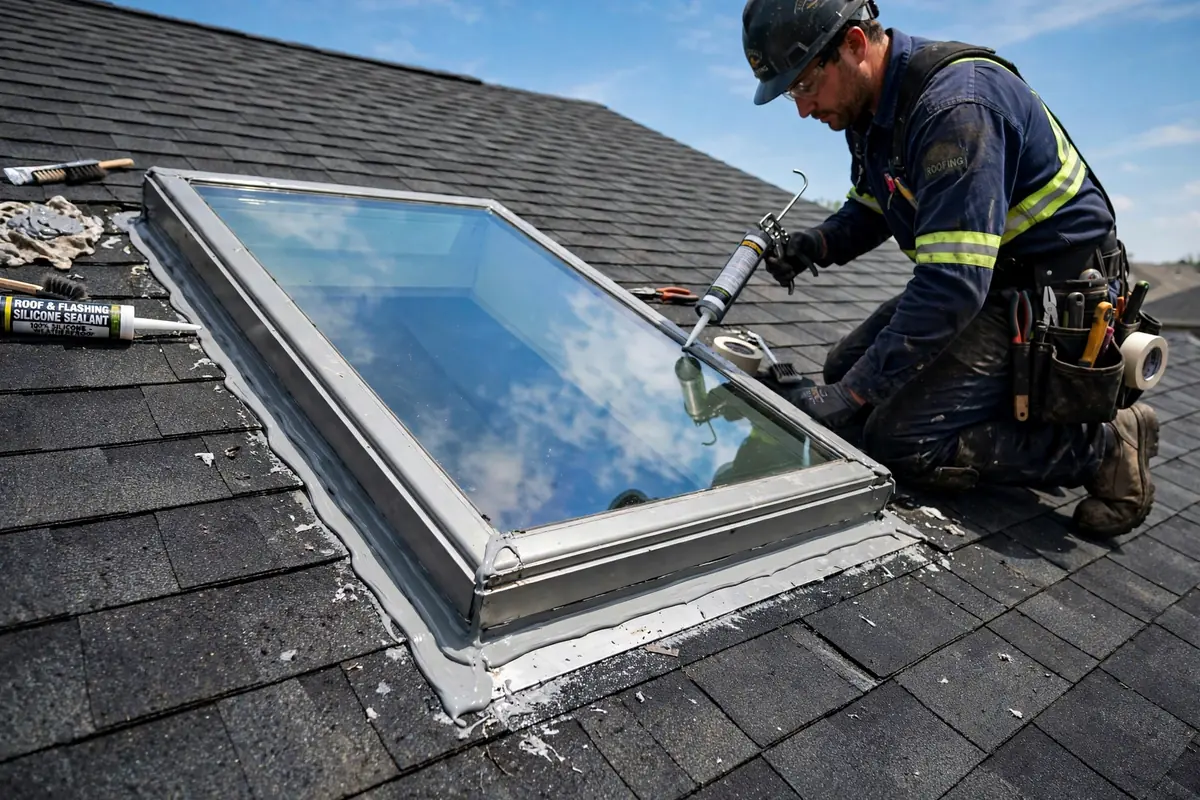
No, you should not caulk the bottom flange of a window. The bottom of the window frame needs to remain open or only lightly sealed to allow any water that gets behind the frame to drain out. Sealing the bottom flange traps water inside the wall cavity, which leads to hidden rot, mold, and structural damage over time. This is one of the most misunderstood aspects of window installation. Many homeowners and even some inexperienced installers assume that sealing every edge creates the best waterproofing. In reality, a properly installed window uses a layered drainage system that directs water away from the building, not traps it inside. The correct approach is to apply sealant to the back of the side and top flanges before fastening them to the wall. The bottom flange is left unsealed or has minimal sealant to create a drainage path. Flashing tape is applied over the side and top flanges in a shingle-like pattern, with each layer overlapping the one below it. A back dam on the sill helps prevent water from reaching the wall cavity in the first place. According to Marvin Windows, filling the cavity around the entire perimeter with spray foam or caulk is a common mistake that prevents water from escaping to the outdoors. In South Florida's heavy rain environment, this mistake is especially dangerous because it creates a hidden moisture trap right inside your walls. A licensed contractor who follows manufacturer installation guidelines will get this detail right. Proper flashing and drainage are critical parts of every impact window and door installation in hurricane zones.
What to Do If Windows Are Not Correctly Installed?
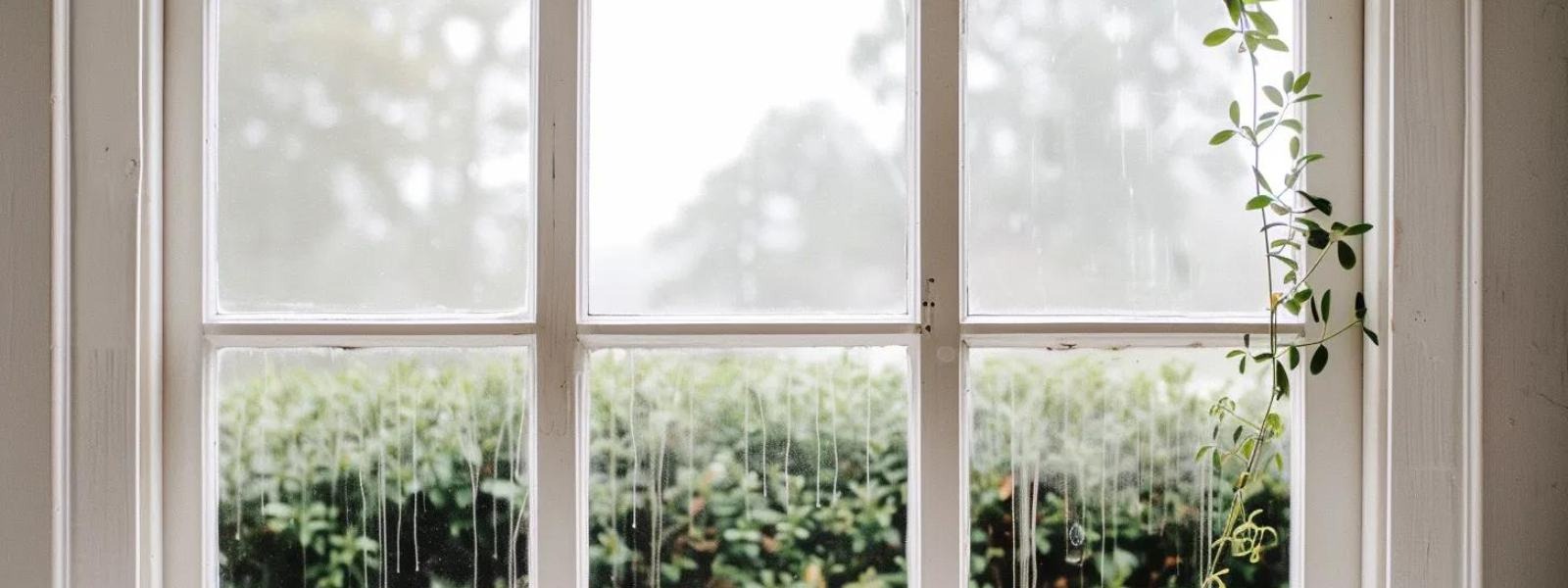
If your windows are not correctly installed, you should contact the original installer first, request a re-inspection, and demand that the problems be corrected at no additional cost. If the installer is unresponsive or unable to fix the issues, hire a licensed contractor to evaluate the installation and make corrections. Start by documenting the problems. Take photos and videos of visible gaps, water stains, condensation, crooked alignment, or any other signs of poor workmanship. This documentation helps if you need to file a warranty claim, an insurance claim, or a complaint with the contractor licensing board. Check whether a building permit was pulled. If the original installer did not obtain a permit, the work is not legal under the Florida Building Code. You can verify permit status through your local building department's website or by calling their office. Unpermitted work may need to be redone from scratch to pass inspection. If the original contractor is licensed and insured, they are legally obligated to correct defective work. Florida's construction licensing laws provide homeowners with protections against substandard installations. If the contractor refuses to cooperate, you can file a complaint with the Florida Department of Business and Professional Regulation (DBPR). For South Florida homeowners who need immediate help, a reputable contractor can re-seal, re-shim, or completely reinstall windows that were done incorrectly. The cost of fixing a bad installation is almost always less than the cost of water damage, mold remediation, or storm damage caused by a window that fails. Getting a free estimate from a trusted installer is the fastest way to find out what needs to be done.
Are Pella or Andersen Windows Better Quality Than Florida Brands?
No, Pella and Andersen windows are not better quality than Florida-made impact window brands for hurricane protection in South Florida. Both Pella and Andersen are respected national manufacturers, but their core business focuses on non-impact products designed for milder climates. Florida brands like PGT, ES Windows, and CWS were engineered specifically for hurricane zones. PGT holds the most Miami-Dade certifications in the impact window industry. ES Windows offers reinforced aluminum and heat-strengthened glass as standard features. CWS maintains approximately 94% customer satisfaction ratings according to Builder Magazine. These brands have spent decades testing and refining their products for the extreme conditions of South Florida. According to multiple South Florida contractors, Pella and Andersen impact products often cost roughly twice as much as comparable options from PGT or ES Windows. You get a well-known brand name, but you do not necessarily get better storm protection for the premium price. The installation quality matters just as much as the brand. A premium Pella or Andersen window installed incorrectly will perform worse than a mid-range PGT window installed by a skilled, licensed team. Homeowners across Doral, Broward, and Palm Beach counties should focus on finding a licensed contractor with deep experience in South Florida's building codes and climate. A contractor who works with multiple top brands and handles entry doors alongside windows can recommend the best product for your home's specific needs.
Window Installation Mistake Comparison Table
Sources: Marvin Windows, Florida Building Code, U.S. Department of Energy, FEMA, Indoor Air Quality Scientific Findings Resource Bank.
Frequently Asked Questions
How Much Does It Cost to Install New Impact Windows in South Florida?
The cost to install new impact windows in South Florida varies based on window size, frame material, glass type, and the number of openings. According to a 2025 window survey, the average cost per replacement window is about $554 for materials, not including labor. Impact windows cost more than standard replacement windows because of their laminated glass, reinforced frames, and required testing certifications. The My Safe Florida Home program offers grants of up to $10,000 to help offset costs. South Florida homeowners in Doral and Miami-Dade County should request a detailed quote to see exact pricing for their home.
How Do I Check Window Installation Integrity After a Hurricane?
You check window installation integrity after a hurricane by inspecting each window for cracks, broken seals, water intrusion, and frame damage. Look for new gaps between the frame and the wall, fogging between the panes, and water stains on the interior walls. Even if the glass held, the seals and flashing may have been compromised by the extreme pressure changes during the storm. Have a licensed professional inspect any windows that show signs of damage. Catching problems early prevents costly water damage and mold growth in Doral, Miami-Dade, and Broward County homes.
What Happens If a Window Installation Is Not Permitted in Florida?
An unpermitted window installation in Florida creates multiple problems. The work does not meet the Florida Building Code, which means your insurance company will not apply wind mitigation discounts. You may face fines from the local building department. The manufacturer's warranty may be voided. If you sell your home, the title company or buyer's inspector may flag the unpermitted work, which can delay or kill the sale. In Miami-Dade and Broward counties, all impact window installations must be permitted and inspected.
What Are the Basic Steps to Install Impact Windows Correctly?
The basic steps to install impact windows correctly are: measure the rough opening precisely, prepare and clean the opening, apply sill flashing and a back dam, set the window and shim it level and plumb, fasten the flanges according to the manufacturer's schedule, apply flashing tape over the sides and top in a shingle pattern, insulate with low-expansion foam, caulk the exterior sides and top (leaving the bottom open for drainage), install interior trim, and schedule the final building inspection. Each step must follow the manufacturer's specific instructions to maintain the warranty.
Can I Install Impact Windows Myself in South Florida?
No, you should not install impact windows yourself in South Florida. Impact window installation is classified as structural work under the Florida Building Code. A building permit is required, and the work must be performed by a licensed contractor. DIY installation will not pass the required inspection, which means your windows are not legally compliant. Your manufacturer warranty will likely be voided, and your insurance company will not apply wind mitigation discounts. The risks of water damage, failed seals, and storm failure far outweigh any short-term savings from a DIY approach.
How Long Does a Professional Window Installation Take?
A professional window installation takes 1 to 3 days for a typical South Florida home. The exact timeline depends on the number of windows, the size of the openings, and the complexity of the project. Each window typically takes 1 to 2 hours to install properly, including shimming, sealing, and trim work. Permitting and scheduling the final inspection add time to the overall process. A licensed contractor who handles permitting in-house, like ASP Super Home, keeps the project moving efficiently.
Do Window Installation Mistakes Void the Manufacturer Warranty?
Yes, window installation mistakes can void the manufacturer warranty. Most major window brands require professional installation following their specific guidelines for the warranty to remain valid. Skipping steps like proper flashing, using incorrect fasteners, or installing without a permit can all give the manufacturer grounds to deny a warranty claim. According to multiple window manufacturers, failure to follow their installation instructions is one of the most common reasons for warranty denials. Always keep your installation records, permit documentation, and inspection reports in a safe place.
Final Thoughts
Window installation mistakes are preventable, but they happen every day when homeowners hire the wrong contractor or try to cut corners. In South Florida's demanding climate, a bad installation does not just waste money on energy bills. It puts your home at risk during every hurricane, every tropical storm, and every heavy afternoon thunderstorm. The difference between a window that protects your family and one that fails comes down to how it was installed. Do not leave your home's safety to chance. Call ASP Super Home today at 786-933-9815 to schedule a free consultation. With 19 years of experience, in-house installation teams, and a commitment to doing every job by the book, ASP Super Home delivers impact window and door installations that pass inspection, protect your home, and last for decades. Request your free estimate today and make sure your windows are installed right the first time.
Meet With a Project Manager
Your first conversation is with a Project Manager who takes the time to understand your goals, walk you through your options, and stays connected throughout your project — from the initial consultation through the final walkthrough.
.avif)
.avif)
.avif)
%201.avif)
Insights & Resources
Stay informed with expert tips on roofing materials, hurricane codes, repairs, and South Florida construction standards.


%201.avif)
%201%20(1).avif)
%201.svg)
%201%20(1)%20(1).png)
.png.png)
.png%20(1).png)
.png%20(2).png)
.avif)
.avif)


.png)
.svg)
.png)