


Strength and Protection Features of Impact Windows
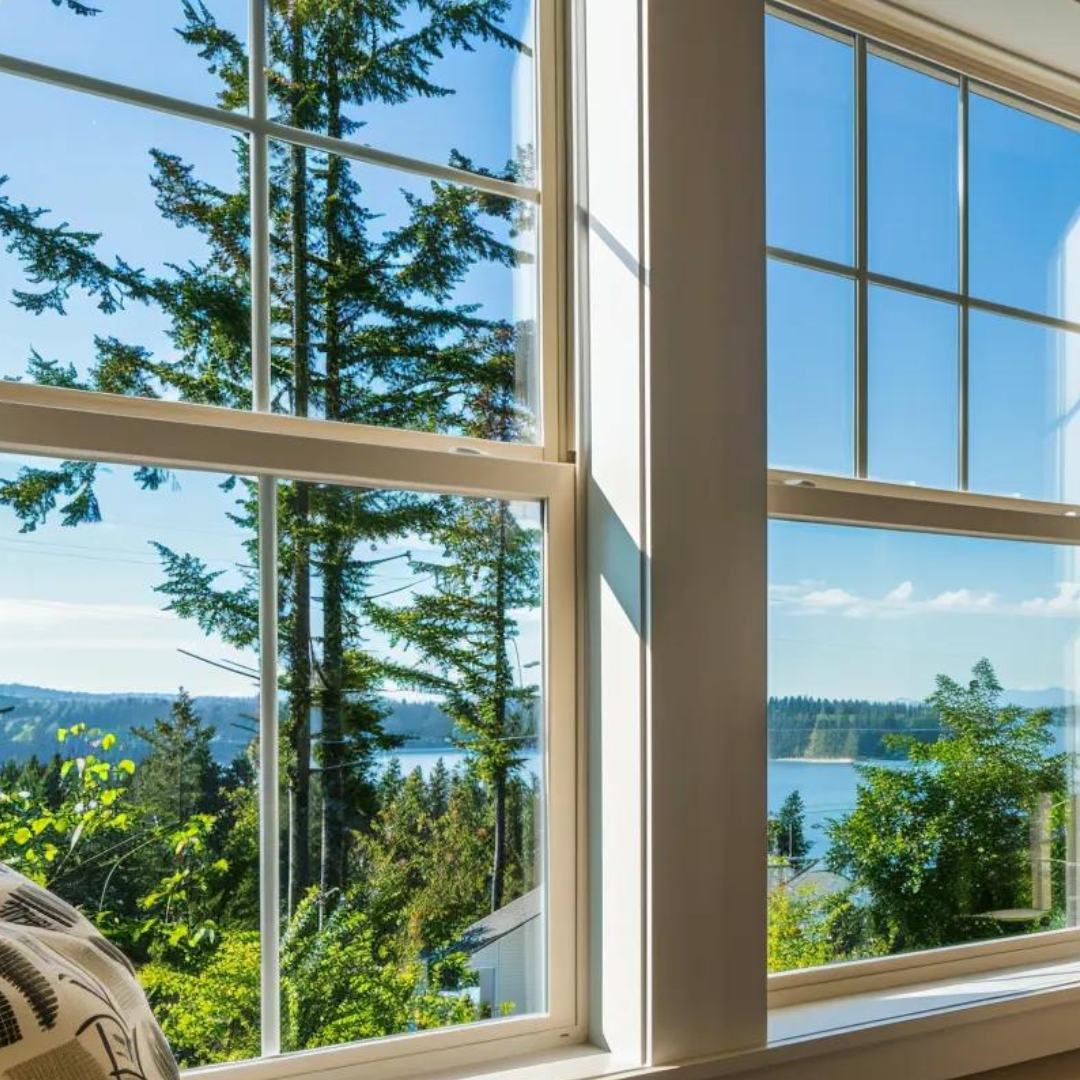

Impact windows are built to withstand hurricane-force winds up to 175 mph or higher, resist flying debris, block forced entry attempts, reduce noise by up to 60%, and block up to 99% of harmful UV rays. They achieve this strength through laminated glass with a polyvinyl butyral (PVB) interlayer, reinforced aluminum or vinyl frames, and specialized sealing systems. According to the U.S. Department of Energy, windows account for 25% to 30% of a home's heating and cooling energy loss, and impact windows dramatically reduce that number while providing round-the-clock storm and security protection. This guide covers exactly how impact windows protect your home, how strong they really are, and why they are one of the smartest investments South Florida homeowners can make.
How Strong Are Impact-Resistant Windows?
Impact-resistant windows are extremely strong. They are engineered to withstand a 9-pound 2x4 piece of lumber fired at the glass at 50 feet per second, followed by 9,000 cycles of alternating positive and negative air pressure that simulate sustained hurricane conditions. This testing protocol, established by ASTM E1886 and E1996 standards, is the benchmark for impact resistance in the United States. The strength comes from the laminated glass construction. Two or more panes of glass are bonded together with a durable plastic interlayer, usually polyvinyl butyral (PVB) or SentryGlas Plus (SGP). During manufacturing, these layers are pressed together under extreme heat to form a single reinforced sheet. If the glass cracks on impact, the interlayer holds the pieces in place, preventing shattered glass from flying into your home and keeping wind and rain outside. SGP interlayers are about five times stronger and 100 times stiffer than standard PVB, according to manufacturer specifications. Windows with SGP interlayers can roughly double the pressure rating of the entire window system. This makes them the best choice for homes on the coast in areas like Doral, Miami Beach, and Fort Lauderdale where wind exposure is highest. The frames are equally important. Impact windows use heavy-duty reinforced aluminum or high-grade vinyl frames designed to resist warping, bending, and corrosion under extreme pressure. Aluminum frames are 4 to 11 times stronger than standard vinyl, according to industry testing data. The frame and glass work together as a complete system, and both must pass testing to receive certification. According to ASTM International, impact windows rated PG 50 can endure Category 5 hurricane conditions with wind speeds above 157 mph. Premium products from brands like PGT are rated for wind speeds up to 175 mph, which provides a solid buffer above the Category 5 threshold. In the HVHZ covering Miami-Dade and Broward counties, the Florida Building Code requires windows rated for 170 to 200 mph depending on exact location and exposure. Homeowners looking for maximum protection should work with a contractor who installs residential impact windows rated for the strictest HVHZ standards.
Can Impact Windows Withstand a Category 5 Hurricane?
Yes, certain impact windows can withstand a Category 5 hurricane. A Category 5 hurricane starts at 157 mph on the Saffir-Simpson scale. Top-rated impact windows from brands like PGT, ES Windows, and CWS are tested to resist wind speeds of 175 mph or higher, which puts them well above the Category 5 threshold. It is important to understand that "Category 5 rated" is a marketing term, not an official certification. No testing body, including ASTM, Miami-Dade County, or the Florida Building Code, certifies windows by hurricane category. Instead, windows receive a Design Pressure (DP) rating measured in pounds per square foot. A DP rating of approximately 50 corresponds to Category 5 wind pressures for a typical single-story residential building, according to ASTM testing protocols. According to NOAA, Hurricane Milton in 2024 intensified into a Category 5 storm with 180 mph sustained winds before weakening to Category 3 at landfall near Siesta Key, Florida. That single storm caused an estimated $34.3 billion in damages. Hurricane Helene, a Category 4 storm with 140 mph winds, caused $78.7 billion in damages in the same year. These back-to-back storms showed exactly why South Florida homeowners need the strongest possible window protection. Even if the glass cracks during a direct hit from large debris, the laminated interlayer holds the pieces together. This keeps the building envelope sealed, which is critical. According to FEMA, when a window breaks during a hurricane, wind rushes into the home and creates massive internal pressure. That pressure can lift the roof off the structure and cause catastrophic damage. Impact windows prevent that chain reaction. South Florida homeowners should also consider upgrading their sliding glass doors to impact-rated glass since those are the largest and most vulnerable openings in most homes.
Can Burglars Break Impact Windows?
No, burglars cannot easily break impact windows. The same laminated glass construction that stops hurricane debris makes impact windows one of the most effective deterrents against break-ins. Even with tools, getting through impact glass takes an extremely long time and creates a tremendous amount of noise, which are two things burglars try to avoid. According to the FBI and the Bureau of Justice Statistics, 23% of burglars enter homes through first-floor windows. A standard window shatters with a single hit, giving a burglar quick and quiet access. Impact windows crack but hold together because of the PVB interlayer. A burglar would need to repeatedly strike the same spot, then cut through a glass-filled membrane, and then deal with the inner pane. This process takes several minutes and produces loud, attention-grabbing noise. The FBI reports that the average burglary takes only 8 to 12 minutes from entry to exit. Impact windows eat up a huge portion of that window, making many burglars abandon the attempt entirely. According to FBI data analyzed by The Zebra, a home break-in occurs every 26 seconds in the United States. Homes without security systems are 300% more likely to be burglarized. Impact windows add a powerful physical barrier that works 24/7, with or without an alarm system. In South Florida, where storm evacuations leave homes unoccupied for days at a time, this security benefit is especially valuable. Impact windows protect your home and belongings even when you are not there. Homeowners who pair impact windows with impact-rated entry doors and French doors create a complete security perimeter around their property.
What Are the Benefits of Impact Windows?
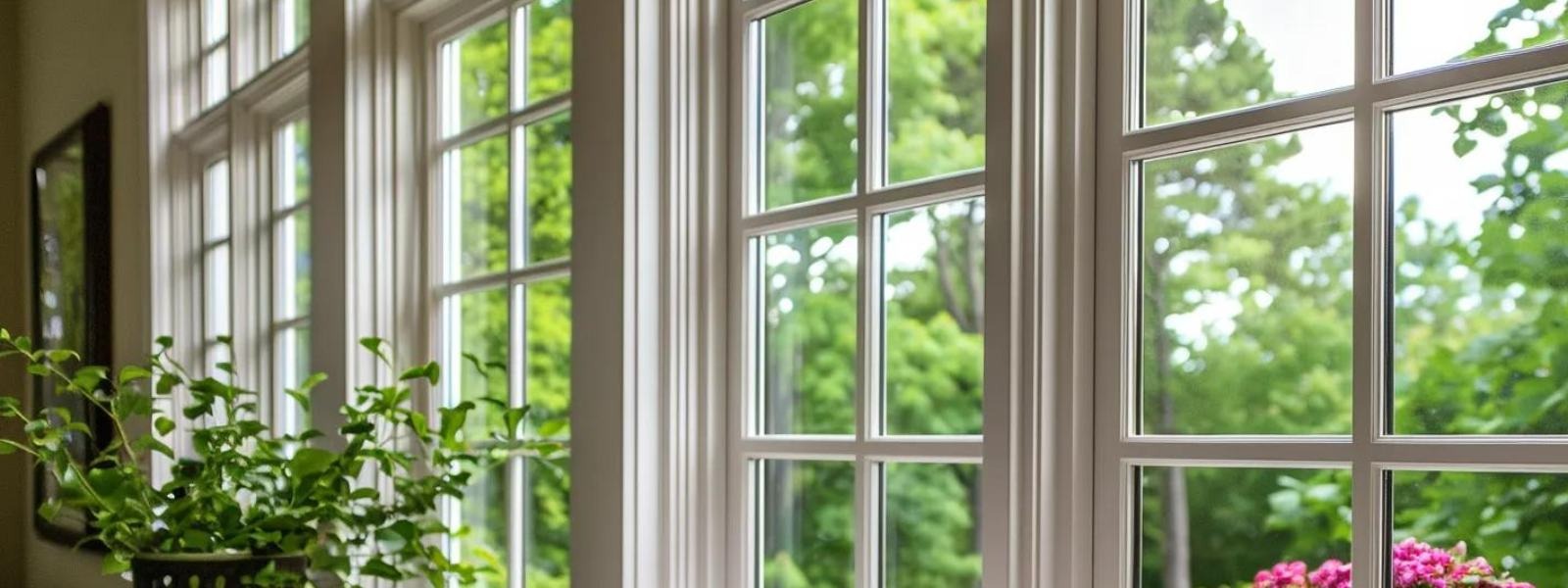
The benefits of impact windows are hurricane protection, break-in deterrence, energy savings, noise reduction, UV protection, insurance discounts, and increased home value. Impact windows deliver all of these benefits simultaneously, which is why they are one of the most popular home upgrades in South Florida. Hurricane protection is the primary benefit. Impact windows keep the building envelope sealed during a storm, preventing the catastrophic internal pressure buildup that can destroy a home from the inside out. This protection is active all the time without any manual setup, unlike shutters that must be installed before each storm. Energy savings are significant. According to the U.S. Department of Energy, windows account for 25% to 30% of residential energy use related to heating and cooling. Impact windows with Low-E coatings and insulated glass dramatically reduce heat gain in South Florida's hot climate. Energy Star reports that certified windows can reduce household energy bills by 7% to 15%. In South Florida, where AC runs 10 to 12 months per year, annual energy savings typically range from $400 to $1,200. Noise reduction is a major quality-of-life improvement. The laminated glass construction absorbs sound waves and can reduce outside noise by up to 50% to 60% compared to standard single-pane glass. Homeowners near busy roads, airports, or construction in Doral, Fort Lauderdale, and Miami notice a dramatic difference. UV protection preserves your interior. Impact windows block up to 99% of harmful UV rays, according to manufacturer specifications from brands like Pella and PGT. This prevents fading of furniture, flooring, artwork, and window treatments. Insurance savings add up fast. According to the Florida Department of Financial Services, homeowners can save 10% to 45% on windstorm insurance premiums after installing certified impact windows. For a typical South Florida home, that translates to $500 to $3,000 in annual savings. Home value increases too. Multiple Florida market analyses show that homes with full impact protection sell for 5% to 10% more than comparable homes without it. Pairing impact windows with a standing seam metal roof maximizes both protection and resale value.
What Are the Negatives of Impact Windows?
The negatives of impact windows are higher upfront cost compared to standard windows, longer lead times for custom orders, heavier weight that may require frame reinforcement in older homes, and limited DIY potential since professional installation is required in Florida. The upfront cost is the biggest barrier for most homeowners. Impact windows cost more than standard replacement windows because of the laminated glass, reinforced frames, and required testing certifications. However, when you factor in insurance savings of $500 to $3,000 per year, energy savings of $400 to $1,200 per year, and the My Safe Florida Home grant of up to $10,000, the true out-of-pocket cost drops significantly. Lead times can be longer than standard windows, especially for custom sizes or during peak season before hurricane season. Ordering during the off-season from October through February helps reduce wait times and often comes with better pricing from manufacturers. Impact windows are heavier than standard windows because of the multiple glass layers and reinforced frames. Some older South Florida homes may need minor structural reinforcement around the rough opening to support the additional weight. A professional installer evaluates this during the initial consultation. Professional installation is not optional in South Florida. The Florida Building Code requires a building permit and inspection for all impact window installations in the HVHZ. DIY installation is not legal and will not pass inspection. While this adds to the project cost, it also protects your investment by guaranteeing code compliance and warranty coverage. Despite these drawbacks, the long-term benefits of impact windows far outweigh the negatives. The protection, savings, and peace of mind they deliver make them one of the smartest investments for any South Florida homeowner. A free estimate from a licensed installer helps you see the full financial picture.
Are There Different Grades of Impact Windows?
Yes, there are different grades of impact windows. Windows are rated by their Design Pressure (DP) and Performance Grade (PG), which measure how much wind pressure, water, and structural load they can handle. Higher numbers mean stronger windows. The Performance Grade system provides a simple breakdown. PG 10 covers Category 1 hurricanes at 74 to 95 mph. PG 20 covers Category 2 at 96 to 110 mph. PG 30 covers Category 3 at 111 to 129 mph. PG 40 covers Category 4 at 130 to 156 mph. PG 50 covers Category 5 storms above 157 mph. All true impact-resistant windows carry a PG rating of 50, according to ASTM International testing standards. ASTM E1996 testing also breaks impact levels into categories A through E. Level C windows can withstand a 4-pound 2x4 projectile at 40 feet per second. Level D windows withstand a 9-pound 2x4 at 50 feet per second, which is the standard for most residential impact windows in the HVHZ. The glass interlayer also comes in different grades. Standard PVB interlayers are used in most residential impact windows. SGP interlayers offer about five times the strength and 100 times the stiffness of PVB, making them the premium choice for maximum protection. Some manufacturers also offer heat-strengthened glass, which is roughly twice as strong as standard annealed glass. For homes in Doral, Miami-Dade, and Broward County, the minimum requirement is HVHZ-certified windows with a Miami-Dade Notice of Acceptance (NOA). Homeowners who want the highest level of protection should choose windows with reinforced aluminum frames, SGP or heat-strengthened glass, and the highest DP rating available for their window size. A professional who handles commercial impact doors and residential projects can recommend the right grade for your home's specific exposure.
Do Impact Windows Reduce Insurance in Florida?
Yes, impact windows reduce insurance in Florida. Florida Statute 627.0629 requires insurance companies to offer actuarially reasonable discounts for homeowners who install certified wind mitigation features, including impact-resistant windows and doors. Most South Florida homeowners see premium reductions of 10% to 45% on their windstorm insurance after installing certified impact windows and filing a wind mitigation report. For the average South Florida home paying $4,500 annually in insurance, a 25% discount saves $1,125 per year. Over 10 years, that adds up to $11,250 in reduced insurance costs. To qualify, you need a wind mitigation inspection. A licensed inspector fills out the Uniform Mitigation Verification Inspection Form (OIR-B1-1802), which documents your home's protective features. This form is submitted to your insurance company to trigger the discount. The inspection costs $75 to $150 and takes about an hour. Insurance companies look at your entire building envelope. Securing all exterior openings, including windows, doors, skylights, and garage doors, with impact-rated products earns the highest credit. Partial protection earns a smaller discount or none at all. Homeowners who upgrade all their windows and doors at once, including residential impact doors, get the maximum savings. According to the My Safe Florida Home program data, the average participant saves $932 per year on insurance premiums after completing approved upgrades. Combined with energy savings and increased home value, impact windows deliver a strong return on investment over their 20- to 30-year lifespan.
Can a House Withstand 100 MPH Winds With Standard Windows?
No, a house with standard windows cannot safely withstand 100 mph winds. Standard single-pane or basic double-pane windows shatter easily under wind pressure and flying debris. Once a window breaks during a hurricane, wind rushes into the home and creates extreme internal pressure. According to FEMA, this sudden pressure change can lift the roof, collapse walls, and cause total structural failure. A 100 mph wind corresponds to a strong Category 2 hurricane on the Saffir-Simpson scale. At this speed, flying debris becomes a deadly projectile. Tree branches, roof tiles, patio furniture, and other objects can be launched into windows at high velocity. Standard glass provides zero resistance against these impacts. The Florida Building Code recognizes this danger. In the Wind-Borne Debris Region, which covers most of Florida's Atlantic and Gulf coasts, all exterior openings must have impact-rated protection or approved shutters. In the HVHZ covering Miami-Dade and Broward counties, the requirements are even stricter, with windows needing to withstand 170 to 200 mph winds depending on location and building height. According to NOAA, Florida experienced 94 confirmed billion-dollar weather disasters between 1980 and 2024, including 36 tropical cyclone events. Five billion-dollar hurricane events hit in 2024 alone, causing a combined $124 billion in damages. Standard windows offer no protection against this level of storm activity. South Florida homeowners with standard windows should upgrade to impact-rated glass as soon as possible. A complete upgrade that includes windows, doors, and a metal roof installation gives your home the best possible defense against hurricane-force winds.
Will Hurricane Impact Windows Stop a Bullet?
No, hurricane impact windows will not stop a bullet. Impact windows are designed to resist wind pressure and flying debris from hurricanes, not ballistic threats. The laminated glass construction can withstand a 9-pound 2x4 fired at 50 feet per second, but a bullet travels at 800 to 3,000 feet per second depending on the caliber. Those are completely different levels of force. Bullet-resistant glass is a separate product category with its own testing standards. True ballistic glass uses multiple layers of polycarbonate and glass that are much thicker and heavier than standard impact window glass. Ballistic glass is rated by Underwriters Laboratories (UL) on a scale from Level 1 through Level 8, based on the type of firearm it can resist. That said, impact windows do provide significantly more resistance than standard glass against blunt force. A burglar attempting to break through with a hammer, crowbar, or rock will find impact glass extremely difficult to penetrate. The PVB or SGP interlayer holds the glass together even after multiple strikes, creating a barrier that takes considerable time and effort to breach. For South Florida homeowners, impact windows provide the right level of protection for the threats that are most common: hurricanes, break-ins, flying debris, and severe weather. Homeowners who want ballistic protection for specific reasons would need specialized products beyond what standard impact windows and doors provide.
Impact Window Strength and Protection Comparison Table
Sources: ASTM International, U.S. Department of Energy, Energy Star, Florida Department of Financial Services, FEMA, NOAA, manufacturer specifications.
Frequently Asked Questions
What Type of House Gets Robbed the Most in South Florida?
The types of houses that get robbed the most in South Florida are homes without visible security measures, homes with easy access through ground-floor windows, and homes that appear unoccupied. According to FBI data, homes without security systems are 300% more likely to be burglarized. First-floor windows are the entry point for 23% of residential burglaries, according to the Bureau of Justice Statistics. Impact windows create a powerful physical barrier that deters most break-in attempts, even when homeowners are away during storm evacuations in Doral and across Miami-Dade County.
How Hard Is It to Break Impact Windows?
It is extremely hard to break impact windows. The laminated glass construction requires sustained, repeated blows to the same spot just to crack the outer pane. Even after cracking, the PVB interlayer holds the glass in place, requiring a burglar to cut through a glass-filled membrane and then break the inner pane. This process takes several minutes and creates loud noise. The average burglary takes only 8 to 12 minutes total, according to FBI data. Impact windows consume a huge portion of that time, causing most intruders to abandon the attempt.
Can 70 MPH Winds Break Standard Windows?
Yes, 70 mph winds can break standard windows, especially when flying debris is involved. At 70 mph, loose objects like tree branches, roof tiles, and lawn furniture become dangerous projectiles. A standard single-pane window can shatter from even a small piece of wind-borne debris at this speed. Impact windows are tested to withstand far greater forces. In South Florida, where tropical storms and hurricanes regularly produce winds above 70 mph, impact windows provide essential protection that standard glass simply cannot match.
What Is the Best Impact Window Brand for South Florida?
The best impact window brand for South Florida depends on your budget and priorities. PGT holds the most Miami-Dade certifications and offers the widest product range. ES Windows provides reinforced aluminum and heat-strengthened glass as standard features at a competitive price. CWS maintains approximately 94% customer satisfaction according to Builder Magazine. Andersen and Pella offer premium aesthetics but cost significantly more. Florida-made brands consistently deliver the best combination of storm protection and value for homes across Doral, Broward, and Palm Beach counties.
Do Ring Doorbells Actually Deter Burglars in South Florida?
Yes, Ring doorbells and similar video doorbell cameras can deter some burglars, but they are not a complete security solution. According to FBI data, 83% of burglars check for alarm systems before attempting a break-in. A visible camera adds a layer of deterrence. However, 23% of burglars enter through windows, not doors. Pairing a video doorbell with impact windows and doors creates a comprehensive security system that protects every entry point of your home. In South Florida, where storm evacuations leave homes empty, physical barriers like impact glass provide protection that cameras alone cannot.
Where Is the Safest Place to Keep Cash in Your House During a Hurricane?
The safest place to keep cash in your house during a hurricane is in a fireproof and waterproof safe bolted to the floor in an interior room. Impact windows protect your home's envelope from wind and debris, but interior protection for valuables adds another layer of security. Homeowners who evacuate should secure important documents, cash, and valuables in a rated safe. Impact windows and impact doors keep your home sealed during the storm, reducing the risk of water damage and looting while you are away.
Why Don't People Use Storm Shutters Anymore in South Florida?
Many South Florida homeowners are moving away from storm shutters because impact windows provide better protection with zero manual effort. Shutters must be stored, deployed before every storm, and removed afterward. This process takes hours and requires physical labor. Impact windows protect your home 24/7 without any setup. They also provide energy savings, noise reduction, UV protection, and insurance discounts that shutters do not offer. According to the Florida Department of Financial Services, homes with full impact window protection typically qualify for higher insurance credits than homes with shutters alone.
Final Thoughts
Impact windows are one of the strongest and most versatile protection systems you can install in your South Florida home. They stop hurricane debris, deter burglars, reduce energy costs, block UV rays, cut outside noise, and lower your insurance premiums. No other single home improvement delivers this many benefits at once. The combination of laminated glass, reinforced frames, and certified installation creates a complete defense system that works every day of the year. Do not wait until the next hurricane is in the forecast. Call ASP Super Home today at 786-933-9815 to schedule a free consultation. With 19 years of experience, over 10,000 satisfied families, and partnerships with the top impact window and door brands, ASP Super Home helps you choose the right protection for your home and your budget. Request your free estimate now and give your family the safety and peace of mind they deserve.
Meet With a Project Manager
Your first conversation is with a Project Manager who takes the time to understand your goals, walk you through your options, and stays connected throughout your project — from the initial consultation through the final walkthrough.
.avif)
.avif)
.avif)
%201.avif)
Insights & Resources
Stay informed with expert tips on roofing materials, hurricane codes, repairs, and South Florida construction standards.


%201.avif)
%201%20(1).avif)
%201.svg)
%201%20(1)%20(1).png)
.png.png)
.png%20(1).png)
.png%20(2).png)
.avif)
.avif)


.png)
.svg)
.png)