


Window and Door Replacement: Choosing the Right Team

Choosing the right window and door replacement team requires verifying active CGC or CBC contractor licenses through Florida DBPR databases, confirming $300,000+ general liability and workers' compensation insurance coverage, reviewing 3-5 years installation experience with Miami-Dade NOA certified products, checking customer references and online reviews averaging 4.5+ stars across 50+ verified projects, and obtaining detailed written estimates specifying materials, labor, warranties, and project timelines.

Choosing the right window and door replacement team requires verifying active CGC or CBC contractor licenses through Florida DBPR databases, confirming $300,000+ general liability and workers' compensation insurance coverage, reviewing 3-5 years installation experience with Miami-Dade NOA certified products, checking customer references and online reviews averaging 4.5+ stars across 50+ verified projects, and obtaining detailed written estimates specifying materials, labor, warranties, and project timelines. According to Better Business Bureau research, 68% of homeowner complaints about window installations stem from hiring unlicensed or underinsured contractors resulting in $8,000-25,000 in corrective work, warranty voids, and permit violations. Professional licensed contractors complete projects 30-50% faster than unlicensed operators while providing manufacturer warranty protection worth $2,000-5,000 per window and installation guarantees preventing costly future corrections.
South Florida's strict building codes, hurricane protection requirements, and complex permitting processes demand experienced professional installation teams familiar with local regulations. Homeowners hiring unqualified contractors face permit denials, failed inspections, insurance coverage issues, and substandard installations compromising hurricane protection and energy efficiency. Understanding contractor qualification verification, cost evaluation methods, contract negotiation strategies, and red flag identification helps homeowners select optimal window and door replacement teams in Miami. This comprehensive guide explains critical selection criteria ensuring successful projects delivering decades of protection and performance.
What Is the Average Cost of Replacing Windows and Doors?
The average cost of replacing windows and doors ranges from $18,000-35,000 for complete residential projects including 12-15 impact windows at $1,200-1,800 each and 2-3 entry or sliding glass doors at $2,500-4,500 each, with total investments varying by material selection, home size, and installation complexity. According to HomeAdvisor 2025 data, South Florida homeowners pay $1,400-2,200 per impact window installed and $3,000-6,500 per impact door installed reflecting Miami-Dade NOA certification requirements, HVHZ construction standards, and professional installation labor commanding $100-150 per hour. Complete home projects combining windows and doors achieve 10-15% cost savings through coordinated permitting at $500-800 versus separate permits totaling $900-1,500, shared engineering calculations, and single-mobilization installation sequences eliminating duplicate travel and setup expenses.
Window Replacement Cost Breakdown
Impact window costs vary by size, frame material, and glass specifications. Standard 36x60 inch double-hung windows cost $1,200-1,600 installed including vinyl frames and standard laminated glass. Larger 48x72 inch picture windows cost $1,800-2,600 installed. Premium aluminum frames add $200-400 per window while Low-E coatings and tinted glass add $100-250 per unit. Specialty shapes including arched, circular, or bay windows cost 30-60% more than standard rectangles due to custom fabrication requirements.
A typical 2,000 square foot home with 12-15 windows requires $14,400-27,000 for complete window replacement using mid-range materials. Budget vinyl impact windows reduce costs to $12,000-18,000 while premium aluminum systems with enhanced coatings increase investments to $21,000-33,000. These ranges include material costs of 60-70% and installation labor of 30-40% assuming standard single-story homes with normal accessibility.
Door Replacement Cost Considerations
Impact-rated entry doors cost $2,500-4,500 installed for standard 36x80 inch single-door configurations including frames, hardware, and professional installation. Double-door entry systems cost $4,000-7,500 installed. Sliding glass doors spanning 6-8 feet wide cost $3,500-6,500 installed depending on panel configuration and hardware quality. French door systems cost $4,500-8,000 installed for premium applications with decorative glass and enhanced hardware.
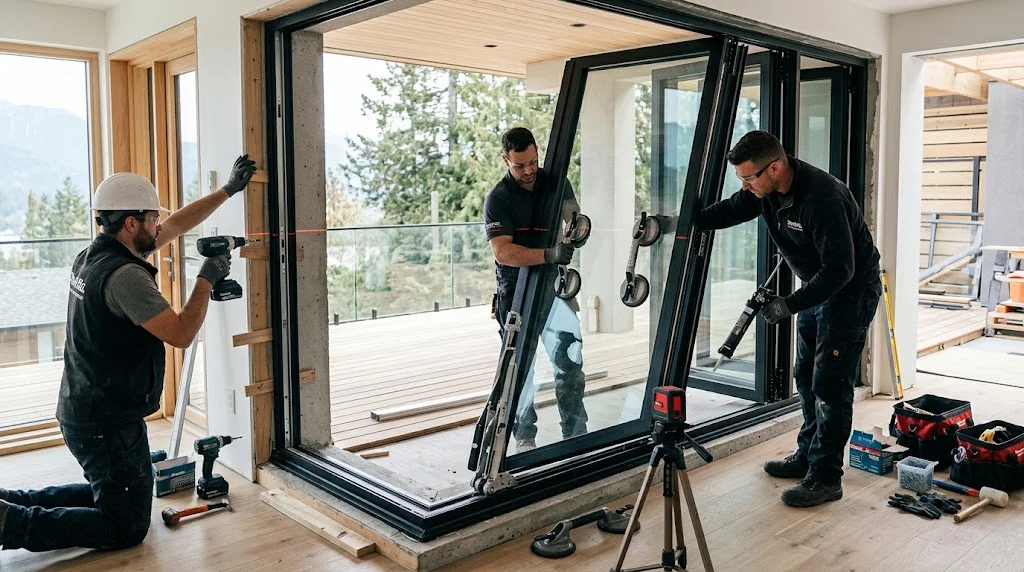
Door installations prove more complex than windows requiring structural reinforcement, threshold modifications, and precise alignment ensuring smooth operation and proper weathersealing. Labor represents 35-45% of door installation costs versus 30-40% for windows reflecting increased complexity. Combining window and door replacements during single projects reduces total labor costs 12-18% through efficiency gains and coordinated scheduling. Installing sliding glass doors in Fort Lauderdale with impact windows maximizes protection and cost efficiency.
Project Scope Cost Variables
Single-story homes with ground-level access cost 20-30% less than two-story installations requiring scaffolding, safety equipment, and extended labor hours. Complex roof lines with multiple gables, dormers, and irregular window placements increase costs 15-25% due to challenging access and custom flashing requirements. Historic homes requiring special preservation considerations or matching existing architectural details cost 25-40% more than standard installations.
Permit fees add $300-800 per project depending on county and scope. Miami-Dade County charges highest permit fees due to strict NOA certification verification requirements. Engineering calculations when required add $600-1,200 for structural load analysis and wind resistance verification. Notice of Commencement filing costs $2.50 protecting homeowners from contractor liens. Total project soft costs including permits, engineering, and inspections represent 8-12% of total investments.
What Is the Average Cost to Have Windows Replaced?
The average cost to have windows replaced ranges from $1,200-2,200 per window installed for impact-resistant units in South Florida, with total projects averaging $14,400-33,000 for typical 12-15 window homes depending on material selection, installation complexity, and geographic location within HVHZ areas. According to Remodeling Magazine's 2025 Cost vs Value Report, window replacement projects return 65-73% at resale while providing annual energy savings of $300-800 through improved insulation and solar heat rejection. Homeowners should budget $18,000-28,000 for mid-range complete window replacement projects using quality vinyl or aluminum impact windows with Low-E coatings and proper professional installation meeting Florida Building Code requirements.
Material Selection Cost Impact
Vinyl impact windows represent most economical option at $1,100-1,600 per window installed providing adequate performance for budget-conscious homeowners. Vinyl frames resist corrosion, require minimal maintenance, and achieve Energy Star certification through proper glass package selection. Limitations include lower structural strength restricting maximum sizes and limited color options compared to aluminum alternatives.
Aluminum impact windows cost $1,400-2,200 per window installed offering superior strength supporting larger openings and sleeker sight lines appealing to contemporary architectural styles. Aluminum provides excellent corrosion resistance essential for coastal properties within 2 miles of saltwater. Thermal break technology prevents heat conduction through frames maintaining energy efficiency. Premium powder-coated finishes provide color variety matching exterior architectural palettes.
Fiberglass and composite frames cost $1,600-2,600 per window installed combining aluminum strength with vinyl insulation properties. These premium materials expand minimally with temperature variations maintaining seal integrity longer than alternatives. Limited availability and higher costs restrict applications to luxury installations and special architectural requirements. Most South Florida homeowners select vinyl or aluminum based on budget and coastal proximity.
Installation Complexity Factors
Standard rectangular window replacements in existing openings require 2-4 hours per window including removal, preparation, installation, and cleanup. Experienced two-person crews complete 3-4 windows daily maintaining quality standards. Complex installations involving structural modifications, custom shapes, or difficult access require 4-8 hours per window increasing labor costs 50-100%.
Stucco repair around window perimeters adds $150-300 per window to total costs when significant damage occurs during removal. Wood rot repairs in older homes add $200-600 per window depending on extent. These additional costs prove unpredictable until demolition reveals hidden conditions, emphasizing importance of contingency budgets covering 10-15% above quoted prices. Installing impact windows in Naples requires experienced contractors familiar with coastal construction challenges and hidden condition identification.
Geographic Cost Variations
Miami-Dade County installations cost 10-15% more than other South Florida locations due to strictest NOA certification requirements, highest permit fees, and elevated labor rates in competitive market. Broward and Palm Beach counties maintain moderate pricing while Lee and Collier counties serving Naples and Fort Myers areas offer 8-12% lower costs despite similar hurricane protection requirements.
Urban areas including Miami, Fort Lauderdale, and West Palm Beach command 12-18% premium pricing versus suburban and rural locations due to parking challenges, building access limitations, and higher operating costs for contractors. Island communities including Key West, Marathon, and various barrier islands add 20-30% premiums due to travel time, limited contractor availability, and challenging logistics requiring ferry or causeway access.
How to Pick a Window Replacement Company?
Picking a window replacement company requires verifying Florida DBPR contractor licenses confirming active CGC (Certified General Contractor) or CBC (Certified Building Contractor) status, reviewing minimum 3 years installation experience with projects documented through before/after photographs and customer references, confirming insurance coverage including $1,000,000+ general liability and workers' compensation protecting homeowners from liability, and obtaining detailed written proposals specifying exact materials with NOA certification numbers, installation methods, warranty terms, and payment schedules. According to Angie's List research, homeowners contacting 3-5 contractors for competitive bidding save 15-25% compared to accepting first quotes while improving contract terms through negotiation leverage.
License Verification Procedures
All window installation contractors in Florida must hold active CGC or CBC licenses issued by Department of Business and Professional Regulation. Verify licenses through DBPR website entering contractor license numbers confirming active status without disciplinary actions. License verification prevents unlicensed operators illegally performing work that voids manufacturer warranties, fails building inspections, and leaves homeowners liable for worker injuries.
Licensed contractors maintain continuing education requirements ensuring familiarity with current building codes, installation techniques, and safety protocols. Licenses require financial responsibility demonstrating adequate capitalization supporting project completion. Background checks during licensing eliminate applicants with fraud convictions or business malfeasance protecting consumers. ASP SuperHome maintains CGC1513274 licensing serving all South Florida counties with full compliance and insurance requirements.
Insurance Coverage Verification
Contractors must provide certificates of insurance documenting general liability coverage minimum $300,000 though $1,000,000+ policies provide superior protection. Workers' compensation insurance covering all employees protects homeowners from liability when worker injuries occur on properties. Request certificates directly from insurance companies rather than accepting contractor-provided copies preventing fraudulent documentation.
Verify insurance remains current throughout project duration as some contractors allow policies lapsing between jobs. Call insurance agents listed on certificates confirming coverage effective dates and policy limits. Inadequate insurance exposes homeowners to lawsuits from injured workers seeking damages when contractors lack proper coverage. This verification requires 15-20 minutes but prevents potentially catastrophic financial liability.
Experience and Specialization Assessment
General contractors perform various construction trades while window specialists focus exclusively on window and door installations. Specialists typically provide superior workmanship through concentrated experience and specialized equipment investments. Verify minimum 3 years installation experience specifically with impact windows rather than general construction experience lacking specialized knowledge.
Request project portfolios showing before/after photographs documenting installation quality and aesthetic results. Look for clean installations with proper trim details, consistent alignment, and professional finishing. Ask about experience with specific products proposed for your project ensuring familiarity with manufacturer installation requirements. Request references from projects completed within past 12 months verifying current performance rather than outdated historical reputation.
Written Proposal Evaluation Criteria
Detailed written proposals specify exact window models with manufacturer names and product codes, frame materials and colors, glass packages including Low-E coatings and tinting, hardware finishes and operation types, and installation methods including weatherproofing procedures. Vague proposals lacking specifics indicate unprofessional contractors potentially substituting inferior products after contract signing.
Proposals should itemize costs separating materials from labor allowing comparison across contractors and negotiation of specific components. Payment schedules typically require 10-30% deposits, 40-50% upon material delivery, and 20-40% upon completion rather than upfront payments creating contractor accountability. Warranty terms should specify manufacturer product warranties and contractor installation workmanship guarantees separately clarifying coverage responsibilities. Installing impact windows in West Palm Beach requires comprehensive proposals addressing all selection criteria ensuring informed decisions.
What Red Flags Indicate Problematic Contractors?
Red flags indicating problematic contractors include requests for 50%+ upfront payments before work begins suggesting financial instability, absence of physical business addresses using only post office boxes or cell phones indicating transient operations, pressure tactics demanding immediate decisions preventing competitive bidding, inability providing insurance certificates or license verification, and reluctance allowing references contact or portfolio review suggesting poor track record. According to National Association of Home Builders research, 82% of contractor fraud cases involve one or more red flag indicators homeowners ignored during initial selection processes resulting in $15,000-45,000 average losses through incomplete work, substandard installations, or contractor disappearance.
Financial Warning Signs
Contractors requesting 50%+ deposits before material orders or work commencement indicate cash flow problems potentially leading to project abandonment. Standard payment schedules require 10-30% deposits, 40-50% upon material delivery, and 20-40% upon completion with final payments contingent on passing inspections and homeowner satisfaction. Contractors demanding payments exceeding delivered value create risks homeowners pay for work never completed.
Cash-only transactions without receipts or formal invoices indicate tax evasion and absence of business records supporting warranty claims or dispute resolution. Legitimate contractors accept checks, credit cards, or financing maintaining documentation for tax reporting and business accounting. Offers for significant discounts accepting cash payments suggest unlicensed operations avoiding permitting costs and insurance expenses creating homeowner liability.
Communication and Professionalism Issues
Contractors unable scheduling face-to-face consultations providing only phone or email estimates lack professionalism and accountability. Site visits remain essential for accurate measurements, condition assessments, and informed proposals. Contractors avoiding property visits produce inaccurate estimates leading to disputes and change orders inflating final costs 25-40% above initial quotes.
Delayed responses to inquiries, missed appointments without notification, or failure returning calls within 24-48 hours indicate poor customer service continuing throughout projects. Professional contractors maintain responsive communication, respect scheduled appointments, and address concerns promptly building trust and confidence. Poor initial communication predicts problematic project experiences including coordination difficulties and conflict resolution challenges.
Documentation and Contract Concerns
Verbal agreements without written contracts create enforcement difficulties when disputes arise. Written contracts should specify all work scope, materials, costs, payment schedules, timelines, and warranty terms. Contracts lacking these essential elements prove unenforceable leaving homeowners without recourse for substandard work or incomplete projects.
Contracts including arbitration clauses requiring disputes resolution through private arbitration rather than court proceedings often favor contractors through arbitrator selection biases. Homeowners should negotiate removing arbitration requirements maintaining access to legal system remedies. Contracts requiring homeowners waiving lien rights or accepting substandard work provisions should raise immediate concerns prompting contractor reconsideration or rejection.
How Do Project Timelines and Guarantees Work?
Project timelines for window and door replacements typically span 6-10 weeks including 1-2 weeks proposal and contract negotiations, 2-4 weeks permitting and material ordering, 2-3 days actual installation, and 1-2 weeks inspection completion and permit closure. Contractors should provide written timelines specifying key milestones including material delivery dates, installation start dates, and substantial completion deadlines with 5-10 business day buffers accommodating weather delays or unforeseen issues. Installation guarantees should include workmanship warranties covering 1-5 years protecting against installation defects, manufacturer product warranties spanning 10-20 years covering material defects, and performance guarantees ensuring proper operation, weathersealing, and energy efficiency meeting specified ratings.
Realistic Timeline Expectations
Permit processing requires 1-3 weeks in Broward and Palm Beach counties and 3-6 weeks in Miami-Dade County during normal periods. Peak season April-August extends timelines 50-100% due to application volume overwhelming building departments. Material manufacturing and delivery requires 3-6 weeks for standard products and 6-10 weeks for custom configurations or specialty materials.
Installation proceeds 3-4 windows daily for experienced crews working single-story homes with standard access. Complete 12-15 window projects require 3-5 days including old window removal, new window installation, weatherproofing, and trim finishing. Complex projects involving structural modifications or challenging access extend to 5-10 days. Weather delays during summer rainy season add 2-5 days for projects scheduled May-October.
Performance Guarantee Structures
Installation workmanship warranties cover defects including improper sealing, misaligned frames, hardware malfunctions, and trim finishing issues for 1-5 years depending on contractor. These warranties obligate contractors repairing defects at no cost protecting homeowners from installation errors. Contractors should provide written warranty certificates specifying coverage terms and service procedures.
Manufacturer product warranties cover materials defects including glass seal failures, frame deterioration, and hardware operation for 10-20 years. Limited lifetime warranties often provide full replacement first 10 years and prorated coverage thereafter. Transferable warranties maintain value for future homeowners enhancing resale appeal. Verify warranty registration requirements as some manufacturers require homeowner registration within 30-60 days of installation maintaining coverage validity.
Timeline Delay Remedies
Contracts should specify timeline obligations with reasonable completion deadlines. Delay provisions should address weather-related extensions, unforeseen condition discoveries requiring scope changes, and permit processing delays beyond contractor control. Liquidated damages clauses penalizing contractors for unreasonable delays without cause provide homeowner protections and contractor accountability.
Communication protocols should require weekly progress updates during projects and immediate notification of delays or issues. Contractors maintaining transparent communication build trust and manage expectations preventing surprise delays and conflicts. Homeowners should document all communications, site conditions, and progress through photographs creating evidence supporting warranty claims or dispute resolution if necessary.
Conclusion
Choosing the right window and door replacement team requires verifying active contractor licenses through Florida DBPR, confirming $1,000,000+ insurance coverage protecting homeowners from liability, reviewing 3+ years installation experience with documented projects and customer references, obtaining detailed written proposals specifying materials and warranties, and avoiding red flags including excessive upfront payments and poor communication. Average replacement costs range $18,000-35,000 for complete residential projects with individual windows costing $1,200-2,200 installed depending on materials and complexity.
Contact ASP SuperHome at (786) 933-9815 to schedule your window and door replacement consultation with South Florida's most experienced installation team. Our certified contractors (CGC1513274) maintain active licensing serving Miami-Dade, Broward, Palm Beach, Lee, and Collier counties with $2,000,000+ insurance coverage and over 19 years experience completing 10,000+ installations. We provide detailed written proposals specifying Miami-Dade NOA-approved products, comprehensive warranties spanning 10-20 years, flexible $0 down PACE financing, and guaranteed project completion within specified timelines. Visit our Doral showroom at 3400 NW 114th Ave to review our portfolio, discuss your project requirements, and receive detailed proposals demonstrating our commitment to quality, transparency, and customer satisfaction ensuring your complete confidence in our team.
Meet With a Project Manager
Your first conversation is with a Project Manager who takes the time to understand your goals, walk you through your options, and stays connected throughout your project — from the initial consultation through the final walkthrough.
.avif)
.avif)
.avif)
%201.avif)
Insights & Resources
Stay informed with expert tips on roofing materials, hurricane codes, repairs, and South Florida construction standards.


%201.avif)
%201%20(1).avif)
%201.svg)
%201%20(1)%20(1).png)
.png.png)
.png%20(1).png)
.png%20(2).png)
.avif)
.avif)


.png)
.svg)
.png)