


How Metal Roofs Perform During Florida’s Cooler Months
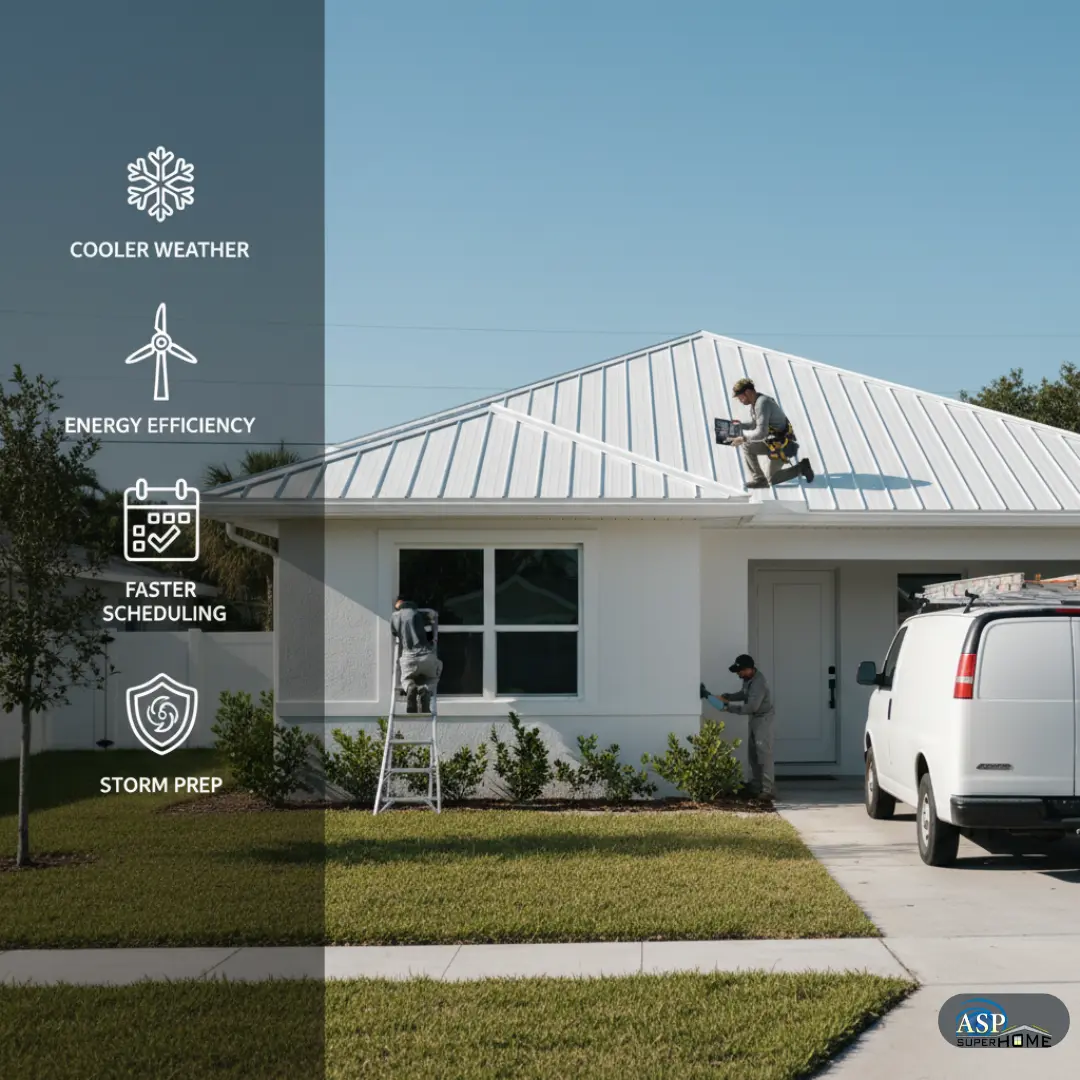
Metal roofs maintain stable indoor temperatures, prevent moisture damage, and reduce energy costs by 20-40% during Florida's cooler weather from December through February.
Metal roofs maintain stable indoor temperatures, prevent moisture damage, and reduce energy costs by 20-40% during Florida's cooler weather from December through February. According to the Department of Energy, reflective metal roofing systems regulate attic temperatures within 10-15 degrees of outdoor conditions while traditional asphalt shingles create 30-50 degree temperature differentials. South Florida homeowners in Miami, Fort Lauderdale, and Naples benefit from consistent climate control during mild winters when overnight lows reach 45-65 degrees and daytime temperatures range from 70-80 degrees.
Florida's winter season creates ideal conditions for evaluating roofing performance. Metal roofs outperform asphalt shingles through superior moisture control, temperature stability, and storm preparation capabilities. Homeowners who install metal roof installation in Miami during December through February avoid summer installation delays and prepare homes for Atlantic hurricane season beginning June 1st. This article explains thermal performance advantages, energy efficiency benefits, and installation timing strategies for metal roofing systems in South Florida's subtropical climate.
Are Metal Roofs Good in Florida?
Yes, metal roofs are excellent for Florida because they withstand hurricane-force winds of 140-180 mph, reflect 70% of solar radiation, and last 40-70 years in humid coastal environments. The Insurance Institute for Business & Home Safety reports that properly installed metal roofs suffer 80% less damage during hurricanes compared to asphalt shingle systems. Miami-Dade County Building Code requires NOA approval for all roofing products installed in High Velocity Hurricane Zones, and metal roofing consistently exceeds these stringent wind uplift standards.
Hurricane Protection Through Superior Wind Resistance
Metal roofs protect South Florida homes during Category 3-5 hurricanes. Hurricane Andrew in 1992 caused $27 billion in damages across Miami-Dade County, with 80% of insurance claims involving roof system failures according to FEMA disaster reports. Modern standing seam metal roofing prevents catastrophic losses through interlocking panels installed every 12-16 inches, concealed fasteners that eliminate exposed screw weak points, structural attachment directly to roof decking using #10 or #12 screws spaced 12 inches on center, and wind uplift ratings certified to 180 mph in HVHZ installations.
Homeowners in Broward and Palm Beach counties installing standing seam metal roof systems meet Florida Building Code Section 1504 requirements for coastal construction within hurricane-prone regions.
Solar Heat Reflection Reduces Cooling Expenses
Florida receives 237 days of sunshine annually according to NOAA National Weather Service climate data. Metal roofs with Energy Star-rated cool roof coatings reflect solar radiation instead of absorbing thermal energy. This reflective technology reduces attic temperatures by 30-50 degrees compared to dark asphalt shingles that reach surface temperatures exceeding 170 degrees during summer months.
Cool metal roofing decreases air conditioning energy consumption by 20-40% during peak cooling season. A typical 2,000 square foot home in Doral saves $400-800 yearly on electricity costs. Homeowners pairing residential solar panels in Fort Lauderdale with reflective metal roofing achieve maximum energy independence and fastest solar investment payback periods.
Extended Lifespan in Corrosive Coastal Climates
Salt air exposure, 70-90% humidity levels, and intense UV radiation deteriorate traditional roofing materials rapidly in South Florida. Asphalt shingles last only 12-18 years before requiring complete shingle roof replacement due to granule loss, algae growth, and thermal degradation. Metal roofs last 40-70 years with minimal maintenance requirements when properly installed with corrosion-resistant coatings.
Galvalume steel containing 55% aluminum and aluminum metal roofing resist salt spray corrosion when protected by Kynar 500 or similar PVDF resin-based finishes. These fluoropolymer coatings maintain color retention and weather resistance for decades in Naples, Fort Myers, and West Palm Beach coastal installations. The Metal Roofing Alliance confirms that properly maintained coastal metal roofs retain structural integrity for five decades with only basic inspections every 3-5 years.
Are Metal Roofs Good for Cold Climates?
Metal roofs excel in cold climates by preventing ice dam formation, shedding snow loads efficiently, and maintaining insulation effectiveness, but Florida's mild winters provide different advantages focused on humidity control and temperature consistency. While northern states experience ice accumulation and snow load problems requiring 40-60 PSF structural ratings, South Florida faces moisture condensation issues and occasional temperature drops to 40-50 degrees during polar cold fronts sweeping down from Canada.
Temperature Consistency During Cold Front Events
Florida winters bring overnight temperature lows of 45-65 degrees in December, January, and February. These 20-30 degree temperature swings between day and night cause moisture condensation in poorly ventilated attic spaces. Metal roofing systems equipped with thermal break technology and proper synthetic underlayment prevent condensation accumulation that leads to wood rot, mold growth, and insulation damage.
Synthetic underlayments like Grace Ice and Water Shield or Titanium UDL50 create waterproof vapor barriers beneath metal panel installations. Continuous ridge vents combined with soffit ventilation maintain consistent airflow that eliminates moisture buildup. Homeowners installing metal roof installation in West Palm Beach during winter months prevent moisture damage before spring rainy season begins in May.
Superior Insulation Performance Year-Round
Metal roofs accommodate various insulation types without compromising thermal performance or ventilation requirements. Spray foam insulation with R-values ranging from R-30 to R-49 fills attic cavities completely and creates seamless thermal barriers. Radiant barrier installations reflect 95% of radiant heat away from living spaces during summer while retaining warmth during winter cold snaps.
The Florida Building Code mandates minimum R-30 attic insulation in climate zones 1-2 covering all South Florida counties. Metal roofing systems support higher R-value insulation installations than asphalt shingle roofs because they do not trap heat against insulation layers. This thermal performance keeps homes comfortable during rare 40-degree winter nights and extreme 95-degree summer days without excessive HVAC cycling.
Moisture Barrier Protection in High Humidity
Florida's average 70-90% relative humidity creates constant moisture exposure for roofing systems throughout the year. Asphalt shingles absorb and retain moisture, creating ideal breeding environments for black algae streaks, green moss growth, and toxic mold development. Metal roofing panels shed rainwater immediately and dry completely between weather events.
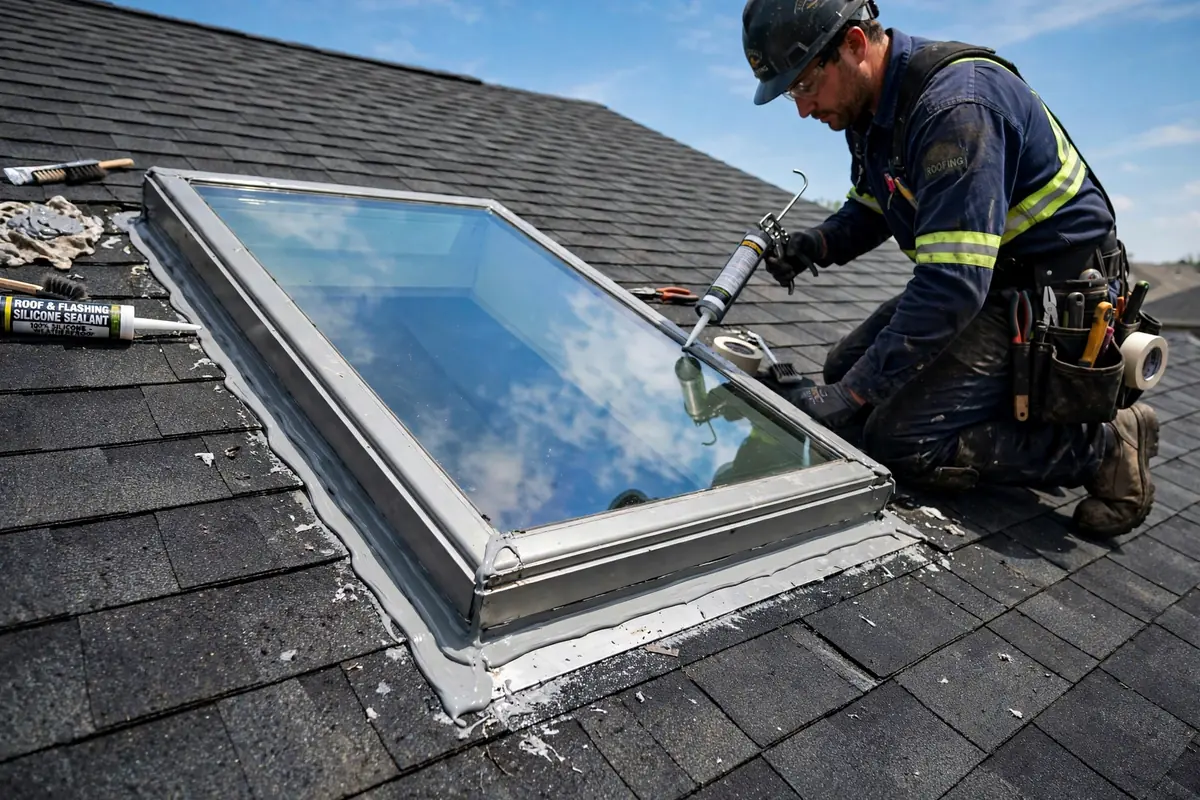
FEMA flood insurance data shows that 40% of South Florida property damage claims involve water intrusion from failed roofing systems. Metal panels with concealed fastener systems eliminate the 2,000-4,000 exposed screw penetrations that plague screw-down metal roofing installations. Proper flashing details around chimneys, plumbing vents, and skylight installations complete comprehensive waterproofing systems that prevent leaks for decades.
How Do Metal Roofs Regulate Temperature in Florida Winters?
Metal roofs regulate temperature in Florida winters by reflecting daytime solar heat, releasing absorbed warmth quickly at night, and maintaining stable attic environments within 5-10 degrees of outdoor conditions. Unlike asphalt shingles that absorb heat during 75-80 degree winter days and retain warmth through cool evenings, metal roofing systems with cool roof coatings achieve thermal equilibrium rapidly. This consistent temperature regulation reduces HVAC energy consumption and improves indoor comfort during Florida's mild winter season.
Reflective Coating Technology for Climate Control
Modern metal roofing utilizes advanced pigment technology in PVDF resin coatings that reflect infrared and ultraviolet solar radiation. Light-colored metal roofs achieve Solar Reflectance Index values of 70-85 compared to dark asphalt shingles rating only 5-15 on the SRI scale. This dramatic reflectivity difference keeps metal roof surface temperatures 40-60 degrees cooler during sunny winter afternoons.
Energy Star certification requires metal roofing products to maintain minimum initial solar reflectance of 0.25 for steep-slope applications and aged reflectance of 0.15 after three years of weathering exposure. These performance standards ensure long-term energy savings throughout the 40-70 year metal roof lifespan.
Thermal Mass Properties and Heat Release
Metal roofing materials possess low thermal mass compared to concrete tile or clay tile systems weighing 900-1,200 pounds per square. This lightweight construction allows metal roofs to release absorbed heat rapidly after sunset. While heavy tile roofs retain daytime warmth for hours after dark, metal panels cool to ambient air temperature within 30-45 minutes.
This quick heat release prevents attic temperature buildup during overnight hours when outdoor temperatures drop to 50-60 degrees. Homeowners combining metal roofing with impact windows in Doral create complete thermal envelope systems that maintain consistent indoor temperatures without excessive heating or cooling equipment operation.
Ventilation Integration for Airflow Management
Proper attic ventilation works synergistically with metal roofing to regulate temperature and control moisture. The Florida Building Code requires 1 square foot of net free ventilation area per 150 square feet of attic space. Metal roofing installations accommodate various ventilation strategies including continuous ridge vents spanning entire roof peaks, soffit vents providing low-level air intake, gable vents for cross-ventilation in complex roof designs, and powered attic fans for supplemental airflow in extreme conditions.
Balanced ventilation systems move air continuously through attic spaces, preventing hot spots and moisture accumulation. This consistent airflow maintains attic temperatures within 10-15 degrees of outdoor conditions even during temperature fluctuation events common in Florida winters.
What Are the Energy Efficiency Benefits During Florida's Cool Season?
Metal roofs provide 15-25% energy savings during Florida's cool season by reducing HVAC cycling frequency, maintaining stable indoor temperatures, and eliminating thermal bridging that causes heat loss. The Department of Energy confirms that cool roofing technologies reduce annual energy consumption in subtropical Climate Zone 2 covering all Florida counties. South Florida homeowners experience measurable utility bill reductions during December through February when overnight temperatures require occasional heating and daytime warmth still demands air conditioning.
Reduced HVAC System Operation Cycles
Florida homes typically operate HVAC systems year-round due to humidity control requirements even when outdoor temperatures feel comfortable. Metal roofs with reflective coatings minimize temperature differentials between indoor and outdoor environments. This thermal stability reduces heating and cooling equipment cycling from 6-8 times hourly to 3-4 cycles, extending equipment lifespan and reducing electricity consumption.
A 2,000 square foot home in Miami with a metal roof uses 800-1,200 fewer kilowatt-hours annually compared to an identical home with dark asphalt shingles. At average South Florida electricity rates of $0.12-0.14 per kWh, this translates to $96-168 yearly savings on utility bills.
Elimination of Thermal Bridging Heat Loss
Traditional roofing systems with exposed fasteners create thousands of thermal bridges where metal screws penetrate insulation and transfer heat. Each screw acts as a conductor allowing warm air to escape during cool winter nights. Standing seam metal roofing eliminates this problem through concealed fastener clip systems that attach panels to roof decking without penetrating the thermal envelope.
This thermal bridge elimination prevents 5-10% of heat loss that occurs in screw-down metal roofing or traditional shingle installations. Homeowners notice improved comfort during February cold fronts when overnight temperatures drop suddenly.
Long-Term Energy Savings Calculations
Metal roofing energy savings compound over decades as utility rates increase and traditional roofing materials degrade. Asphalt shingles lose reflectivity within 3-5 years as protective granules wash away, increasing solar heat absorption by 30-40%. Metal roofs maintain reflectivity for 30-40 years before requiring recoating. Over a 30-year period, metal roof energy savings total $3,000-5,000 compared to three asphalt shingle replacements.
Homeowners installing residential solar panels in Fort Myers on metal roofs maximize solar investment returns because reduced cooling loads decrease required system size by 15-25%, lowering upfront solar installation costs by $3,000-6,000.
When Is the Best Time to Install Metal Roofing in South Florida?
The best time to install metal roofing in South Florida is December through February because contractors experience 60% lower demand, permitting processes complete 40% faster, and ideal 60-75 degree temperatures optimize installation quality. Roofing companies handle peak workloads during June through November following summer storm damage and hurricane season preparation. Winter installations allow homeowners to secure priority scheduling, avoid weather delays, and prepare homes before Atlantic hurricane season begins June 1st according to NOAA seasonal forecasts.
Lower Contractor Demand and Priority Scheduling
South Florida roofing contractors experience dramatic seasonal demand fluctuations. Summer months bring insurance claim volume surges after thunderstorm damage and hurricane impacts. Winter months see 50-70% demand reduction as homeowners delay projects until spring. This reduced workload allows contractors to provide better customer service, more flexible scheduling, and higher attention to installation details.
Homeowners scheduling roof repair services or complete metal roof replacements in January receive project start dates within 2-3 weeks versus 6-8 week waits during peak season. This scheduling advantage proves critical for homeowners facing insurance deadlines or planning home sales.
Faster Building Permit Approval Timelines
Miami-Dade, Broward, and Palm Beach county building departments process 40-60% fewer permit applications during winter months. This reduced volume accelerates review and approval timelines significantly. Metal roofing permits requiring structural engineer review and NOA certification verification complete in 2-3 weeks during winter versus 4-6 weeks during summer rush periods.
Collier and Lee county building departments servicing Naples and Fort Myers areas similarly experience faster processing during December through February. Homeowners combining metal roof installation with impact window upgrades benefit from coordinated permit approvals and streamlined inspection scheduling.
Optimal Weather Conditions for Installation Quality
Metal roofing manufacturers specify installation temperature ranges between 40-90 degrees Fahrenheit for proper sealant curing and thermal expansion positioning. Florida winters maintain ideal 60-75 degree daytime temperatures consistently. These moderate conditions allow adhesive sealants to cure at optimal rates without excessive heat causing premature drying or cold temperatures preventing proper bonding.
Panel thermal expansion and contraction occur naturally as temperatures fluctuate between day and night. Installing during neutral 70-degree temperatures allows contractors to position concealed fastener clips at mid-range panel dimensions. This prevents stress concentration at fastening points during summer heat when panels expand or winter cold when panels contract.
How Do Metal Roofs Prepare Homes for Hurricane Season?
Metal roofs prepare homes for hurricane season by providing 140-180 mph wind resistance, eliminating weak points from exposed fasteners, and completing installations 30-40% faster than tile systems during winter's dry weather. Hurricane preparedness requires comprehensive planning beginning 4-6 months before Atlantic hurricane season's June 1st start date. Metal roofing installations starting in January complete by March, allowing homeowners to address additional storm protection measures like impact windows in Miami installation before peak hurricane risk arrives in August through October.
Superior Wind Uplift Performance Data
IBHS wind tunnel testing demonstrates metal roofing's exceptional hurricane performance. Standing seam metal roofs maintain structural integrity at sustained wind speeds of 140-160 mph with gusts to 180-200 mph. These ratings exceed Miami-Dade NOA requirements for HVHZ installations and provide substantial safety margins during Category 4-5 hurricane impacts.
Hurricane Ian in 2022 generated 155 mph sustained winds at landfall near Fort Myers, causing $113 billion in damages across Southwest Florida. Homes with properly installed metal roofing experienced minimal damage while asphalt shingle roofs failed catastrophically at wind speeds exceeding 110-130 mph according to post-storm damage assessments.
Reduced Insurance Premiums and Claims
The Insurance Information Institute reports that metal roofing reduces homeowners insurance premiums by 10-35% in HVHZ areas due to superior wind resistance and reduced claim probability. A home valued at $400,000 in Miami-Dade County saves $800-1,400 annually on insurance costs with certified metal roofing installation. These savings accumulate to $16,000-28,000 over a 20-year period, offsetting substantial portions of metal roofing installation costs.
Insurance companies require Miami-Dade NOA certification documentation for premium discounts. Homeowners must provide NOA numbers for roofing products and proof of installation by licensed contractors following manufacturer specifications and Florida Building Code requirements.
Complete Installation Before Storm Season
Metal roofing installations on 2,000-3,000 square foot homes complete in 3-7 days depending on roof complexity and weather conditions. Starting projects in January or February ensures completion by March, providing 3-month buffers before hurricane season begins. This timing allows homeowners to address other storm preparation tasks including tile roof installation repairs on adjacent structures, tree trimming to remove hazardous branches, and hurricane shutter installation on non-impact windows.
South Florida receives 60 inches of annual rainfall with 70% occurring May through October. Winter months average only 2-3 inches monthly rainfall, eliminating installation delays from afternoon thunderstorms common during summer. Contractors complete metal roofing projects on schedule without weather interruptions during December through February installation windows.
Conclusion
Metal roofs deliver exceptional performance during Florida's cooler weather through consistent temperature regulation, superior moisture control, and comprehensive hurricane protection. South Florida homeowners in Miami, Fort Lauderdale, Naples, West Palm Beach, and Fort Myers benefit from 20-40% energy savings, 40-70 year lifespans, and wind resistance ratings to 180 mph. December through February provides optimal installation conditions with priority contractor scheduling, faster permit processing, and ideal working temperatures that ensure quality installations.
Contact ASP SuperHome at (786) 933-9815 to schedule your metal roofing consultation today. Our certified installers serve Miami-Dade, Broward, Palm Beach, Lee, and Collier counties with Miami-Dade NOA-approved metal roofing systems meeting Florida Building Code requirements. Combine your metal roof installation with impact windows, residential solar panels, or complete home remodeling services for maximum storm protection and energy efficiency throughout the year.
Meet With a Project Manager
Your first conversation is with a Project Manager who takes the time to understand your goals, walk you through your options, and stays connected throughout your project — from the initial consultation through the final walkthrough.
.avif)
.avif)
.avif)
%201.avif)
Insights & Resources
Stay informed with expert tips on roofing materials, hurricane codes, repairs, and South Florida construction standards.


%201.avif)
%201%20(1).avif)
%201.svg)
%201%20(1)%20(1).png)
.png.png)
.png%20(1).png)
.png%20(2).png)
.avif)
.avif)


.png)
.svg)
.png)