


Holiday Home Safety Checklist: Upgrade Windows and Doors
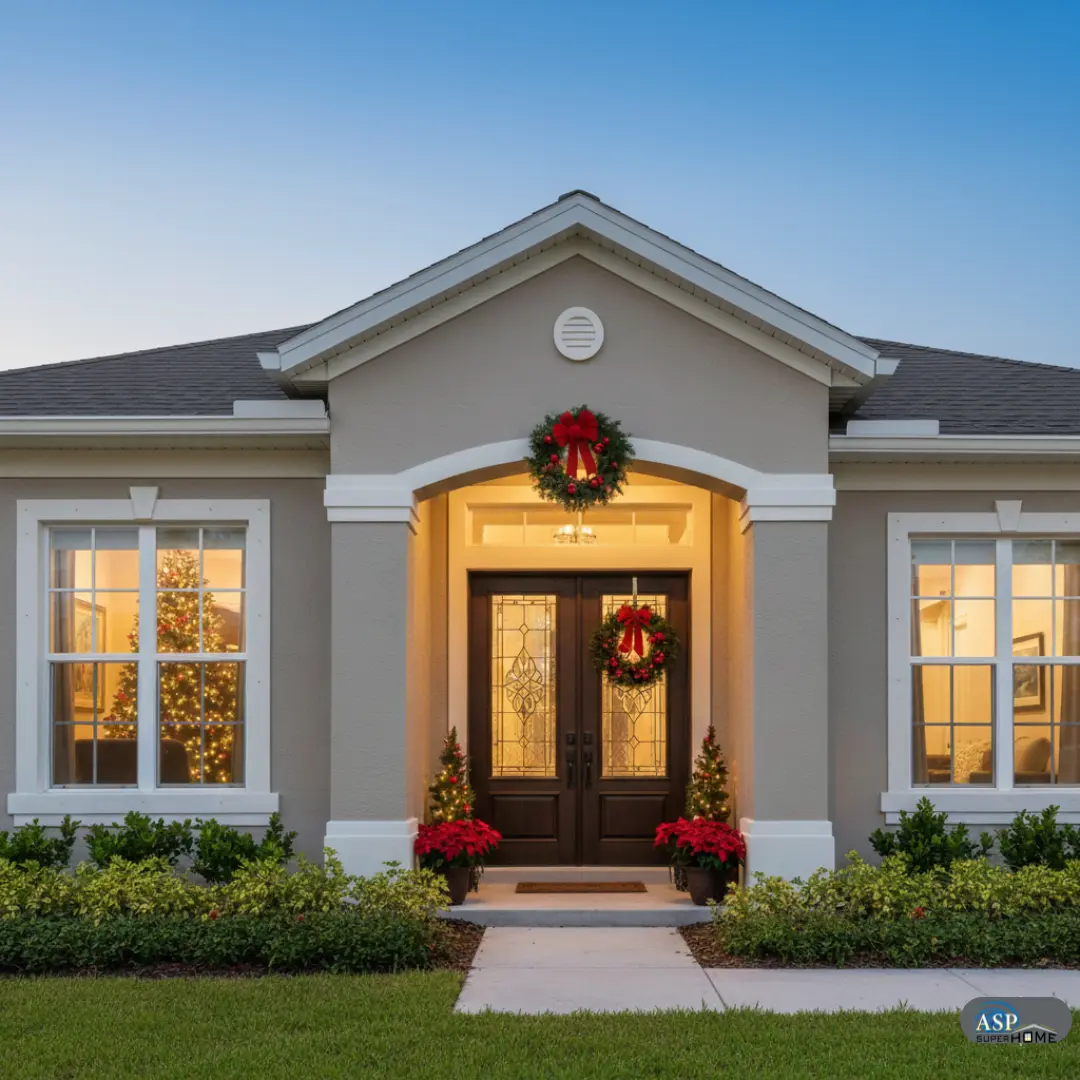
A holiday home safety checklist for upgrading windows and doors includes inspecting 15-20 entry points for drafts, broken seals, and security vulnerabilities, scheduling professional installations 3-4 weeks before guests arrive, verifying impact resistance ratings, testing lock mechanisms, and ensuring proper weatherproofing preventing break-ins, accidents, and energy waste during high-traffic holiday periods.
A holiday home safety checklist for upgrading windows and doors includes inspecting 15-20 entry points for drafts, broken seals, and security vulnerabilities, scheduling professional installations 3-4 weeks before guests arrive, verifying impact resistance ratings, testing lock mechanisms, and ensuring proper weatherproofing preventing break-ins, accidents, and energy waste during high-traffic holiday periods. According to the National Safety Council, 35% of home accidents during holidays involve entry points including slips near doorways, glass breakage, and inadequate security allowing unauthorized access.
South Florida homeowners face unique holiday safety considerations. Increased visitor traffic stresses aging door hardware and window mechanisms. Vacation homes left unattended for extended periods become targets for break-ins, with FBI data showing 18% of annual burglaries occurring during November-January holiday season. Salt air corrosion affecting coastal properties from Miami Beach to Naples accelerates hardware deterioration requiring proactive replacement before failures compromise security.
This comprehensive guide provides room-by-room inspection checklists, explains maintenance requirements for doors and windows, outlines vacation preparation protocols, and details when replacement becomes necessary versus repair for properties throughout Miami-Dade, Broward, Palm Beach, Lee, and Collier counties. We'll cover specific recommendations for homes hosting holiday gatherings and properties left vacant during winter travel seasons.
Complete Holiday Window and Door Inspection Checklist
Front entry doors require thorough inspection as primary security points and first impressions for holiday guests. Check deadbolt operation ensuring smooth locking without force or key sticking. Inspect door frames for wood rot, termite damage, or separation from wall structures. Test weatherstripping compression by closing doors on dollar bills—if bills pull out easily, weatherstripping needs replacement. Examine threshold condition for trip hazards, wear patterns, or water staining indicating leaks.
Sliding glass doors connecting indoor and outdoor living spaces see heavy holiday use. Test track operation by sliding doors fully open and closed—resistance, grinding sounds, or derailment indicate needed repairs. Inspect rollers for wear, debris accumulation, or breakage requiring replacement. Verify security bar placement in tracks preventing forced entry when doors are closed. Check screen door condition for tears, frame damage, or missing hardware compromising insect protection during outdoor entertaining.
Windows throughout living areas, bedrooms, and kitchens need systematic evaluation. Operate each window through full open-close cycles identifying stuck sashes, broken balances, or failed crank mechanisms. Examine glass for cracks, chips, or seal failures creating foggy appearances. Test lock engagement on all operable windows—loose or non-functional locks create security vulnerabilities. Inspect interior and exterior caulking for gaps, cracks, or separation allowing air and moisture infiltration.
Garage entry doors connecting homes to attached garages often get overlooked despite providing direct interior access. Check door closers preventing automatic closing and latching. Inspect weatherstripping around perimeters maintaining thermal barriers. Test deadbolts and key operation. Verify door strength—hollow core doors should be replaced with solid core or metal doors providing fire ratings and security resistance. Properties in Fort Lauderdale and Miami should prioritize impact windows and doors installations for comprehensive protection.
What Is the Maintenance Checklist for Doors?
Door maintenance checklists include monthly hinge lubrication, quarterly weatherstripping inspection, semi-annual hardware tightening, annual paint touch-ups, and biennial complete refinishing for wood doors, with additional requirements for specialized door types including sliders, French doors, and impact-resistant systems. The Door and Hardware Institute reports proper maintenance extends door lifespans from 15-20 years to 25-35 years while maintaining security and energy efficiency.
Monthly maintenance tasks take 15-30 minutes per door. Apply silicone spray lubricant to hinges eliminating squeaks and preventing pin wear. Wipe down glass surfaces with appropriate cleaners—avoid ammonia-based products on tinted or coated glass. Check and tighten visible screws on handles, locks, and strike plates. Sweep or vacuum door tracks removing dirt, leaves, and debris preventing smooth operation.
Quarterly inspections identify developing problems before failures. Examine weatherstripping for compression set, tears, or gaps. Test all locks and deadbolts confirming smooth operation without sticking. Inspect thresholds for wear patterns or damage. Check door sweep condition ensuring proper contact with thresholds. Clean and lubricate sliding door tracks using silicone-based products avoiding petroleum lubricants attracting dirt.
Annual maintenance addresses long-term wear. Touch up exterior paint on wood doors preventing moisture intrusion and UV damage. Tighten hinge screws and adjust doors eliminating binding or gaps. Replace worn weatherstripping maintaining energy efficiency. Inspect and replace door closers showing fluid leaks or inconsistent operation. Test and adjust strike plate alignment ensuring proper latching without excessive force.
Biennial comprehensive maintenance includes complete door refinishing for wood units. Strip, sand, prime, and repaint or restain exterior surfaces. Replace corroded or damaged hardware. Adjust or replace door sweeps and thresholds showing significant wear. For homes with impact doors in Doral, inspect laminated glass for delamination, frame fasteners for corrosion, and gaskets for deterioration—manufacturer specifications may require professional inspections maintaining warranty coverage.
How to Prepare Your House for an Extended Vacation?
Preparing houses for extended vacation requires 7-10 days advance planning including securing all entry points with upgraded locks, installing timer-controlled lighting, arranging property monitoring, adjusting HVAC settings, protecting valuables, stopping mail delivery, and notifying security companies of absence periods typically lasting 2-4 weeks during winter holiday season. Insurance companies report homes appearing occupied experience 60% fewer break-in attempts than obviously vacant properties.
Window and door security preparations prevent unauthorized access. Install or verify secondary locking devices on sliding doors and windows. Consider installing smart locks allowing remote monitoring and temporary access codes for trusted individuals. Replace single-cylinder deadbolts with double-cylinder versions on doors with glass panels—these require keys from both sides preventing break-in through broken glass. Add window security film to vulnerable ground-floor windows delaying intrusions until authorities respond.
Lighting automation creates occupied appearance. Install smart light timers varying on-off schedules daily preventing predictable patterns. Include interior lights visible from streets and outdoor lighting illuminating entry areas. Consider smart plugs controlling lamps, televisions, and radios simulating normal household activity. Properties in West Palm Beach and Naples benefit from comprehensive lighting systems deterring opportunistic criminals targeting vacant vacation homes.
HVAC management balances energy savings with property protection. Set thermostats to 78-82°F preventing excessive cooling costs while maintaining humidity control. South Florida homes left at higher temperatures risk mold growth from elevated humidity levels. Consider installing smart thermostats allowing remote monitoring and adjustment if weather conditions change. Ensure adequate attic ventilation preventing moisture accumulation damaging roof structures and insulation.
Property monitoring arrangements provide accountability and rapid response capability. Ask trusted neighbors to collect packages, adjust window treatments, and park vehicles in driveways periodically. Hire professional property management services for extended absences exceeding two weeks. Install smart security systems with cameras providing real-time monitoring via smartphone apps. Consider professional security patrols for high-value properties in gated communities.
Mail and delivery management eliminates obvious vacancy indicators. Request USPS hold mail service or forward mail to trusted individuals. Pause newspaper and package deliveries. Notify security companies, HOAs, and property managers of absence periods and emergency contacts. Arrange landscape maintenance continuing regular schedules preventing overgrown appearances signaling vacant properties.
What Should a Home Safety Checklist Include?
Home safety checklists should include fire prevention equipment inspection, carbon monoxide detector testing, emergency exit accessibility verification, electrical system evaluation, plumbing leak detection, HVAC maintenance confirmation, outdoor lighting assessment, and entry point security review covering 25-30 critical safety components inspected quarterly with comprehensive annual evaluations. The Consumer Product Safety Commission reports home safety inspections prevent 40-60% of common household accidents and security incidents.
Fire safety equipment requires regular verification. Test smoke detectors monthly pressing test buttons confirming audible alarms. Replace batteries annually or install 10-year sealed battery units. Verify smoke detector placement in bedrooms, hallways, and common areas per Florida Fire Prevention Code. Check fire extinguisher pressure gauges monthly—needles should rest in green zones. Replace extinguishers older than 10 years regardless of condition. Inspect kitchen range hood filters and clean quarterly reducing grease fire risks.
Carbon monoxide protection proves critical in homes with gas appliances, fireplaces, or attached garages. Test CO detectors monthly and replace batteries annually. Install detectors on every floor and outside sleeping areas. Replace CO detectors every 5-7 years as sensors degrade over time. Schedule annual HVAC inspections identifying potential CO sources from cracked heat exchangers or improperly vented appliances.
Emergency exit accessibility ensures rapid evacuation during fires or medical emergencies. Verify all egress windows open fully from inside without tools or keys. Remove furniture, storage items, or holiday decorations blocking exit paths. Confirm exterior exit routes remain clear of landscaping overgrowth. Test window locks and release mechanisms on security windows ensuring emergency egress capability per building codes. Properties with residential impact windows should verify quick-release hardware operation allowing escape despite security features.
Electrical system safety prevents fires and shocks. Inspect outlets for discoloration, buzzing sounds, or unusual warmth indicating potential hazards. Test GFCI outlets monthly pressing test and reset buttons. Replace damaged outlet covers and switch plates. Avoid overloading circuits with holiday decorations and appliances. Schedule professional electrical inspections every 3-5 years or when experiencing frequent breaker trips.
Plumbing leak detection prevents water damage. Check under sinks, around toilets, and near water heaters for moisture, staining, or active drips. Inspect water heater temperature settings maintaining 120°F preventing scalding. Examine washing machine hoses for cracks or bulging requiring replacement. Test main water shut-off valves ensuring emergency access. Consider installing water leak detection systems providing smartphone alerts for properties left vacant during vacations.
Pre-Holiday Guest Preparation Safety Measures
Guest bedroom window and door safety ensures visitor comfort and security. Test window locks and operation before guest arrivals. Verify screens fit properly preventing insect entry. Check window treatments providing adequate privacy and light control. Inspect door locks and latches allowing guests interior privacy. Ensure egress windows meet code requirements for basement or second-story bedrooms—Florida Building Code requires minimum 5.7 square foot openings with 24-inch height and 20-inch width dimensions.
Bathroom safety prevents holiday accidents. Install or verify grab bars near showers and tubs. Check toilet stability and fix loose connections. Test bathroom door locks ensuring privacy while allowing emergency access from outside. Verify adequate ventilation through exhaust fans or windows preventing moisture accumulation. Inspect shower doors and tub enclosures for cracks, loose frames, or sharp edges creating injury risks.
Kitchen safety accommodations protect guests unfamiliar with home layouts. Ensure range hood lighting operates properly. Verify oven and cooktop controls clearly marked. Check cabinet and drawer operation preventing jammed or falling items. Test garbage disposal operation and reset buttons. Verify exterior kitchen door locks and weatherstripping maintaining security and efficiency when multiple cooks access outdoor grilling areas.
Living area safety maximizes holiday gathering comfort. Inspect fireplace operation and clean chimneys before first seasonal use. Verify patio door and window locks preventing curious children from accessing pools or hazardous areas unsupervised. Test sliding glass door safety features preventing entrapment. Check window treatment cord safety using breakaway tassels or cordless systems protecting young children from strangulation hazards.
Outdoor entertainment space safety supports holiday activities. Test exterior door operation including French doors, sliders, and bifold systems popular in South Florida indoor-outdoor living designs. Verify adequate outdoor lighting illuminating stairs, pathways, and pool areas. Inspect screen enclosures for tears, frame damage, or door closure problems. Check pool barriers and gate self-closing mechanisms meeting current Florida pool safety requirements.
When Window and Door Replacement Becomes Necessary
Age-related deterioration typically necessitates replacement after 20-30 years for standard windows and doors. Aluminum frames in coastal areas corrode faster requiring replacement after 15-20 years. Wood doors and windows need replacement when rot extends beyond repairable areas or termite damage compromises structural integrity. Single-pane windows lacking energy efficiency justify replacement in South Florida's cooling-dominated climate where modern impact windows in Miami reduce energy costs by 15-30%.
Security vulnerabilities require immediate attention. Doors with failed locks, damaged frames, or weakened construction create break-in risks. Windows with broken or missing locks, cracked glass, or frames pulling away from walls compromise security. Properties in high-crime areas or homes experiencing break-in attempts need upgraded security through impact-resistant products providing forced-entry resistance and laminated glass preventing quick access.
Failed seals and moisture intrusion indicate replacement urgency. Foggy glass between panes signals seal failures eliminating insulation value. Water staining around frames suggests improper installation or material failure. Mold growth near windows and doors creates health hazards requiring source elimination through replacement. Persistent condensation despite proper ventilation indicates thermal bridging and insulation deficiencies corrected through modern energy-efficient replacements.
Storm damage assessment determines repair versus replacement decisions. Small cracks or chips in glass panels allow targeted repairs. Twisted frames, shattered glass, or water intrusion through openings typically require complete replacement. Insurance claims often fund replacement with upgraded impact-resistant products meeting current codes. Properties in hurricane-prone counties benefit from proactive upgrades to metal roofing and impact windows before storm seasons.
Professional Installation vs DIY Holiday Upgrades
Professional installation ensures proper weatherproofing, structural attachment, and code compliance critical for warranty coverage and insurance requirements. Licensed contractors understand Florida Building Code requirements for wind resistance, impact ratings, and egress specifications. Installation costs represent 30-40% of total project expenses but prevent failures from improper sizing, inadequate flashing, or incorrect hardware adjustment. Properties in Miami-Dade County require Miami-Dade NOA approved products and certified installers maintaining compliance.
DIY limitations include lack of specialized tools, difficulty achieving proper sealing, and potential warranty voids. Window and door manufacturers typically require professional installation maintaining product warranties. Insurance companies may deny claims for failures resulting from improper DIY installations. Complex installations involving structural modifications, large formats, or impact-rated products exceed typical homeowner capabilities requiring professional expertise.
Timeline considerations favor professional installation during holiday periods. Licensed contractors complete typical single-door replacements in 3-4 hours and standard window projects in 1-2 days. DIY installations often extend over multiple weekends disrupting holiday preparations. Scheduling professional installations 3-4 weeks before major holidays ensures completion before guest arrivals while avoiding peak-season scheduling conflicts.
Cost comparisons show professional installation value. DIY attempts saving $200-$400 per opening risk $1,000-$3,000 in corrections if installations fail. Professional work includes proper disposal, permitting, and inspections ensuring legal compliance. Warranty protection covers both products and labor providing recourse if issues develop. Properties investing in impact window installations should prioritize certified installers ensuring maximum performance and protection.
Contact ASP SuperHome at (786) 373-3953 to schedule pre-holiday window and door safety inspections. Our certified specialists serve Miami-Dade, Broward, Palm Beach, Lee, and Collier counties providing comprehensive assessments, maintenance services, and replacement installations ensuring your home remains safe, secure, and comfortable throughout holiday seasons. We offer flexible scheduling accommodating holiday timelines and provide detailed checklists helping homeowners prepare properties for guests or extended vacation absences with confidence in their home's security and functionality.
Now Accepting Appointments
Proudly serving homeowners and businesses across South Florida and Southwest Florida. Book your visit and let our experts help protect and upgrade your space.
.png)
.png)
.png)
%201.png)
Insights & Resources
Stay informed with expert tips on roofing materials, hurricane codes, repairs, and South Florida construction standards.


%201.png)
%201%20(1).png)
%201.svg)
%201%20(1)%20(1).png)
.png.png)
.png%20(1).png)
.png%20(2).png)
.png)
.png)

