


Energy Efficiency of Impact Windows
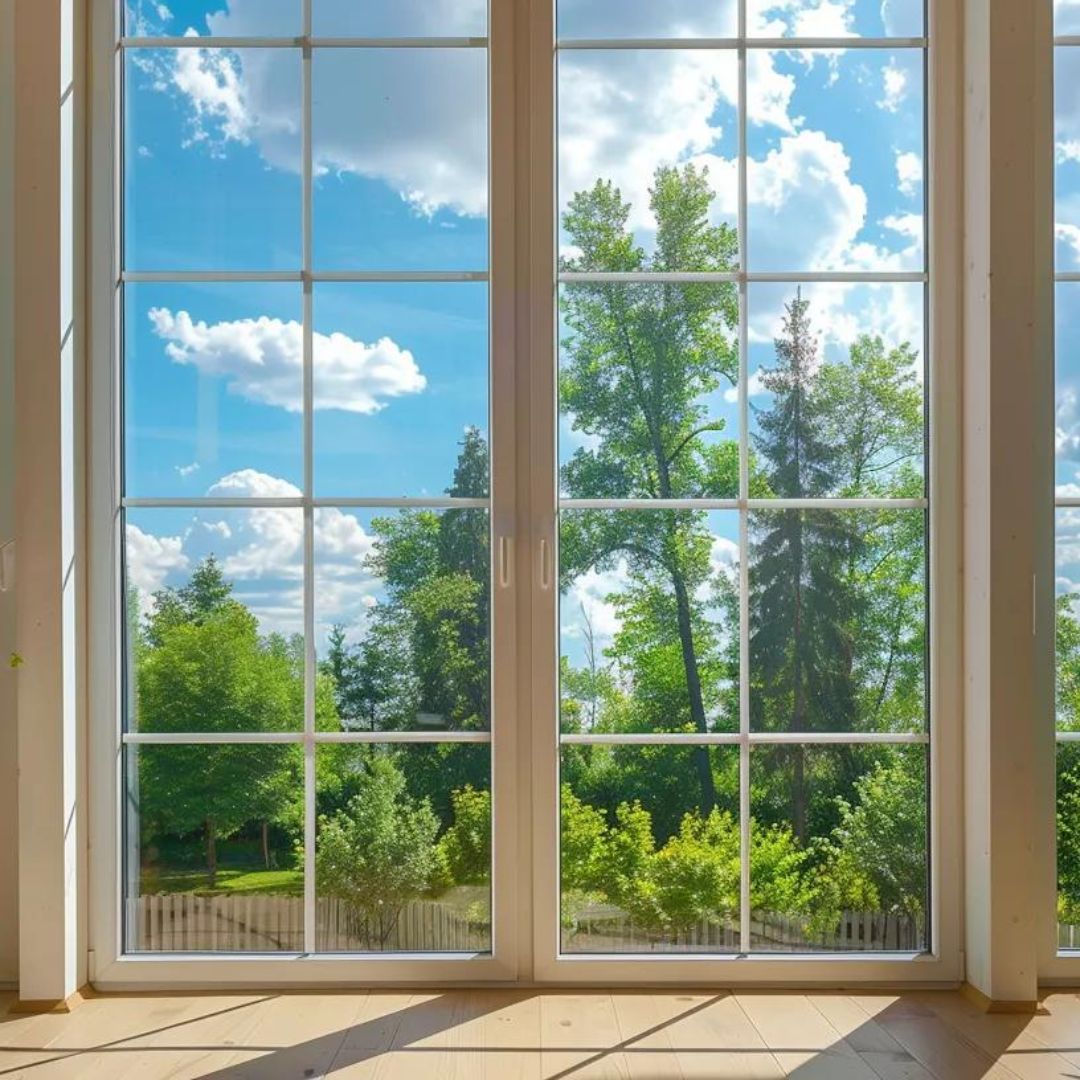

Yes, impact windows are energy efficient. They use laminated glass, Low-E coatings, and insulated frames to block heat, reduce air leaks, and lower your cooling costs. According to the U.S. Department of Energy, heat gain and heat loss through windows account for 25% to 30% of residential heating and cooling energy use. For homeowners in South Florida, where air conditioning runs almost year-round, switching to energy-efficient impact windows can cut electric bills by 12% to 33% per year. This article covers how impact windows save energy, what ratings to look for, how they compare to standard windows, and what South Florida homeowners need to know before upgrading.
Are Impact Resistant Windows Energy Efficient?
Yes, impact resistant windows are energy efficient. They are built with two panes of glass bonded together by a strong polyvinyl butyral (PVB) interlayer. This layered design does more than just stop flying debris during hurricanes. It also slows down heat transfer between the inside and outside of your home.
Many impact windows come with Low-E (low-emissivity) coatings. According to the U.S. Department of Energy, Low-E coatings lower a window's U-factor and can reduce energy loss through the glass by 30% to 50%. In a hot climate like Doral, South Florida, that means your air conditioner does not have to work as hard to keep your home cool.
When impact windows also include argon gas fills between the panes, the insulation gets even better. The National Fenestration Rating Council (NFRC) rates every certified window based on U-factor, Solar Heat Gain Coefficient (SHGC), and other performance measures. The lower the U-factor, the better the window insulates. The lower the SHGC, the less solar heat enters your home. Both of these numbers matter in South Florida, where the sun beats down most of the year.
Families across Doral and Miami-Dade County who upgrade to residential impact windows often notice lower energy bills within the first few months.
Do Impact Windows Reduce Electric Bills?
Yes, impact windows reduce electric bills. ENERGY STAR reports that certified windows can shrink heating and cooling costs by an average of up to 13% nationwide compared to non-certified products. In warm climates like South Florida, the savings can be even greater because cooling makes up the biggest part of the electric bill.
According to the U.S. Energy Information Administration, the average monthly electric bill for residential customers in the South Atlantic region, which includes Florida, was $152.04 in 2024. With energy rates climbing, even a 12% to 15% reduction adds up fast. That could mean saving $18 to $23 per month, or roughly $216 to $276 per year for an average household.
Homeowners who replace old single-pane windows see the biggest difference. Data from Renuity shows that homeowners can save between 12% and 33% on utility bills annually after installing energy-efficient windows. In a state where Florida Power & Light recently approved one of the largest utility rate increases in state history, every dollar saved on energy counts.
The savings come from less strain on your HVAC system. When your windows block more heat from entering your home, your air conditioner cycles less often. That means lower energy use and a longer life for your cooling equipment. Many homeowners in Broward County and Fort Lauderdale notice their AC runs quieter and less frequently after getting impact windows and doors installed.
What Is a Good U-Factor for Windows in Florida?
A good U-factor for windows in Florida is 0.40 or lower. Under the ENERGY STAR Version 7.0 standards, windows in the Southern climate zone must have a U-factor of 0.32 or lower and an SHGC of 0.23 or lower to earn the ENERGY STAR label. The lower these numbers, the better the window performs in hot weather.
According to the University of Florida's Institute of Food and Agricultural Sciences (UF/IFAS), homeowners in Florida's southern climate zone should look for ENERGY STAR-certified windows with an SHGC of 0.25 or lower and a U-factor of 0.40 or less for the whole window unit. A U-factor rating of 0.30 or below is considered very good by the Green Building Alliance.
For impact windows specifically, the Florida Building Code requires laminated glass to meet certain structural standards in the High Velocity Hurricane Zone (HVHZ), which covers Miami-Dade and Broward counties. The good news is that many impact window manufacturers now offer products that meet both hurricane resistance and high energy efficiency standards in a single package.
Homeowners in Kendall and across South Florida who are shopping for new windows should always check the NFRC label on every product. That label gives you the exact U-factor and SHGC numbers so you can compare products side by side.
What Is the 25% Glazing Rule?
The 25% glazing rule is a general guideline used in energy codes and building design. It suggests that the total glass area of a home's windows should not exceed about 25% of the home's total floor area. The goal is to balance natural light with energy efficiency.
When a home has too much glass, more solar heat enters the building. That forces the air conditioning system to work harder. In South Florida, where the sun shines more than 240 days per year, oversized windows without proper glazing can lead to very high cooling costs.
This is where high-performance glazing matters. Impact windows with low SHGC ratings and Low-E coatings let you enjoy large windows and natural light without paying a fortune in energy bills. Homeowners considering sliding glass doors for their South Florida home should pay close attention to the SHGC rating, since larger glass panels let in more solar heat.
Is .27 a Good U-Factor for Windows?
Yes, .27 is a good U-factor for windows. A U-factor of 0.27 is well below the ENERGY STAR threshold for the Southern climate zone, which requires 0.32 or lower under Version 7.0 standards. It means the window provides strong insulation and prevents a lot of heat from passing through the glass and frame.
For context, single-pane windows often have a U-factor above 1.0. Standard double-pane windows without coatings sit around 0.47 to 0.55. A U-factor of 0.27 means you are getting high-performance glass that blocks heat effectively.
Research from the American Council for an Energy-Efficient Economy shows that in hot climates, a low SHGC is actually three times more important for lowering energy bills than the U-factor alone. So while 0.27 is a great U-factor, homeowners in Doral and Miami should also make sure the SHGC is 0.25 or lower for the best results.
What Are the Negatives of Impact Windows?
The negatives of impact windows include higher upfront cost, heavier weight, and longer lead times for custom orders. Impact windows are more expensive than standard windows because of the laminated glass, reinforced frames, and specialized hardware they require.
The weight of impact windows is also greater than standard windows. The multiple layers of glass and PVB interlayer make them heavier, which sometimes requires stronger wall framing or structural adjustments during installation. This is something professional installers handle, but it can add to project time.
Lead times can also be longer. Because impact windows are often custom-built to meet Florida Building Code requirements for the HVHZ, manufacturing and delivery may take several weeks.
However, these negatives are offset by the long-term benefits. Impact windows typically last up to 25 to 30 years. According to data from the Window Replacement Group, the combined savings from lower energy bills, insurance discounts, and increased home value often pay back the initial investment over time. South Florida homeowners who work with experienced installers, like the team at ASP Super Home, find that the process goes smoothly when planned properly.
Is It Worth It to Get Impact Windows?
Yes, it is worth it to get impact windows. They provide hurricane protection, energy savings, noise reduction, UV protection, insurance discounts, and increased home value, all in one upgrade.
According to the Florida Department of Financial Services, homeowners with hurricane-resistant features like impact windows qualify for the highest levels of premium reductions on their homeowners insurance. Florida homeowners typically save between 15% and 45% on the windstorm portion of their insurance premiums after installing impact windows on all exterior openings. That can add up to $450 to $1,350 or more per year in insurance savings alone.
On top of that, the laminated glass in impact windows filters up to 99% of harmful UV rays, according to PGT Windows. That protects your furniture, flooring, and artwork from fading. The noise reduction benefits are also real. The PVB interlayer absorbs sound vibrations, making your home noticeably quieter, even in busy neighborhoods across Doral, Naples, and Fort Lauderdale.
When you combine hurricane safety, energy savings, insurance discounts, and comfort, the value is clear. Homeowners interested in upgrading should request a free estimate to see how impact windows can benefit their specific home.
Do Impact Windows Lower Homeowners Insurance?
Yes, impact windows lower homeowners insurance in Florida. Florida Statute 627.0629 requires insurance companies to offer discounts to homeowners who install approved windstorm protection measures, including impact-resistant windows and doors.
To qualify, every exterior opening in your home, including windows, doors, and skylights, must be covered with impact-resistant products or approved shutters. A licensed inspector then completes a wind mitigation inspection using the official OIR-B1-1802 form from the Florida Office of Insurance Regulation. This form documents your home's protective features and is submitted to your insurance company.
On average, Florida homeowners report saving between 25% to 45% on the windstorm portion of their insurance premium. For homes built to the 2001 Florida Building Code or later, the windstorm discount can be even higher. Over a 20-year period, insurance savings alone can total $9,000 to $27,000, according to industry estimates.
Many homeowners in South Florida pair residential impact doors with impact windows to make sure every opening is covered and to maximize their insurance discount.
Can Impact Windows Withstand Category 5?
Yes, impact windows can withstand Category 5 hurricane conditions when they meet Miami-Dade County's strict testing standards. The large missile impact test fires a 9-pound 2x4 lumber projectile at 50 feet per second (34 mph) at the glass. After impact, the window must also survive 9,000 cycles of positive and negative pressure that simulate Category 5 winds.
Miami-Dade certification is the gold standard for hurricane impact products. Windows that earn this approval are tested to resist wind speeds exceeding 165 mph. This level of protection is critical for homeowners across Miami-Dade, Broward, and the Florida Keys, where building codes require impact-rated products in the HVHZ.
Even after the glass cracks from a direct hit, the PVB interlayer holds the glass together. This prevents wind and water from entering your home, which is what causes the most damage during a hurricane. When wind gets inside through a broken window, the pressure can lift the roof right off the structure. Impact windows prevent that from happening.
For homeowners in South Florida who also need commercial-grade protection, commercial impact windows are built to meet even stricter structural requirements for larger buildings.
Do Impact Windows Qualify for Energy Tax Credits?
Impact windows may qualify for energy tax credits if they meet ENERGY STAR Most Efficient criteria. The federal Energy Efficient Home Improvement Credit (Section 25C) allowed homeowners to claim 30% of qualifying window costs, up to $600 per year for windows. However, this credit expired on December 31, 2025, according to the IRS.
For homeowners who installed qualifying impact windows before that deadline, the credit can still be claimed on their 2025 tax return using IRS Form 5695. The windows must have met the ENERGY STAR Most Efficient performance standards for the Southern climate zone, which required a U-factor of 0.32 or lower and an SHGC of 0.23 or lower.
As of 2026, the federal window tax credit is no longer available for new installations. Congress could extend or modify energy incentives in the future, but nothing is guaranteed at this time. Homeowners should consult their tax advisor for guidance on their specific situation.
Even without the tax credit, the energy savings and insurance discounts from impact windows still make them a strong financial investment for South Florida homeowners. Pairing new impact windows with solar energy systems is another way to cut energy costs and take advantage of available incentives.
What Runs Your Electric Bill Up the Most?
Heating and cooling runs your electric bill up the most. According to the U.S. Energy Information Administration, heating and cooling account for about 52% of all energy usage in American homes. In Florida, where summer temperatures regularly climb above 90 degrees, air conditioning is the single biggest driver of high electric bills.
The average Florida homeowner pays about $157 per month for electricity, according to data compiled from EIA reports. That is higher than the national average of $139 per month. Florida's hot and humid climate means air conditioners run for long stretches, sometimes 10 to 12 hours per day during peak summer.
This is exactly why the energy efficiency of your windows matters so much. Old or poorly insulated windows let solar heat pour into your home, forcing your AC to work overtime. According to the Green Building Alliance, roughly 30% of heating and air conditioning energy is lost through windows in a typical home. Replacing old windows with energy-efficient impact windows in your Doral or South Florida home is one of the most effective ways to bring that number down.
Combining energy-efficient windows with a well-maintained roof also helps. A new metal roof installation reflects solar heat and works together with impact windows to keep indoor temperatures stable.
How to Save 90% on Your Electric Bill
Saving 90% on your electric bill requires a combination of energy-efficient upgrades, not just one change. No single product will cut your bill by 90%, but layering multiple improvements gets you closer to that goal.
Start with the biggest energy wasters. Replace old windows with ENERGY STAR-certified impact windows. Add a reflective metal roof to reduce solar heat absorption. Install a high-efficiency HVAC system. Then consider adding solar panels to generate your own electricity.
According to ENERGY STAR, certified windows alone save up to 13% on heating and cooling costs. A reflective metal roof can lower cooling costs by another 10% to 25%, according to the Department of Energy. Solar panels can offset 50% to 100% of your remaining electric bill depending on the system size and your home's energy use.
South Florida homeowners who combine impact windows, metal roofing, and residential solar panels are seeing dramatic reductions in their monthly energy costs. When you stack these upgrades together, the savings multiply.
Is It Cheaper to Leave a Window Unit Running or Turn It On Every Time You Want?
It is cheaper to turn your window AC unit on only when you need it. Running any air conditioning unit continuously wastes energy, especially during the hours when no one is home or when the outside temperature drops at night.
The U.S. Department of Energy recommends setting your thermostat to 78 degrees when you are home and raising it higher when you are away. A programmable thermostat or smart thermostat can automate this for you.
That said, the best long-term solution for South Florida homeowners is to reduce the cooling load on your home altogether. Impact windows with low SHGC ratings block a large share of solar heat before it ever enters your home. This means your air conditioning runs less, no matter how you manage the thermostat.
Can I Write Off Energy Efficient Windows on My Taxes?
You could write off energy efficient windows on your taxes if they were installed before December 31, 2025. The federal Energy Efficient Home Improvement Credit (Section 25C) provided a 30% tax credit up to $600 per year for qualifying windows, according to the IRS. This credit has now expired for new installations as of January 1, 2026.
If you installed qualifying windows in 2025, you can still claim the credit when you file your 2025 tax return. Your windows must have met ENERGY STAR Most Efficient criteria, and you will need the manufacturer's Qualified Manufacturer Identification Number (QMID) to file properly using IRS Form 5695.
Going forward, no federal tax credit currently exists for window installations made in 2026 or later. However, state and local incentives may still be available in some areas. Florida's My Safe Florida Home program has historically provided free wind mitigation inspections and grants for qualifying homeowners, which is worth looking into.
For a full home energy upgrade in South Florida, many homeowners combine impact windows with solar battery backup systems to maximize savings and prepare for power outages during hurricane season.
Impact Windows vs. Standard Windows: Energy Efficiency Comparison
The table below compares key energy performance features of impact windows, standard single-pane windows, and standard double-pane windows.
Sources: U.S. Department of Energy, ENERGY STAR, National Fenestration Rating Council (NFRC), Renuity, Florida Department of Financial Services
As the table shows, impact windows outperform standard windows in every energy-related category. The combination of better insulation, solar heat control, and UV filtration makes them the best choice for South Florida homeowners who want to lower energy bills while staying protected during hurricane season.
Homeowners who are also updating their home's exterior should consider pairing new impact windows with exterior painting for a complete refresh that boosts curb appeal and efficiency at the same time.
What Is the 45 Degree Rule for Windows?
The 45 degree rule for windows is a design guideline used in building and natural lighting design. It states that unobstructed daylight should reach the back of a room at a 45-degree angle measured from the top of the window. The rule helps architects and builders place windows to maximize natural light penetration.
In South Florida, good natural lighting design reduces the need for artificial lighting during the day, which saves electricity. But more glass also means more solar heat gain. That is why pairing proper window placement with low-SHGC impact glass is so important. You get the light without the extra heat.
Homeowners who are building new or doing a full home renovation in the Doral area should work with their contractor to apply this rule. The right window placement, combined with energy-efficient impact glass, creates a home that is bright, comfortable, and affordable to cool.
Can I Get a Grant to Upgrade My Windows?
You may be able to get a grant or financial assistance to upgrade your windows in Florida. The My Safe Florida Home Program, run by the Florida Division of Emergency Management, has historically offered free wind mitigation inspections and matching grants for qualifying homeowners to strengthen their homes against hurricanes.
Grant availability changes based on state funding. When active, the program has helped homeowners cover a portion of the cost for hurricane mitigation upgrades, including impact windows. Eligibility is typically based on home value, homestead exemption status, and whether the home is in a wind-borne debris region.
Beyond state programs, many entry doors and window projects can be financed through PACE (Property Assessed Clean Energy) programs in Florida. These programs let homeowners pay for energy-efficient and storm-hardening upgrades through their property tax bill, with no money due upfront.
What Is 33 Window Glazing Used For?
The number 33 in window glazing refers to a specific glass configuration that describes the thickness of the laminated glass. In the impact window industry, a "33" glazing typically means two pieces of 3mm glass laminated together with a PVB interlayer. This is a common configuration for impact-rated windows that need to meet Florida Building Code standards.
Thicker glazing options, like "44" (two pieces of 4mm glass) or "55" (two pieces of 5mm glass), are used for larger windows or higher design pressure requirements. The glazing configuration you need depends on the window size, location, and the wind speed rating required by your local building code.
For most residential homes in Doral and South Florida, a 33 or 44 glazing with Low-E coating and argon gas fill provides a strong balance of hurricane protection and energy efficiency. Your window installer can recommend the right configuration based on your home's specific needs and the structural requirements of your area.
Frequently Asked Questions
Do Impact Windows Help With Hurricane Season and Energy Bills at the Same Time in South Florida?
Yes, impact windows help with both hurricane protection and energy savings at the same time in South Florida. The same laminated glass that resists flying debris also blocks solar heat and UV rays. Homeowners in Doral, Miami, and Broward County get storm protection plus lower cooling bills in a single upgrade. According to the U.S. Department of Energy, windows are responsible for 25% to 30% of heating and cooling energy use in homes.
How Much Can I Save on My Electric Bill With Impact Windows in Doral?
Homeowners in Doral can save between 12% and 33% on their electric bills after installing energy-efficient impact windows. The exact savings depend on the age and condition of your current windows, the size of your home, and the efficiency rating of the new windows. With the average Florida electric bill running about $157 per month, even a 15% reduction saves around $282 per year.
Are Impact Windows Required by Code in Miami-Dade County?
Yes, impact windows are required by code in Miami-Dade County's High Velocity Hurricane Zone. The Florida Building Code mandates that all exterior openings in the HVHZ must be protected with impact-resistant products. This applies to new construction and to any window replacement projects in the zone. Broward County has similar requirements.
Do I Need Impact Windows on Every Opening to Get an Insurance Discount in Florida?
Yes, you need impact-resistant protection on every exterior opening, including windows, doors, and skylights, to qualify for the full opening protection insurance discount in Florida. Partial upgrades may receive a smaller discount. A certified wind mitigation inspection using the OIR-B1-1802 form is required to document your home's protection.
What SHGC Rating Should I Look For in South Florida?
You should look for an SHGC of 0.25 or lower for impact windows in South Florida. Under ENERGY STAR Version 7.0, the Southern climate zone requires an SHGC of 0.23 or lower. A lower SHGC means the window blocks more solar heat, which is the top priority for reducing cooling costs in Florida's hot climate. According to the American Council for an Energy-Efficient Economy, SHGC is three times more important than U-factor for lowering energy bills in hot climates.
Can I Pair Impact Windows With Solar Panels to Save More on Energy?
Yes, pairing impact windows with solar panels is one of the most effective ways to reduce energy costs in South Florida. Impact windows lower the amount of energy your home needs for cooling, while solar panels generate clean electricity to power your home. Together, they can dramatically reduce or even eliminate your monthly electric bill. ASP Super Home offers both impact windows and solar energy systems to help homeowners get the most from each upgrade.
How Long Do Impact Windows Last in South Florida's Climate?
Impact windows last 25 to 30 years in South Florida's climate when properly installed and maintained. The vinyl and aluminum frames used in modern impact windows are designed to resist corrosion from salt air and humidity. The laminated glass does not degrade from sun exposure. This long lifespan means your energy savings compound year after year, making impact windows one of the best long-term investments for any South Florida home.
Final Thoughts
The energy efficiency of impact windows makes them one of the smartest upgrades a South Florida homeowner can make. They block solar heat, cut UV rays by up to 99%, reduce noise, strengthen your home against hurricanes, and lower your monthly electric bills. When you add in insurance discounts of 15% to 45% on windstorm premiums, the financial case is strong.
With Florida electricity rates on the rise and severe weather becoming more common, there is no better time to invest in your home's energy performance. Impact windows pay for themselves over time through lower utility costs, reduced insurance premiums, and a higher home value.
If you are ready to make your home more energy efficient and storm-ready, the team at ASP Super Home is here to help. With locations in Doral, Broward, Fort Lauderdale, Kendall, Naples, and Fort Myers, ASP Super Home has been serving South Florida families since 2006. Call 786-933-9815 or request a free estimate today to get started on your impact window and door upgrade.
Meet With a Project Manager
Your first conversation is with a Project Manager who takes the time to understand your goals, walk you through your options, and stays connected throughout your project — from the initial consultation through the final walkthrough.
.avif)
.avif)
.avif)
%201.avif)
Insights & Resources
Stay informed with expert tips on roofing materials, hurricane codes, repairs, and South Florida construction standards.


%201.avif)
%201%20(1).avif)
%201.svg)
%201%20(1)%20(1).png)
.png.png)
.png%20(1).png)
.png%20(2).png)
.avif)
.avif)


.png)
.svg)
.png)