


Comparing Hurricane Impact Window Brands
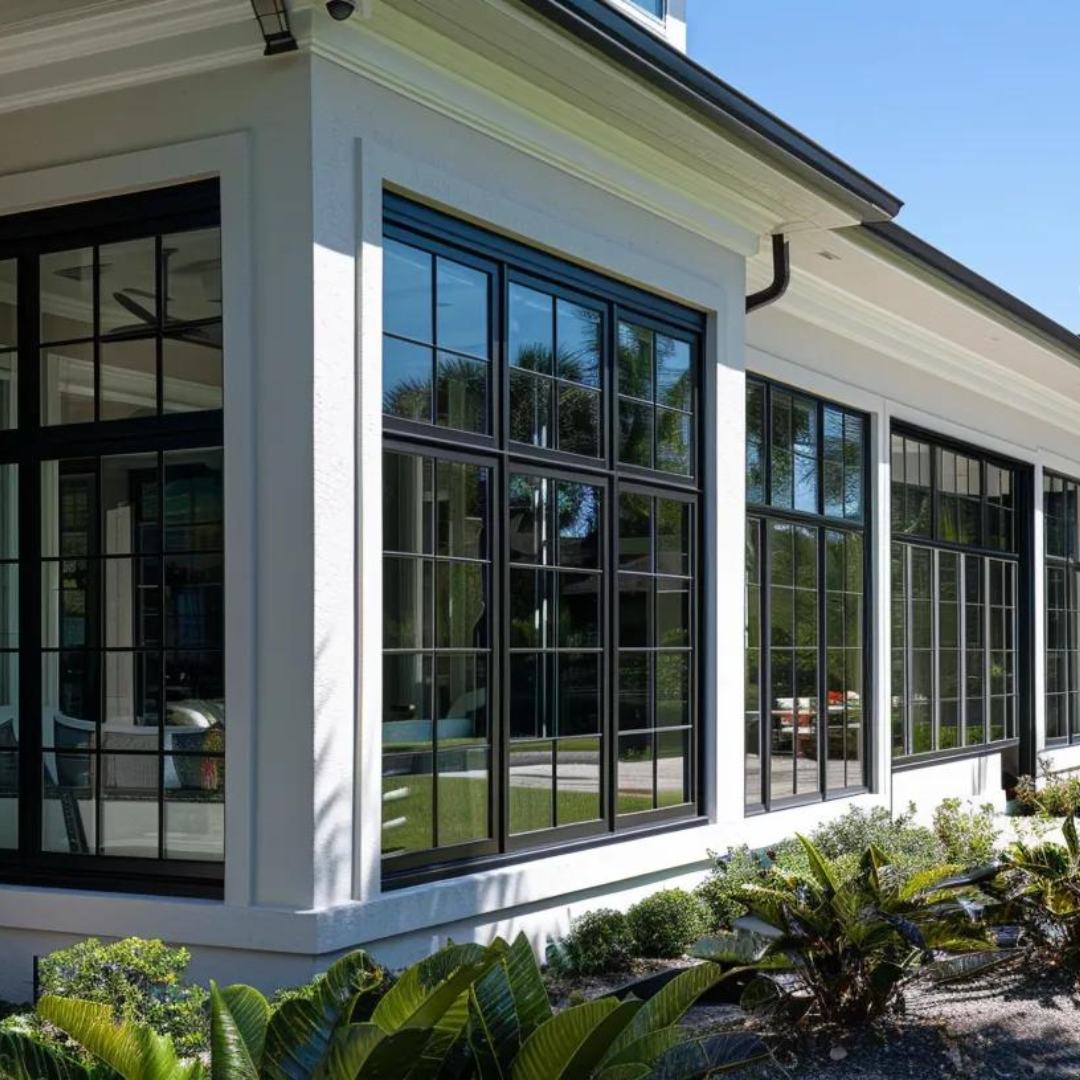

The best hurricane impact window brands for South Florida homes include PGT, ES Windows, ECO, Andersen, Pella, and Custom Window Systems (CWS). Each brand offers different levels of storm protection, energy efficiency, and design options. Choosing the right one depends on your budget, your home's location, and how much wind resistance you need. This guide breaks down the top brands side by side so you can pick the best fit for your home.
Who Makes the Best Hurricane Impact Windows?
The best hurricane impact window makers are PGT, ES Windows, ECO, Andersen, Pella, and CWS. Each brand focuses on different strengths. PGT is the largest impact window maker in North America and has been in business since 1980. ES Windows has become one of the most popular brands in South Florida because of its strong standard features at a competitive price. ECO offers budget-friendly options for homeowners who want basic storm protection without a premium price tag. According to NOAA's National Centers for Environmental Information, Florida experienced 94 confirmed billion-dollar weather and climate disasters between 1980 and 2024. That includes 36 tropical cyclone events alone. With that kind of storm history, homeowners across Doral, Miami-Dade, Broward, and Palm Beach counties need windows they can trust. Brands like Andersen and Pella are well known for replacement windows in northern states. They do make impact-rated products for Florida, but their main focus has always been non-impact windows. PGT, ES Windows, and CWS were built from the ground up for hurricane zones. That gives them a clear edge when it comes to residential impact windows in South Florida.
What Are the Top 5 Hurricane Impact Window Brands?
The top 5 hurricane impact window brands are PGT, ES Windows, CWS, Andersen, and Pella. These five brands cover a wide range of budgets, styles, and performance levels for homeowners in hurricane zones. PGT Innovations, headquartered in North Venice, Florida, operates under several brands including the WinGuard, Sparta, and WinDoor product lines. According to industry data, PGT holds the most Miami-Dade certifications in the impact window industry. Their WinGuard line is rated to withstand wind speeds up to 175 mph, which equals a Category 5 hurricane on the Saffir-Simpson scale. ES Windows has quickly grown into one of the most popular impact window brands across South Florida. Their Multimax line includes reinforced aluminum and heat-strengthened glass as standard features. Most other manufacturers charge 30% to 50% more for those same upgrades. That makes ES Windows a strong value pick for homeowners in the Doral and Miami-Dade area. CWS, based in Ocala, Florida, operates from a 250,000 square foot manufacturing facility. Their Hurricane Guard product line meets Florida's strictest building codes. According to Builder Magazine, CWS has earned top rankings for overall quality and maintains around 94% customer satisfaction ratings. Andersen Windows has been making windows since 1903. Their Stormwatch protection line features laminated impact glass with Low-E4 coatings for energy efficiency. Pella Corporation operates from around 20 manufacturing locations across the U.S. and Canada. Their Hurricane Shield Series uses laminated, shatter-resistant glass that blocks 99.7% of harmful UV rays, according to the manufacturer. Families across South Florida who want to compare these brands in person can visit a local showroom for impact windows and doors to see the differences up close.
Which Is Better, PGT or CGI Windows?
PGT is the better overall choice because CGI Windows was discontinued by its parent company, PGT Innovations, in November 2025. The CGI brand is no longer manufacturing new products. Only the Sparta product line survived, and it has been rebranded under PGT. Before the shutdown, CGI was known for heavy-gauge aluminum frames and a strong focus on durability. Their Sentinel and Sparta series both met Miami-Dade HVHZ requirements. PGT, on the other hand, has always offered more customization. You can choose from different frame colors, hardware finishes, and glass tints. PGT's WinGuard line combines two glass panes with a polyvinyl butyral (PVB) interlayer. This sandwich construction keeps glass fragments attached if the window cracks on impact. According to testing data, PGT's EnergyVue line delivers U-factor values between 0.25 and 0.31, along with Solar Heat Gain Coefficient (SHGC) values between 0.17 and 0.29. If you were considering CGI, ES Windows is now the closest alternative in the same price range. Many Broward County and Miami-Dade homeowners have made that switch since the CGI shutdown. Picking the right window brand matters, and so does choosing the right entry doors to complete your home's storm protection.
Are There Different Grades of Hurricane Impact Windows?
Yes, there are different grades of hurricane impact windows. Windows are rated by their Design Pressure (DP) rating, which measures how much wind pressure they can handle in pounds per square foot. A higher DP number means a stronger window. The Performance Grade (PG) system offers a simple breakdown. According to ASTM International testing standards, PG 10 covers Category 1 hurricanes (74 to 95 mph). PG 20 covers Category 2 (96 to 110 mph). PG 30 covers Category 3 (111 to 129 mph). PG 40 covers Category 4 (130 to 156 mph). PG 50 handles Category 5 storms with wind speeds above 157 mph. All impact windows must pass the large missile test under ASTM E1886 and E1996 standards. During this test, a 9-pound 2x4 piece of lumber is shot at the window at 50 feet per second. After the impact, the window must survive 9,000 cycles of alternating positive and negative pressure to simulate real hurricane conditions. Homeowners across Doral and the broader South Florida region should look for windows that at least meet Miami-Dade County Notice of Acceptance (NOA) standards. Homes in the High Velocity Hurricane Zone, which includes Miami-Dade and Broward counties, must meet the strictest building codes in the state. Professional installers who handle commercial impact windows can explain which DP ratings are required for your specific property.
Can Impact Windows Withstand a Category 5 Hurricane?
Yes, certain impact windows can withstand a Category 5 hurricane. Premium impact windows from brands like PGT, ES Windows, and CWS are tested to resist wind speeds up to 175 mph or higher. A Category 5 hurricane starts at 157 mph on the Saffir-Simpson scale, so top-rated products provide a solid buffer above that threshold. It is important to know that "Category 5 rated" is a marketing term, not an official product certification. No testing body, including ASTM, Miami-Dade County, or the Florida Building Code, certifies windows by hurricane category. They use Design Pressure ratings instead. A DP rating of around 50 generally corresponds to Category 5 wind pressures for a typical single-story home. According to NOAA, Hurricane Milton in 2024 rapidly intensified into a Category 5 storm with 180 mph sustained winds before weakening to Category 3 at landfall near Siesta Key, Florida. That storm caused an estimated $34.3 billion in damages. Hurricane Helene, a Category 4 storm with 140 mph winds, caused $78.7 billion in damages in 2024. These back-to-back storms proved why South Florida homeowners need the strongest possible window protection. Even if impact glass cracks during a direct hit, the laminated interlayer holds the pieces together. This keeps wind and water from entering your home, which protects the entire structure. Homeowners in South Florida who need full protection should also consider upgrading their sliding glass doors since those are often the largest and most vulnerable openings.
Is Pella Better Than Andersen for Impact Windows in Florida?
No, Pella is not better than Andersen for impact windows in Florida, and neither brand is the top choice for homeowners in the South Florida market. Both Pella and Andersen make high-quality windows, but their core business has always been non-impact products for colder climates. Brands like PGT, ES Windows, and CWS were designed specifically for hurricane zones and typically offer more impact-focused options at lower price points. Andersen's Stormwatch line uses Fibrex composite frames, which are stronger than standard vinyl. Pella's Hurricane Shield Series uses laminated, shatter-resistant glass. Both meet Florida Building Code requirements, and some products hold HVHZ approval for Miami-Dade and Broward counties. The biggest downside of Pella and Andersen in South Florida is price. According to multiple Florida contractors, Renewal by Andersen and Pella impact products often cost about twice as much as comparable options from PGT or ES Windows. You get a well-known national brand name, but you do not necessarily get better storm protection for the extra money. For South Florida homeowners who want premium aesthetics and are willing to pay more, both brands can work. But for most families in Doral, Kendall, Fort Lauderdale, and the surrounding areas, a Florida-made brand delivers better value and performance. Working with an experienced local installer who carries top Florida brands makes the biggest difference when it comes to residential impact doors and windows.
Are Vinyl or Aluminum Impact Windows Better in Florida?
Aluminum impact windows are generally better for Florida because of their superior strength and resistance to high winds. Aluminum frames are 4 to 11 times stronger than vinyl, according to industry testing data. That extra strength makes aluminum ideal for larger window openings and homes in the highest wind zones. Vinyl impact windows do have advantages. They will not rust or corrode, they provide better thermal insulation, and they cost less upfront. For homeowners in inland areas like Kendall or western Broward County, vinyl can be a smart and affordable choice. In coastal South Florida cities like Miami Beach, Fort Lauderdale, or Doral, aluminum frames with proper powder coating are the more popular option. Salt air can cause corrosion over time, but high-quality powder-coated aluminum resists this well. ES Windows and PGT both offer reinforced aluminum frames with marine-grade 6063-T5 aluminum alloy that handles the coastal environment. The U.S. Department of Energy reports that windows can account for 25% to 30% of a home's total energy loss. Vinyl frames insulate better than aluminum, which means lower cooling costs during South Florida's long, hot summers. If energy savings are your top priority, vinyl with Low-E glass coatings is worth considering. Pairing the right frame material with energy-efficient glass can also complement a solar energy system to reduce utility costs even more.
What Is the Best Thickness for Impact Windows?
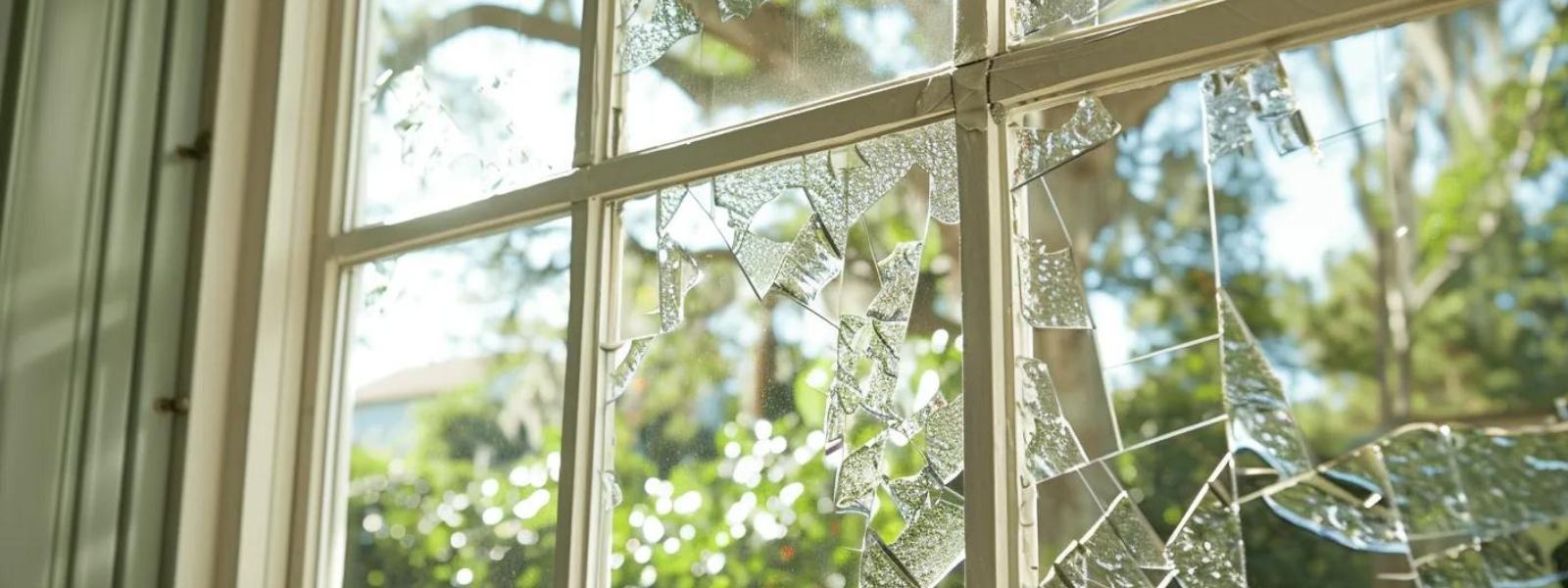
The best thickness for impact windows is 7/16 inch or thicker for the laminated glass unit. Standard impact glass starts at 5/16 inch, which provides a Design Pressure rating around +65/-65 psf. That translates to roughly 161 mph of wind resistance, according to product testing data. Thicker glass options offer even higher ratings for homes that need maximum protection. The glass in impact windows is made of two or three panes bonded together with a PVB (polyvinyl butyral) or SGP (SentryGlas Plus) interlayer. SGP interlayers are about five times stronger and 100 times stiffer than standard PVB, according to manufacturer specifications. Windows with SGP interlayers can roughly double the PSF rating of the window system. For most homes in Doral and the greater Miami-Dade area, 5/16-inch laminated glass meets code requirements. But if your home is on the coast, in a high-rise, or in a corner unit where wind pressures are higher, going with thicker glass or an SGP interlayer is the smarter move. A trusted installer can evaluate your home's specific exposure and recommend the right thickness. The same attention to detail applies when choosing French doors with impact glass for hurricane protection.
Can Burglars Break Impact Windows?
No, burglars cannot easily break impact windows. The laminated glass construction that stops hurricane debris also makes these windows extremely hard to break through. Even with tools, getting through an impact window takes a very long time and creates a lot of noise. That makes impact windows one of the best deterrents against break-ins. According to the FBI's Uniform Crime Reporting data, most residential burglaries happen through a window or door. Standard glass shatters with a single hit, giving a burglar quick access. Impact windows crack but hold together because of the PVB or SGP interlayer. A burglar would need to spend several minutes hitting the same spot repeatedly, which greatly increases the risk of being caught. Many South Florida homeowners install impact windows for security just as much as hurricane protection. In neighborhoods across Doral, Coral Gables, and Aventura, impact windows provide 24/7 protection against both storms and intruders. This constant security is a major upgrade over traditional shutters, which only go up before a storm and come down after. Homeowners looking for full perimeter protection should also consider impact-rated commercial impact doors for businesses or large residential entryways.
Can I Get a Tax Credit for Impact Windows in Florida?
Yes, you can get financial help for impact windows in Florida through the My Safe Florida Home program. This state-run program offers matching grants of up to $10,000 for hurricane protection upgrades, including impact windows, impact doors, and roof improvements. For every $1 you spend, the state contributes $2, up to the $10,000 cap. For the 2025 to 2026 fiscal year, the Florida Legislature allocated $280 million in new funding for the program. Low-income homeowners can receive up to $10,000 without the matching requirement. To qualify, your home must be a single-family detached residence with a homestead exemption, insured for $700,000 or less, and built before January 1, 2008. According to the Florida Department of Financial Services, homeowners who participate in the program save an average of $932 per year on insurance premiums. The program also offers a free wind mitigation inspection to identify which upgrades your home needs. Grant applications are processed on a first-come, first-served basis, so applying early is important. On the federal side, Energy Star-certified impact windows may qualify for a tax credit of up to $600 per year under the federal energy efficiency tax credit program. Talk to a tax professional to confirm your specific eligibility. Getting a free estimate is the first step toward figuring out the total cost and potential savings for your project.
What Is the Cheapest Time of Year to Buy Impact Windows?
The cheapest time of year to buy impact windows is during the fall and winter months, typically from October through February. Demand for impact windows drops after hurricane season ends in November. Manufacturers and installers often run promotions during this slower period to keep their crews busy. Ordering impact windows in the off-season also means shorter lead times. During peak season, from April through September, wait times can stretch to several weeks or even months as homeowners rush to prepare before storms arrive. In the off-season, you can often get faster delivery and quicker installation. Another way to save is to bundle your project. Installing impact windows and impact doors at the same time often qualifies for volume discounts. Many South Florida installers offer financing options with $0 down and affordable monthly payments, which makes it easier to move forward without waiting for the "perfect" time to buy.
Who Bought Out PGT Windows?
MITER Brands acquired PGT Innovations in 2024. MITER Brands is a large window and door company that also owns other well-known brands. The acquisition expanded PGT's reach and resources in the residential and commercial window market across the country. Before the acquisition, PGT already operated under several brand names, including CGI, WinDoor, Western Window Systems, Anlin Windows and Doors, Eze-Breeze, and NewSouth Window Solutions. PGT employs approximately 5,600 workers across multiple locations. The company was originally founded in 1980 in Venice, Florida, when Paul Hostetler and Rod Hershberger launched Vinyl Tech. After the MITER Brands acquisition, PGT discontinued the CGI brand in November 2025. The CGI Sparta product line was absorbed into the PGT brand. WinDoor continues as PGT's premium line, offering features like Diamond Glass, which is comparable in strength to heat-strengthened glass but lighter and more scratch-resistant. For South Florida homeowners, the PGT acquisition has not changed product availability. PGT products remain widely available through licensed installers across Doral, Broward County, and the rest of South Florida. A qualified contractor who specializes in impact windows and doors can walk you through the current PGT product lineup and help you choose the right option.
How Long Do Hurricane Impact Windows Last?
Hurricane impact windows last between 20 and 30 years on average. Some premium brands can last even longer with proper maintenance. The lifespan depends on the quality of the glass, the frame material, the installation, and how much exposure the windows get to salt air, sun, and storms. Aluminum-framed impact windows tend to hold up well in South Florida's climate, especially when they have high-quality powder coating to resist corrosion. Vinyl frames will not corrode but can become brittle after decades of intense sun exposure. Regular cleaning of the glass, tracks, and hardware helps extend the life of any impact window system. According to Consumer Reports, the laminated glass in impact windows is bonded with a durable interlayer that maintains its integrity for the full lifespan of the product. Warranties vary by brand. PGT and ES Windows typically offer 10-year warranties on glass and frame. ECO offers warranties up to 5 years, which is shorter than most other brands. Andersen offers a 20-year product warranty and a transferable, limited warranty on glass. Homeowners in South Florida should schedule an inspection every few years to check seals, hardware, and frame condition. When it is time to replace aging windows, combining the project with a metal roof installation can maximize your home's overall storm protection and insurance savings.
Hurricane Impact Window Brand Comparison Table
Do Impact Windows Lower Your Insurance in Florida?
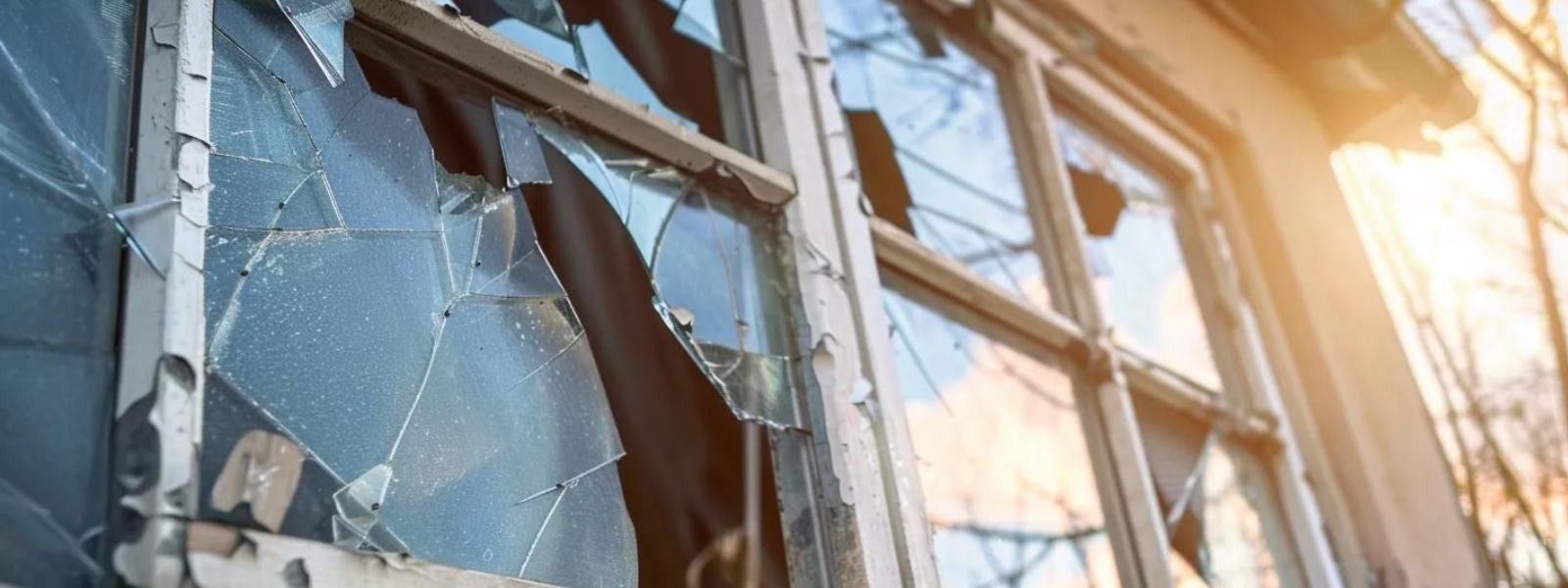
Yes, impact windows lower your insurance in Florida. The Florida Department of Financial Services confirms that homeowners can receive up to 10% to 45% off their windstorm insurance premiums for approved wind mitigation upgrades like impact windows. The exact discount depends on your insurance provider, your home's location, and how complete your hurricane protection is. Florida Statute 627.0629 requires insurance companies to offer actuarially reasonable discounts for homeowners who install certified impact-resistant products. To qualify, you need a wind mitigation inspection. A licensed inspector fills out the Uniform Mitigation Verification Inspection Form (OIR-B1-1802), which documents your home's protective features. This form is then submitted to your insurance company. Most South Florida homeowners see annual savings between $500 and $3,000 after installing impact windows and filing a wind mitigation report, according to multiple industry sources. Homes closer to the coast in areas like Fort Lauderdale, Doral, and Miami Beach typically see larger discounts because they sit in higher-risk zones. The savings add up fast. Over a 10-year period, a 25% discount on a $4,500 annual premium means $11,250 back in your pocket. Combining impact windows with a strong standing seam metal roof can unlock even greater insurance credits since insurers look at your entire building envelope.
What Is the $10,000 Grant for Windows in Florida?
The $10,000 grant for windows in Florida is the My Safe Florida Home program. This state-funded program provides matching grants of up to $10,000 to help homeowners pay for hurricane protection improvements, including impact windows, impact doors, shutters, and roof upgrades. For the 2025 to 2026 year, the Florida Legislature approved $280 million in total funding for the program. Standard grants reimburse up to two-thirds of the project cost, capped at $10,000. Low-income homeowners can receive the full $10,000 without the matching requirement. To qualify, your home must have a homestead exemption, an insured value of $700,000 or less, and a building permit issued before January 1, 2008. The program works as a reimbursement. You pay for the work first, then submit your documentation to get reimbursed. You must complete a free wind mitigation inspection through the program before starting any work. Only improvements recommended in the inspection report are eligible for funding. Applications are processed first-come, first-served, so early action is important. According to the program's official data, thousands of Florida homeowners saved an average of $932 per year on insurance by completing approved upgrades. That means the grant not only helps cover upfront costs but also leads to long-term savings on your annual premiums.
Is JELD-WEN a Good Choice for Impact Windows in Florida?
No, JELD-WEN is not the best choice for impact windows in Florida. JELD-WEN is a large, global window manufacturer headquartered outside of the Florida market. While they do offer some storm-resistant products, their primary focus is on standard windows and doors for general residential and commercial construction. JELD-WEN does not have the same level of Florida-specific engineering, testing, and code compliance as brands like PGT, ES Windows, or CWS. In the South Florida market, local contractors and homeowners overwhelmingly prefer brands that were built from the ground up for hurricane zones. These Florida-focused manufacturers hold more Miami-Dade NOA certifications and offer product lines specifically designed for the High Velocity Hurricane Zone. If you are considering JELD-WEN, compare their DP ratings, warranty terms, and HVHZ certifications against PGT, ES Windows, and CWS before making a decision. For most homeowners in Doral, Miami-Dade, and Broward counties, a Florida-made impact window brand is the smarter investment.
Are Andersen Windows as Good as Impact Window Brands Made in Florida?
No, Andersen windows are not as good as Florida-made impact window brands for hurricane protection in South Florida. Andersen makes excellent windows for general use, but their core business focuses on non-impact products for colder climates. Florida-based brands like PGT, ES Windows, and CWS design every product with hurricanes as the number-one priority. Andersen's Stormwatch line does meet Florida Building Code requirements and holds some HVHZ approvals. Their Fibrex composite frames are strong and resist rot. But in a head-to-head comparison with PGT's WinGuard or ES Windows' Multimax, the Florida brands typically offer more impact-specific features at a lower price point. According to multiple South Florida industry professionals, Andersen and Pella products can cost roughly twice as much as comparable Florida-made impact windows without delivering significantly better storm performance. For homeowners who prioritize value and hurricane readiness, Florida brands remain the top choice. Pairing impact windows with a strong new roof, like a shingle roof replacement, gives your home the best chance of surviving a major storm.
Frequently Asked Questions
What Is the Number One Rated Impact Window Brand in South Florida?
The number one rated impact window brand in South Florida is PGT. PGT holds the most Miami-Dade certifications in the industry and has been making impact windows since 1980. Their WinGuard line is rated for wind speeds up to 175 mph. With approximately 5,600 employees and multiple product lines, PGT is the largest impact window manufacturer in North America. South Florida homeowners from Doral to Fort Lauderdale consistently choose PGT for its proven track record.
How Much Do Impact Windows Save on Energy Bills in South Florida?
Impact windows save South Florida homeowners between $400 and $1,200 per year on energy bills. The U.S. Department of Energy reports that windows can account for 25% to 30% of a home's energy loss. Impact windows with Low-E coatings and insulated glass cut cooling costs by keeping hot air out during South Florida's long summers. Homes in Miami-Dade County that replace single-pane windows with impact glass see some of the highest savings.
Do I Need Impact Windows if I Already Have Hurricane Shutters?
No, you do not need impact windows if you have approved hurricane shutters, but impact windows are the better long-term investment. Shutters require manual installation before every storm, while impact windows protect your home 24/7 against hurricanes, break-ins, UV damage, and noise. According to the Florida Office of Insurance Regulation, both options qualify for insurance discounts, but full opening protection with impact windows typically earns a higher credit.
What Is the Best Frame Material for Impact Windows in Coastal Doral?
The best frame material for impact windows in coastal Doral is powder-coated aluminum. Aluminum frames are significantly stronger than vinyl and handle larger window openings better. In Doral's climate, where salt air and humidity are constant factors, marine-grade aluminum with proper powder coating resists corrosion and maintains its structural integrity for decades. Vinyl frames are a solid secondary option for inland homes where salt exposure is lower.
How Long Does It Take to Install Impact Windows in a South Florida Home?
It takes 1 to 3 days to install impact windows in a typical South Florida home. The exact timeline depends on the number of windows, the size of the openings, and the complexity of the installation. Larger homes or custom projects may take longer. Permitting, which is required by Florida Building Code, can add time to the overall process. Working with a licensed contractor who handles permitting in-house speeds things up.
Are Impact Windows Required by Code in Miami-Dade County?
Yes, impact windows or approved hurricane shutters are required by code in Miami-Dade County. Miami-Dade and Broward counties fall within the High Velocity Hurricane Zone (HVHZ), which enforces the strictest wind resistance requirements in the state of Florida. All exterior openings, including windows, doors, skylights, and garage doors, must have approved impact protection. According to the Florida Building Code, HVHZ requirements apply to all new construction and major renovations.
Can I Finance Impact Windows With $0 Down in South Florida?
Yes, you can finance impact windows with $0 down in South Florida. Many licensed installers offer PACE financing through programs like Ygrene, Renew Financial, and Fortifi. Traditional financing through lenders like Wells Fargo, GreenSky, and GoodLeap is also available. Terms can extend up to 25 years, with fast approval and affordable monthly payments. Financing makes it possible to install top-rated impact windows now without waiting.
Final Thoughts
Comparing hurricane impact window brands is one of the most important decisions a South Florida homeowner can make. The right brand protects your family, lowers your insurance, saves energy, and adds value to your home for decades. PGT, ES Windows, CWS, Andersen, and Pella each have strengths, but Florida-made brands consistently deliver the best combination of storm protection and value for homes in Doral, Miami-Dade, Broward, and Palm Beach counties. Do not wait until the next hurricane threatens to start this process. Call ASP Super Home today to schedule a free consultation. With 19 years of experience, over 10,000 satisfied families, and partnerships with the top impact window and door brands, ASP Super Home makes it easy to find the perfect fit for your home and your budget. Request your free estimate now and take the first step toward turning your house into a SuperHome.
Meet With a Project Manager
Your first conversation is with a Project Manager who takes the time to understand your goals, walk you through your options, and stays connected throughout your project — from the initial consultation through the final walkthrough.
.avif)
.avif)
.avif)
%201.avif)
Insights & Resources
Stay informed with expert tips on roofing materials, hurricane codes, repairs, and South Florida construction standards.


%201.avif)
%201%20(1).avif)
%201.svg)
%201%20(1)%20(1).png)
.png.png)
.png%20(1).png)
.png%20(2).png)
.avif)
.avif)


.png)
.svg)
.png)