


Choosing the Right Time for Window Replacement

The best time for window replacement is before your old windows start costing you money through high energy bills, poor storm protection, or both. For South Florida homeowners in Doral, Miami, Fort Lauderdale, and beyond, that decision carries even more weight. Hurricane season, year-round heat, and salt air exposure mean your windows work harder than almost anywhere else in the country.
But here's the thing: while you can replace windows any time of year, some seasons give you a clear edge on pricing, scheduling, and installation quality. This guide breaks down the best time of year for window replacement, how long window installation takes, when windows are cheapest, and what Doral homeowners and South Florida families specifically need to know before starting a project.
Why Timing Your Window Replacement Matters
It Affects Your Wallet
Timing plays a big role in how much you pay. During peak seasons spring and summer demand for window installers goes up. That means higher labor costs and longer wait times. Off-peak months like late fall and winter often bring lower prices, better scheduling flexibility, and special promotions from contractors looking to fill their calendars.
According to the U.S. Department of Energy, old and poorly performing windows can account for 25–30% of a home's heating and cooling energy loss. In South Florida, where your A/C runs almost year-round, that percentage can hit your monthly budget hard. Replacing windows sooner rather than later stops that leak in your wallet.
It Affects Installation Quality
Weather conditions matter during installation. Sealants and caulk need the right temperature range to bond properly. Extremely hot conditions like a Doral afternoon in August can cause sealants to dry too fast, which may affect the quality of the seal. Mild weather gives installers ideal working conditions, which means better results for your home.
It Affects Your Hurricane Readiness
For Doral homeowners and families across Miami-Dade and Broward counties, there's another layer to this decision: hurricane season. The Atlantic hurricane season runs from June 1 through November 30 each year. If your windows are not impact-rated, waiting until summer to start the replacement process could leave your home exposed during the most dangerous months.
Best Time of Year for Window Replacement in South Florida
Choosing the right time for window replacement depends on what matters most to you savings, scheduling, or storm prep. Let's walk through each season.
Winter (December – February): Best for Deals and Fast Scheduling
Winter is often the sweet spot for South Florida homeowners. While other parts of the country deal with snow and freezing temps, our winters in Doral and Miami are mild, dry, and comfortable perfect for window installation.
Because demand drops in winter, contractors tend to have more open availability. Many companies offer end-of-year or New Year promotions to meet sales goals. If saving money is your top priority, winter might be the best time of year for window replacement in your area.
Advantages of winter replacement include lower prices due to reduced demand, faster scheduling with more appointment options, comfortable installation temperatures in South Florida's mild winters, and lower humidity that helps sealants bond effectively.
Spring (March – May): Best for Pre-Hurricane Prep
Spring is the most popular season for home improvement projects across the country and South Florida is no different. With hurricane season just around the corner, many homeowners rush to get impact windows installed before June.
The weather is warm but not scorching. Installation goes smoothly. But here's the catch because so many people have the same idea, spring is also a competitive season. Contractors fill up fast, and lead times for custom windows can stretch out.
If you plan on a spring installation, start the process in January or February. Get your free estimate early so there's time to order materials, schedule the crew, and finish the job well before the first tropical storm watches begin.
Summer (June – August): Riskiest but Still Doable
Summer means hurricane season is already underway. That creates urgency, which means even higher demand for impact window installers in areas like Doral, Coral Gables, Hialeah, and Pembroke Pines.
Intense South Florida heat regularly above 90°F can also make the job harder on installation crews. Caulk may not cure properly in extreme temperatures. Afternoon thunderstorms common across Miami-Dade and Broward can cause last-minute delays.
Summer is not ideal for a planned replacement. But if your windows are failing or damaged, don't wait. A broken or leaking window during hurricane season is a risk no homeowner should take.
Fall (September – November): The Balanced Choice
Fall is often called the Goldilocks season for window replacement not too hot, not too crowded. Hurricane season is winding down, temperatures cool slightly, and the frantic summer rush is over.
Contractors have more breathing room in their schedules. You may also catch late-season sales and promotions. For homeowners in Fort Lauderdale, Weston, Boca Raton, and Naples who missed their spring deadline, fall is a strong second option to prepare for next year's storm season.
Seasonal Comparison: At a Glance
What Time of Year Are Windows the Cheapest?
If your main goal is to save money, here's the honest answer: windows tend to be cheapest during the off-season late fall and winter.
There are a few reasons for this. Fewer homeowners are thinking about windows during the holidays and cooler months, so contractors lower prices or offer specials to keep their teams busy. Manufacturers sometimes discount older product lines as new models roll out at the beginning of the year. And since crews have lighter schedules, installation can often happen faster and more affordably.
Some industry insiders also point to August as a hidden discount month. Back-to-school and vacation season means fewer people are scheduling home projects, and some companies offer deals to clear inventory before the slow winter months.
That said, price should never be your only consideration especially in South Florida. If your windows don't meet Florida Building Code requirements or lack impact-rated glass, waiting for a sale while living in Miami-Dade's High-Velocity Hurricane Zone (HVHZ) is a gamble. The cost of storm damage far outweighs any seasonal discount.
Smart Ways to Save on Window Replacement
Beyond timing, there are practical ways to bring costs down. Replacing all your windows at once rather than one at a time typically reduces per-unit installation costs by 10–20%. Contractors offer volume pricing, and your crew only needs to set up once.
Federal tax credits for energy-efficient windows are available through 2032. Homeowners who install ENERGY STAR-certified windows can claim 30% of total project costs, up to $600 per year. That's real money back in your pocket.
Florida's My Safe Florida Home program also offers free wind mitigation inspections and possible grant assistance for approved hurricane-hardening upgrades including impact windows and doors.
How Long Does Window Installation Take?
This is one of the most common questions Doral homeowners ask when they visit our showroom on NW 114th Ave and the answer depends on the scope of the job.
The Short Answer
The physical act of removing an old window and installing a new one typically takes about 30 to 60 minutes per window. A skilled crew can replace 10 to 15 windows in a single day. So if you're replacing 10–15 windows in your home, you're likely looking at a one-day installation.
The Full Timeline
The complete process from your first consultation to the final walkthrough usually takes 4 to 8 weeks. Here's how that breaks down:
Consultation and measurement: 1–2 weeks. A project supervisor visits your home, takes exact measurements, and discusses your window options.
Ordering and manufacturing: 2–4 weeks. Custom impact windows for the HVHZ in Miami-Dade and Broward may take a bit longer, since they must meet strict Miami-Dade Notice of Acceptance (NOA) standards.
Installation day: 1–3 days for a full-home replacement. Each window is removed and replaced one at a time so your home is never fully exposed to the outside.
Final inspection: Your contractor should do a complete walkthrough. In Florida, building permits and inspections are required for impact window installations to verify code compliance.
Factors That Can Affect the Timeline
Several things can stretch or shorten your timeline. Custom-sized or specialty-shaped windows take longer to manufacture. Homes with hard-to-reach windows on upper floors may need extra time. Older homes in neighborhoods like Coral Gables, Pinecrest, or Key Biscayne sometimes have hidden structural issues behind the window frames like wood rot or water damage that need fixing first. And of course, weather delays are always possible during South Florida's rainy season.
Why South Florida Homeowners Need Impact Windows
If you live anywhere in Miami-Dade or Broward counties, you're in a High-Velocity Hurricane Zone. The Florida Building Code requires that every exterior opening in the HVHZ be protected with impact-resistant windows or approved shutters. This isn't optional it's the law for new construction and major renovations.
Hurricane Protection That's Always On
Unlike shutters, which you have to put up before every storm, impact windows protect your home 24/7. They're built with laminated, shatter-resistant glass that holds together even when struck by flying debris. Reinforced frames add structural strength that standard windows simply can't match.
For families in Doral, Aventura, Homestead, and Miami Lakes, that means no scrambling to board up the house when a tropical storm warning pops up on your phone. Your home is always ready.
Insurance Savings You Can Count On
Here's where it gets really interesting. Installing certified impact windows can qualify you for insurance premium reductions of 15–45% on your homeowner's policy. In a state where hurricane insurance costs have skyrocketed with some premiums jumping 30–75% for unprotected homes those savings add up fast.
To qualify, you'll need a certified wind mitigation inspection (Form OIR-B1-1802), proper product approval documentation (Miami-Dade NOA or Florida Product Approval), and professional installation by a licensed contractor. The team at ASP SuperHome handles all of that for you permits, documentation, and inspections included.
Energy Efficiency in the South Florida Heat
South Florida's combination of heat, humidity, and UV exposure is brutal on old windows. Outdated single-pane or non-coated glass lets solar heat pour into your home, forcing your A/C to work overtime.
ENERGY STAR-certified impact windows can lower your cooling bills by blocking 70% or more of solar heat gain. Upgrading to certified windows lowers household energy bills by an average of 12%. In a climate like ours, where cooling costs dominate the utility bill, that adds up to hundreds of dollars a year.
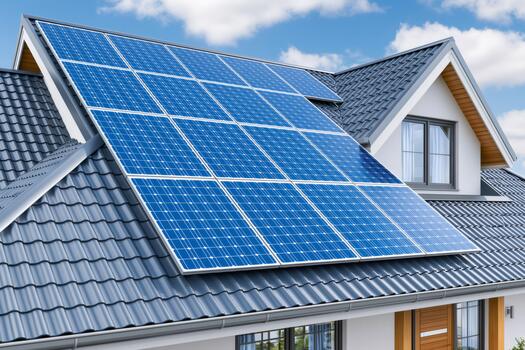
Pairing your new windows with other energy-saving upgrades like residential solar panels can multiply those savings even further.
Signs It's Time to Replace Your Windows Now
Sometimes, the best time for window replacement isn't a season it's a signal. Here are the warning signs that tell you it's time to act, regardless of what month it is.
Your Energy Bills Keep Climbing
If your electricity bill is creeping up and your A/C system is in good shape, your windows might be the culprit. Old windows with worn seals, single-pane glass, or damaged frames let conditioned air escape and hot outdoor air in. New impact windows with Low-E coatings and insulated frames can stop that energy loss.
You Feel Drafts or Hot Spots
Stand near your windows on a sunny afternoon. If you feel heat radiating through the glass or notice hot spots near certain windows, they're not doing their job. Modern impact-rated windows are built to block heat transfer and keep indoor temperatures steady.
Condensation Between the Panes
Moisture or fog trapped between double-pane glass means the seal has failed. Once that happens, the window loses its insulating ability. It's not something that can be fixed with a repair the unit needs to be replaced.
Your Windows Are Over 15 Years Old
Most windows have a lifespan of 15–20 years. In South Florida's harsh environment salt air from Biscayne Bay and the Intracoastal, relentless UV exposure, and tropical storms that lifespan can be shorter. If your windows were installed before current Florida Building Code updates, they likely don't meet today's impact and energy standards.
Your Windows Are Not Impact-Rated
This is the big one for Doral homeowners and everyone else in Miami-Dade and Broward. If your windows are standard glass without impact protection, you're not just losing energy you're vulnerable to catastrophic storm damage. Florida law requires impact-rated protection in the HVHZ for good reason.
How to Plan Your Window Replacement Project
Step 1: Get a Professional Assessment
Start with a home visit from a licensed contractor. They'll inspect your current windows, measure every opening, and help you understand what products and installation methods are right for your home. You can schedule a free estimate with the ASP SuperHome team at our Doral showroom at 3400 NW 114th Ave or at any of our locations in Miami, West Palm Beach, or Fort Myers.
Step 2: Choose the Right Products
Not all impact windows are created equal. Look for products with a valid Miami-Dade County Notice of Acceptance (NOA) or Florida Product Approval number. Pay attention to Design Pressure (DP) ratings higher numbers mean stronger wind resistance. For homes in the HVHZ, a DP rating of 50 or above is recommended.
Consider your window style needs too. Whether it's sliding glass doors for your patio, French doors for the living room, or entry doors for the front of the house, every opening matters when it comes to full-envelope hurricane protection.
Step 3: Lock in Your Timeline
Once you've chosen your products, ask your contractor for a realistic timeline. Remember the full process from order to installation takes 4–8 weeks on average. If you're targeting a pre-hurricane-season finish, place your order by February or March at the latest.
Step 4: Handle Permits and Inspections
In Florida, window replacement requires building permits and inspections especially for impact-rated products. A reputable contractor handles all of that for you. Proper permitting isn't just a legal requirement; it protects your insurance coverage and your home's resale value. Homes with unpermitted window work can face denied insurance claims after a storm.
Frequently Asked Questions
Can I Replace Windows During Hurricane Season?
Yes, you can. Professional installers work on one window at a time, so your home is never fully open to the elements. However, scheduling is much tighter during summer, and tropical weather can cause delays. If possible, plan your replacement for the off-season to avoid complications.
Does It Matter If I Replace All Windows at Once?
Replacing all windows at the same time is the most cost-effective approach. You save on per-window installation costs, your crew sets up once, and your entire home gets upgraded to the same protection level. For insurance purposes, most carriers require all openings to be protected before applying wind mitigation discounts.
How Do I Know If My Windows Meet Current Florida Code?
Check for a Miami-Dade NOA number or Florida Product Approval number on your window frames or paperwork. If your windows were installed before 2002, they likely don't meet current standards. A wind mitigation inspection which you can get free through programs like My Safe Florida Home will tell you exactly where your home stands.
Will New Windows Really Lower My Insurance?
In most cases, yes. Certified impact windows, combined with other hurricane-hardening upgrades like a new metal roof, can significantly reduce your wind insurance premiums. Your contractor should help you gather the right documentation and schedule the required wind mitigation inspection.
Final Thoughts
Choosing the right time for window replacement comes down to your priorities. Want the best deals? Winter and late fall are your friends. Need to beat hurricane season? Start the process by early spring. Seeing warning signs like drafts, condensation, or rising energy bills? The right time is now no matter what the calendar says.
For South Florida families in Doral, Miami, Fort Lauderdale, Coral Gables, Naples, and everywhere in between, window replacement is more than a home improvement project. It's a safety decision, an energy decision, and a financial decision rolled into one.
At ASP SuperHome, we've helped over 10,000 South Florida families protect and upgrade their homes since 2006. Our team handles everything from the first measurement at our Doral showroom on NW 114th Ave to the final inspection and permit close-out. Licensed, insured, and ready to help.
Ready to get started? Request your free estimate today or call us at 786-933-9815. Let's make your home a SuperHome.
Meet With a Project Manager
Your first conversation is with a Project Manager who takes the time to understand your goals, walk you through your options, and stays connected throughout your project — from the initial consultation through the final walkthrough.
.avif)
.avif)
.avif)
%201.avif)
Insights & Resources
Stay informed with expert tips on roofing materials, hurricane codes, repairs, and South Florida construction standards.


%201.avif)
%201%20(1).avif)
%201.svg)
%201%20(1)%20(1).png)
.png.png)
.png%20(1).png)
.png%20(2).png)
.avif)
.avif)


.png)
.svg)
.png)