


How Much Window Installation Costs and What to Expect
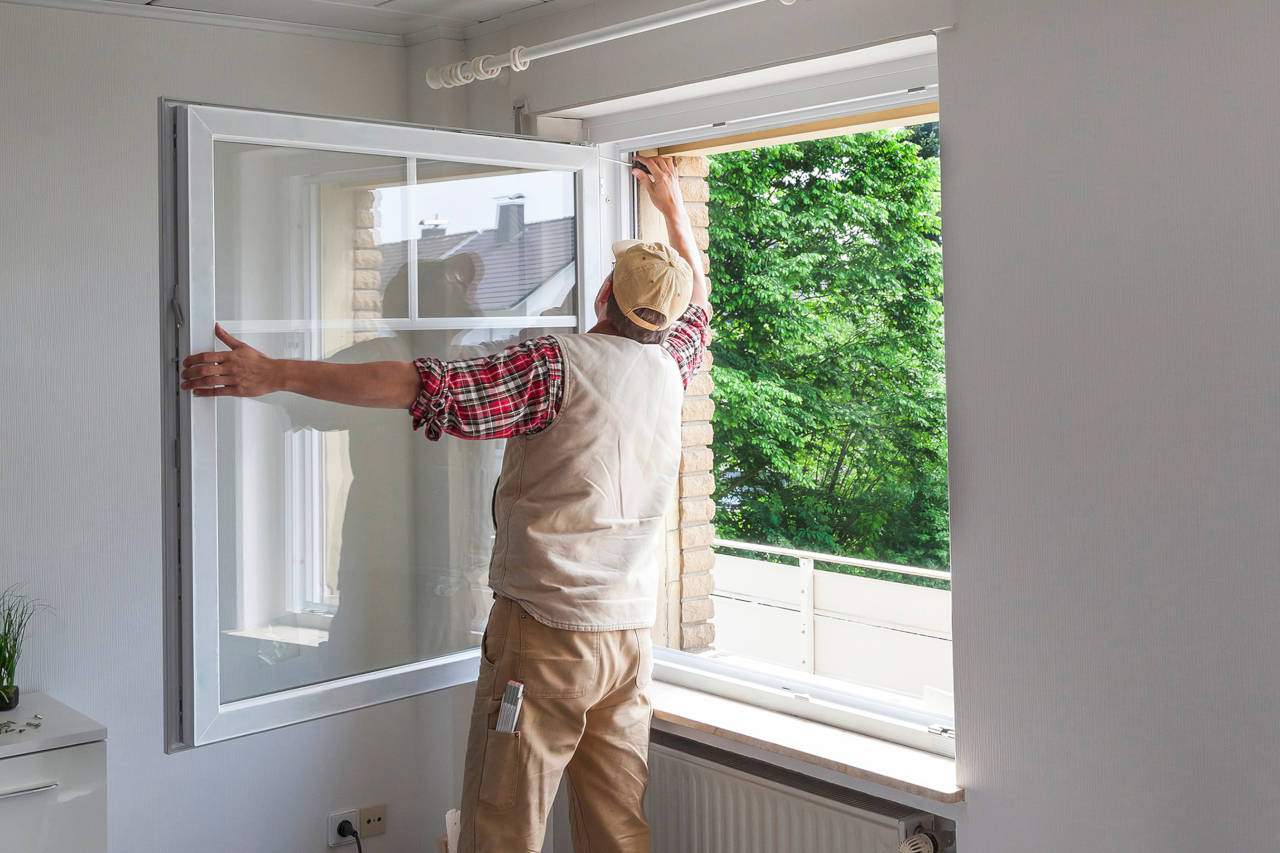

Window installation costs $300 to $2,500 per window in 2026, with the national average falling between $700 and $1,200 per window including materials and labor. In Florida, where building codes require hurricane-rated impact windows in most coastal areas, the cost ranges from $900 to $2,500 per window installed. The total investment for a full-home window replacement project runs $8,000 to $15,000 for standard windows nationally, and $10,000 to $45,000 for impact windows in South Florida depending on the number of openings and glass configuration. This guide covers what drives the price, how impact windows compare to standard windows, the insurance and energy savings that offset the upfront cost, and what to expect during the installation process from start to finish.
Key Takeaways
- Standard window installation costs $300 to $2,500 per window nationally in 2026, with the average at $700 to $1,200 including materials and labor, according to Angi, Modernize, and Cobex data.
- Impact windows in Florida cost $900 to $2,500 per window installed, with full-home projects running $10,000 to $45,000 for 10 to 20 windows, according to 2026 South Florida contractor data.
- Material accounts for 70 to 85% of the total window cost, while labor makes up 15 to 30%, according to Modernize's 2026 analysis of over 1 million homeowner projects.
- The U.S. Department of Energy reports that heat gained or lost through windows accounts for 25 to 30% of a home's total heating and cooling energy use.
- Florida Statute 627.0629 requires insurers to discount the windstorm portion of premiums by 10 to 45% for homes with documented impact-rated opening protection.
- Impact windows deliver a 73.4% return on investment at resale, according to Reece Windows and Doors' 2026 market data.
- The My Safe Florida Home program provides a 2-to-1 matching grant of up to $10,000 for qualifying impact window installations.
How Much Does Window Installation Cost?
Window installation costs $300 to $2,500 per window in 2026, with the national average at $700 to $1,200 per window including both the window unit and professional installation. The wide range reflects differences in window type, frame material, glass configuration, and whether the project involves a simple insert replacement or a full-frame installation that modifies the wall opening. According to Modernize's 2026 data based on over 1 million homeowner projects, the national average per-window cost sits at approximately $1,047, with material accounting for about 85% of the total and labor accounting for the remaining 15%.
Window Type
Cost Per Window (Installed)
Notes
Single-Hung
$200 - $800
Bottom sash opens; most affordable standard option
Double-Hung
$300 - $1,000
Both sashes open; easier to clean from inside
Casement
$350 - $1,200
Side-hinged; cranks open for full ventilation
Sliding
$250 - $900
Horizontal operation; common in contemporary homes
Picture / Fixed
$200 - $700
Non-operable; lowest cost for large glass areas
Bay / Bow
$1,800 - $4,000
Multi-panel projection; complex installation
Impact Single-Hung (FL)
$900 - $2,000
Laminated glass; hurricane rated
Impact Casement (FL)
$1,200 - $2,500
Laminated glass; full seal when closed
Impact Sliding Glass Door (FL)
$2,500 - $6,000+
Large opening; heavy laminated panels
Sources: Angi (2026), Modernize (2026), This Old House (2026), Doors Galour (2026), Armor Pro Windows (2026). Standard costs are national averages. Impact costs reflect Florida market pricing.
What Factors Affect Window Installation Cost?
The factors that affect window installation cost are frame material, window type and size, glass configuration, installation method, local building code requirements, and labor rates in your area. Each of these variables can shift the per-window cost by hundreds of dollars, which is why quotes for the same home can vary significantly between contractors and regions.
Frame material creates the largest price spread. Vinyl frames are the most affordable ($400 to $800 per window installed), while aluminum ($500 to $1,200), fiberglass ($700 to $1,500), and wood ($900 to $2,000+) cost progressively more. In South Florida, aluminum frames dominate the impact window market because aluminum provides the strength-to-weight ratio needed for hurricane-rated assemblies while resisting the corrosion caused by salt air exposure.
Glass configuration also drives cost. Upgrading from standard double-pane to Low-E (Low Emissivity) coated glass adds 8 to 10% to the price, while laminated impact glass required in Florida hurricane zones adds 30 to 50% compared to the same window with standard tempered glass. Installation method matters as well. An insert (retrofit) installation fits the new window into the existing frame opening and costs less because it requires no modification to the surrounding wall. A full-frame (new construction) installation removes the entire existing window assembly down to the rough opening, which costs $150 to $300 more per window but allows for inspection of the structural framing. In Florida, full-frame installation is the standard for impact window projects because the building code requires that the window's attachment to the structural framing meets specific wind load ratings.
How Much Do Impact Windows Cost in Florida?
Impact windows in Florida cost $900 to $2,500 per window installed in 2026, with full-home projects running $10,000 to $45,000 for 10 to 20 windows including materials, labor, permitting, and disposal. Homes in the High Velocity Hurricane Zone (HVHZ), which covers all of Miami-Dade and Broward counties, typically pay at the higher end because HVHZ products must carry a Miami-Dade Notice of Acceptance (NOA) that certifies testing to stricter impact and wind pressure standards.
The 2026 market has seen price increases of 8 to 15% on aluminum-frame impact windows compared to 2024 and 2025 levels, driven primarily by import tariffs on aluminum and glass components, according to Safeguard Impact's May 2026 analysis. Vinyl-frame impact windows rose less (4 to 6%) because vinyl extrusion relies on domestic production. Despite the price increases, the combination of insurance savings, energy savings, and available grant programs makes 2026 a strong year for impact window investment when the full financial picture is considered.
A typical 3-bedroom South Florida home with 10 to 15 window openings and 1 to 2 sliding glass doors can expect a total project cost of $18,000 to $35,000 for mid-range aluminum-frame impact windows with Low-E laminated glass. Larger homes with 20+ openings or architectural-shaped windows push the total toward $40,000 to $60,000.
What Is the Difference Between Standard and Impact Windows?
The difference between standard and impact windows is that impact windows use laminated glass bonded to an interlayer membrane (typically PVB, or Polyvinyl Butyral) that holds the glass together when struck by debris, while standard windows use tempered or annealed glass that shatters upon impact. This laminated construction allows impact windows to withstand the testing protocol required by Florida's building code: a large missile impact test where a 9-pound 2x4 lumber is fired at the glass at 50 feet per second, followed by 9,000 cycles of positive and negative pressure simulating sustained hurricane-force winds.
Beyond the glass, impact windows differ in frame reinforcement, hardware strength, and weatherseal design. Impact-rated frames use thicker aluminum or vinyl extrusions with internal steel reinforcement at critical stress points. The hardware is rated for the same wind pressures as the glass and frame assembly. In Florida's coastal counties, every opening must have either an impact-rated window or a standard window with an approved shutter system. Impact windows and doors eliminate the need to deploy shutters before every storm, which is one of the primary reasons homeowners choose them over the shutter alternative.
What Is the Average Cost to Replace 12 Windows in a Home?
The average cost to replace 12 windows in a home ranges from $8,400 to $14,400 for standard windows nationally, and from $10,800 to $30,000 for impact windows in Florida, based on 2026 per-window pricing. The actual cost depends on the mix of window sizes and types, because most homes contain a combination of smaller bathroom and bedroom windows, mid-sized living area windows, and one or two larger openings like picture windows or sliding glass doors.
Replacing all 12 windows as a single project rather than individually produces savings in two areas. The contractor mobilizes once rather than multiple times, which reduces the labor overhead per window. Many manufacturers and installers offer volume pricing for whole-home projects that reduces the per-unit material cost by 5 to 15% compared to ordering windows individually. A whole-home project also ensures that every window in the house matches in appearance, performance rating, and warranty coverage, which matters both for daily living and for resale presentation.
The cost breakdown for a 12-window standard project typically includes 8 to 10 medium-sized single-hung or double-hung windows for bedrooms and bathrooms ($300 to $800 each), 2 to 3 larger casement or picture windows for the living areas ($500 to $1,200 each), and potentially one sliding glass door ($1,500 to $3,000). For an impact window project in Florida, the same mix shifts to $900 to $2,000 per window and $2,500 to $6,000 for the sliding glass door, with the total reflecting the laminated glass, reinforced frames, and code-compliant installation required by the Florida Building Code.
Is It Cheaper to Replace All Windows at Once?
Yes, it is cheaper to replace all windows at once because the per-window cost decreases when labor, mobilization, permitting, and material ordering are combined into a single project. Contractors price whole-home projects more competitively than individual replacements because the fixed costs of permitting, crew setup, scaffolding, and project management are amortized across more units.
Beyond cost savings, replacing all windows at once delivers consistent performance across the entire home. Mixing old single-pane or non-coated double-pane windows with new high-performance units creates uneven insulation, noise reduction, and aesthetic appearance from room to room. Every room benefits from the same level of UV protection, sound dampening, and thermal performance when the entire home is upgraded simultaneously.
For impact window installations in Florida, replacing all openings at once means the entire home qualifies for the maximum wind mitigation insurance credits immediately. A partial installation may not qualify for the full opening protection credit on the wind mitigation form if any non-impact openings remain unprotected. The OIR-B1-1802 form evaluates opening protection as an all-or-nothing category: if even one window or door opening lacks impact-rated protection, the entire home receives the lower credit tier, which can cost hundreds of dollars per year in lost insurance savings compared to full coverage.
What Gets Replaced When You Get New Windows?
When you get new windows, the components that get replaced depend on whether the project uses an insert (retrofit) method or a full-frame (new construction) method. In an insert installation, the new window unit slides into the existing frame, and only the sash, glass, hardware, and weatherstripping are new. The original frame, exterior trim, and interior casing remain in place.
- Insert (retrofit) installation: the new window fits inside the existing frame. Only the glass unit, sash, hardware, and weatherstripping are replaced. The existing frame, exterior trim, and interior casing stay. This method is faster, less invasive, and less expensive, but slightly reduces the glass area.
- Full-frame (new construction) installation: the entire existing window assembly is removed down to the rough opening. The new window includes a complete frame, sash, glass, hardware, weatherstripping, and flashing. Exterior trim and interior casing are reinstalled or replaced.
- Components always replaced regardless of method: glass panes, weatherstripping, locking hardware, and any deteriorated sealant around the perimeter.
- Components sometimes replaced: interior casing, exterior stucco or brick mold (full-frame only), sill plate, and flashing membrane.
Full-frame installation is the standard for impact window projects in Florida because the Florida Building Code requires that the window's structural attachment to the wall framing meets specific load ratings that only a direct-to-framing connection can provide.
How Long Does It Take to Install a Window?
Installing a single window takes 30 to 60 minutes for a standard insert replacement and 1 to 2 hours for a full-frame impact window installation that includes removal, framing preparation, new window installation, flashing, and sealing. A whole-home project of 10 to 15 windows typically takes 1 to 3 days, depending on the installation method, crew size, and complexity of the openings.
Impact window installation takes longer per unit because each opening must be properly flashed and sealed to the structural framing, the window unit is heavier due to the laminated glass, and the installation must pass a building department inspection that verifies code-compliant fastener patterns, sealant application, and product labeling. A single impact sliding glass door panel can weigh 150 to 300 pounds, requiring two or more installers to lift, position, and secure each unit safely.
Projects that include entry doors alongside windows add time for the larger, heavier assemblies and the additional framing reinforcement that door openings require.
The same applies to French doors, which involve multi-panel assemblies with multiple hinge points and locking mechanisms that must align precisely to create an air-tight and impact-rated seal when closed. Scheduling all window and door openings in a single project allows the crew to work systematically through the home rather than mobilizing separately for each product category.
Does Replacing Windows Increase Home Value?
Yes, replacing windows increases home value, with impact windows in Florida delivering a 73.4% return on investment at resale, according to Reece Windows and Doors' 2026 market analysis. A $25,000 impact window installation adds approximately $18,350 in appraised home value, making it one of the higher-ROI exterior improvements available to Florida homeowners. The ROI calculation does not include the cumulative insurance savings, energy savings, and avoided shutter costs that the homeowner benefits from during the years between installation and sale, which further improves the total financial return.
Beyond the direct resale value, new windows contribute to the home's marketability in ways that do not show up in a simple ROI calculation. Buyers in Florida actively seek homes with existing impact windows because the alternative is purchasing shutters or installing impact windows themselves after closing. A home listed with full impact window protection sells faster and negotiates from a stronger position than a comparable home without protection. Real estate agents in South Florida consistently report that homes with impact windows generate more showing requests and fewer price reduction conversations than homes that still rely on shutters or have no opening protection.
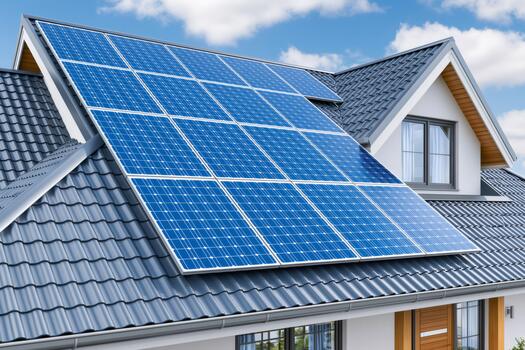
Energy efficiency improvements from new windows also factor into value. The U.S. Department of Energy reports that 25 to 30% of a home's total heating and cooling energy passes through its windows. Replacing old single-pane windows with modern Low-E impact glass reduces that energy transfer significantly. ENERGY STAR certified windows reduce household energy bills by an average of 13%, according to DOE data. Pairing new windows with other energy-efficient upgrades like a reflective metal roof and solar panels maximizes both the energy savings and the home's overall market appeal.
Do Impact Windows Reduce Insurance Costs?
Yes, impact windows reduce insurance costs in Florida because Florida Statute 627.0629 requires every property insurer in the state to discount the windstorm portion of premiums when the home has documented impact-rated opening protection. The discount ranges from 10 to 45% depending on the combination of wind mitigation features documented on the OIR-B1-1802 inspection form, with opening protection being one of the highest-value credit categories.
The windstorm portion of a homeowners insurance premium in South Florida typically represents 30 to 70% of the total premium. On a home where the total premium is $5,000 per year and the windstorm portion is $3,000, a 25% opening protection credit reduces the premium by $750 annually. Over the 20+ year lifespan of the impact windows, that single credit category produces $15,000 or more in cumulative insurance savings.
To receive the credit, a licensed inspector must complete a wind mitigation inspection after the residential impact window installation is finished and document that all openings are protected with products carrying a valid Florida Product Approval or Miami-Dade NOA. The report is submitted to the insurance carrier, which is required by law to apply the corresponding discount at the next renewal.
Homeowners who combine impact windows with impact doors across all openings qualify for the highest opening protection credit on the form. The opening protection category evaluates all windows, doors, skylights, and garage doors as a single unit, so completing every opening with impact-rated products earns the maximum available discount.
Adding a code-compliant roof with documented roof-to-wall connections further maximizes the total credits across all categories on the wind mitigation form, producing the lowest available windstorm premium from the insurance carrier.
Can You Finance Window Installation?
Yes, you can finance window installation through PACE (Property Assessed Clean Energy) programs, home improvement loans, contractor financing, and the My Safe Florida Home grant program. PACE financing is particularly popular for impact window projects in Florida because the repayment is attached to the property tax bill, requires no money down, and transfers to the next owner if the home is sold.
The My Safe Florida Home program provides a 2-to-1 matching grant of up to $10,000 for qualifying hurricane mitigation improvements, including impact windows and doors. The homeowner invests $5,000 and the state matches with $10,000, producing a total project value of $15,000. The program reopened in August 2025 and funding is available on a first-come, first-served basis. The federal 25C Energy Efficient Home Improvement Credit allows homeowners to claim up to $600 per year for ENERGY STAR Most Efficient rated windows.
Combining PACE financing with the state grant and the federal tax credit creates a funding stack that reduces the effective out-of-pocket cost by thousands of dollars. Many homeowners use PACE to cover the full project cost with no money down and repay through their property tax bill over 10 to 25 years.
Homeowners who bundle windows with roofing and solar panel installation under a single PACE assessment simplify the financing, reduce the per-project administrative costs, and complete all exterior improvements in one coordinated project rather than disrupting the home multiple times over several years.
Frequently Asked Questions
What Is the Best Time of Year to Replace Windows?
The best time of year to replace windows is during the dry season (November through April in Florida) when rain is less likely to interrupt the installation process. Scheduling window installation before hurricane season begins on June 1 ensures the home is fully protected before the period of highest storm risk. Contractor availability is also better during the fall and winter months because demand for impact windows spikes in the spring and early summer.
How to Prepare for Getting New Windows?
To prepare for new window installation, clear furniture, blinds, and curtains away from each window opening by at least 3 to 4 feet to give the installation crew room to work. Remove fragile items from shelves and walls near the windows. Clear the exterior beneath each window of plants, furniture, and decorations. If you have an alarm system with window sensors, notify your alarm company before installation day so they can reconnect the sensors afterward.
Do You Need a Permit to Change a Window in Your Home?
Yes, in Florida, you need a building permit to replace windows. The Florida Building Code requires permits to verify that new products carry a valid Florida Product Approval, are installed according to manufacturer specifications, and meet the wind load and impact requirements for the home's location and wind zone. The contractor typically pulls the permit and schedules the inspection as part of the project. Unpermitted window work can create problems with insurance coverage and resale.
What to Ask When Getting Windows Replaced?
When getting windows replaced, ask the contractor whether the quote includes permitting and inspection fees, what brand and product line the windows are, whether the product carries a valid Florida Product Approval or Miami-Dade NOA, what the warranty covers and for how long, whether the installation is insert or full-frame, and whether the crew is employed by the company or subcontracted. Also ask for a copy of the contractor's state license, proof of insurance, and references from completed projects in your area.
Is It Worth Replacing Old Windows?
Yes, it is worth replacing old windows, especially windows that are 20 years or older, single-pane, visibly deteriorated, or difficult to operate. Old windows with failed seals (indicated by fogging between panes) have lost their insulating value and allow conditioned air to escape. In Florida, homes with non-impact windows face both safety risk during storms and higher insurance premiums due to the lack of opening protection credits. Replacing those windows with impact-rated units addresses safety, energy efficiency, insurance cost, and home value simultaneously.
The Full Picture
Window installation is one of the most impactful home improvement investments a Florida homeowner can make. The combination of hurricane protection, energy savings of 7 to 15% on cooling costs, insurance premium reductions of 10 to 45% on the windstorm portion, and a 73.4% return on investment at resale creates a financial case that extends well beyond the upfront cost. With PACE financing, state grants, and federal tax credits available, the effective out-of-pocket cost is lower in 2026 than the sticker price suggests.
Whether you are replacing a few aging windows or upgrading your entire home to impact-rated protection before hurricane season, choosing a licensed contractor with in-house crews ensures the job is done correctly the first time. ASP Super Home has been installing impact windows across South Florida since 2006 with licensed, in-house crews and no subcontractors. Request a free estimate to start your window project.
Meet With a Project Manager
Your first conversation is with a Project Manager who takes the time to understand your goals, walk you through your options, and stays connected throughout your project — from the initial consultation through the final walkthrough.
.avif)
.avif)
.avif)
%201.avif)
Insights & Resources
Stay informed with expert tips on roofing materials, hurricane codes, repairs, and South Florida construction standards.


%201.avif)
%201%20(1).avif)
%201.svg)
%201%20(1)%20(1).png)
.png.png)
.png%20(1).png)
.png%20(2).png)
.avif)
.avif)


.png)
.svg)
.png)