


How Much Roof Inspection Costs and What to Expect
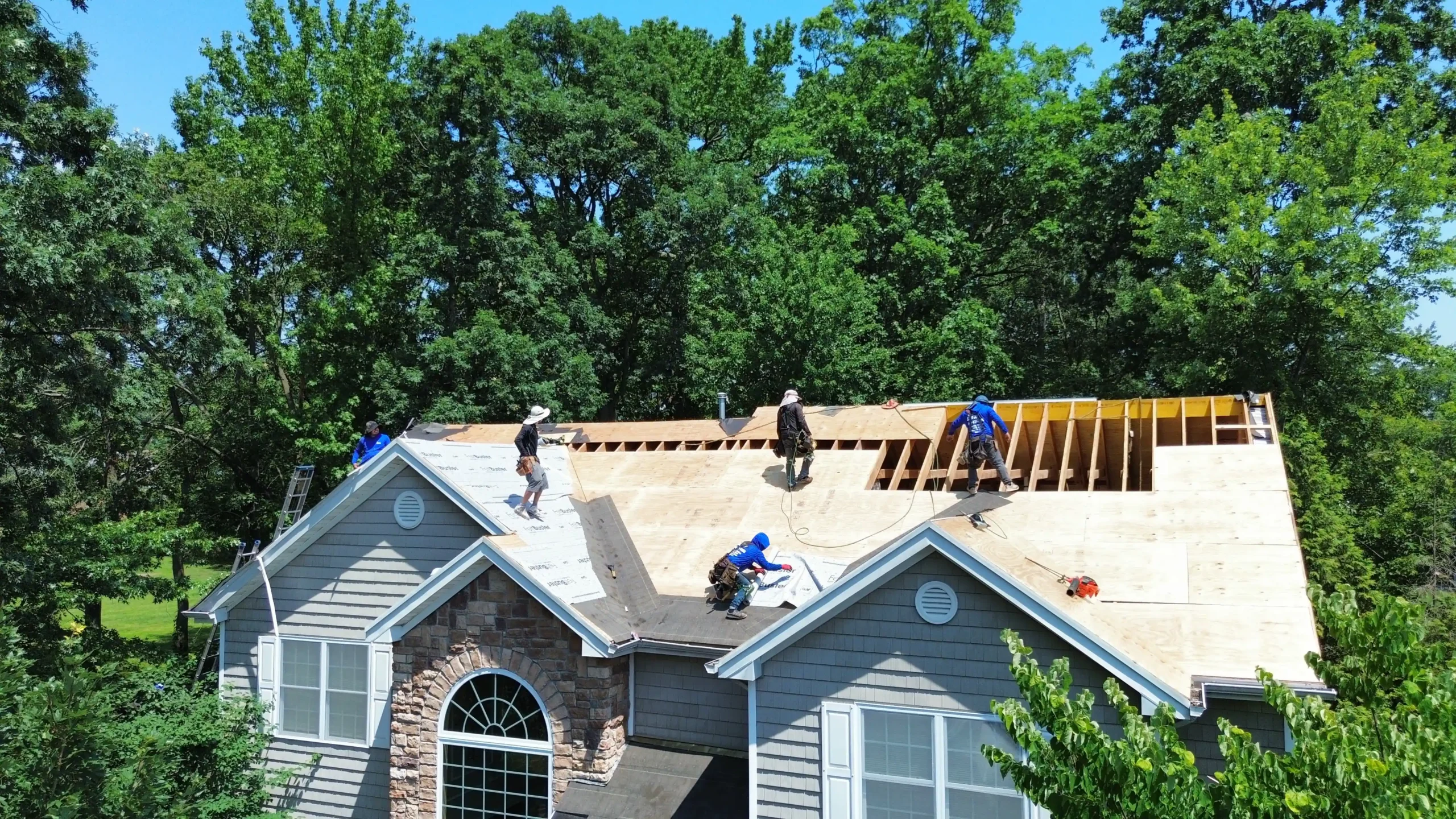

A roof inspection costs $150 to $500 in 2026, with the national average sitting near $220 for a standard visual inspection on a residential home. The price depends on the type of inspection, the size and accessibility of the roof, and whether specialized tools like drones or infrared cameras are used. In Florida, homeowners also encounter two additional inspection types tied directly to insurance: the wind mitigation inspection ($75 to $150) and the 4-point inspection ($75 to $200), both of which can affect premium costs by hundreds or thousands of dollars per year. This guide covers what each inspection type costs, what inspectors actually check, how often you need one, and how a routine inspection prevents small problems from becoming expensive emergencies.
Key Takeaways
- A standard residential roof inspection costs $150 to $500 in 2026, with a national average of approximately $220 for a visual walk-on inspection, according to HomeGuide and SquareDash data.
- Drone inspections cost $150 to $400 and infrared thermal inspections cost $300 to $600, both providing more detailed diagnostics than a standard visual assessment.
- Wind mitigation inspections in Florida cost $75 to $150 and can reduce the windstorm portion of insurance premiums by 20 to 40% in coastal areas, according to Palm Beach County roofing data.
- A 4-point inspection costs $75 to $200 and is required by most Florida insurers for homes 15 to 20 years or older.
- Bundling a wind mitigation inspection with a 4-point inspection saves approximately $80 compared to booking them separately.
- Roof issues appear in 19.7% of all home inspection reports, making the roof the most commonly flagged problem in home sales.
- Annual inspections catch minor damage before it escalates; a $200 inspection can prevent $3,000 to $10,000 in leak-related repair costs.
How Much Does a Roof Inspection Cost?
A roof inspection costs $150 to $500 for most residential homes in 2026, with the national average at approximately $220 for a standard physical inspection. The full range extends from $75 for a basic contractor walk-on assessment of a small, accessible roof to over $600 for an infrared thermal scan on a large, complex roofline, according to HomeGuide and SquareDash. Most homeowners pay between $150 and $350 for a standard roof inspection that includes a visual assessment of the roofing material, flashing, gutters, vents, and attic space, followed by a written report with photographs and repair recommendations.
Several factors push the cost toward the higher end of the range. Larger roofs require more time to inspect. Steep pitches and multi-story homes add safety requirements and equipment needs. Tile and slate roofs demand careful movement to avoid breaking fragile material. Roofs with multiple dormers, valleys, skylights, and chimneys have more penetration points and flashing joints to evaluate, which increases the inspector's time on site.
How Much Does a Roof Inspection Cost by Type?
Roof inspection cost by type ranges from $75 for a basic visual assessment to $600 or more for infrared thermal imaging, with drone inspections, wind mitigation inspections, and 4-point inspections falling between those endpoints. Each inspection type serves a different purpose and produces a different level of diagnostic detail.
Inspection Type
Cost Range (2026)
Duration
Best For
Visual / Physical Walk-On
$150 - $400
45 min - 2 hours
General condition assessment, maintenance planning
Drone Inspection
$150 - $400
30 min - 1 hour
Steep, high, or hard-to-access roofs; post-storm damage
Infrared / Thermal Imaging
$300 - $600
1 - 2 hours
Hidden moisture detection, insulation gaps, leak tracing
Wind Mitigation (Florida)
$75 - $150
30 - 45 min
Insurance premium reduction; documents storm-resistant features
4-Point Inspection (Florida)
$75 - $200
30 - 60 min
Insurance eligibility for homes 15-20+ years old
Roof Certification
$75 - $200
45 min - 1 hour
Real estate transactions; certifies remaining life expectancy
Commercial Roof Inspection
$200 - $600
1 - 4 hours
Flat roof systems, warehouses, multi-unit buildings
Sources: HomeGuide (2026), SquareDash (2026), PACC Solutions (2026), Kore Home Inspections (2026), 561 Roofers Palm Beach County (2026). Costs are national averages except where noted as Florida-specific.
Drone inspections have become increasingly popular because they allow the inspector to capture high-resolution photographs and video of every roof surface without physically walking on the material. This eliminates the risk of breaking tiles on a tile roof and provides a safer assessment of steep or multi-story homes. Infrared thermal imaging detects temperature differences in the roof surface that indicate trapped moisture beneath the roofing material, making it the most effective tool for locating slow leaks that are invisible to the naked eye.
What Does a Roof Inspection Include?
A roof inspection includes a visual and sometimes physical examination of the roofing material, flashing at all penetrations and edges, gutters and downspouts, ventilation systems, the attic structure, and the roof deck, followed by a written report with photographs, findings, and repair recommendations. The inspector evaluates every component that contributes to the roof's ability to keep water out and maintain structural integrity.
A comprehensive residential roof inspection follows this sequence:
- Exterior roofing material assessment: the inspector examines shingles, tiles, or metal panels for cracks, curling, missing pieces, granule loss, rust, or UV degradation across the entire roof surface.
- Flashing inspection: all metal flashing around chimneys, skylights, vents, walls, and roof edges is checked for lifting, separation, corrosion, or sealant failure.
- Gutter and drainage evaluation: gutters, downspouts, and roof valleys are assessed for clogs, proper slope, secure attachment, and signs of water overflow or backup.
- Ventilation check: ridge vents, soffit vents, and attic fans are examined to confirm adequate airflow that prevents moisture buildup and heat accumulation.
- Attic interior inspection: the inspector enters the attic to check for daylight through the deck, water stains, mold, insulation condition, and structural integrity of rafters and sheathing.
- Penetration and seal inspection: pipe boots, satellite dish mounts, and any other roof penetrations are checked for cracked seals, lifted edges, or deteriorated rubber.
- Documentation and report: findings are compiled into a written report with photographs, a condition rating, estimated remaining useful life, and specific repair recommendations with urgency levels.
For metal roofing systems, the inspection focuses on fastener condition, seam integrity, panel alignment, and corrosion patterns. Metal roofs require fewer repairs over their lifespan but are still vulnerable to loose fasteners and sealant degradation at seams and penetration points.
How to Prepare for a Roof Inspection?
To prepare for a roof inspection, clear the attic access point so the inspector can enter easily, trim any tree branches that overhang the roof or block visibility, clean debris from gutters and the roof surface if safely accessible, and gather any previous inspection reports or warranty documentation. These steps save the inspector time on site and allow them to focus on the assessment rather than clearing obstacles.
If you have a specific concern, such as a water stain on a ceiling, a suspected leak after a storm, or shingles you noticed from the ground, point it out to the inspector before they begin. Directing them to the area of concern first helps them prioritize the most critical assessment and provides context for what they find during the broader evaluation. Having your insurance policy available is also helpful, because the inspector can note whether the roof meets the requirements for coverage renewal or wind mitigation credits.
How Long Does a Roof Inspection Usually Take?
A roof inspection usually takes 45 minutes to 2 hours, depending on the roof size, complexity, inspection type, and whether an attic assessment is included. A standard visual inspection on a single-story home with a simple roofline typically finishes within 45 minutes to 1 hour. Multi-story homes, roofs with steep pitches, and complex rooflines with multiple dormers and valleys take closer to 1.5 to 2 hours. Infrared thermal inspections add time because the equipment requires slow, systematic scanning of the entire roof surface to detect temperature differentials.
Wind mitigation inspections in Florida take 30 to 45 minutes because they follow a standardized checklist (OIR-B1-1802 form) that evaluates specific features rather than the entire roof condition. A 4-point inspection, which covers roof, electrical, plumbing, and HVAC (Heating, Ventilation, and Air Conditioning) systems, typically takes 30 to 60 minutes. Many Florida homeowners bundle both inspections into a single visit, which takes about 1 to 1.5 hours total and saves on mobilization costs.
How Often Should You Get a Roof Inspection?
You should get a roof inspection at least once per year and after every major storm event. Annual inspections catch gradual deterioration like cracked sealant, lifted flashing, and granule loss before these issues progress to active leaks. Post-storm inspections identify wind damage, impact damage from debris, and water intrusion that may not be visible from the ground but is detectable from the roof surface or attic.
In Florida, scheduling inspections both before and after hurricane season (before June 1 and after November 30) provides the most complete protection. A pre-season inspection confirms the roof is in good condition to withstand severe weather. A post-season inspection documents any storm damage for insurance claims and identifies repairs needed before the next rainy season begins. Homeowners who conduct a thorough roof audit between professional inspections further reduce the risk of undetected damage.
Roofs older than 15 years benefit from inspections every 6 to 12 months rather than annually, because material degradation accelerates as the roof approaches the end of its expected lifespan. Shingle roofs in Florida's intense UV and heat environment often show accelerated aging compared to the same materials in northern climates, making more frequent inspection especially important.
Are Roof Inspections Worth It?
Yes, roof inspections are worth it because a $150 to $400 inspection can prevent $3,000 to $10,000 or more in leak-related repair costs that develop when small problems go undetected. According to 2026 home inspection statistics, roof issues appear in 19.7% of all home inspection reports, making the roof the most commonly flagged problem during home sales. The damage caused by a single undetected leak, including mold remediation ($1,500 to $6,000), wood rot repair ($2,000 to $10,000), and insulation replacement, dwarfs the cost of an annual inspection many times over.
Beyond damage prevention, roof inspections provide documentation that supports insurance claims, qualifies homeowners for premium discounts, and gives buyers confidence during real estate transactions. A home with a recent professional roof inspection report sells faster and negotiates more favorably than a home where the roof condition is unknown. Sellers who invest in a pre-listing roof inspection avoid the common negotiation scenario where a buyer's inspector flags roof issues and demands $5,000 to $15,000 in credits or price reductions.
Do Roofing Companies Offer Free Inspections?
Yes, many roofing companies offer free inspections, but free inspections are typically visual estimates intended to identify repair or replacement opportunities rather than certified condition reports. A free inspection from a licensed contractor provides valuable information about the roof's overall condition and any visible damage, and many reputable companies use free inspections as the starting point for an honest assessment and a detailed quote.
However, homeowners should be cautious of unsolicited "free inspection" offers from door-to-door solicitors, especially after storms. The Insurance Institute for Business and Home Safety warns that storm-chasing contractors sometimes use free inspections to pressure homeowners into signing contracts on the spot or to inflate insurance claims. A legitimate roofing contractor will never pressure you to sign during the inspection visit, will provide a written report you can review independently, and will carry verifiable state licensing and insurance documentation.
For insurance purposes, real estate transactions, or legal documentation, a paid certified inspection carries more weight. Roof certifications ($75 to $200) include a formal letter from the inspector stating the roof's condition, estimated remaining useful life, and whether any repairs are needed, which is the standard document insurers and title companies require.
What Is a Wind Mitigation Inspection?
A wind mitigation inspection is a standardized evaluation of a home's hurricane-resistant construction features, documented on the OIR-B1-1802 form, that Florida insurers are required by law to use when calculating premium discounts. The inspection costs $75 to $150 for most residential properties, takes 30 to 45 minutes, and the report remains valid for 5 years from the inspection date. Florida Statute 627.0629 mandates that every property insurer in the state discount the windstorm portion of the premium based on the features documented in the report.
The inspector evaluates seven categories: building code compliance (year built or last permitted re-roof), roof covering type, roof deck attachment method, roof-to-wall connection type, roof geometry (hip vs. gable), secondary water resistance, and opening protection (impact windows, shutters, reinforced garage doors). Each category generates a separate credit on the windstorm portion of the premium. In coastal South Florida, where the windstorm portion represents 30 to 70% of the total premium, the combined credits from a favorable wind mitigation report can reduce annual insurance costs by 20 to 40%, according to Palm Beach County roofing inspection data.
The financial math strongly favors getting the inspection. A $100 to $150 wind mitigation inspection that produces $500 to $1,000 in annual premium savings pays for itself within the first few months. Over the 5-year validity of the report, a homeowner who saves $800 per year recovers $4,000 from a $150 investment. Homeowners who pair a new roof repair or replacement with a wind mitigation inspection immediately after the work is completed maximize the credits available under the updated April 2026 form.
What Is a 4-Point Inspection in Florida?
A 4-point inspection in Florida is a focused assessment of four major home systems: roofing, electrical, plumbing, and HVAC, required by most Florida insurers for homes that are 15 to 20 years old or older. The inspection costs $75 to $200, takes 30 to 60 minutes, and produces a report that insurers use to determine whether the home qualifies for coverage. A failed 4-point inspection, typically triggered by a roof older than 20 years, outdated electrical panels (such as Federal Pacific or Zinsco), polybutylene plumbing, or an aged HVAC system, can disqualify a home from standard insurance markets and push the owner into surplus-lines coverage at significantly higher premiums.
The roof section of the 4-point inspection evaluates the material type, approximate age, general condition, and any visible signs of damage or deterioration. For homes approaching the age threshold, scheduling a 4-point inspection before the insurance renewal date gives homeowners time to address any deficiencies rather than facing a coverage gap at renewal. Bundling the 4-point with a wind mitigation inspection during a single visit costs $125 to $225 and saves approximately $80 compared to booking them separately.
Does a Roof Inspection Affect Insurance?
Yes, a roof inspection directly affects insurance in three ways: it qualifies homeowners for premium discounts through wind mitigation credits, it determines eligibility for coverage through the 4-point assessment, and it provides documentation that supports claims after storm damage. Each of these functions makes the inspection a financial tool as much as a maintenance tool.
Insurance carriers in Florida increasingly tie coverage decisions to roof age and documented condition. Many carriers require proof that the roof is less than 15 to 25 years old (depending on material) to issue or renew a policy. A professional inspection report documenting the roof's current condition, material, and remaining useful life satisfies this requirement and keeps the home insurable. The My Safe Florida Home program also offers 2-to-1 matching grants of up to $10,000 for homeowners who install wind-resistant upgrades; a wind mitigation inspection is required before applying to document the existing weaknesses the upgrades will address.
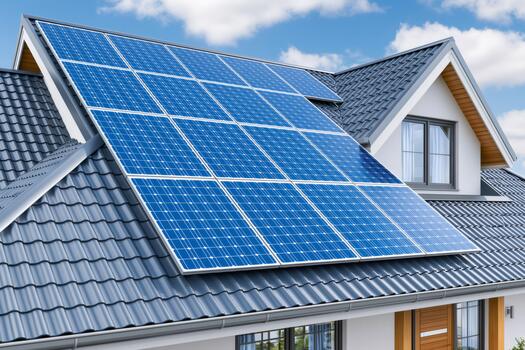
Homeowners who combine solar panels or other energy improvements with wind-resistant roof upgrades under a single project can maximize both insurance savings and energy cost reductions. A new code-compliant roof, documented through a fresh wind mitigation inspection, often produces enough annual premium savings to offset a meaningful portion of the roof investment over time.
What Happens If Your Roof Fails an Inspection?
If your roof fails an inspection, the inspector's report will detail the specific deficiencies found, and the homeowner must address those issues to obtain insurance coverage, complete a real estate transaction, or bring the roof back to serviceable condition. A "failed" inspection does not mean the roof must be replaced immediately in every case. Minor deficiencies like cracked pipe boots, damaged flashing, or a small number of missing shingles can often be repaired for $150 to $1,500, after which a re-inspection confirms the issues have been resolved.
For 4-point inspections, a failed roof section typically means the insurance carrier will not issue or renew the policy until the roof is repaired or replaced. For real estate transactions, a failed roof inspection gives the buyer leverage to negotiate a price reduction, request repairs before closing, or walk away from the deal. For commercial roofing properties, a failed inspection may trigger lease compliance issues or lender requirements that accelerate the repair timeline.
The most productive response to a failed inspection is getting a detailed repair estimate from a licensed roofing contractor and comparing the cost of repairs against the cost and benefits of a full replacement with proper permits. If the repair cost exceeds 30% of a replacement cost and the roof is already past its midpoint lifespan, replacement typically delivers better long-term value.
Can You Have a Roof Leak and Not Know It?
Yes, you can have a roof leak and not know it because water often enters the roof at one point and travels along rafters, sheathing, or pipes before becoming visible on a ceiling or wall, sometimes several feet away from the actual entry point. Slow leaks that produce small amounts of moisture during heavy rain may never drip visibly but still saturate insulation, promote mold growth in the attic, and weaken roof decking over weeks or months.
Hidden leaks are one of the primary reasons annual professional inspections are recommended. An inspector who enters the attic can identify moisture stains, discolored wood, soft decking, and early mold growth that are completely invisible from inside the living space. Infrared thermal imaging detects temperature anomalies that indicate trapped moisture even when no visible signs are present on either the interior or exterior surfaces. These hidden leaks, left undiscovered, cause the same cascade of damage (mold within 24 to 48 hours, wood rot within weeks) as visible leaks, but without the early warning that a drip or stain provides.
Frequently Asked Questions
What Is the Most Common Location to Find a Roof Leak?
The most common location to find a roof leak is around flashing at chimneys, skylights, and vent pipes. Flashing joints are the most vulnerable points on any roof because they rely on sealant and precise installation to keep water from penetrating the gaps between the roofing material and the vertical surface. Pipe boots are the second most common leak source because the rubber or neoprene seal degrades under UV exposure and thermal cycling within 8 to 12 years on most roofs.
How to Tell If Water Is Leaking Through a Roof?
You can tell water is leaking through a roof by looking for brown or yellowish water stains on ceilings or walls, peeling paint, bubbling drywall, musty odors in the attic, damp insulation, or visible mold on attic framing. Water stains that grow after rain and shrink during dry weather indicate an active leak that worsens with each rainfall. Inspecting the attic with a flashlight during or immediately after rain reveals active water trails along rafters and sheathing.
How Long Can a Roof Leak Go Unnoticed?
A roof leak can go unnoticed for weeks, months, or even years, depending on the size of the leak and whether the water reaches a visible surface. Small leaks that saturate attic insulation without dripping through to the ceiling below can persist undetected for extended periods while causing progressive damage to the roof deck, framing, and insulation. By the time a stain appears on the ceiling, the damage above the ceiling is often significantly more extensive than the visible stain suggests.
What Are the Most Common Causes of Roof Leaks?
The most common causes of roof leaks are damaged or deteriorated flashing, missing or cracked shingles, worn pipe boots, clogged gutters that cause water backup, failed chimney seals, aging underlayment, and improper installation. In Florida, high winds during tropical storms and hurricanes are a leading cause of sudden leak events, while year-round UV exposure and thermal cycling accelerate the gradual material degradation that produces slow leaks over time.
How Many Years Does a Roof Usually Last?
A roof usually lasts 15 to 50 years depending on the material. Asphalt shingles last 15 to 30 years, with basic 3-tab shingles at the lower end and premium architectural shingles at the upper end. Metal roofs last 40 to 70 years. Concrete tile lasts 40 to 50 years. Clay tile lasts 50 to 100 years. Florida's intense heat, UV radiation, and salt air in coastal areas typically shorten these lifespans by 5 to 10 years compared to moderate northern climates.
Putting It All Together
A roof inspection is one of the least expensive and most effective ways to protect your home from costly damage. The $150 to $500 investment catches cracked flashing, deteriorated pipe boots, and hidden moisture before they escalate into mold, wood rot, and interior water damage that costs thousands to repair. In Florida, the wind mitigation inspection adds an additional layer of financial protection by reducing insurance premiums 20 to 40% through documented storm-resistant features, often paying for itself within the first few months.
Whether you need a routine annual check, a post-storm assessment, or a wind mitigation report for your insurance carrier, a licensed contractor with direct roof access and diagnostic experience provides the most accurate and actionable results. ASP Super Home has been inspecting and repairing roofs across South Florida since 2006 with licensed, in-house crews. Call 786-933-9815 or request a free estimate to schedule your inspection.
Meet With a Project Manager
Your first conversation is with a Project Manager who takes the time to understand your goals, walk you through your options, and stays connected throughout your project — from the initial consultation through the final walkthrough.
.avif)
.avif)
.avif)
%201.avif)
Insights & Resources
Stay informed with expert tips on roofing materials, hurricane codes, repairs, and South Florida construction standards.


%201.avif)
%201%20(1).avif)

%201.svg)
%201%20(1)%20(1).png)
.png.png)
.png%20(1).png)
.png%20(2).png)
.avif)
.avif)


.png)
.svg)
.png)