


How Much Does a Glass Railing System Cost
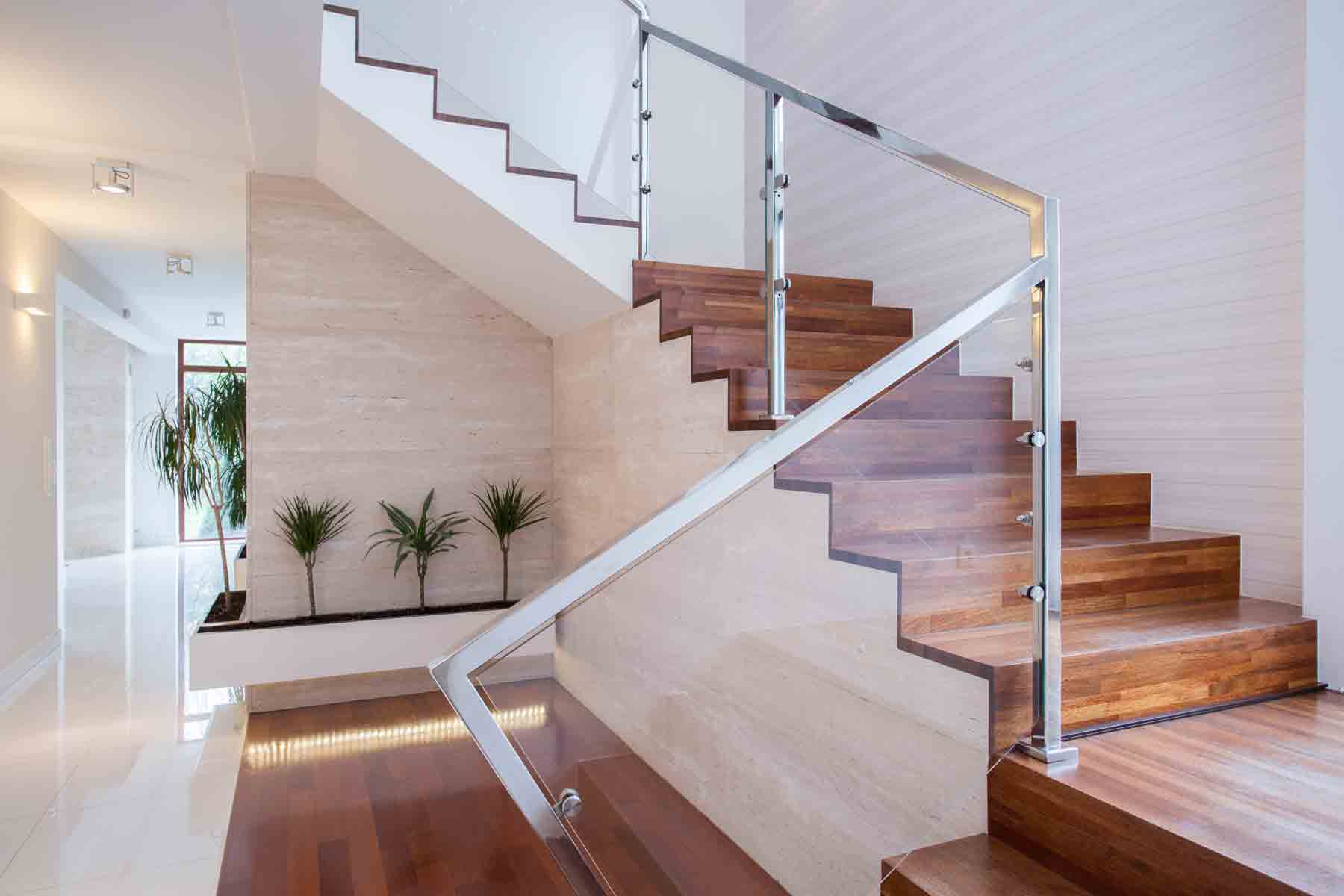

A glass railing system costs $150 to $600 per linear foot installed, according to data from HomeGuide and Angi. The total project cost for most homeowners falls between $3,000 and $20,000, with an average around $7,000. The final price depends on the type of system you choose, the thickness and finish of the glass, the hardware material, and the complexity of the installation.
This article breaks down glass railing costs by system type, explains what drives the price up or down, and covers the long-term value of this investment. We also answer the most common questions homeowners have about glass railing systems, including durability, safety, maintenance, and return on investment.
How Much Does a Glass Railing System Cost Per Foot
A glass railing system costs $150 to $600 per linear foot including materials and installation. According to HomeGuide, the materials alone, including glass panels, posts, and attachment hardware, run $100 to $400 per linear foot. Installation labor adds another $50 to $200 per linear foot on top of that. The wide range reflects the difference between a basic framed system and a high-end frameless installation.
The type of glass has the biggest impact on per-foot pricing. Tempered glass panels, which are the most common choice, typically cost $50 to $100 per linear foot for the glass alone, according to data from A3 Glass Fabricator. Laminated glass, which holds together if cracked, runs $75 to $150 per linear foot. Low-iron tempered glass, which has a clearer appearance without the greenish tint of standard glass, costs $100 to $200 per linear foot.
Outdoor installations cost slightly more than indoor ones. Glass deck and balcony railings need thicker panels and stainless steel hardware that can handle moisture, salt air, and UV exposure. This is especially important in coastal areas where corrosion resistance is a priority. Homeowners often pair outdoor glass railing projects with exterior painting and other curb appeal upgrades for a complete transformation.
What Factors Affect the Cost of a Glass Railing System
Several factors affect the cost of a glass railing system beyond just the glass itself. The system type, glass thickness, hardware material, project layout, and local building codes all play a role in the final price.
System Type
The choice between frameless, semi-frameless, and framed glass railings is the single biggest cost driver. According to a 2026 pricing guide from AG Vinyl Fencing, framed systems start around $150 per linear foot, semi-frameless options run $250 to $400 per linear foot, and premium frameless installations can exceed $600 per linear foot including labor. Frameless systems require thicker glass panels and precision-engineered mounting hardware, which adds to both material and labor costs.
Glass Thickness and Finish
Standard glass railing panels are 3/8 inch thick, but 1/2 inch, 3/4 inch, and even 1 inch panels are available for longer spans and areas exposed to strong winds. According to HomeGuide, panels 5 feet or longer typically need a minimum of 1/2 inch thickness. Tinted, frosted, or etched glass finishes add a premium over clear tempered glass. Each step up in thickness and customization increases the per-foot cost.
Hardware and Post Material
The posts, clamps, spigots, and handrails that support the glass panels also affect the total price. Aluminum hardware is the most affordable option. Stainless steel costs more but offers better corrosion resistance, especially for outdoor and coastal installations. Brushed nickel and matte black finishes are popular choices that carry a slight premium over standard polished finishes. The hardware material matters for longevity just as much as it matters for looks.
Installation Complexity
Straight runs of railing along a flat deck or balcony are the simplest and most affordable to install. Curved staircases, multi-level designs, corner transitions, and angled installations all require custom measurements and more labor time. Projects that need structural modifications to support the weight of the glass panels, such as reinforcing a deck frame, add to the total cost. A professional installer can assess the site and give an accurate estimate based on the actual layout.
Glass Railing Cost by System Type
System TypeCost Per Linear Foot (Installed)Best ForFramed Glass Railing$150 to $250Decks, patios, simple straight runsSemi-Frameless Glass Railing$250 to $400Balconies, staircases, view-facing areasFrameless Glass Railing$400 to $600+High-end homes, penthouses, modern interiorsGlass and Aluminum Combo$66 to $200Budget-friendly residential projectsGlass Stair Railing (Interior)$150 to $600Interior staircases, lofts, landingsGlass Deck Railing (Exterior)$200 to $600Outdoor decks, pool areas, terraces
Sources: HomeGuide, Angi, AG Vinyl Fencing (2026 Pricing Guide), Viewrail, Stair Creations
Are Glass Stair Railings Expensive
Yes, glass stair railings are more expensive than traditional wood, metal, or cable railings. According to data from Senmit's 2025 Railing Cost Guide, basic wood or vinyl railings run about $30 to $70 per linear foot installed, while glass systems start at $150 and go up from there. The higher upfront cost reflects the premium materials, the precision engineering, and the specialized installation that glass requires.
However, the total cost of ownership tells a different story. Wood railings need regular staining, sealing, and eventual replacement. Metal railings can rust or corrode, especially in humid or coastal environments. Glass railings need nothing more than occasional cleaning to stay looking new. According to Urailing, a well-maintained glass railing system lasts 25 to 30 years with minimal upkeep. Over that lifespan, the cost per year is very competitive with cheaper alternatives that need constant maintenance.
Is Glass Railing Worth It
Yes, glass railing is worth it for homeowners who want a clean, modern look combined with long-term durability and strong resale value. According to Angi, the return on investment for glass stair railings can be as high as 75% in a modern home setting. Data from Tenmar suggests that glass railings can increase a home's value by 5% to 15%, depending on local market conditions and installation quality.
The global glass railing market reflects this growing demand. According to Pro Market Reports, the market was valued at approximately $2.5 billion in 2025 and is projected to grow at a compound annual growth rate of 7% through 2033. Growth Market Reports projects the market will reach $7.6 billion by 2033, driven by the popularity of contemporary architectural designs and the shift toward open, airy living spaces.
Beyond the financial return, glass railings add something that other railing materials simply cannot. They preserve sight lines. On a balcony overlooking the water, along a staircase with high ceilings, or around a pool deck with a view, glass lets you see everything without visual interruption. That openness changes how a space feels, and it is one of the main reasons homeowners choose glass over every other option. We see this firsthand in South Florida homes where ocean views and outdoor living are part of daily life.
What Is the Difference Between Frameless and Framed Glass Railings
The difference between frameless and framed glass railings is how the glass panels are supported. Framed systems use metal posts and a top rail to hold the glass in place. Frameless systems eliminate the posts entirely and mount the glass directly into base channels, spigots, or standoff pins, creating a nearly invisible barrier.
Framed glass railings are more affordable and easier to install. They work well for decks, patios, and standard balconies where the priority is getting the clean look of glass at a reasonable price. The metal frame provides additional structural support, which means the glass panels can be thinner, usually 3/8 inch.
Frameless glass railings deliver a more dramatic visual effect. Without posts or top rails, the glass appears to float. This is the look you see in high-end hotels, modern penthouses, and luxury waterfront homes. The glass panels need to be thicker, typically 1/2 inch or more, because they are bearing the load without the help of a frame. That thicker glass and the precision hardware required to mount it are what make frameless systems cost two to three times more than framed options.
Semi-frameless systems split the difference. They use minimal posts or clips to support the glass while keeping a more open appearance than a fully framed system. For many homeowners, this is the sweet spot between aesthetics and budget. Adding a glass partition in interior spaces creates a similar open, light-filled effect.
How Long Do Glass Railings Last
Glass railings last 25 to 30 years with proper maintenance, according to Urailing. The glass itself does not degrade over time the way wood rots, metal rusts, or vinyl becomes brittle in the sun. Tempered glass is heat-treated to be four to five times stronger than standard glass, according to data from Mannlee. It resists scratches, UV damage, and temperature swings without losing clarity or strength.
The hardware is the component that determines how long the system performs at its best. Stainless steel hardware resists corrosion far better than aluminum or iron, which makes it the better choice for outdoor and coastal installations. UV-resistant silicone sealants, high-grade clamps, and corrosion-resistant fasteners all extend the system's life. Annual inspections to check for loose clamps or sealant cracks are the only routine maintenance most systems need.
The glass panels themselves require only periodic cleaning with an ammonia-free glass cleaner. No staining, no painting, no sealing. For homeowners who want a beautiful railing that still looks brand new a decade after installation, glass is one of the lowest-maintenance options available. Pairing glass railings with a pergola or other outdoor features creates a cohesive, modern outdoor living area that holds up for years.
Are Glass Railings Safe
Yes, glass railings are safe when they are built with the right materials and installed to meet building codes. Modern glass railing systems use tempered or laminated safety glass that meets strict performance standards set by the International Building Code (IBC), ANSI Z97.1, and the Consumer Product Safety Commission (16 CFR Part 1201).
Tempered glass is the most common choice. It is four to five times stronger than regular annealed glass, according to A3 Glass Fabricator. If tempered glass breaks, it crumbles into small, blunt pieces instead of sharp shards, which greatly reduces the risk of injury. Laminated glass takes safety a step further by sandwiching a clear interlayer between two sheets of glass. Even if the outer layers crack, the interlayer holds the glass together and prevents it from falling apart.
According to the IBC 2021, all glass used in guards must be laminated with either heat-strengthened or fully tempered safety glazing. The minimum glass thickness for any guard application is 1/4 inch, though thicker glass is required for larger panels and high-wind areas. Residential guardrails must be at least 36 inches high, while commercial guardrails must be 42 inches. Proper installation by a licensed professional is what ties all of these safety requirements together. Glass railings work well alongside other protective upgrades like impact windows and doors for a fully secure home.
How Glass Railing Costs Compare to Other Railing Materials
Glass railings cost more upfront than most traditional railing materials, but the gap narrows when you factor in maintenance and lifespan. According to Senmit's 2025 Railing Cost Guide, here is how the major railing types compare.
Basic wood railings cost $30 to $75 per linear foot installed but require regular staining, sealing, and eventual replacement every 10 to 15 years. Composite railings run $40 to $100 per linear foot and last longer than wood but can fade or warp over time. Cable railings cost $60 to $150 per linear foot and offer a modern, open look, but the cables need periodic tensioning and may not meet code in all areas. Glass railings start at $150 per linear foot and go up to $600 or more, but they last 25 to 30 years with virtually no maintenance.
When you calculate the cost over a 25-year period, glass railings often come out ahead of wood because you avoid the repeated costs of staining, repairs, and replacement. The zero-maintenance aspect is a real advantage for homeowners who do not want to spend weekends maintaining their deck or staircase railing. Many homeowners add glass railings as part of a larger full home renovation that modernizes the entire property at once.
What to Know Before Installing a Glass Railing System
Before installing a glass railing system, there are a few practical considerations that affect both cost and outcome.
Local building codes vary. The IBC sets national standards, but your city or county may have additional requirements for glass thickness, height, wind load ratings, or the type of mounting hardware allowed. In South Florida, wind load requirements are stricter than in most other parts of the country. An experienced installer will know the local codes and make sure the system passes inspection the first time.
The structure underneath the railing matters. Glass panels are heavier than wood or metal balusters. If you are adding glass railings to an existing deck, balcony, or staircase, the framing may need to be reinforced to handle the added weight. This is especially true for frameless systems, where the base mount bears the full load of the glass panel. A site assessment before the project starts helps avoid surprises during installation.
Material lead times can affect your timeline. Custom glass panels, especially those with specialty finishes like frosted, tinted, or low-iron glass, may take several weeks to fabricate and deliver. Ordering materials early, before the installation date, keeps the project on schedule. This is the same approach we recommend for any major home remodeling project.
Frequently Asked Questions
How Much Does It Cost to Install a Glass Stair Railing
It costs $150 to $600 per linear foot to install a glass stair railing, according to HomeGuide. The total cost for a typical interior staircase with 15 to 20 linear feet of railing usually falls between $3,000 and $10,000. Curved staircases and custom designs cost more because each panel must be individually measured and fabricated to fit the specific angles of the staircase.
How Much Does Labor Cost to Install Glass Railings
Labor costs to install glass railings run $50 to $200 per linear foot, according to HomeGuide. The labor rate depends on the complexity of the installation, the type of mounting system, and the experience level of the installer. Frameless systems require more precision and take longer to install, which puts labor costs at the higher end of that range.
Do Glass Railings Add Home Value
Yes, glass railings add home value. According to Angi, the return on investment for glass stair railings can reach 75% in a modern home setting. Data from Tenmar indicates that glass railings can increase a home's overall value by 5% to 15%. Buyers are drawn to the clean, modern aesthetic and the unobstructed views that glass provides, especially in properties with scenic surroundings.
Can Glass Railings Be Used Outdoors
Yes, glass railings can be used outdoors and are a popular choice for decks, balconies, pool areas, and terraces. Outdoor systems use thicker glass panels and stainless steel or marine-grade hardware to withstand moisture, salt air, UV exposure, and wind. A properly installed outdoor glass railing performs well for decades in even the most demanding coastal climates.
How Do You Maintain Glass Railings
You maintain glass railings by cleaning the panels periodically with an ammonia-free glass cleaner and a soft cloth. There is no staining, painting, or sealing required. An annual inspection of the hardware, including clamps, fasteners, and sealants, helps catch any loosening or wear before it becomes a problem. Avoid abrasive cleaners or metal tools that can scratch the glass surface.
What Is the Difference Between Tempered and Laminated Glass for Railings
The difference between tempered and laminated glass for railings is how they respond to impact. Tempered glass is heat-treated to be four to five times stronger than regular glass and crumbles into small, blunt pieces if broken. Laminated glass sandwiches a clear interlayer between two sheets of glass, holding the panel together even when cracked. The IBC 2021 requires laminated glass for most guard applications.
Putting It All Together
A glass railing system is a premium upgrade that delivers lasting value through its clean design, low maintenance, and strong return on investment. Costs range from $150 to $600 per linear foot depending on the system type, and total projects typically fall between $3,000 and $20,000. The key to getting the best result is choosing the right system for your space, using quality materials, and working with an experienced installer who knows local building codes.
If you are considering a glass railing for your home, ASP Super Home can walk you through the options and provide a detailed estimate. Call 786-933-9815 to get started.
Meet With a Project Manager
Your first conversation is with a Project Manager who takes the time to understand your goals, walk you through your options, and stays connected throughout your project — from the initial consultation through the final walkthrough.
.avif)
.avif)
.avif)
%201.avif)
Insights & Resources
Stay informed with expert tips on roofing materials, hurricane codes, repairs, and South Florida construction standards.


%201.avif)
%201%20(1).avif)
%201.svg)
%201%20(1)%20(1).png)
.png.png)
.png%20(1).png)
.png%20(2).png)
.avif)
.avif)


.png)
.svg)
.png)