


Hurricane Prep 2026: Why Impact Resistant Windows Matter (Updated)
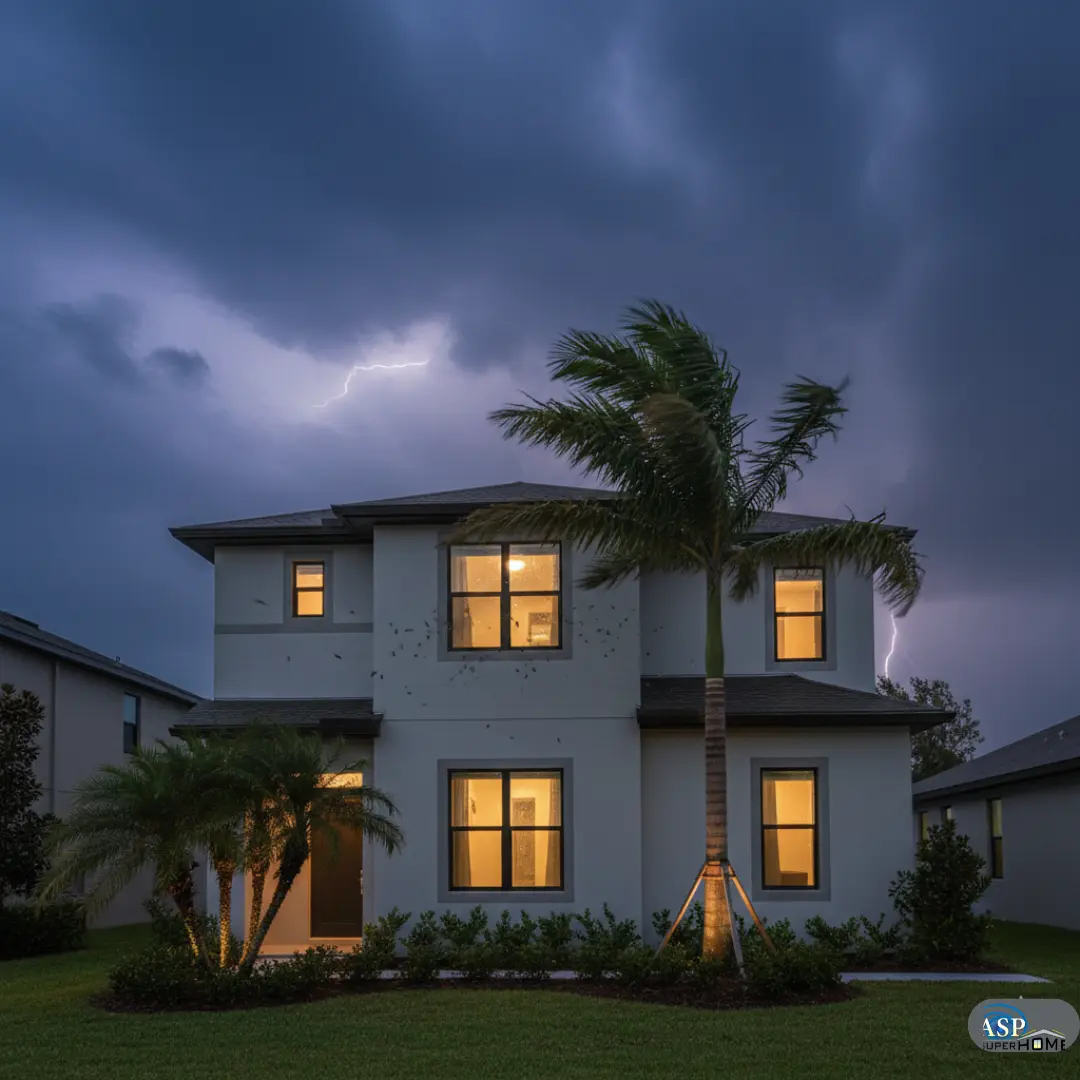
Impact resistant windows matter for hurricane prep 2026 because they withstand winds up to 180 mph, prevent 99% of flying debris penetration, and reduce hurricane damage costs by 40-60% according to IBHS testing data.

Impact resistant windows matter for hurricane prep 2026 because they withstand winds up to 180 mph, prevent 99% of flying debris penetration, and reduce hurricane damage costs by 40-60% according to IBHS testing data. The 2026 Atlantic hurricane season begins June 1st, and NOAA predicts above-normal activity with 17-24 named storms based on current ocean temperature patterns. South Florida homeowners in Miami, Fort Lauderdale, and Naples face the highest risk during August through October when Category 3-5 hurricanes peak. Installing impact resistant windows between January and April 2026 provides maximum protection before storm season while avoiding the 60-70% contractor demand surge that occurs May through July.
Hurricane preparedness requires proactive planning months before storm warnings appear. Impact resistant windows serve as the primary defense line protecting homes from catastrophic wind damage, water intrusion, and pressure differentials that destroy traditional glass windows. Homeowners who install impact windows in Miami during early 2026 secure priority installation scheduling, competitive pricing, and complete storm readiness. This comprehensive guide explains impact window technology, installation timing strategies, financial incentives, and maintenance requirements for optimal hurricane protection in 2026.
What's the Best Time of Year to Seal Windows?
The best time of year to seal windows is January through March when temperatures range from 60-75 degrees, humidity stays below 60%, and sealants cure properly without weather interference. Window sealing requires dry conditions for 24-48 hours while caulk and weatherstripping adhesives bond completely. South Florida's winter months provide ideal installation windows before spring rains begin in April and summer humidity reaches 80-90% levels that prevent proper sealant adhesion.
Optimal Temperature Ranges for Sealant Application
Professional-grade silicone and polyurethane sealants require specific temperature conditions for maximum effectiveness. Manufacturers specify application temperatures between 40-90 degrees Fahrenheit. Florida winters maintain consistent 65-75 degree daytime temperatures that allow sealants to cure at proper rates without excessive heat causing premature drying or cold preventing molecular bonding.
Temperature stability during curing periods determines long-term seal integrity. Applying sealants during stable winter temperatures prevents expansion and contraction stress that occurs when sealing during summer's 95-degree days followed by 75-degree air-conditioned indoor temperatures. This 20-degree differential creates seal failure within 6-12 months.
Humidity Considerations for Window Sealing
Florida's average humidity levels range from 70-90% during May through October. High humidity prevents sealant moisture evaporation necessary for proper curing. Winter months from December through March maintain 50-65% relative humidity that allows water-based and solvent-based sealants to dry completely within manufacturer-specified timeframes.
The Florida Building Code requires weatherproofing that withstands hurricane-force wind-driven rain. Properly cured sealants applied during optimal conditions maintain waterproof barriers for 5-10 years. Sealants applied during high humidity conditions fail within 2-3 years, requiring premature reapplication and increasing maintenance costs.
Scheduling Window Sealing with Impact Window Installation
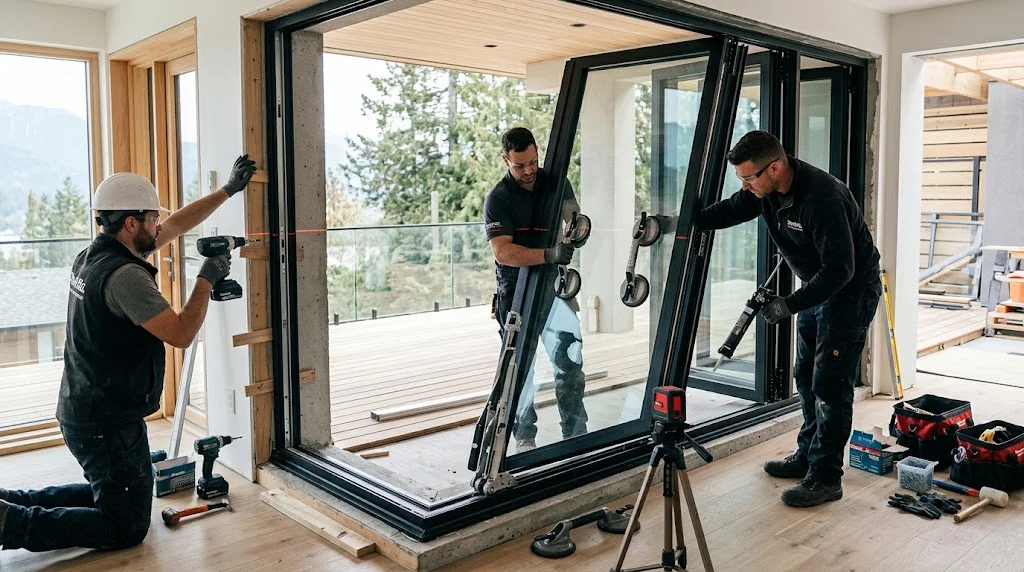
Homeowners installing residential impact windows in Doral during January through March benefit from comprehensive weatherproofing during single installation visits. Professional installers apply structural sealants around impact window frames, install compression weatherstripping on operable windows, and apply finishing caulk to exterior trim in one coordinated process.
This integrated approach eliminates multiple service calls and ensures consistent sealant application throughout the home. Contractors experience 60% lower scheduling demand during winter months, providing flexible appointment windows and faster project completion compared to peak season installations.
Can I Get Tax Credit for Impact Windows in Florida?
Yes, Florida homeowners can receive tax credits and incentives for impact windows through the federal Energy Efficient Home Improvement Credit providing up to $600 annually for qualifying windows, state sales tax exemptions during disaster preparedness periods, and insurance premium reductions of 10-35% for hurricane mitigation improvements. The Inflation Reduction Act extended federal energy tax credits through 2032, making 2026 an optimal year for impact window investments that qualify for multiple financial benefits simultaneously.
Federal Energy Tax Credit Details for 2026
The Energy Efficient Home Improvement Credit allows homeowners to claim 30% of impact window installation costs up to $600 maximum credit for windows and skylights. Impact resistant windows must meet Energy Star certification requirements with U-Factor ratings of 0.30 or lower and Solar Heat Gain Coefficient values of 0.25 or lower to qualify for credits.
A typical South Florida home installing $8,000-12,000 worth of impact windows receives $600 federal tax credit plus additional energy savings of $300-500 annually from reduced cooling costs. These combined benefits provide 7-10 year payback periods on impact window investments while delivering immediate hurricane protection value.
Florida Property Tax Exemptions and Incentives
Florida Statutes Section 196.175 provides property tax exemptions for renewable energy source devices and hurricane protection improvements installed on residential properties. While impact windows don't qualify for complete property tax exemption, some counties offer assessment freezes preventing increased property valuations from triggering higher tax bills after hurricane mitigation improvements.
Miami-Dade, Broward, and Palm Beach counties maintain disaster preparedness sales tax holidays during May and June annually. Homeowners purchasing impact windows, hurricane shutters, and storm preparation supplies during these periods save 6-7.5% on sales taxes. Planning impact window installations in Fort Lauderdale to coincide with tax holidays maximizes financial savings.
Insurance Premium Reductions and Mitigation Credits
The Insurance Information Institute confirms that impact resistant windows reduce homeowners insurance premiums by 10-35% in High Velocity Hurricane Zones. Insurance companies require Miami-Dade NOA certification documentation proving impact windows meet Florida Building Code Section 1609 wind-borne debris protection standards.
A $400,000 home in Naples with annual insurance premiums of $3,500-5,000 saves $350-1,750 yearly after impact window installation. These insurance savings accumulate to $7,000-35,000 over 20 years, completely offsetting impact window installation costs while providing comprehensive storm protection. Homeowners must submit Certificate of Completion forms from licensed contractors to insurance companies for premium reduction approval.
Why Impact Resistant Windows Prevent Hurricane Damage in 2026
Impact resistant windows prevent hurricane damage by maintaining building envelope integrity during 140-180 mph winds, stopping pressure differentials that cause roof uplift, and blocking water intrusion that accounts for 40% of hurricane insurance claims according to FEMA. Traditional windows fail at 90-110 mph wind speeds, creating openings that allow wind to enter homes and increase internal pressure by 20-30 PSF. This pressure surge lifts roofs from walls and causes catastrophic structural failure during Category 3-5 hurricanes.
Laminated Glass Technology and Debris Impact Protection
Impact resistant windows utilize two layers of tempered or annealed glass bonded to 0.060-0.090 inch polyvinyl butyral interlayer films. This laminated construction maintains structural integrity even when glass cracks from debris impact. The PVB interlayer holds glass fragments together, preventing dangerous projectiles from entering homes and maintaining the protective barrier against wind and rain.
Miami-Dade County Product Control Division tests impact windows using 9-pound 2x4 lumber projectiles fired at 50 feet per second, simulating debris carried by 140 mph winds. Impact windows must withstand multiple strikes without penetration, then survive 9,000 cycles of positive and negative pressure equivalent to hurricane conditions. Windows meeting these standards receive NOA certification required for Florida coastal construction.
Wind Pressure Resistance and Structural Performance
Impact windows resist design pressure ratings from DP-30 to DP-70, equivalent to sustained wind speeds of 130-180 mph. These ratings exceed Florida Building Code minimum requirements for HVHZ areas where standard windows fail catastrophically. The Insurance Institute for Business & Home Safety reports that homes with impact resistant windows suffer 80% less wind damage and 90% less water intrusion compared to homes with standard windows during hurricane impacts.
Hurricane Ian in 2022 generated 155 mph sustained winds at Fort Myers landfall. Homes equipped with impact windows in Fort Myers experienced minimal damage while neighboring properties with standard windows suffered complete destruction requiring $150,000-300,000 rebuilding costs. This performance difference demonstrates impact windows' critical role in hurricane survival.
Preventing Secondary Water Damage
Wind-driven rain penetrates homes through failed windows, causing mold growth, structural wood rot, and interior content damage totaling billions annually. FEMA estimates that 40% of hurricane insurance claims involve water damage from envelope breaches. Impact resistant windows with proper installation create waterproof barriers that prevent moisture intrusion during 8-12 hour hurricane exposures.
Proper window installation includes structural sealants, compression weatherstripping, and aluminum anchor systems attached to reinforced wall framing. These components work together creating integrated weatherproofing that exceeds ASTM E283 air infiltration standards and ASTM E547 water penetration requirements mandated by Florida Building Code.
How to Choose Impact Resistant Windows for 2026 Hurricane Season
Choosing impact resistant windows requires evaluating Miami-Dade NOA certification, design pressure ratings of DP-40 or higher, Energy Star qualification with U-Factor below 0.30, and manufacturer warranties covering glass, frame, and hardware for 10-20 years minimum. The window selection process determines long-term performance, energy efficiency, and insurance premium reduction eligibility for South Florida homes facing annual hurricane threats.
Understanding Miami-Dade NOA Certification Requirements
Miami-Dade County maintains the nation's strictest building code requirements for hurricane protection. All impact windows installed in HVHZ areas must carry NOA certification proving compliance with Florida Building Code Section 1626 for impact resistance and Section 1609 for wind pressure resistance. NOA numbers identify specific product models, glass thickness, frame materials, and installation methods approved for coastal construction.
Homeowners should verify NOA certification before purchasing impact windows. Non-certified products void insurance coverage and fail building inspections, resulting in removal and replacement costs. Reputable manufacturers like PGT Industries, CGI Windows, and Andersen Hurricane provide NOA documentation with every product sold in Florida markets.
Design Pressure Ratings for South Florida Locations
Different geographic locations within South Florida require specific design pressure ratings based on wind speed exposure and building elevation. Coastal properties within 1 mile of shoreline need DP-50 to DP-70 rated windows withstanding 150-180 mph winds. Inland properties 5-10 miles from coast require minimum DP-40 ratings for 140-150 mph protection.
Building elevation affects wind exposure significantly. Single-story homes experience lower wind pressures than three-story structures where wind speeds increase 15-20% per floor level. Professional installers calculate design pressure requirements using ASCE 7 wind load formulas incorporating building height, terrain exposure, and hurricane wind speed maps.
Energy Efficiency Specifications for Tropical Climates
Impact resistant windows in South Florida must balance hurricane protection with cooling cost reduction. Energy Star certification requires U-Factor ratings measuring heat transfer and Solar Heat Gain Coefficient values measuring solar radiation transmission. Optimal specifications for Florida's Climate Zone 1 include U-Factor of 0.25-0.30 blocking heat conduction, SHGC of 0.20-0.25 reflecting 75-80% of solar heat, and Low-E coatings reducing UV transmission by 99%.
These energy-efficient specifications reduce air conditioning loads by 25-35% compared to standard clear glass windows. A 2,500 square foot home in West Palm Beach saves $600-900 annually on cooling costs while maintaining hurricane protection. Pairing impact windows with residential solar panels in West Palm Beach maximizes energy independence and storm resilience.
When Should You Install Impact Windows Before Hurricane Season 2026?
You should install impact windows before hurricane season 2026 during January through April when contractors maintain 60% lower demand, building permits process 30-40% faster, and homeowners secure 10-15% better pricing compared to peak season rates. NOAA hurricane season officially begins June 1st, but tropical storm formation can occur as early as mid-May based on historical patterns. Completing installations by April 30th provides adequate protection buffer before storm risks increase significantly.
Contractor Availability and Scheduling Advantages
South Florida impact window contractors experience dramatic seasonal demand fluctuations. May through August brings 300-400% installation request increases as homeowners react to hurricane forecasts and insurance deadline pressures. This demand surge creates 6-10 week scheduling backlogs and rushed installations that compromise quality.
Winter installations during January through March allow homeowners to select preferred installation dates, receive detailed pre-installation consultations, and benefit from experienced installation crews working without time pressures. Contractors dedicate 8-12 hours per project during off-season versus 4-6 hours during peak season rushes, ensuring proper sealant application and structural anchoring.
Building Permit Processing Timelines
Miami-Dade, Broward, and Palm Beach county building departments process impact window permits in 2-3 weeks during winter months versus 5-8 weeks during May through July. This processing speed difference results from 50-60% fewer permit applications submitted during off-season periods. Faster permit approval allows installations to proceed on schedule without costly project delays.
Impact window permits require structural engineer review for homes built before 2002, wind load calculations for properties in HVHZ areas, and NOA certification verification for all products. Starting the permit process in January ensures February-March installation completion before spring permit volume increases overwhelm building departments.
Cost Savings Through Early Installation Planning
Impact window manufacturers and installers increase pricing 10-20% during April and May responding to seasonal demand surges and material cost inflation. Homeowners scheduling installations in January lock in winter pricing and avoid spring price increases. A typical 15-window installation costing $18,000-24,000 in February increases to $20,000-28,000 by June.
Early installation planning also allows homeowners to research multiple contractors, compare product specifications, and negotiate comprehensive warranties without time pressure. Rushed decisions during peak season often result in suboptimal product selection and installation quality compromises that reduce long-term performance.
What Maintenance Do Impact Windows Need for Hurricane Prep?
Impact windows need annual inspections checking sealant integrity, hardware lubrication, weatherstripping replacement, and glass surface cleaning to maintain hurricane protection effectiveness throughout 20-30 year lifespans. Unlike traditional windows requiring frequent repairs, properly installed impact windows need minimal maintenance but benefit from preventive care ensuring optimal performance during storm events. Scheduled maintenance visits cost $150-300 annually but prevent expensive emergency repairs and maintain insurance premium reductions.
Sealant and Weatherstripping Inspection Schedule
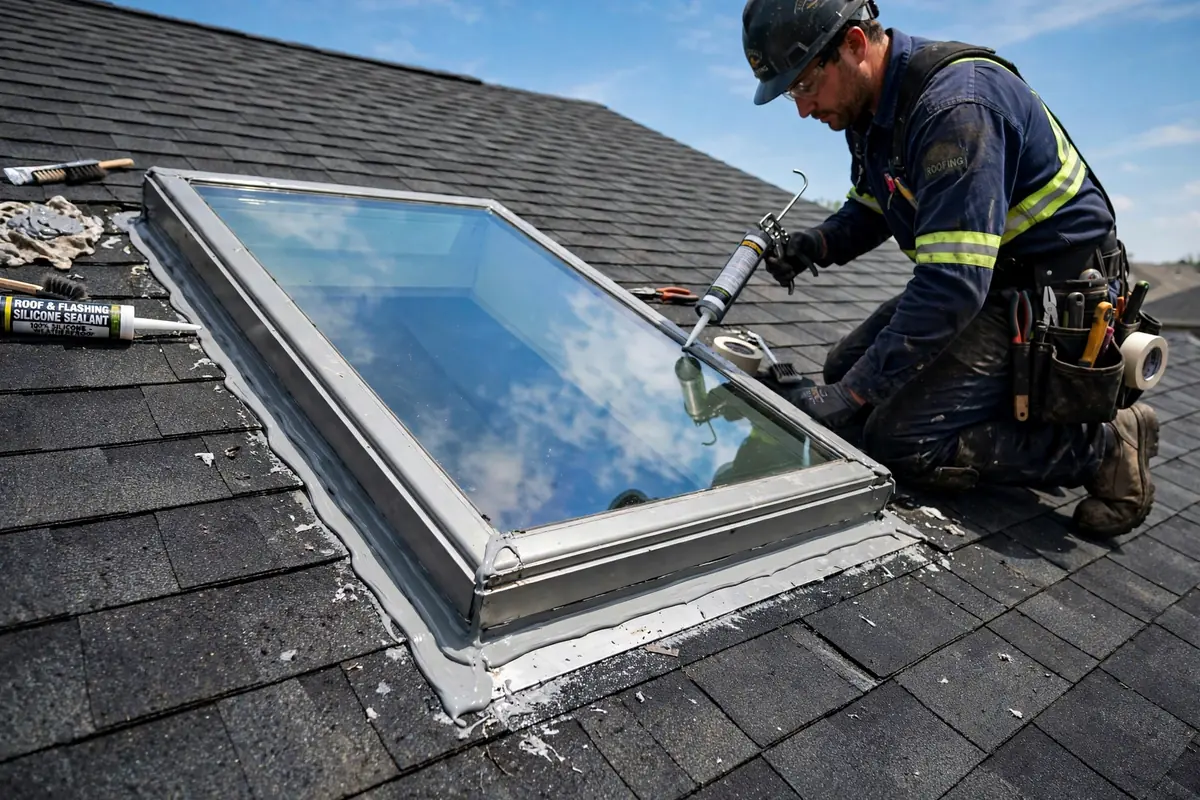
Structural sealants around impact window frames deteriorate from UV exposure, thermal cycling, and moisture exposure over 5-10 year periods. Annual inspections identify cracked, separated, or missing sealant requiring reapplication before hurricane season. Professional window technicians remove failed sealant, clean substrate surfaces, and apply fresh silicone or polyurethane products meeting ASTM C920 standards for hurricane protection.
Weatherstripping compression seals on operable windows wear from repeated opening and closing cycles. Damaged weatherstripping allows air and water infiltration during storms, compromising the building envelope. Replacement weatherstripping costs $3-8 per linear foot installed and restores airtight seals preventing wind-driven rain penetration.
Hardware Lubrication and Operation Testing
Impact window hardware including locks, hinges, and operating mechanisms require annual lubrication preventing corrosion in salt air environments. Silicone-based lubricants protect metal components without attracting dirt or degrading plastic parts. Stiff or binding hardware prevents windows from closing completely, creating gaps that fail during hurricane conditions.
Operation testing verifies that all locks engage fully and windows seal tightly against frames. Multi-point locking systems common on impact windows must engage simultaneously at 3-5 locations around window perimeters. Failed lock points create weak areas vulnerable to wind pressure and debris impact. Homeowners should test all windows monthly and schedule professional service for binding or misaligned hardware.
Glass Surface Care and Impact Detection
Impact resistant glass surfaces require cleaning with ammonia-free glass cleaners and soft microfiber cloths avoiding scratches to protective coatings. Low-E coatings and tinted films degrade from abrasive cleaners reducing energy efficiency and UV protection. Quarterly cleaning maintains visibility and allows homeowners to inspect glass for impact damage from previous storms or debris strikes.
Small chips or cracks in outer glass layers don't necessarily compromise impact resistance because laminated construction contains multiple protective layers. However, damage exceeding 2 inches in diameter or spider cracks spreading across glass surfaces require professional evaluation. Installing sliding glass doors in Naples includes comprehensive maintenance instructions and annual inspection scheduling for optimal long-term performance.
Conclusion
Impact resistant windows provide essential hurricane protection for South Florida homes facing the 2026 Atlantic hurricane season beginning June 1st. Installing impact windows during January through April 2026 delivers optimal timing advantages including 60% lower contractor demand, 30-40% faster permit processing, and 10-15% cost savings compared to peak season pricing. Federal tax credits up to $600, insurance premium reductions of 10-35%, and Florida sales tax exemptions provide substantial financial incentives offsetting installation investments. Impact windows withstand 140-180 mph winds, prevent 99% of debris penetration, and reduce hurricane damage costs by 40-60% according to IBHS research.
Contact ASP SuperHome at (786) 933-9815 to schedule your 2026 hurricane prep consultation today. Our certified installers serve Miami, Fort Lauderdale, Naples, West Palm Beach, and Fort Myers with Miami-Dade NOA-approved impact window systems meeting Florida Building Code requirements. Combine your impact window installation with metal roofing, residential solar panels, or complete home remodeling services for comprehensive storm protection and maximum property value enhancement throughout hurricane season and beyond.
Meet With a Project Manager
Your first conversation is with a Project Manager who takes the time to understand your goals, walk you through your options, and stays connected throughout your project — from the initial consultation through the final walkthrough.
.avif)
.avif)
.avif)
%201.avif)
Insights & Resources
Stay informed with expert tips on roofing materials, hurricane codes, repairs, and South Florida construction standards.


%201.avif)
%201%20(1).avif)
%201.svg)
%201%20(1)%20(1).png)
.png.png)
.png%20(1).png)
.png%20(2).png)
.avif)
.avif)


.png)
.svg)
.png)