


Best Flooring Options for Humid Climates
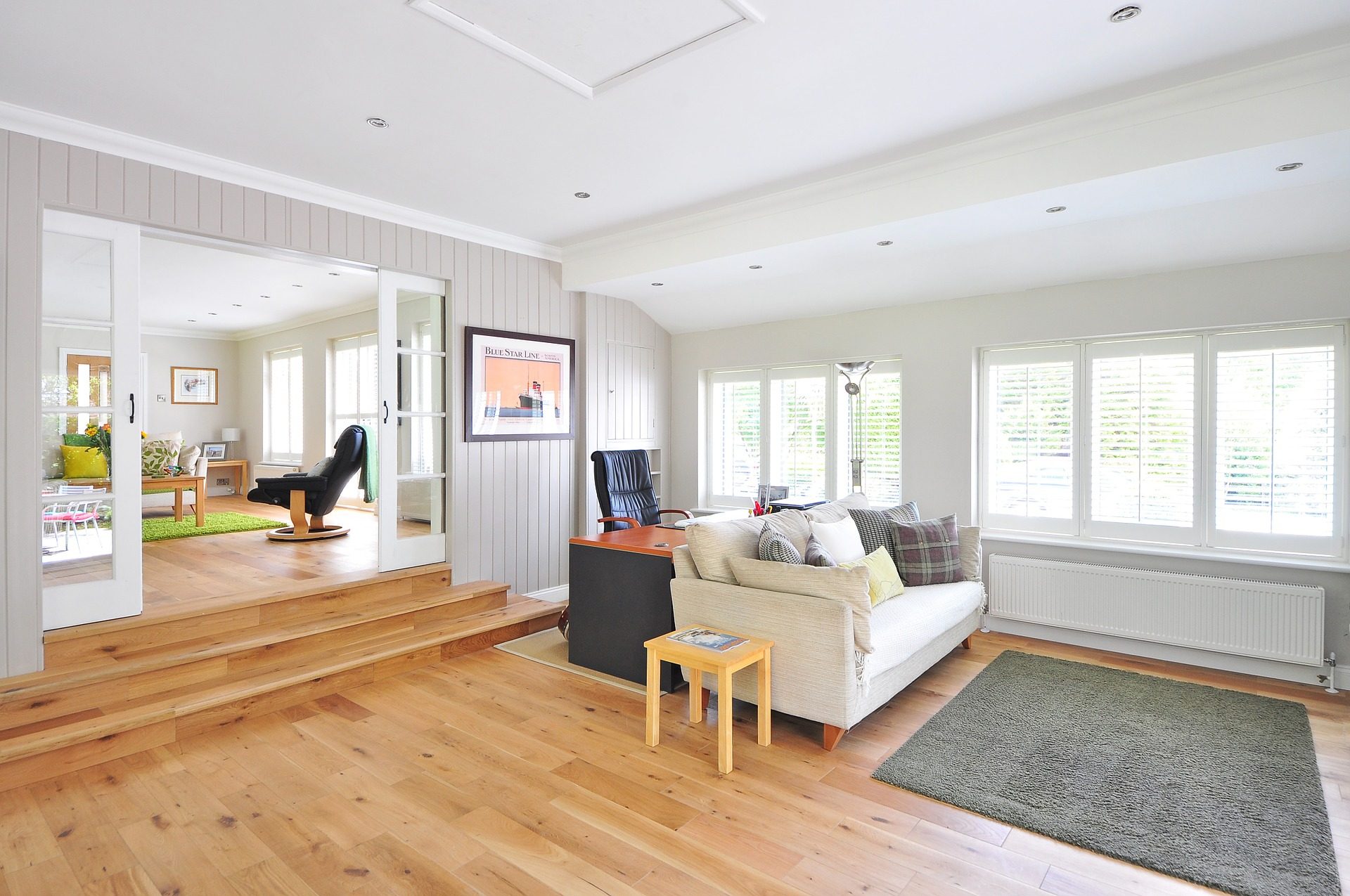

The best flooring options for humid climates are porcelain tile, luxury vinyl plank (LVP), and engineered hardwood. These three materials resist moisture absorption, prevent warping and mold, and hold up for decades in homes where humidity stays above 60% for most of the year. According to the American National Standards Institute (ANSI), porcelain tile absorbs less than 0.5% water, making it nearly impervious to moisture damage.
In this article, we break down each flooring type, explain why humidity destroys certain materials, share data-backed comparisons, and help you pick the right floor for every room in your home.
What Is the Best Flooring for High Humidity Areas?
The best flooring for high humidity areas is porcelain tile, luxury vinyl plank, or engineered hardwood. Each of these materials handles constant moisture in the air without swelling, buckling, or growing mold.
Humidity is a bigger deal than most homeowners realize. The Florida Climate Center reports that Florida's average relative humidity sits around 74.5%, the second highest in the entire country after Alaska. In South Florida specifically, morning humidity routinely rises above 85% to 90% during the wet season from May through October. That level of moisture in the air puts enormous stress on floors that were not built for it.
A report from Grand View Research found that the porcelain tile segment held over 30.7% of global flooring market revenue share in 2025, largely due to its moisture resistance and durability in humid regions. Meanwhile, the luxury vinyl tile segment is growing at the fastest rate of 8.4% CAGR, driven by demand for waterproof, low-maintenance surfaces. These numbers show exactly where the industry is heading, and it is toward flooring installation materials that can handle moisture.
Why Humidity Damages Certain Types of Flooring
Humidity damages flooring because moisture in the air gets absorbed by porous materials. Wood expands when it takes in water and contracts when it dries out. Over time, this constant expanding and contracting causes warping, cupping, gapping, and even complete separation from the subfloor.
According to data referenced by Wikipedia and Concrete Construction Magazine, hundreds of millions of dollars are spent every year in the United States just to fix moisture-related flooring problems. That is not a small number. It shows how widespread the issue really is, especially in states with tropical or subtropical climates.
How Moisture Causes Warping, Cupping, and Mold
Moisture causes warping when floorboards absorb water unevenly. The edges of the board swell higher than the center, which is called cupping. If the problem continues, the entire board lifts away from the subfloor in what is known as buckling. Prolonged moisture exposure also creates the perfect environment for mold and mildew to grow underneath the floor, which damages both the flooring and the air quality in your home.
The ideal relative humidity range for most wood-based flooring is between 35% and 55%, according to the National Wood Flooring Association. In a state where outdoor humidity regularly exceeds 70%, keeping indoor levels that low requires a strong HVAC system or a dehumidifier running consistently. That is why many homeowners in humid regions skip traditional hardwood entirely and go with materials that do not react to moisture at all.
If your home also has older windows that let humid air leak inside, your floors are fighting a losing battle. Impact windows help seal the home and reduce the amount of outside moisture that enters your living space.
Porcelain and Ceramic Tile for Humid Climates
Porcelain and ceramic tile are among the most reliable flooring choices for humid climates. Porcelain tile absorbs less than 0.5% of water according to ANSI standards, which classifies it as "impervious." Ceramic tile absorbs between 3% and 7%, which still qualifies it for indoor use in wet areas like bathrooms and kitchens.
The difference between porcelain and ceramic comes down to density. Porcelain is made from finer clay and fired at much higher temperatures, which closes the pores in the material and makes it nearly waterproof. Ceramic tiles are fired at lower temperatures and are slightly more porous, but glazed ceramic still performs well in homes with moderate humidity. Both are excellent choices for a bathroom remodel where daily exposure to steam and splashing water is inevitable.
Porcelain tile is one of the most popular flooring materials we install in South Florida homes. It looks beautiful, stays cool underfoot in hot weather, and holds up to heavy foot traffic for decades.
When paired with a proper kitchen remodel, porcelain tile gives the entire space a clean, modern finish that lasts.
What Flooring Does an Interior Designer Say to Avoid?
An interior designer says to avoid solid hardwood, unsealed natural stone, and standard carpet in humid climates. These materials absorb moisture, trap allergens, and degrade faster in environments with high relative humidity.
Solid hardwood is the biggest concern. Without consistent climate control indoors, solid wood planks will cup, gap, and eventually buckle. Carpet is another poor choice because it traps moisture in the padding underneath, which leads to mold growth and musty smells. Unsealed stone, while durable, can stain and harbor mildew if it is not sealed and maintained regularly.
The residential sector accounts for over 55% of the global flooring market, according to industry data cited by Flacks Flooring. That means homeowners are driving the demand, and what they are choosing overwhelmingly skews toward moisture-proof hard surfaces like tile and LVP.
Is Luxury Vinyl Plank Good for Humid Climates?
Yes, luxury vinyl plank is one of the best flooring options for humid climates. LVP is 100% waterproof, does not swell or warp from moisture exposure, and resists mold and mildew growth. It is made with either a stone plastic composite (SPC) or wood plastic composite (WPC) core, both of which are engineered to be completely impervious to water.
The global luxury vinyl tile market was valued at approximately $32.85 billion in 2025 and is growing at a rate of nearly 10% per year, according to Mordor Intelligence. That rapid growth is directly tied to consumer demand for waterproof flooring that looks like real wood or stone without the drawbacks.
LVP is also one of the more comfortable options. Unlike tile, which can feel hard underfoot, vinyl planks have a slight give and many come with built-in underlayment for extra cushion. This makes LVP a great choice for living rooms, bedrooms, and hallways. We install LVP across entire homes as part of larger home remodeling projects, and it works in every room.
What Ruins LVP Flooring?
What ruins LVP flooring is direct, prolonged sunlight exposure, dragging heavy objects across it without protection, and using harsh chemical cleaners. While LVP is waterproof, it is not immune to physical damage or UV degradation.
Direct sunlight can cause vinyl to fade or discolor over time. Using felt pads under furniture legs and avoiding abrasive cleaning products will keep the surface looking new. Temperature extremes can also cause minor expansion and contraction in lower-quality LVP products, so choosing a rigid core (SPC) product and keeping your home at a steady indoor temperature makes a big difference.
Does Heavy Furniture Dent Vinyl Plank Flooring?
Yes, heavy furniture can dent vinyl plank flooring if the weight is concentrated on a small area without protection. The thicker the wear layer on your LVP, the more resistant it is to dents and scratches.
A wear layer of 20 mil (0.5 mm) or higher is recommended for residential use in busy homes. Commercial-grade LVP often has a 28 mil wear layer or thicker. Using wide furniture pads distributes the weight evenly and prevents permanent indentations. Even with heavy items like couches and bookshelves, a quality LVP product handles the load well when properly protected.
Engineered Hardwood vs. Solid Hardwood in Humid Climates
Engineered hardwood outperforms solid hardwood in humid climates because of its layered construction. Each layer of engineered hardwood runs in a different direction, which counteracts the natural tendency of wood to expand and contract with moisture changes. Solid hardwood is a single slab of wood, and it reacts to every shift in humidity.
According to the National Association of Realtors, new wood flooring delivers an estimated 118% return on investment at resale. Hardwood refinishing brings back even more at 147% ROI. So the value is clearly there. But in a humid climate, engineered hardwood gives you that same aesthetic appeal and resale value with far less risk of moisture damage.
Engineered hardwood performs best in homes where indoor humidity is kept between 35% and 55%. In South Florida, that means your air conditioning system is doing double duty as both a cooling system and a dehumidifier. Homeowners who invest in energy-efficient upgrades like sealed windows and proper insulation make it much easier to control indoor conditions and protect wood floors.
What Is the Healthiest Plank Flooring?
The healthiest plank flooring is low-VOC luxury vinyl plank or certified engineered hardwood. Both options are available in formulations that minimize off-gassing and contribute to better indoor air quality.
VOC stands for volatile organic compounds. These are chemicals that some flooring products release into the air after installation. Low-VOC and FloorScore-certified products meet strict indoor air quality standards. If someone in your household has allergies or respiratory issues, choosing flooring with these certifications is a smart move. Both LVP and engineered hardwood are available in low-VOC versions from most major manufacturers.
Do High End Homes Use Vinyl Plank Flooring?
Yes, high end homes do use vinyl plank flooring. Modern LVP products have advanced dramatically in appearance and quality. Today's premium LVP features embossed-in-register textures, micro-beveled edges, and realistic wood grain patterns that are difficult to distinguish from real hardwood when installed.
According to Grand View Research, luxury vinyl tile held the largest revenue share in the vinyl flooring market at 64.7% in 2024. Builders and designers are specifying LVP in upscale new construction and high-end renovations because it delivers the look buyers want without the maintenance challenges. A 2025 report from the National Association of Realtors gave new wood flooring a Joy Score of 9.1, and LVP now competes directly in that same visual category.
We see this trend firsthand. Many of our clients who are doing a complete full home renovation choose LVP for the main living areas because it pairs beautifully with modern finishes while standing up to kids, pets, and the South Florida climate.
What Flooring Is Outdated?
Flooring that is outdated includes wall-to-wall carpet in main living areas, orange-toned hardwood stains, small ceramic mosaic tiles on large floor surfaces, and sheet linoleum with dated patterns. These materials and styles no longer match what today's buyers expect in a modern home.
Carpet has seen the sharpest decline. While carpet and area rugs still held 31.83% of the U.S. floor covering market share in 2025 according to Mordor Intelligence, the trend is moving decisively toward hard surfaces. Vinyl flooring posted the fastest growth rate in the market at 7.72% CAGR, replacing carpet as the default in new construction and renovation projects.
What Is the Newest Trend in Flooring?
The newest trend in flooring is wide-plank luxury vinyl in warm, natural wood tones with matte finishes. Homeowners are moving away from glossy, dark floors and choosing lighter oak, walnut, and ash looks that make rooms feel bigger and more open.
Rigid core SPC vinyl planks are especially popular because they combine waterproof performance with a realistic wood appearance. According to Google Trends data analyzed by Accio, search interest in "waterproof vinyl plank flooring" peaked at a normalized value of 86 in September 2025, reflecting the strong consumer shift toward moisture-resistant products. Wider planks, typically 7 to 9 inches across, are the standard in new installations because they create fewer seams and a more streamlined look.
What Color LVP Is Trending in 2026?
The LVP colors trending in 2026 are warm honey oak, light greige (a mix of gray and beige), whitewashed pine, and natural walnut. Cool-toned grays that dominated for the last several years are fading, and warmer neutral tones are taking over.
These warmer shades work well with both modern and traditional interiors. Pairing warm-toned floors with fresh interior painting in soft whites or warm neutrals creates a cohesive, updated look throughout the home.
Flooring Comparison for Humid Climates
The table below compares the most common flooring materials based on their performance in humid environments.
Flooring TypeWater ResistanceLifespanComfort UnderfootBest ForPorcelain TileImpervious (less than 0.5% absorption)50+ yearsHard, coolBathrooms, kitchens, entrywaysLuxury Vinyl Plank (LVP)100% waterproof15 to 25 yearsModerate, some cushionWhole home, living areas, bedroomsEngineered HardwoodMoisture-resistant (not waterproof)20 to 40 yearsWarm, natural feelLiving rooms, bedrooms with climate controlCeramic TileGood (3% to 7% absorption)40+ yearsHard, coolKitchens, laundry rooms, hallwaysWaterproof LaminateWater-resistant (not fully waterproof)10 to 20 yearsModerateBedrooms, hallways, low-moisture areasSolid HardwoodPoor (absorbs moisture readily)50 to 100 years (with maintenance)Warm, natural feelClimate-controlled dry regions onlyCarpetVery poor (traps moisture, breeds mold)5 to 15 yearsVery softDry bedrooms only
Sources: American National Standards Institute (ANSI) for water absorption classifications; Grand View Research and Mordor Intelligence for market and lifespan data; National Wood Flooring Association for maintenance benchmarks.
How to Protect Your Floors from Humidity Damage
Even the best moisture-resistant flooring performs better when you take steps to control indoor humidity. The Environmental Protection Agency (EPA) recommends keeping indoor relative humidity between 30% and 50% to prevent mold growth and protect building materials.
Here are the most effective ways to protect your floors from humidity damage:
Keep your air conditioning system running consistently during the wet season. In South Florida, your AC is your primary dehumidifier. A system that cycles properly pulls moisture out of the air and keeps indoor levels in the safe range for flooring.
Use a vapor barrier or proper underlayment during installation. This layer sits between the subfloor and the new flooring to block moisture from migrating upward. It is especially important for LVP and engineered hardwood installations on concrete slabs, which are common in Florida homes. Professional floor installation crews know exactly which underlayment matches each material type and subfloor condition.
Let new flooring acclimate to your home's temperature and humidity before installation. Most manufacturers recommend 48 to 72 hours of acclimation. This step prevents the material from expanding or contracting after it is locked in place.
Fix any water intrusion issues before installing new floors. If your home has older windows or doors that let moisture in, replacing them solves the root problem. Old, leaky windows cause thousands of dollars in hidden damage over time, and window replacement pays for itself faster than most homeowners expect.
Clean up spills immediately. Even waterproof flooring can develop issues if water sits in the seams for extended periods. Wipe up standing water right away and avoid using excessive water when mopping.
How New Flooring Adds Value to Your Home
New flooring is one of the highest-ROI home improvements you can make. The National Association of Realtors estimates that installing new wood flooring returns 118% of the investment at resale. Refinishing existing hardwood floors returns even more at 147% ROI.
A survey by Frontdoor.com found that 54% of homebuyers are willing to pay more for a home with hardwood or hardwood-look floors. Listings on Zillow that mention hardwood floors receive an average of 261 views per day. These numbers make it clear that updated new flooring is not just a cosmetic upgrade. It directly affects how fast your home sells and how much you get for it.
In humid climates, choosing moisture-resistant materials adds even more value because buyers in these areas specifically look for low-maintenance, durable finishes. A home with porcelain tile or premium LVP signals that the previous owner made smart choices, and the new buyer will not need to replace the floors anytime soon.
Frequently Asked Questions
Can You Put Laminate Flooring in a Humid Climate?
You can put laminate flooring in a humid climate, but only if you choose a product specifically rated for moisture resistance. Standard laminate has a fiberboard core that absorbs water easily, which leads to swelling and edge damage. High-pressure laminate with waterproof coatings performs better, but it still falls short of fully waterproof options like LVP or porcelain tile.
How Long Does Luxury Vinyl Plank Last in Humid Areas?
Luxury vinyl plank lasts 15 to 25 years in humid areas, depending on the thickness of the wear layer and how well the floor is maintained. A 20 mil or thicker wear layer holds up the longest. Because LVP is 100% waterproof, humidity itself does not shorten its lifespan.
Is Bamboo Flooring Good for Humid Climates?
Bamboo flooring is a decent option for humid climates, especially strand-woven bamboo, which is harder and more moisture-resistant than traditional bamboo. However, it still reacts to humidity more than porcelain tile or LVP. It needs consistent indoor climate control to perform well over time.
Does Tile Flooring Make a Room Feel Colder?
Tile flooring does make a room feel cooler because it absorbs less heat and stays at a lower surface temperature than wood or vinyl. In hot, humid climates, this is actually a benefit. Many homeowners in warm regions prefer tile in living areas specifically because it keeps rooms feeling cooler during the summer months.
What Humidity Level Damages Hardwood Floors?
A humidity level above 55% consistently damages hardwood floors over time. At that level, solid hardwood begins to absorb excess moisture and expand. The National Wood Flooring Association recommends keeping indoor humidity between 35% and 55% to protect wood floors from cupping, crowning, and gapping.
Is Waterproof Flooring Really Waterproof?
Waterproof flooring is really waterproof at the plank or tile level. Products like LVP with SPC or WPC cores will not absorb water or swell. However, water can still seep between seams or under edges if installation is not done properly. Professional installation with tight seams and proper edge sealing makes waterproof flooring perform as intended.
Can You Install New Flooring Over Old Flooring?
You can install new flooring over old flooring in some cases. LVP and engineered hardwood can often be installed over existing tile or vinyl if the surface is flat and in good condition. However, the existing subfloor must be inspected for moisture issues and structural integrity first. A professional installer will check for damage and recommend removal if necessary.
Putting It All Together
Choosing the right flooring for a humid climate comes down to picking materials that do not absorb moisture. Porcelain tile, luxury vinyl plank, and engineered hardwood are the three strongest options, and each one fits different rooms and lifestyles. Porcelain is the most durable and waterproof. LVP gives you the look of wood with zero moisture risk. Engineered hardwood brings real wood warmth with much better humidity resistance than solid hardwood.
The data supports what we see every day on the job. Waterproof and moisture-resistant flooring is not just a trend. It is the standard for homes in warm, humid regions. The U.S. flooring market is projected to reach $39.25 billion by 2032 according to Fortune Business Insights, and waterproof hard surfaces are leading that growth.
If you are ready to upgrade the floors in your home, ASP Super Home can help you pick the right materials and handle the entire installation.
Give us a call at 786-933-9815 or request a free estimate to get started.
Meet With a Project Manager
Your first conversation is with a Project Manager who takes the time to understand your goals, walk you through your options, and stays connected throughout your project — from the initial consultation through the final walkthrough.
.avif)
.avif)
.avif)
%201.avif)
Insights & Resources
Stay informed with expert tips on roofing materials, hurricane codes, repairs, and South Florida construction standards.


%201.avif)
%201%20(1).avif)
%201.svg)
%201%20(1)%20(1).png)
.png.png)
.png%20(1).png)
.png%20(2).png)
.avif)
.avif)


.png)
.svg)
.png)