


How Much Does a Full Home Renovation Cost
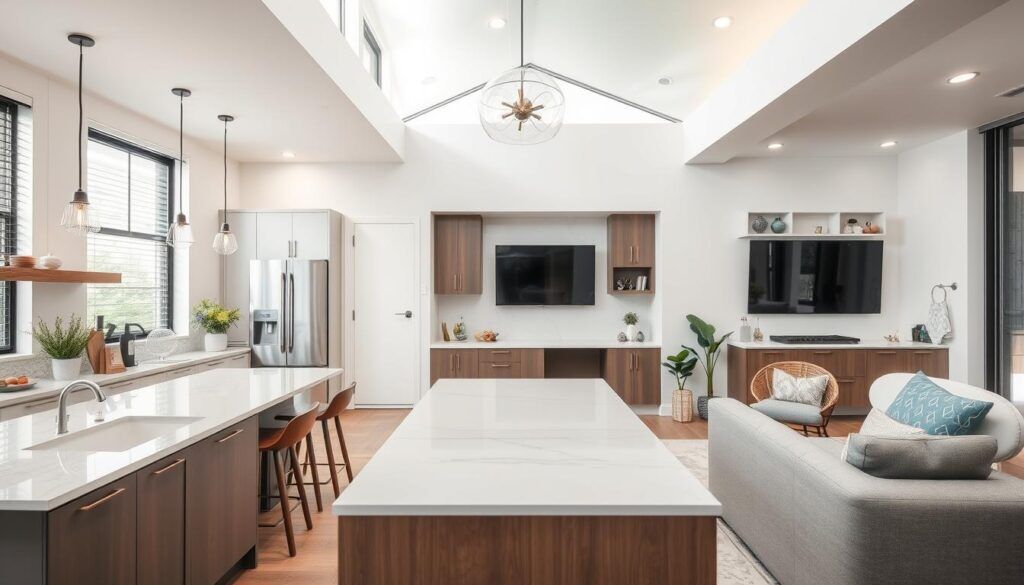

A full home renovation costs $19,500 to $88,400 on average for a 1,250 to 1,600 square foot home, with a national average of $52,275, according to Angi's 2026 data. A complete gut-to-studs remodel runs $60 to $150 per square foot, according to HomeGuide. The final cost depends on your home's size, the scope of work, material quality, structural changes, and where you live.
In this guide, we break down renovation costs by home size and project type, explain which upgrades return the most value, cover the right order to renovate, and help you set a realistic budget for your project.
How Much Does a Full Home Renovation Cost by Home Size?
The cost of a full home renovation scales directly with square footage. According to HomeGuide, whole-house renovation costs average $15 to $60 per square foot for standard updates like paint, flooring, fixtures, and cosmetic refreshes. Full-scale remodels that involve structural changes, layout modifications, and premium materials push the cost to $100 to $400 per square foot, according to Fin Home Contracting and RenoWorks.
The table below shows estimated renovation costs by home size based on 2025-2026 national data.
Home Size (Sq Ft)Standard RenovationFull Gut Remodel1,000$15,000 to $60,000$60,000 to $150,0001,500$22,500 to $90,000$90,000 to $225,0002,000$30,000 to $120,000$120,000 to $300,0002,500$37,500 to $150,000$150,000 to $375,0003,000$45,000 to $180,000$180,000 to $450,000
Sources: HomeGuide, Angi, Fin Home Contracting, and RenoWorks for 2025-2026 national renovation cost data. Actual costs vary by region, scope, and material quality.
The gap between a standard renovation and a full gut remodel is massive. A standard renovation refreshes surfaces, updates fixtures, and modernizes the look without moving walls or reworking plumbing and electrical. A gut remodel strips the home down to the studs and rebuilds everything from scratch. The right approach depends on the home's condition and what you want the final result to be. A professional full home renovation team can assess your home and recommend which level of work makes the most sense.
What Is the Most Expensive Part of Renovating a House?
The most expensive part of renovating a house is the kitchen, followed by bathrooms, and then structural or mechanical work like electrical, plumbing, and HVAC upgrades. According to HomeGuide, kitchen remodeling costs $10,000 to $50,000 on average, while full-scale kitchen renovations with layout changes and custom finishes can exceed $100,000.
The kitchen takes the biggest share of any renovation budget for a simple reason: it involves the most trades. A full kitchen remodel can require demolition, framing, electrical, plumbing, HVAC, drywall, flooring, cabinetry, countertops, backsplash, lighting, and appliance installation. Each of those trades adds labor cost.
Kitchen Remodeling Costs
A minor kitchen remodel that updates cabinets, countertops, appliances, and flooring without changing the layout costs $25,000 to $35,000 on average. According to the 2025 Cost vs. Value Report, a minor kitchen remodel delivers a 113% return on investment, making it one of the highest-ROI interior improvements a homeowner can make.
A high-end kitchen renovation with structural changes, custom cabinets, and luxury fixtures can exceed $100,000. According to AmeriSave's 2026 analysis, diminishing ROI kicks in hard above $50,000 in kitchen spending. The smartest approach is focusing on surfaces and fixtures rather than moving walls, which keeps costs manageable and returns strong.
Bathroom Remodeling Costs
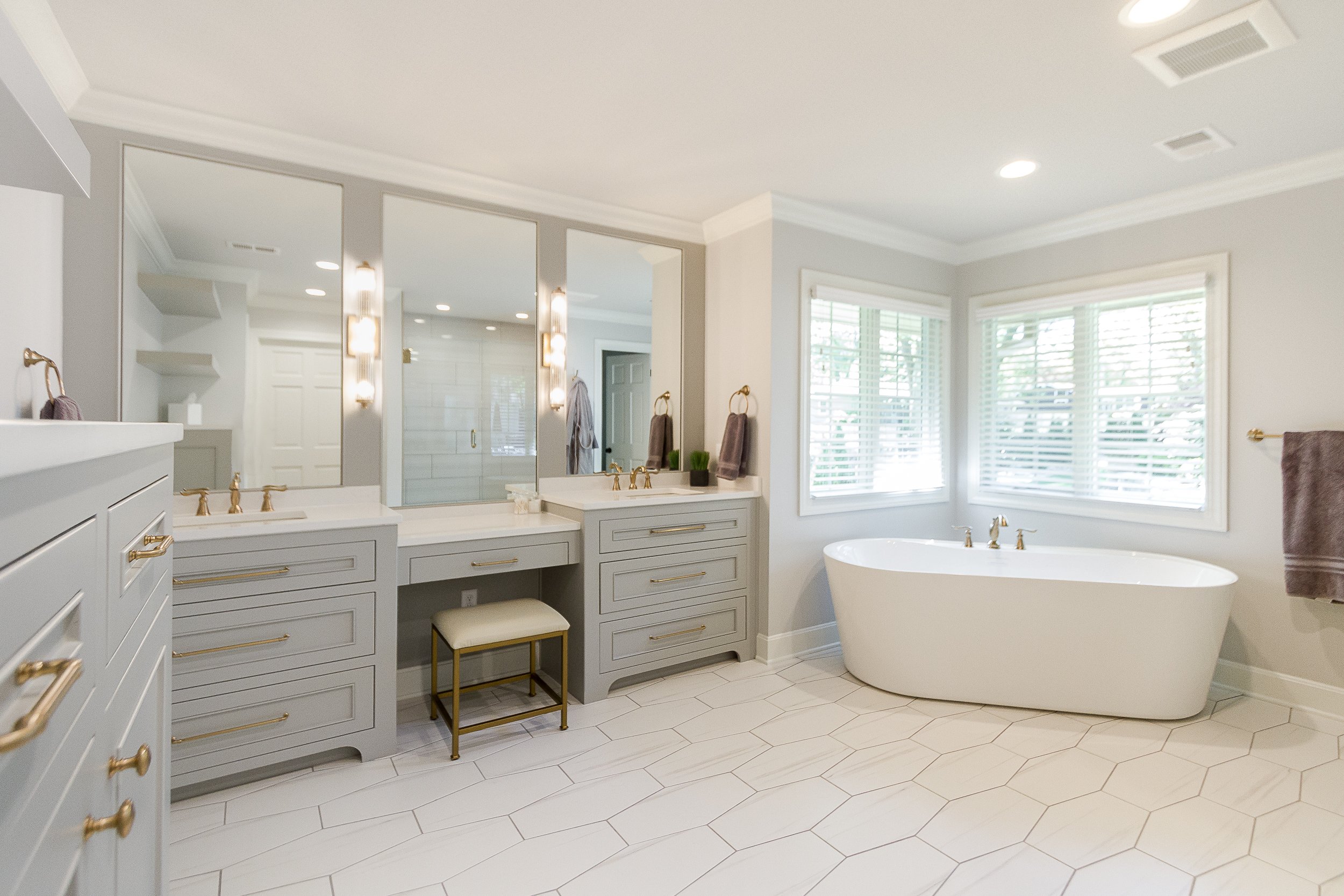
A bathroom renovation costs $5,000 to $25,000 on average, according to HomeGuide. A primary suite bathroom with premium tile, a walk-in shower, and double vanity can run $40,000 to $80,000. According to the 2025 Cost vs. Value Report cited by Clever, a midrange bathroom remodel delivers an 80% return on investment.
Bathrooms are the second most valuable room to update in a whole-home renovation. New tile, modern fixtures, updated lighting, and a fresh vanity transform the space without the cost of moving plumbing. If you have three bathrooms, the costs add up quickly, so many homeowners prioritize the primary bathroom and one guest bathroom as the best use of their budget.
What Renovation Adds the Most Value to a Home?
The renovation that adds the most value to a home is a garage door replacement, which delivers a 268% return on investment according to the 2025 Cost vs. Value Report by Remodeling Magazine. At an average cost of roughly $4,672, a new insulated garage door adds over $12,500 in perceived resale value.
After garage doors, the highest-ROI projects are manufactured stone veneer (208% ROI), steel entry door replacement (216% ROI), fiber-cement siding replacement (114% ROI), and minor kitchen remodels (113% ROI), according to the same report. The pattern is clear: exterior curb appeal projects and targeted interior updates consistently outperform large-scale renovations.
For interior improvements specifically, the National Association of Realtors reports that refinishing hardwood floors delivers a 147% ROI and installing new wood flooring delivers 118% ROI.
Fresh interior paint returns 107% of the investment, according to Angi. These three upgrades, flooring, paint, and a kitchen refresh, form the core of any value-driven renovation plan.
What Makes a Home Look Outdated?
The things that make a home look outdated are old wall-to-wall carpet, dark or damaged wood paneling, popcorn ceilings, outdated kitchen cabinets, brass fixtures, laminate countertops, single-pane windows, and worn or faded paint on both interior and exterior surfaces.
According to the 2025 Houzz and Home Study, the median renovation spend was $20,000, down from $24,000 the prior year, showing that homeowners are increasingly doing targeted projects that address the most visually dated elements first rather than gut-renovating entire homes. Replacing carpet with modern flooring, painting walls in warm neutrals, and swapping out old fixtures are three of the most cost-effective ways to make a home feel current without a major remodel.
In South Florida, single-pane windows and outdated sliding glass doors are two of the biggest visual giveaways that a home has not been updated.
Replacing them with modern impact windows and doors not only modernizes the look but also improves energy efficiency and storm protection.
What Devalues a House Most?
The things that devalue a house most are deferred maintenance, a damaged or aging roof, outdated kitchens and bathrooms, poor curb appeal, and DIY work that looks unprofessional. According to the 2025 Cost vs. Value Report, buyers form their opinion of a home within the first 15 seconds of seeing it, which is why exterior condition and curb appeal carry so much weight.
Structural issues like foundation problems, water damage, mold, and a failing roof are the most damaging to property value because they represent large, expensive repairs that scare away buyers. Cosmetic issues like dated finishes and worn paint are easier to fix but still reduce perceived value significantly if left unaddressed.
How Long Does a Full Home Renovation Take?
A full home renovation takes 3 to 6 months for a standard whole-house update and 6 to 12 months or more for a complete gut remodel, according to industry timelines cited by multiple renovation professionals. The timeline depends on the scope of work, permit requirements, material lead times, and the size of the home.
Kitchen and bathroom renovations are typically the longest individual phases because they involve multiple trades working in sequence. Electrical, plumbing, and framing must be completed and inspected before drywall goes up. Drywall must be finished before paint. Paint must be done before flooring and fixtures are installed.
Material delays can stretch timelines significantly. Custom cabinets, specialty tile, and imported fixtures sometimes take 8 to 12 weeks to arrive after ordering. Planning ahead and ordering materials early is one of the most effective ways to keep a renovation on schedule.
What Order Should You Renovate a House?
The correct order to renovate a house is structural and mechanical work first, then walls and ceilings, then flooring, then fixtures and finishes, and finally paint and cleanup. Following this sequence prevents rework and protects finished surfaces from damage during later phases.
Here is the general order most professional renovation crews follow. Start with demolition and any structural changes like removing walls, adding beams, or reframing openings. Next, update the mechanical systems: electrical wiring, plumbing rough-ins, and HVAC ductwork. After the mechanical work passes inspection, insulation and drywall go up. Then exterior painting and roofing happen alongside interior finish work.
Interior finishes go in this order: cabinets and countertops first, then flooring, then trim and doors, then interior finishes like paint, hardware, and light fixtures. Paint should go on before new flooring is installed to avoid drips and splatters on new surfaces. The final step is cleanup, punch list items, and a final walkthrough.
What Is the Hardest Month to Sell a House?
The hardest months to sell a house are December and January. Holiday schedules, cold weather in many regions, and shorter daylight hours reduce buyer activity and lead to fewer showings. According to multiple real estate industry analyses, homes listed in late fall and winter typically sit on the market longer and sell for less than those listed in spring and early summer.
If you are planning to sell, timing your renovation to finish in February or March puts your home on the market right as buyer activity picks up. Spring is consistently the strongest selling season, and a freshly renovated home hitting the market in April or May gets the most eyes and the strongest offers.
How to Budget for a Full Home Renovation
A useful guideline for budgeting is the 30% rule. According to Opendoor, a renovation project generally should not exceed 30% of your home's current value if you want to maintain a positive return on investment. On a $300,000 home, that means capping the total renovation at roughly $90,000.
Set aside 10% to 20% of your total budget as a contingency fund for unexpected costs. Older homes almost always have hidden issues that surface during demolition, like outdated wiring, water damage behind walls, or plumbing that does not meet current code. Having a contingency fund prevents these surprises from derailing the project.
According to Harvard's Joint Center for Housing Studies, the U.S. home remodeling market reached $503 billion in 2024, and spending is projected to remain above $600 billion through 2025. That scale of investment shows how seriously homeowners take renovation as both a lifestyle upgrade and a financial strategy.
Working with a single contractor who manages the entire project, from renovation planning through final walkthrough, keeps the budget on track and avoids the cost overruns that come from coordinating multiple independent trades.
Frequently Asked Questions
Is $100,000 Enough to Renovate a House?
Yes, $100,000 is enough to renovate a house for a standard whole-home update on a 1,500 to 2,000 square foot home. That budget covers new flooring, interior and exterior paint, updated kitchen cabinets and countertops, one or two bathroom refreshes, new fixtures, and lighting upgrades. It is not enough for a full gut remodel with structural changes, which typically starts at $60 to $150 per square foot according to HomeGuide.
How Much Does It Cost to Renovate a 2,000 Square Foot Home?
It costs $28,000 to $115,000 to renovate a 2,000 square foot home for a standard update, according to HomeGuide. A full gut remodel of a 2,000 square foot home runs $120,000 to $300,000 or more depending on the scope and material quality. The national average for a whole-house renovation of this size falls around $100,000 to $200,000 according to Zavza Seal.
What Is the Cheapest Room to Renovate?
The cheapest room to renovate is a bedroom. Bedrooms typically need only fresh paint, new flooring, updated lighting, and possibly new trim or baseboards. There is no plumbing or complex electrical work involved. A standard bedroom refresh costs $1,500 to $5,000 depending on the size and materials.
Should I Renovate My Whole House at Once or Room by Room?
Renovating the whole house at once is more cost-effective if you have the budget and can live elsewhere during construction. Doing it all at once reduces mobilization costs, allows trades to work efficiently across the home, and gives you a single timeline. Room-by-room renovation works better for smaller budgets but costs more per square foot overall and stretches the disruption over a longer period.
How Much Value Does a Full Renovation Add?
A full renovation adds 10% to 30% to a home's resale value on average, depending on the scope and quality of the work. According to the 2025 Cost vs. Value Report, the highest returns come from exterior curb appeal projects (up to 268% ROI) and targeted interior updates like minor kitchen remodels (113% ROI) and hardwood floor refinishing (147% ROI). Major renovations with structural changes typically recover 50% to 75% of their cost at resale.
Do I Need Permits for a Full Home Renovation?
Yes, you need permits for most full home renovation work. Electrical, plumbing, structural changes, window and door replacements, and HVAC modifications all require permits in most jurisdictions. Cosmetic work like paint, flooring, and fixture swaps usually does not. A licensed contractor handles the permit process as part of the project, which saves you time and avoids code violations.
What Should I Renovate First If I Have a Limited Budget?
If you have a limited budget, renovate the kitchen first, then one bathroom, then update the flooring and paint throughout the rest of the home. These three areas have the biggest visual impact and the strongest return on investment. According to the NAR 2025 Remodeling Impact Report, 50% of realtors recommend painting the entire home before listing, making paint one of the most universally impactful budget upgrades.
The Takeaway
A full home renovation is a significant investment, but it pays off in comfort, function, and resale value when done right. The national average sits around $52,275 for a standard whole-home update, while full gut remodels run well into six figures depending on the size and scope. Kitchen and bathroom work take the biggest share of the budget, and exterior curb appeal projects deliver the strongest dollar-for-dollar return.
The key to a successful renovation is having one experienced team manage the entire project from start to finish. That keeps the budget tight, the timeline on track, and the quality consistent across every room.
ASP Super Home handles complete home renovations including kitchens, bathrooms, flooring, painting, roofing, windows, and solar.
Call us at 786-933-9815 or request a free estimate to get started.
Meet With a Project Manager
Your first conversation is with a Project Manager who takes the time to understand your goals, walk you through your options, and stays connected throughout your project — from the initial consultation through the final walkthrough.
.avif)
.avif)
.avif)
%201.avif)
Insights & Resources
Stay informed with expert tips on roofing materials, hurricane codes, repairs, and South Florida construction standards.



%201.avif)
%201%20(1).avif)

%201.svg)
%201%20(1)%20(1).png)
.png.png)
.png%20(1).png)
.png%20(2).png)
.avif)
.avif)


.png)
.svg)
.png)