


How Much Bathroom Remodel Costs and What to Expect
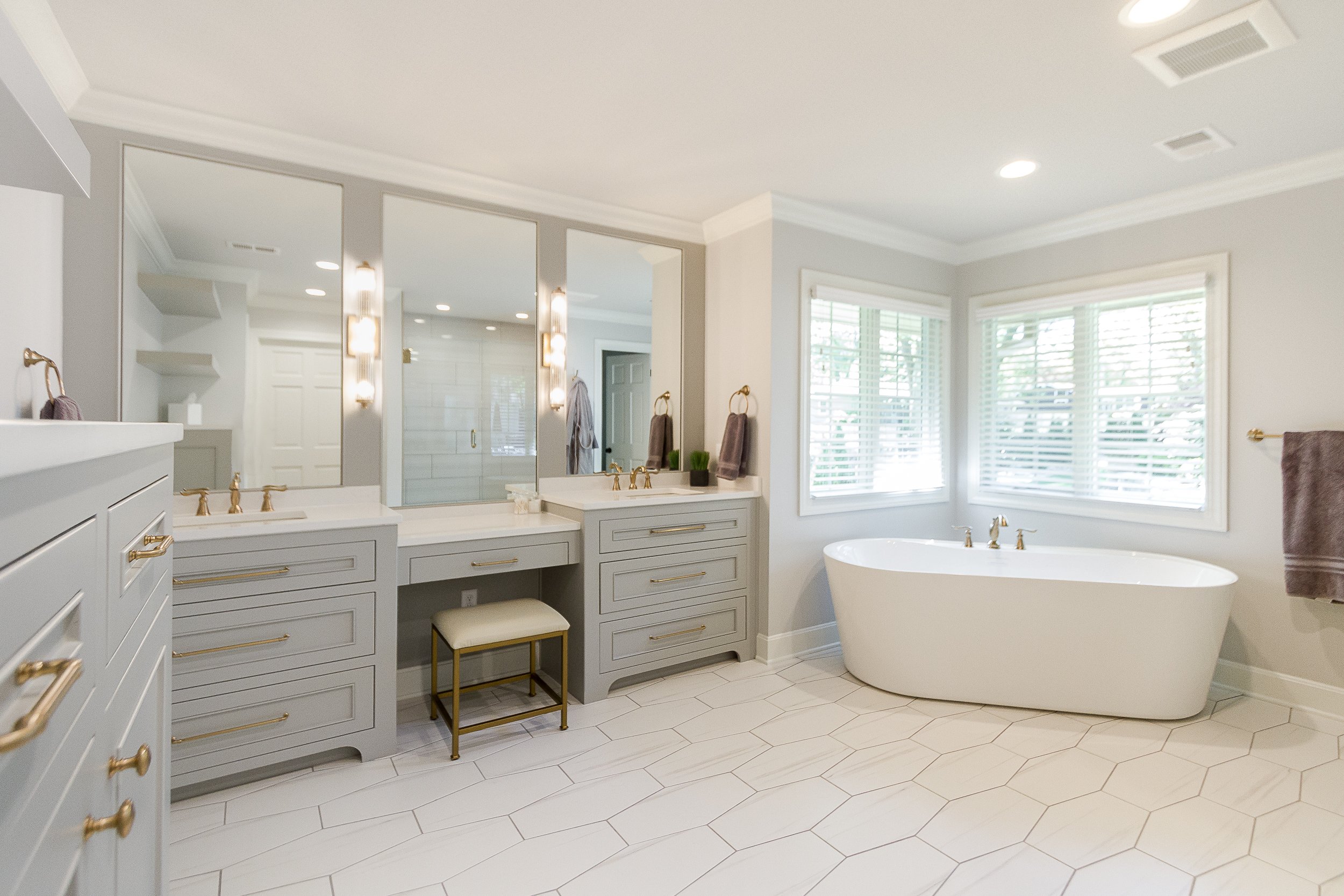

A bathroom remodel costs between $8,000 and $35,000 in 2026 for most homeowners, with the national average sitting near $12,144, according to Angi. The final number depends on the size of the bathroom, the scope of work, the materials you choose, and whether the project involves plumbing or layout changes. Midrange bathroom remodels consistently rank among the highest-ROI home improvements, recovering 74 to 80% of their cost at resale according to the 2025 Cost vs. Value Report by Zonda. This guide breaks down what every part of a bathroom remodel actually costs, which upgrades add the most value, and what the process looks like from demolition to the final walkthrough.
Key Takeaways
- The national average bathroom remodel costs $12,144 in 2026, with most homeowners spending $2,500 to $30,000 depending on scope and material quality, according to Angi.
- Bathroom remodels cost $70 to $250 per square foot, with midrange projects averaging $180 to $280 per square foot and luxury remodels reaching $500 or more per square foot.
- Labor accounts for 40 to 50% of total bathroom remodel cost, making contractor quality the single most important budget decision.
- A midrange bathroom remodel averages $25,251 nationally and recoups $18,613 at resale, yielding a 74% ROI; the 2025 Cost vs. Value Report puts that figure at 80%, the highest since 2007.
- Small bathrooms (under 40 sq ft) cost $3,000 to $8,000 for a standard remodel. Master bathrooms cost $15,000 to $35,000 or more.
- A cosmetic refresh takes 1 to 2 weeks, a standard remodel takes 3 to 6 weeks, and a full gut renovation takes 5 to 8 weeks.
- Keeping the existing plumbing layout saves $1,500 to $5,000 or more compared to relocating fixtures.
How Much Does a Bathroom Remodel Cost in 2026?
A bathroom remodel costs $8,000 to $35,000 for most projects in 2026, with the national average at approximately $12,144. According to Angi, the full range extends from $2,500 for a basic cosmetic refresh to over $80,000 for a luxury primary bathroom remodeling project with custom finishes and layout changes. The per-square-foot cost runs $70 to $250 depending on the tier of materials and the extent of the renovation.
Bathroom remodel costs have increased 4 to 6% compared to 2025, driven by sustained labor demand and higher baseline material pricing, according to industry data from the National Kitchen and Bath Association (NKBA). Bathrooms are among the most expensive rooms to renovate on a per-square-foot basis because nearly every inch involves plumbing, waterproofing, tile, or specialty labor. Two bathrooms of the same size can differ by tens of thousands of dollars depending on whether the project keeps the existing layout or relocates plumbing lines.
The three major cost tiers give homeowners a framework for setting a realistic budget. Budget cosmetic refreshes (paint, fixtures, hardware) cost $80 to $120 per square foot. Midrange remodels with new tile, vanity, toilet, and fixtures cost $180 to $280 per square foot. High-end projects with premium stone, custom cabinetry, and design-level finishes reach $300 to $500 or more per square foot, according to USA Cabinet Store's 2026 pricing analysis.
What Is a Realistic Budget for a Bathroom Remodel?
A realistic budget for a bathroom remodel is $10,000 to $25,000 for a standard midrange project that replaces the vanity, toilet, shower or tub surround, tile, flooring, and lighting within the existing footprint. This range covers the scope of work that delivers the strongest return on investment and produces the most noticeable improvement in both function and appearance. Moving plumbing, expanding the room, or selecting luxury materials pushes the budget above $25,000 and into the $35,000 to $80,000 range.
The 30% rule provides a helpful upper boundary for total remodeling spending. This guideline suggests that homeowners should not spend more than 30% of their home's current value on combined renovations. For a home valued at $400,000, that cap is $120,000 across all projects, not just the bathroom. Applying this principle to individual rooms keeps remodel spending proportional to the home's market position and prevents over-improvement that reduces ROI at resale.
Humidity and moisture exposure in Florida make material selection especially important for long-term durability. Standard drywall and non-rated exhaust fans that work fine in dry climates deteriorate quickly in South Florida's year-round heat and humidity. Mold-resistant drywall, moisture-rated exhaust fans with humidity sensors, and waterproofing membranes behind all wet-area tile add modest upfront cost but prevent thousands of dollars in mold remediation and structural repair later.
How Much Does a Small Bathroom Remodel Cost?
A small bathroom remodel costs $3,000 to $8,000 for a standard renovation of a bathroom under 40 square feet, with midrange finishes and no layout changes. Small bathrooms include the typical 5-by-7 or 5-by-8 foot spaces found in most American homes. Despite their compact size, small bathrooms require the same trades as larger rooms, including plumbing, electrical, tile, and waterproofing, which keeps the per-square-foot cost higher than in larger spaces.
A cosmetic refresh of a small bathroom (paint, new light fixtures, updated hardware, and a replacement vanity) costs $2,000 to $5,000. A midrange remodel with new flooring installation, wall tile, a modern vanity with a quality countertop, updated plumbing fixtures, and a glass shower enclosure costs $6,500 to $15,000, according to USA Cabinet Store's 2026 data. Small bathroom remodels return 70 to 80% of their cost at resale, with budget-focused updates occasionally exceeding 80% ROI in competitive housing markets.
How Much Does a Master Bathroom Remodel Cost?
A master bathroom remodel costs $15,000 to $35,000 for a midrange project with quality finishes, and $50,000 to $80,000 or more for a high-end renovation with premium materials and layout changes. Master bathrooms typically exceed 100 square feet and include features like double vanities, separate tub and shower, heated floors, and upgraded lighting that increase both material quantities and labor hours.
Bathroom Type
Typical Size
Cosmetic Refresh
Midrange Remodel
High-End Remodel
Powder Room / Half Bath
20 - 30 sq ft
$1,500 - $3,000
$4,000 - $8,000
$10,000 - $18,000
Small Full Bath
35 - 40 sq ft
$2,000 - $5,000
$6,500 - $15,000
$15,000 - $25,000
Standard Hall / Guest Bath
40 - 75 sq ft
$3,000 - $6,000
$8,000 - $22,000
$23,000 - $35,000
Master / Primary Bath
100 - 150+ sq ft
$5,000 - $10,000
$15,000 - $35,000
$40,000 - $80,000+
Sources: Angi (2026), USA Cabinet Store 2026 Pricing Guide, Remodeling Magazine / Zonda 2025 Cost vs. Value Report, HomeAdvisor (2025). Ranges reflect national averages; Florida pricing may be higher due to labor rates and moisture-related material requirements.
The scope of a master bathroom remodel determines whether the project stays in the midrange or moves into high-end territory. Keeping fixtures in their existing locations keeps plumbing costs manageable, typically $1,500 to $3,000 for replacing supply lines, drains, and connections. Relocating a shower, tub, or toilet requires rerouting drain lines and water supply through the subfloor or walls, which adds $3,000 to $7,000 or more to the plumbing portion alone.
What Is the Most Expensive Part of a Bathroom Remodel?
The most expensive part of a bathroom remodel is labor, which accounts for 40 to 50% of the total project cost. On a $20,000 remodel, $8,000 to $10,000 typically goes to labor across multiple trades including plumbing, electrical, tile setting, carpentry, and painting. Skilled tile setters charge $10 to $25 per square foot for labor alone, according to BuiltRight Academy, and poor tile work is the most visible mistake in a finished bathroom, costing more to repair than it would have cost to hire an experienced installer.
After labor, the shower or tub area is the most expensive individual component. Installing a new shower averages $8,200 nationally, with the range spanning $300 for a basic surround replacement to $15,000 for a custom tile walk-in shower with bench seating, frameless glass enclosure, and rain showerhead, according to Angi. The shower combines waterproofing, tile, plumbing, and glass work into a single concentrated area, which is why it drives a disproportionate share of the budget.
Tile is the third major cost driver. Basic ceramic tile costs $1 to $15 per square foot, while natural stone like marble ranges from $20 to $50 or more per square foot. A standard bathroom renovation with porcelain tile on the floor and shower walls requires 100 to 200 square feet of tile coverage, plus backer board, waterproofing membrane, thin-set, grout, and sealer. The material and labor for tile work alone can account for 20 to 30% of the total remodel budget.
What Does a Bathroom Remodel Include?
A bathroom remodel includes demolition and removal of existing fixtures, plumbing rough-in or updates, electrical work, waterproofing, new flooring, wall tile, vanity and countertop installation, toilet replacement, shower or tub installation, lighting, ventilation, paint, and final cleanup. The exact components depend on the project scope, but a midrange remodel typically touches every surface and fixture in the room.
A standard midrange bathroom remodel follows this sequence of work:
- Demolition: removal of existing tile, fixtures, vanity, toilet, and any damaged drywall or subfloor. This phase takes 1 to 3 days depending on bathroom size.
- Rough plumbing and electrical: updating or relocating supply lines, drain connections, and wiring for new fixture positions, outlets, and lighting. An exhaust fan upgrade is included in this phase.
- Waterproofing: application of a waterproof membrane (sheet or liquid-applied) behind all shower and tub-surround tile, on the shower floor, and at any wall-floor transitions in wet areas.
- Backer board and tile installation: cement backer board over the waterproofing layer, followed by tile on floors, shower walls, and any accent areas. Tile work and grout curing take 5 to 10 days for a standard bathroom.
- Vanity, countertop, and fixture installation: the new vanity, countertop, sink, faucet, toilet, shower fixtures, and any accessories are installed after tile is complete.
- Painting, trim, and final details: walls are painted, baseboards and trim are installed, mirrors and towel bars are hung, and the interior painting is completed to match the updated finishes.
- Final walkthrough and inspection: the contractor reviews every detail with the homeowner and addresses any remaining items before the bathroom is returned to service.
What Adds the Most Value to a Bathroom?
The upgrades that add the most value to a bathroom are a new vanity with a quality countertop, updated tile in the shower and on the floor, modern plumbing fixtures, and improved lighting. These four elements produce the strongest visual impact and functionality improvement per dollar spent. According to Zillow housing market research, minor bathroom improvements return approximately $1.71 for every $1 spent, and homes with updated bathrooms generate more showings, photograph better, and give buyers confidence that the home is move-in ready.
A walk-in shower conversion is one of the most popular value-adding upgrades in 2026. Replacing an aging tub-shower combination with a tiled walk-in shower with glass enclosure modernizes the room's appearance, improves accessibility, and appeals to a broad range of buyers. The National Association of Realtors (NAR) 2025 Remodeling Impact Report found that bathroom renovations scored among the highest on the "Joy Score," which measures how satisfied homeowners feel after completing a project.
Ventilation and moisture control are less visible but equally important for long-term value, especially in humid climates. A properly sized exhaust fan rated at 1 cubic foot per minute (CFM) per square foot of bathroom space prevents moisture buildup that leads to mold, peeling paint, and deteriorating grout. In South Florida, upgrading to a humidity-sensing fan that activates automatically protects the investment in new finishes and prevents costly repair work within the first few years.
Does a Bathroom Remodel Increase Home Value?
Yes, a bathroom remodel increases home value, and midrange projects deliver the strongest return. According to the 2025 Cost vs. Value Report by Zonda (the industry's most widely cited source for resale returns), a midrange bathroom remodel averages $25,251 in cost nationally and recoups $18,613 at resale, yielding a 74% ROI. Fixr's analysis of the same dataset puts the midrange bathroom ROI at 80% in 2025, the highest figure since 2007.
Upscale bathroom remodels with luxury materials and reworked layouts deliver a significantly lower return. The 2025 Cost vs. Value Report shows upscale bathroom projects averaging $81,612 in cost but recovering only about $34,000, yielding a 42% ROI. The spending outpaces what most buyers are willing to pay back, making midrange the clear winner for homeowners who factor resale into their renovation decisions.
A kitchen remodeling project paired with a bathroom update creates an even stronger impression on potential buyers, because kitchens and bathrooms are the two rooms buyers evaluate most closely during home tours. Upgrading both rooms under a single contractor reduces mobilization costs, allows coordinated material purchasing, and delivers a cohesive finished look across the home's highest-impact spaces.
Is $10,000 Enough for a Bathroom Remodel?
Yes, $10,000 is enough for a bathroom remodel on a standard hall or guest bathroom with midrange finishes, if the existing plumbing layout stays in place. A $10,000 budget covers new porcelain tile on the floor and shower walls, a pre-assembled vanity with a solid-surface countertop, a new toilet, updated plumbing fixtures, a glass shower door, new lighting, fresh paint, and basic hardware. Keeping the drain locations, supply lines, and electrical outlets where they are avoids the most expensive line items in the project.
What $10,000 does not cover is a full primary bathroom remodel, custom cabinetry, natural stone tile, heated floors, or significant plumbing relocation. If your vision exceeds what a $10,000 budget supports, prioritizing the upgrades that deliver the highest visual and functional impact (vanity, tile, lighting) and deferring lower-impact items (decorative accessories, hardware upgrades) to a later phase keeps the project within budget without compromising the overall result.
What Is the 30% Rule in Remodeling?
The 30% rule in remodeling is a budgeting guideline that suggests homeowners should spend no more than 30% of their home's current market value on total renovation projects. For a home valued at $350,000, the 30% cap is $105,000 across all combined improvements. Applying this principle to a bathroom specifically, a common recommendation is to allocate 5 to 10% of the home's value to a home remodeling project focused on a single bathroom. On a $350,000 home, that translates to $17,500 to $35,000 for a primary bath remodel, which aligns with the midrange tier that produces the strongest ROI.
How Much Does It Cost to Remove a Tub and Add a Walk-In Shower?
Removing a tub and adding a walk-in shower costs $3,000 to $15,000 depending on the size of the shower, tile selection, plumbing modifications, and whether the project includes a glass enclosure. A basic tub-to-shower conversion with a prefabricated shower pan and tile surround costs $3,000 to $6,000. A custom tile walk-in shower with bench seating, linear drain, frameless glass enclosure, and multiple showerheads costs $8,000 to $15,000 or more.
The plumbing work required for a tub-to-shower conversion varies. If the drain stays in the same location, the plumber connects the new shower drain to the existing drain line with minimal modification. Relocating the drain to accommodate a different shower layout or adding a linear drain along the wall requires cutting into the subfloor and rerouting the drain pipe, which adds $500 to $2,000 to the plumbing portion. Waterproofing the shower floor and walls with a sheet membrane system like Schluter KERDI or Wedi board is essential for preventing moisture damage behind the tile.
How Long Does a Bathroom Remodel Take?
A bathroom remodel takes 1 to 2 weeks for a cosmetic refresh, 3 to 6 weeks for a standard midrange renovation, and 5 to 8 weeks for a full gut remodel with layout changes. These timelines cover active construction only and do not include the planning, design, material ordering, and permitting phases that typically add 2 to 6 weeks before demolition begins. Custom materials like specialty tile, frameless glass doors, and imported vanities often carry 4 to 8 week lead times that must be accounted for before scheduling construction.
A typical standard remodel follows this construction timeline: demolition takes 1 to 3 days, rough plumbing and electrical take 2 to 5 days, waterproofing and tile installation take 5 to 10 days (including grout cure time), fixture installation takes 3 to 5 days, and painting and finish work take 2 to 3 days. The tile phase is almost always the longest portion because each layer (backer board, waterproofing, thin-set, tile, grout) requires proper cure time before the next step can proceed.
A full renovation that combines a bathroom remodel with other rooms in the home can actually reduce the per-room timeline because trades are already on site and mobilization costs are shared across the larger project scope.
What Are Common Bathroom Renovation Mistakes?
The most common bathroom renovation mistakes are underestimating the budget, skipping waterproofing, choosing style over function, ignoring ventilation, and hiring the cheapest contractor. Each of these mistakes leads to either cost overruns during the project or expensive repairs within the first few years after completion.
Skipping proper waterproofing behind shower tile is the most costly long-term mistake. Without a waterproof membrane between the tile and the wall structure, moisture penetrates the backer board and reaches the framing, insulation, and drywall behind it. In humid climates, this moisture creates mold colonies that spread behind walls and produce health hazards and structural damage that cost $3,000 to $10,000 or more to remediate. Every shower and tub surround requires a continuous waterproof barrier, regardless of what tile or grout is used on the surface.
Choosing the cheapest contractor is the second most expensive mistake. A low bid often reflects shortcuts in waterproofing, substandard materials, uninsured workers, or a lack of proper licensing. Contractors who use their own in-house crews rather than subcontractors maintain direct quality control over every phase of the project. Verifying an active state license, general liability insurance, and workers' compensation coverage before signing a contract protects both the homeowner's investment and legal exposure. Getting a free estimate from a licensed contractor before committing to any project gives you a detailed, itemized quote to compare against other bids.
Can You Finance a Bathroom Remodel?
Yes, you can finance a bathroom remodel through personal loans, home equity loans, home equity lines of credit (HELOCs), contractor payment plans, or PACE financing. Each option carries different interest rates, repayment terms, and eligibility requirements. Cash purchases eliminate interest charges and deliver the lowest total project cost, but financing makes larger-scope projects accessible without depleting savings.
PACE (Property Assessed Clean Energy) financing options cover qualifying home improvements and are repaid through the property tax bill over 5 to 25 years. PACE programs require no down payment and attach to the property rather than the borrower. Homeowners who combine a bathroom remodel with energy-efficient upgrades like impact-rated windows or solar panels can bundle multiple improvements under a single PACE assessment.
Home equity loans and HELOCs use the home's equity as collateral, typically offering lower interest rates than unsecured personal loans. The trade-off is that the home secures the debt, which adds risk if the borrower cannot make payments. For projects under $15,000, a personal loan or contractor payment plan often provides a simpler path with fewer closing costs and a faster approval process.
Frequently Asked Questions
What to Avoid When Renovating a Bathroom?
Avoid choosing trendy finishes over timeless ones, skipping the ventilation upgrade, using standard drywall in wet areas instead of moisture-resistant greenboard or cement board, and making final design decisions after demolition has already begun. Changing your mind about tile, vanity style, or layout mid-project causes delays and change orders that inflate the budget. Complete all material selections and design decisions before the contractor begins demolition.
What Is the Hardest Part of a Bathroom Remodel?
The hardest part of a bathroom remodel is the tile and waterproofing phase, because it involves the most skilled labor, the longest cure times, and the highest stakes for long-term durability. A waterproofing failure behind tile is invisible until it causes mold or structural damage months or years later. Proper membrane installation, correct thin-set application, and adequate grout cure time are non-negotiable steps that experienced tile setters execute carefully.
What Is the Cost of Bathroom Remodel Labor?
The cost of bathroom remodel labor ranges from 40 to 50% of the total project budget. On a $15,000 midrange remodel, $6,000 to $7,500 typically goes to labor across plumbing, electrical, tile setting, carpentry, and painting. Skilled tile setters charge $10 to $25 per square foot for labor alone, plumbers charge $75 to $150 per hour, and electricians charge $50 to $100 per hour, according to HomeAdvisor and Angi data.
How Do You Save Money on a Bathroom Remodel?
You save money on a bathroom remodel by keeping the existing plumbing layout, choosing midrange materials over luxury, selecting a pre-assembled vanity instead of custom cabinetry, and completing all design decisions before construction begins. Keeping drains, supply lines, and electrical outlets in their current positions saves $1,500 to $5,000 or more compared to relocating them. Refinishing an existing tub instead of replacing it saves $2,000 to $4,000. Ceramic or porcelain tile delivers excellent durability at $1 to $15 per square foot, compared to $20 to $50 for natural stone.
How Much Does a Bathroom Remodel Cost Per Square Foot?
A bathroom remodel costs $70 to $250 per square foot for most projects, with midrange renovations averaging $180 to $280 per square foot and high-end projects reaching $300 to $500 or more per square foot. Smaller bathrooms cost more per square foot because fixed costs like plumbing, electrical, and waterproofing do not scale down proportionally with room size. A 35 square foot bathroom and a 75 square foot bathroom require the same basic trade mobilizations, spreading fixed costs across fewer square feet in the smaller room.
Wrapping It Up
Bathroom remodel costs range from $3,000 for a basic cosmetic refresh to $80,000 or more for a luxury primary bath, with the midrange sweet spot of $10,000 to $25,000 delivering the strongest combination of visual impact, functional improvement, and resale return. Labor drives 40 to 50% of the budget, material selection determines the remaining half, and keeping the existing plumbing layout is the single most effective way to control costs without compromising the finished result. Proper waterproofing, moisture-resistant materials, and adequate ventilation protect the investment for years, especially in humid climates where moisture damage accelerates without the right materials in place.
Whether you are updating a guest bath or transforming a primary suite, the right contractor turns a renovation plan into a finished space that looks better, functions better, and lasts longer than the room it replaced. ASP Super Home has been remodeling bathrooms across South Florida since 2006 with licensed, in-house crews and no subcontractors. Call 786-933-9815 or request a free estimate to start planning your project.
Meet With a Project Manager
Your first conversation is with a Project Manager who takes the time to understand your goals, walk you through your options, and stays connected throughout your project — from the initial consultation through the final walkthrough.
.avif)
.avif)
.avif)
%201.avif)
Insights & Resources
Stay informed with expert tips on roofing materials, hurricane codes, repairs, and South Florida construction standards.



%201.avif)
%201%20(1).avif)
%201.svg)
%201%20(1)%20(1).png)
.png.png)
.png%20(1).png)
.png%20(2).png)
.avif)
.avif)


.png)
.svg)
.png)