


Home Renovation vs Buying a New House


Home renovation is the better financial choice for most homeowners in 2026. Renovating costs less than buying, lets you keep a low mortgage rate, and avoids the 8% to 12% in transaction costs that come with selling and buying a new property. According to a 2025 Redfin survey of 4,000 U.S. residents, 65% of homeowners who recently renovated chose to upgrade their current home instead of moving.
This article breaks down the real numbers behind renovating versus buying, including what each option actually costs, how renovations affect home value, what makes a home feel outdated, and how to decide which path makes the most sense for your situation. We also cover which renovation projects deliver the highest return on investment and what to consider before committing to either choice.
Is It Better to Renovate Your House or Buy a New One
Yes, it is better to renovate your house than buy a new one for most homeowners right now. The math strongly favors staying put. According to the National Association of Realtors, the median existing-home price reached $408,800 in March 2026. Buying a new home at that price means paying 2% to 5% in closing costs, 5% to 6% in agent commissions on your current home sale, and $1,500 to $3,100 in moving expenses. All together, the total transaction cost of selling and buying typically runs 8% to 12% of a home's value according to data compiled by Hedge Think.
On a $400,000 home, that means $32,000 to $48,000 in transaction costs alone, before you even start thinking about a higher mortgage payment. A full home renovation can transform your entire living space for a fraction of that total, and you get to keep the home, the neighborhood, and the mortgage rate you already have.
The financial picture is even clearer when you factor in interest rates. About 80% of homeowners with a mortgage currently have a rate below today's market levels, according to a recent Redfin analysis. Selling your home means giving up that locked-in rate and taking on a new mortgage at whatever the market is offering. For many families, this alone makes renovation the smarter move.
What Are the Benefits of Renovating Your Current Home
The benefits of renovating your current home include lower overall costs, keeping your existing mortgage rate, staying in your neighborhood, and getting exactly the features you want without compromise. According to the Zillow Housing Aspirations Report, 76% of Americans would choose to renovate their current home rather than use the same money toward a down payment on a new one. For homeowners aged 55 and older, that number jumps to 87%.
Renovation also lets you control the timeline. You can phase a project over time, starting with the highest-priority rooms and working through the rest as your budget allows. Buying a new home is an all-or-nothing decision with rigid deadlines and a mountain of paperwork. A well-planned renovation gives you the home you want without uprooting your life.
When Does Buying a New Home Make More Sense
Buying a new home makes more sense when the problems with your current house go beyond what a renovation can fix. If you need a completely different location for work, schools, or family, no amount of remodeling will solve that. If your home has serious foundation issues, is in a flood zone, or is simply too small for your family to grow into, buying may be the better path.
New construction also has some clear advantages. According to data from AmeriSave, monthly utility bills in a newly built home can run 30% to 50% lower than in a comparable older home thanks to modern insulation, energy-efficient windows, and updated HVAC systems. New homes also come with builder warranties covering major systems for 1 to 10 years. But those savings need to be weighed against the much higher purchase price, closing costs, and the loss of your current mortgage rate.
Is It Cheaper to Renovate or Buy a New House
It is cheaper to renovate than to buy a new house in most situations. According to Harvard's Joint Center for Housing Studies, total homeowner remodeling spending is projected to reach $524 billion in early 2026. The 2026 U.S. Houzz and Home Study found that the median renovation spend was $20,000 in 2025. Even for the top 10% of projects, the spending cap was $150,000. Compare that to the median new-home sale price of $422,500 reported by the U.S. Census Bureau for April 2026.
A full kitchen remodel, new bathrooms, updated flooring, and fresh paint can completely change how a home looks and feels for a fraction of what a new house costs. And that renovation money goes directly into improving an asset you already own, not into agent commissions, title insurance, and transfer taxes.
The hidden costs of buying are what most people underestimate. According to LodeStar Software Solutions, the national average closing cost for a single-family home was $4,661 in 2025. But that figure does not include real estate commissions, which add another 5% to 6% of the sale price. A homeowner selling a $400,000 home and buying a $450,000 home could easily spend $45,000 to $55,000 just on the transaction. That money buys a lot of renovation.
Does Renovating a House Add Value
Yes, renovating a house adds value, but the amount depends on the type of project. Not every renovation returns the same percentage at resale. Exterior improvements and essential system upgrades tend to deliver the best returns, while luxury additions often return less.
According to data compiled by the National Association of Realtors, hardwood floor refinishing offers the highest average return on investment at 147%. Insulation upgrades follow at 117%. A well-built deck returns an average of about 89% of its cost. Bathroom renovations with spa-like features can recover up to 74% of their cost, according to data from AmeriSave. The This Old House Bath 2026 Survey found that 55% of homeowners reported their bathroom renovation increased their home's overall value.
On the other hand, major luxury remodels, like adding a primary suite or doing a high-end kitchen overhaul, typically return only 24% to 36% at resale. These projects are better for personal enjoyment than for boosting resale value. The smartest approach is to mix high-ROI projects with the upgrades that improve daily comfort.
How to Increase Home Value by $50,000
To increase home value by $50,000, focus on a combination of high-impact projects that buyers care about most. Start with the kitchen and bathrooms, then move to curb appeal, energy efficiency, and essential systems.
A mid-range kitchen renovation, a primary bathroom update, and new flooring throughout the main living areas can add significant value together. These are the projects buyers notice first when they walk through a home.
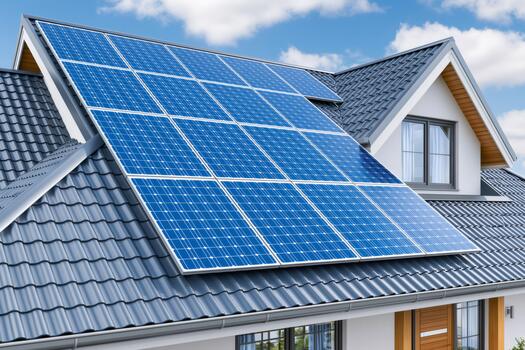
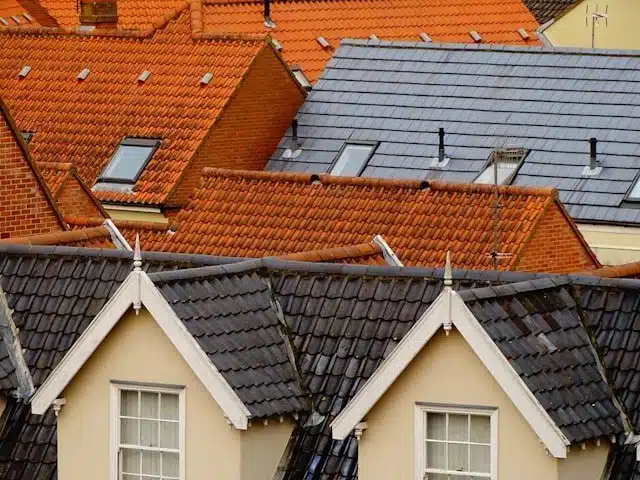
Replacing an old roof with a durable metal roof or modern tile roof improves both protection and curb appeal. A strong, attractive roof is one of the first things buyers and appraisers look at.
Upgrading to impact windows and doors adds storm protection and can lower insurance premiums, which is a major selling point for buyers in hurricane-prone areas.
According to the National Association of Realtors, the typical homeowner has accumulated $128,100 in housing wealth over the past six years. Strategic renovations protect and grow that wealth. The key is to avoid over-improving for the neighborhood. A good rule is to keep the total value of your home, including renovations, within 10% to 15% of the highest comparable sale in your area.
What Devalues a House the Most
What devalues a house the most is deferred maintenance. A leaking roof, outdated electrical wiring, old plumbing, visible water damage, and foundation problems are the biggest value killers. Buyers see these as expensive, urgent repairs, and they either walk away or demand steep discounts.
Neglecting exterior upkeep also hurts value. Peeling paint, cracked driveways, overgrown landscaping, and damaged siding send a signal that the home has not been cared for. According to data from the National Association of Realtors, buyers consistently rank structural soundness and updated systems as their top priorities when evaluating a home.
Over-personalized renovations can also reduce value. Extremely bold color choices, highly specific room conversions (like turning a bedroom into a walk-in closet), and niche features that appeal only to the current owner make a home harder to sell. Neutral, functional upgrades that appeal to a wide audience are always the safer investment. A fresh coat of interior paint in warm neutral tones is one of the cheapest ways to instantly modernize a space.
What Makes a Home Look Outdated
What makes a home look outdated is a combination of dated finishes, old fixtures, and design choices that have fallen out of style. All-gray interiors, popcorn ceilings, builder-grade hardware, heavy open shelving in kitchens, and barn doors are among the features that now make a home feel tired rather than trendy.
Flooring is one of the most visible factors. Worn carpet, scratched laminate, and dated tile patterns immediately age a room. According to the U.S. decorative lighting market data, homeowners are increasingly investing in updated lighting solutions, with the market projected to grow from $36.59 billion in 2025 to $56.72 billion by 2033. Swapping outdated light fixtures for modern options is one of the fastest cosmetic upgrades you can make.
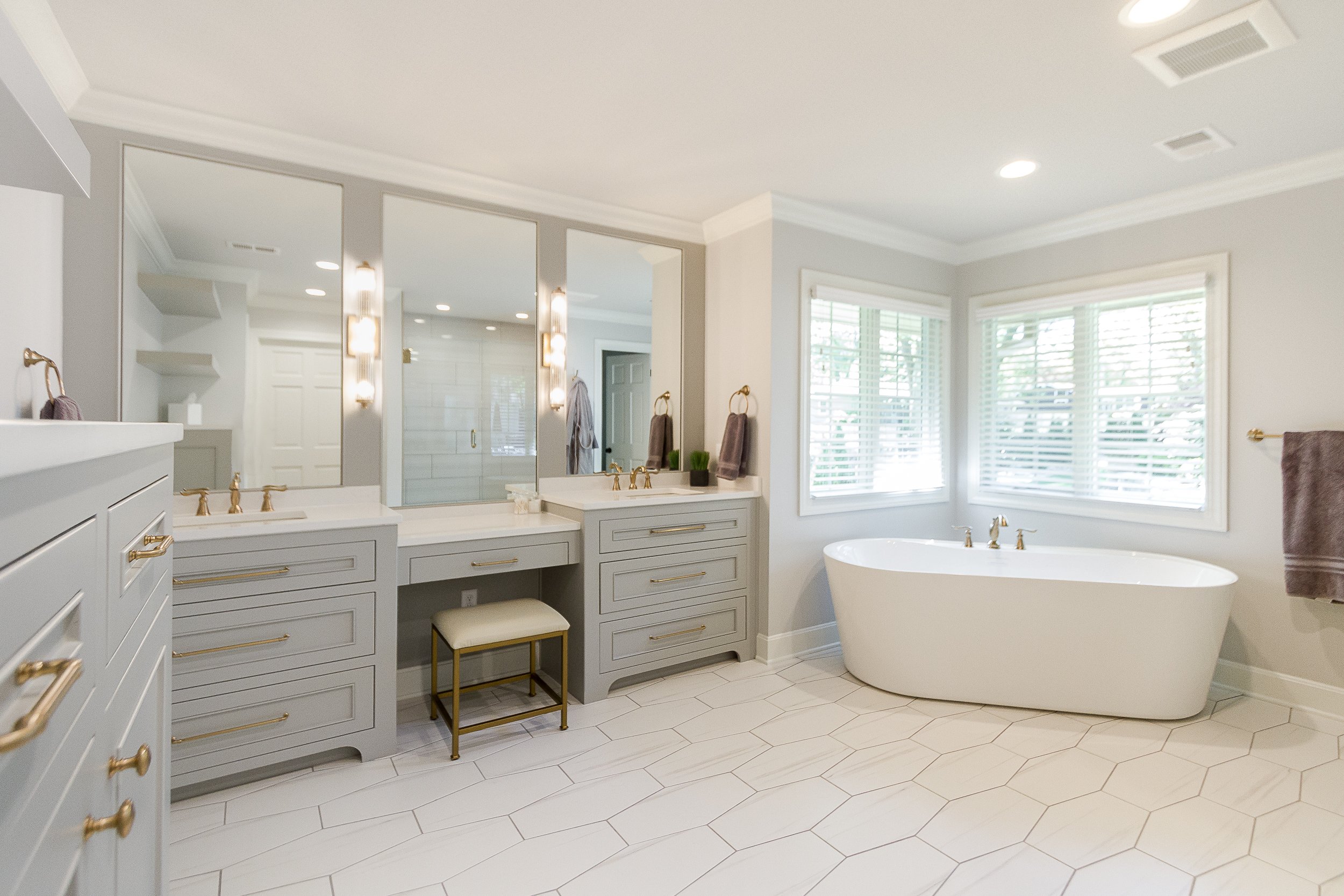
Kitchens and bathrooms show their age the fastest. Old countertops, dark wood cabinets with ornate detailing, and cheap builder-grade faucets all contribute to a dated look. The good news is that many of these fixes are relatively affordable. Replacing cabinet hardware, updating faucets, adding a modern backsplash, and painting cabinets can refresh a kitchen without a full tear-out. Pairing those updates with exterior painting gives the whole property a refreshed feel from the outside in.
When Is It Worth Renovating a House
It is worth renovating a house when the home's structure is sound, you love the location, and the renovation cost is significantly less than what you would spend to buy something comparable. A 2025 survey by This Old House found that 91% of homeowners do not plan to sell, with many citing the high cost of buying a new home as the main reason to stay and upgrade instead.
Renovation is also worth it when the improvements will solve real problems you live with every day. An outdated kitchen that does not function well, a bathroom that feels cramped, or a roof that leaks during every storm are all situations where the investment pays off in daily quality of life and long-term home value.
The numbers support this. According to a Redfin survey fielded in November 2025, 71% of homeowners planning renovations in the coming year say they are remodeling instead of buying a new place. The combination of high mortgage rates, rising home prices, and strong equity positions makes home remodeling the more practical choice for the majority of homeowners right now.
How Do You Decide Between Renovating and Moving
You decide between renovating and moving by looking at four things: your current mortgage rate, the total cost of each option, whether renovation can give you the features you need, and how you feel about your neighborhood.
Start with the financial comparison. Add up the cost of selling (agent commissions, closing costs, repairs), the cost of buying (down payment, closing costs, moving expenses, higher monthly payment), and compare that total to the cost of a complete renovation. In most cases, the renovation number is considerably lower.
Then ask whether the renovation can actually give you what you need. If you need more square footage, a room addition or a reconfigured layout can often deliver that. If you need better storm protection, a new roof and impact-rated windows handle it. If you need a modern kitchen and bathrooms, those are standard renovation projects. But if you need a completely different location, school district, or commute, renovation simply cannot solve that problem, and moving is the right call.
Renovation vs Buying a New Home at a Glance
FactorRenovating Your Current HomeBuying a New HomeTypical Total Cost$20,000 to $150,000+ (median $20,000)$408,800 median existing-home price + 8-12% transaction costsClosing and Transaction CostsNone$32,000 to $55,000+ on a $400,000+ sale/purchaseMortgage Rate ImpactKeep your current rateNew mortgage at current market ratesTimeline to Move In4 to 12 months (phased or all at once)30 to 60 days to close; 7-14 months for new constructionCustomizationHigh; you choose every finish and layout changeLimited unless building custom (which costs more)Neighborhood DisruptionNone; stay in your communityComplete change of schools, commute, routinesEnergy Efficiency ImprovementModerate to high with targeted upgradesHigh with new construction; 30-50% lower utility billsAverage ROI on Investment50% to 147% depending on project typeVaries by market appreciationHomeowner Preference (2025-2026 surveys)65-76% of homeowners prefer renovation24-35% prefer buying
Sources: National Association of Realtors (March 2026), U.S. Census Bureau (April 2026), Houzz 2026 U.S. Home Study, Redfin/Ipsos Survey (November 2025), Zillow Housing Aspirations Report, AmeriSave, Hedge Think, LodeStar Software Solutions
What Renovation Projects Deliver the Best Return on Investment
The renovation projects that deliver the best return on investment are exterior improvements and essential system upgrades. Hardwood floor refinishing tops the list at a 147% average ROI according to data compiled by the National Association of Realtors. Insulation upgrades return 117%. A new deck averages about 89%.
In storm-prone areas, upgrading to impact-rated windows and doors and a durable metal or tile roof adds both protection and significant resale appeal. Many insurance companies offer premium discounts of 15% to 45% for homes with hurricane-rated impact protection, which creates ongoing savings that add to the total return on the investment.
Bathroom renovations rank among the most popular projects. The This Old House Bath 2026 Survey found that plumbing work was part of 67% of bathroom projects, tile installation appeared in 53%, and shower or tub installation in 45%. Keeping the scope focused on these core updates rather than luxury additions helps maximize the return. Adding solar panels is another strong value play, especially in sunny climates where energy savings compound over time.
How the Current Housing Market Affects the Renovation vs Buying Decision
The current housing market heavily favors renovation over buying for most homeowners. Housing supply remains tight, home prices keep climbing, and mortgage rates are well above the levels most current homeowners locked in. The National Association of Realtors reports that home prices have risen for 33 consecutive months on a year-over-year basis.
According to the Redfin survey, about 80% of homeowners with a mortgage have an interest rate below current market levels. This creates what economists call a "lock-in effect." Homeowners do not want to give up their favorable rate to buy at today's prices and rates. Instead, they are putting that money into upgrading the home they already own.
This trend is not slowing down. The 2026 Houzz and Home Study found that 54% of homeowners took on renovation projects in 2025, and 50% are planning projects for the coming year. Harvard's Joint Center for Housing Studies projects that total remodeling spending will hit a record $524 billion in early 2026. In South Florida, where insurance costs and storm protection are top-of-mind concerns, this trend is especially strong.
Many homeowners are choosing to invest in whole home renovations that include both comfort upgrades and hurricane-ready improvements rather than facing the steep costs of buying into today's housing market.
Frequently Asked Questions
How Much Should You Spend on Renovating a House Before Selling
You should spend no more than 5% to 10% of your home's current value on renovations before selling. The goal is to make the home market-ready without over-investing. According to the National Association of Home Builders, keeping renovations proportional to your home's value relative to the neighborhood prevents you from spending money you will not recover at closing.
Does a Renovation Increase Property Taxes
Yes, a renovation can increase property taxes if it significantly raises the assessed value of the home. Major additions, structural changes, and permitted upgrades that add square footage or improve systems are most likely to trigger a reassessment. Cosmetic updates like paint, flooring, and fixtures typically do not affect the assessed value.
Can You Renovate a House While Living in It
Yes, you can renovate a house while living in it for most projects. Cosmetic updates, individual room remodels, and phased renovations work well with a family still in the home. Full gut renovations that remove kitchens, bathrooms, or structural walls may require temporarily moving out during the most intensive phases.
How Long Does a Whole House Renovation Take
A whole house renovation takes 4 to 12 months depending on the scope of work. Cosmetic refreshes can finish in 2 to 4 months. Full renovations with layout changes, system upgrades, and custom finishes typically take 6 to 12 months. Gut renovations on older homes can stretch to 15 months or more.
Is It Better to Remodel or Build New
It is better to remodel for most homeowners because the total cost is lower, the timeline is shorter, and you avoid the complexity of finding land, securing new permits, and financing new construction. Building new makes sense only when the current home's problems are too extensive to fix or when you need a completely different location.
What Percentage of Homeowners Choose Renovation Over Buying
According to a Redfin survey conducted in November 2025, 65% of homeowners who recently renovated chose to upgrade their current home instead of moving. Among homeowners planning future renovations, 71% said they intend to remodel rather than buy a new place. The Zillow Housing Aspirations Report found that 76% of Americans overall prefer renovation over buying.
The Takeaway
For most homeowners, renovation is the smarter financial decision in 2026. The transaction costs of selling and buying eat up tens of thousands of dollars that could go directly into improving the home you already own. You keep your mortgage rate, stay in your neighborhood, and get a home that is customized to exactly how you live. The data from every major housing survey this year points in the same direction: homeowners are choosing to renovate, and the numbers back them up.
If you are ready to start planning your renovation, ASP Super Home can help with everything from kitchens and bathrooms to roofing, impact windows, solar, and full home transformations. Call 786-933-9815 to talk through your project and get a free estimate.
Meet With a Project Manager
Your first conversation is with a Project Manager who takes the time to understand your goals, walk you through your options, and stays connected throughout your project — from the initial consultation through the final walkthrough.
.avif)
.avif)
.avif)
%201.avif)
Insights & Resources
Stay informed with expert tips on roofing materials, hurricane codes, repairs, and South Florida construction standards.


%201.avif)
%201%20(1).avif)
%201.svg)
%201%20(1)%20(1).png)
.png.png)
.png%20(1).png)
.png%20(2).png)
.avif)
.avif)


.png)
.svg)
.png)