


Glass Partition Ideas for Open Floor Plans
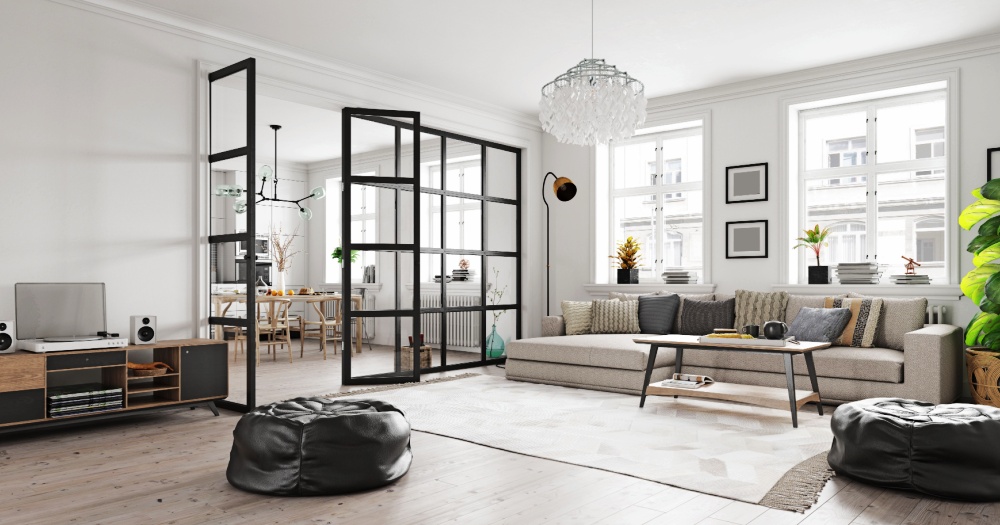

Glass partitions are one of the best ways to divide an open floor plan without losing the light, space, and flow that made you choose an open layout in the first place. They create defined zones for cooking, working, relaxing, and dining while keeping sight lines and natural light completely intact. According to Global Growth Insights, over 35% of new construction projects now integrate glass partitions, and the global glass partition wall market is projected to grow from $22.66 billion in 2025 to $36.81 billion by 2033.
This article covers the most popular glass partition ideas for open floor plans, including the different styles, glass types, and room-by-room applications that work best in modern homes. We also answer common questions about thickness, sound, safety, and long-term value.
Glass Partition Ideas That Work for Open Floor Plans
The right glass partition depends on your layout, the amount of privacy you need, and the overall style of your home. Here are the four most popular styles homeowners are choosing right now.
Frameless Glass Partitions
Frameless glass partitions create the cleanest, most minimal look. Without visible posts or frames, the glass appears to stand on its own, giving the space a gallery-like quality. These panels are typically 1/2 inch thick tempered glass mounted into floor channels or ceiling tracks with minimal hardware. They are ideal for separating a living room from a dining area or creating a home office nook without adding any visual weight to the room.
Frameless panels work especially well in smaller homes where every inch of openness matters. The glass lets natural light pass through completely, which makes even a compact space feel larger than it actually is. Research cited by the WELL Building Standard links daylight access to improved comfort, better sleep quality, and elevated mood, all of which make natural light one of the most valuable features in any home.
Frosted and Etched Glass Dividers
Frosted glass partitions let light flow through while blurring the view between spaces. This makes them a smart choice for rooms where privacy matters, like a home office where you take video calls, a bedroom suite, or a bathroom. The frosting can cover the entire panel or just a portion of it, giving you control over how much visibility you want.
Etched glass takes this a step further with custom patterns, lines, or designs cut into the surface. Reeded glass, which features vertical ridges, has become especially popular in 2025 and 2026. It obscures silhouettes while still letting light pass through, and it adds a texture that feels both modern and warm. These decorative options add personality to a room without the heaviness of a solid wall.
Steel-Framed Glass Panels
Steel-framed glass partitions, sometimes called Crittall-style or industrial glass walls, use a grid of thin steel or iron frames around individual glass panes. The black steel against clear glass creates a bold, architectural look that works in industrial, modern, and transitional interiors. These are some of the most visually striking glass partition options available.
The rigid framework provides extra structural support, which means the individual glass panes can be thinner and lighter. Steel-framed panels are popular between kitchens and living rooms because they contain cooking odors and noise while keeping the two spaces visually connected. They are also a strong choice for entryways, hallways, and transitions between indoor and outdoor living areas.
Sliding Glass Partitions
Sliding glass partitions glide on tracks and let you open or close a space depending on the moment. This makes them one of the most flexible options for open floor plans. When the panels are open, the space flows freely. When they are closed, you get privacy and sound separation without losing light. According to Mannlee, sliding glass partitions are one of the most popular choices for modern homes because they adapt to daily life.
Barn-style sliding glass doors on exposed tracks have a casual, modern farmhouse feel. Pocket-style sliders disappear into the wall when open, creating a completely seamless transition between rooms. Sliding panels work well for separating a master bedroom from a sitting area, closing off a playroom, or creating a flexible dining space that can be opened up for entertaining.
What Is the Purpose of a Glass Partition
The purpose of a glass partition is to divide a space into separate zones while allowing natural light to flow through and maintaining visual openness. Glass partitions solve the biggest problem with open floor plans, which is that completely open spaces can feel noisy, undefined, and lacking in privacy. A glass partition gives each area a clear boundary without the darkness and closed-in feeling that comes with a solid wall.
The interior glass partition wall market was valued at approximately $5 billion in 2025 and is projected to reach $8 billion by 2033, growing at a compound annual growth rate of 6%, according to Archive Market Research. This growth is driven by the rising popularity of open-plan living, sustainable building materials, and homeowner demand for customizable interior design solutions. Glass partitions are no longer just a commercial office feature. They are now a mainstream residential upgrade that adds both function and style.
What Are the Different Types of Glass Partitions
The different types of glass partitions include frameless fixed panels, framed glass walls, sliding partitions, folding glass doors, half-height dividers, and floor-to-ceiling installations. The right type depends on the room, the level of privacy you need, and your budget.
Fixed partitions stay in one place and provide a permanent division between spaces. They are the simplest to install and the most affordable option. Sliding and folding partitions offer flexibility, letting you open or close the space as needed. Half-height partitions, sometimes called pony wall glass toppers, sit on top of an existing short wall and add a glass extension that preserves sight lines without requiring a full floor-to-ceiling panel. Floor-to-ceiling installations create the most dramatic effect and are ideal for modern homes with high ceilings where the full height of the glass becomes an architectural feature.
The glass itself also comes in different types. Clear tempered glass is the most common and most affordable. Frosted, tinted, and reeded glass add privacy. Low-iron glass eliminates the slight green tint that standard glass has, giving a perfectly clear appearance. Laminated glass adds an extra layer of safety and improves sound reduction. Each type serves a different purpose, and many homeowners mix types throughout the home depending on the room.
What Is a Clever Way to Divide a Room
A clever way to divide a room is with a glass partition that creates separation without making either side feel smaller or darker. Glass is the only partition material that gives you full privacy (with frosted or tinted options) while still letting 100% of the natural light pass through. According to the Rocketroseat home office report, the 2024 home office renovation market saw a 40% increase in glass partition installations compared to traditional drywall solutions. Homeowners are choosing glass because it solves the problem without creating new ones.
Glass Partitions for Home Offices
A glass partition between your home office and the rest of the house creates a dedicated work zone that feels professional and focused. Frosted or reeded glass is ideal for video calls because it blocks the view of household activity behind you while still letting light fill the room. A full home renovation that includes a dedicated glass-enclosed office space adds both daily functionality and resale appeal.
Glass Partitions Between Kitchen and Living Room
The space between a kitchen and a living room is one of the most popular spots for a glass partition. A steel-framed glass wall keeps cooking smells, grease, and noise contained in the kitchen while maintaining the visual connection between the two rooms. You can still see and talk to family members in the living area while cooking. A sliding option lets you open things up completely when you are entertaining. Upgrading the kitchen layout alongside a new glass partition creates a cohesive, modern living space.
Glass Partitions for Bathrooms and Bedrooms
In a bathroom remodel, glass partitions can separate the shower area, enclose a toilet alcove, or divide the vanity from the bathing space. Frosted and etched glass are the most popular choices for bathrooms because they provide full privacy while keeping the space bright. In bedrooms, a glass partition between the sleeping area and a walk-in closet or sitting area adds a luxurious, spa-like feel that elevates the entire room.
What Are the Benefits of Glass Partitions
The benefits of glass partitions include maximizing natural light, creating defined spaces without reducing square footage, improving the aesthetic appeal of a home, offering flexible privacy options, and adding resale value. Glass is the only partition material that delivers all of these benefits at once.
Natural light is one of the biggest advantages. Unlike drywall, wood, or metal partitions, glass does not block daylight. Studies by Herman Miller have found that natural light is one of the most sought-after environmental features in both workspaces and homes. Proper daylight distribution improves mood, sleep quality, and overall well-being. A glass partition ensures that every room in your home benefits from the available sunlight, even rooms that do not have their own windows.
From a design standpoint, glass partitions give a home a clean, modern, upscale feel. They make rooms appear larger than they are by preserving sight lines and eliminating visual clutter. According to the 2026 Houzz and Home Study, 54% of homeowners completed renovation projects in 2025, and a growing number are choosing interior updates that brighten and open up their living spaces rather than closing them off.
How Thick Are Glass Partitions
Glass partitions are typically 3/8 inch to 1/2 inch thick for most residential applications. Frameless partitions require thicker glass, usually 1/2 inch or more, because the glass bears the structural load without the support of a metal frame. Framed partitions can use thinner glass, as low as 1/4 inch in some cases, because the frame provides the structural support.
For areas with sound reduction needs, laminated glass or double-glazed panels are a better choice. Laminated glass sandwiches a sound-dampening interlayer between two sheets of glass, significantly reducing noise transfer between rooms. According to data from Rocketroseat, upgrading from single-pane to double-glazed or laminated glass increases the project cost by 25% to 40%, but the improvement in acoustic privacy is substantial.
The glass thickness also depends on the size of the panel. Larger panels need thicker glass to maintain structural integrity. A floor-to-ceiling partition spanning 8 feet or more will almost always require 1/2 inch glass at minimum. A professional installer will recommend the right thickness based on the panel dimensions, mounting method, and local building code requirements.
Which Material Is Good for Partition
Glass is the best material for partitions in open floor plans because it is the only option that preserves natural light and visual openness while still creating a clear boundary between spaces. Other common partition materials include drywall, wood, metal, and acrylic, but each comes with trade-offs that glass avoids.
Drywall creates a solid barrier but blocks all light and makes both rooms feel smaller. Wood partitions add warmth but also block light and require ongoing maintenance like staining or sealing. Metal partitions can feel cold and industrial. Acrylic looks similar to glass but scratches easily, yellows over time, and does not carry the same premium feel. Tempered glass resists scratches, does not yellow, and maintains its clarity for decades. Pairing glass partitions with matching glass railing systems throughout the home creates a cohesive, modern design language that ties every room together.
Glass Partition Types at a Glance
Partition TypeBest ForPrivacy LevelLight TransmissionFrameless Clear GlassLiving rooms, dining areas, loftsLow (full visibility)100%Frosted GlassHome offices, bathrooms, bedroomsHigh (blurred view)85-90%Reeded or Etched GlassEntryways, closets, shower enclosuresMedium-High (obscured silhouettes)80-90%Steel-Framed GlassKitchen/living room, industrial interiorsLow (grid pattern adds subtle separation)90-95%Sliding Glass PanelsBedrooms, playrooms, flex spacesAdjustable (open or closed)95-100% when open; 85-100% closedLaminated Acoustic GlassHome theaters, music rooms, officesLow-Medium (depends on finish)85-95%
Sources: Mannlee, Sans Soucie Art Glass, Global Growth Insights, WELL Building Standard, Rocketroseat
Do Glass Partitions Block Sound
Glass partitions reduce sound but do not block it completely. A standard single-pane tempered glass partition provides moderate noise reduction, enough to muffle conversation and reduce kitchen noise from reaching a living room. For rooms where acoustic privacy is critical, like a home office or a media room, laminated glass or double-glazed panels provide significantly better sound insulation.
According to data from the acoustic glass partition industry, laminated glass with a PVB or SGP interlayer reduces sound transmission far more effectively than single-pane tempered glass. The interlayer acts as a dampening material that absorbs sound vibrations before they pass through the panel. Double-glazed partitions, which use two panes separated by an air gap, offer the highest level of sound control available in a glass partition system.
Combining glass partitions with soft furnishings like rugs, curtains, and upholstered furniture further improves sound absorption in the room. The glass stops the direct path of sound, and the soft surfaces absorb what bounces around. For homeowners in South Florida where indoor-outdoor living is common, glass partitions also help contain air-conditioned air while still letting you see and enjoy the outdoor space.
Pairing glass partitions with impact windows and doors throughout the home maximizes both energy efficiency and natural light from every angle.
How to Plan a Glass Partition for Your Home
Planning a glass partition starts with deciding what problem you are trying to solve. Are you looking for a visual boundary between the kitchen and living room, a quiet home office, a private bathroom enclosure, or a way to define an entryway in a home that opens directly into the main living area? The answer determines the type, size, and finish of glass you need.
Measure the height and width of the opening you want to fill. Floor-to-ceiling partitions need careful measurement because even small gaps can affect the look and the sound performance. Decide whether you want a fixed partition or a sliding one. Fixed panels are simpler and less expensive. Sliding panels offer flexibility but require track installation and slightly more maintenance.
Choose your glass type early. Clear glass for maximum openness, frosted for privacy, reeded for decorative texture, or laminated for sound control. Each option has a different lead time, with custom finishes taking longer to fabricate. Start the ordering process early, especially if the partition is part of a larger home remodeling project where multiple trades need to be coordinated.
Professional installation matters. Glass partitions require precision mounting to be safe, level, and code-compliant. The mounting hardware needs to match the wall and floor materials, and the glass panels need to be handled carefully during installation to prevent chipping or cracking at the edges. Working with a team that has experience installing glass in residential settings helps the project go smoothly from start to finish. In South Florida, where humidity and temperature swings are a factor, using marine-grade or corrosion-resistant hardware extends the life of the installation.
Frequently Asked Questions
What Are Some Unique Partition Ideas
Some unique partition ideas include floor-to-ceiling reeded glass panels as an entryway screen, a steel-framed glass wall between a kitchen and dining area, a frosted glass pod around a freestanding home office, and a sliding glass panel on a barn-door track that separates a bedroom from a sitting area. Mixing glass types, like combining clear panels with a frosted center strip, creates a custom look that adds character to any room.
Do Glass Partitions Add Home Value
Yes, glass partitions add home value by improving the perceived openness, light quality, and modern appeal of a space. Buyers consistently rank natural light and open-concept living among their top priorities. A glass partition solves the functional limitations of an open floor plan without sacrificing the light and openness that buyers are looking for.
Are Glass Partitions Safe for Homes With Children
Yes, glass partitions are safe for homes with children when they are made from tempered or laminated safety glass. Tempered glass is four to five times stronger than regular glass and crumbles into small, blunt pieces instead of sharp shards if broken. Laminated glass holds together even when cracked. Both types meet the safety standards required by the International Building Code for residential applications.
Can Glass Partitions Be Used in Bathrooms
Yes, glass partitions can be used in bathrooms and are a popular choice for shower enclosures, toilet alcoves, and vanity separations. Frosted and etched glass provide full privacy while letting light pass through. Tempered glass is required by building code for wet areas because of its strength and safe breakage pattern. Proper sealing and waterproof hardware prevent moisture issues.
How Do You Maintain Glass Partitions
You maintain glass partitions by wiping them down regularly with an ammonia-free glass cleaner and a soft microfiber cloth. There is no painting, staining, or sealing required. For hard water spots in bathrooms, a mixture of white vinegar and water removes buildup without damaging the glass. An annual check of the mounting hardware and sealants keeps the partition secure and looking new for decades.
Wrapping It Up
Glass partitions give you the best of both worlds in an open floor plan. You get defined spaces, privacy where you need it, and full natural light throughout the home. Whether you choose frameless panels for a sleek, minimal look, frosted glass for a home office, or steel-framed walls for an architectural statement, the right glass partition can completely change how your home feels and functions. The global market for glass partitions is growing steadily because more homeowners are discovering just how much these simple additions improve daily life.
If you are ready to explore glass partition options for your home, ASP Super Home can help you choose the right style, glass type, and layout. Call 786-933-9815 to schedule a consultation.
Meet With a Project Manager
Your first conversation is with a Project Manager who takes the time to understand your goals, walk you through your options, and stays connected throughout your project — from the initial consultation through the final walkthrough.
.avif)
.avif)
.avif)
%201.avif)
Insights & Resources
Stay informed with expert tips on roofing materials, hurricane codes, repairs, and South Florida construction standards.


%201.avif)
%201%20(1).avif)
%201.svg)
%201%20(1)%20(1).png)
.png.png)
.png%20(1).png)
.png%20(2).png)
.avif)
.avif)


.png)
.svg)
.png)