


Lifespan and Durability of Hurricane Windows


Hurricane impact windows typically last between 20 to 30 years when properly installed and maintained. High-quality windows can even push past 40 years with the right care. For Doral homeowners and South Florida families, that's decades of storm protection, energy savings, and peace of mind.
But here's the thing not all impact windows age the same way. The salt air blowing off Biscayne Bay, the relentless Florida sun, and our yearly dance with hurricane season all play a role in how long your windows will serve you. In this guide, we'll break down what affects your impact windows lifespan, when to consider replacement, and how to get the most out of your investment.
What Makes Hurricane Impact Windows So Durable
Hurricane windows are built differently than regular windows. They're engineered to take a beating and keep your home safe. Understanding this construction helps explain why they last so long.
The Laminated Glass Technology
At the heart of every impact window sits laminated glass. This isn't your average window pane. Two or more sheets of glass sandwich a tough plastic interlayer, usually made of polyvinyl butyral (PVB) or ethylene-vinyl acetate (EVA). When debris strikes during a storm, the glass may crack but it stays put. The interlayer holds everything together like glue.
This design does more than stop flying objects. It blocks harmful UV rays that fade your furniture and flooring. It reduces outside noise from traffic and neighbors. And it keeps your air conditioning from escaping through the glass. Miami-Dade homeowners know this matters when summer electric bills start climbing past $300 or $400 a month.
The interlayer itself is remarkably durable. Modern formulations resist yellowing and maintain their flexibility for decades. This is why properly made impact windows can outlast the homes they protect.
Heavy-Duty Frame Construction
The glass only performs as well as the frame holding it. Think of the frame as the backbone of your window system. Impact windows come with frames built from aluminum, vinyl, or fiberglass. Each material brings something different to the table.
Aluminum frames are the workhorses of South Florida. They're strong enough to support large window openings and resist warping in our heat. With proper powder coatings, they handle salt exposure well. You'll see aluminum frames on most high-rise condos along the coast from Miami Beach to Fort Lauderdale. Expect aluminum frames to last 20 to 30 years, though some push past 50 years with good care.
Vinyl frames cost less upfront and need almost no maintenance. They won't rust, rot, or corrode even with all that coastal humidity we deal with year-round. The color runs through the entire material, so scratches don't show. Most vinyl frames hold up for 15 to 25 years in our climate.
Fiberglass frames represent the premium option. They expand and contract at nearly the same rate as glass, which means tighter seals over time. These frames can last 50 years or longer and offer excellent insulation properties. The higher upfront cost pays off for homeowners planning to stay in their homes long-term.
Factors That Affect How Long Your Windows Last
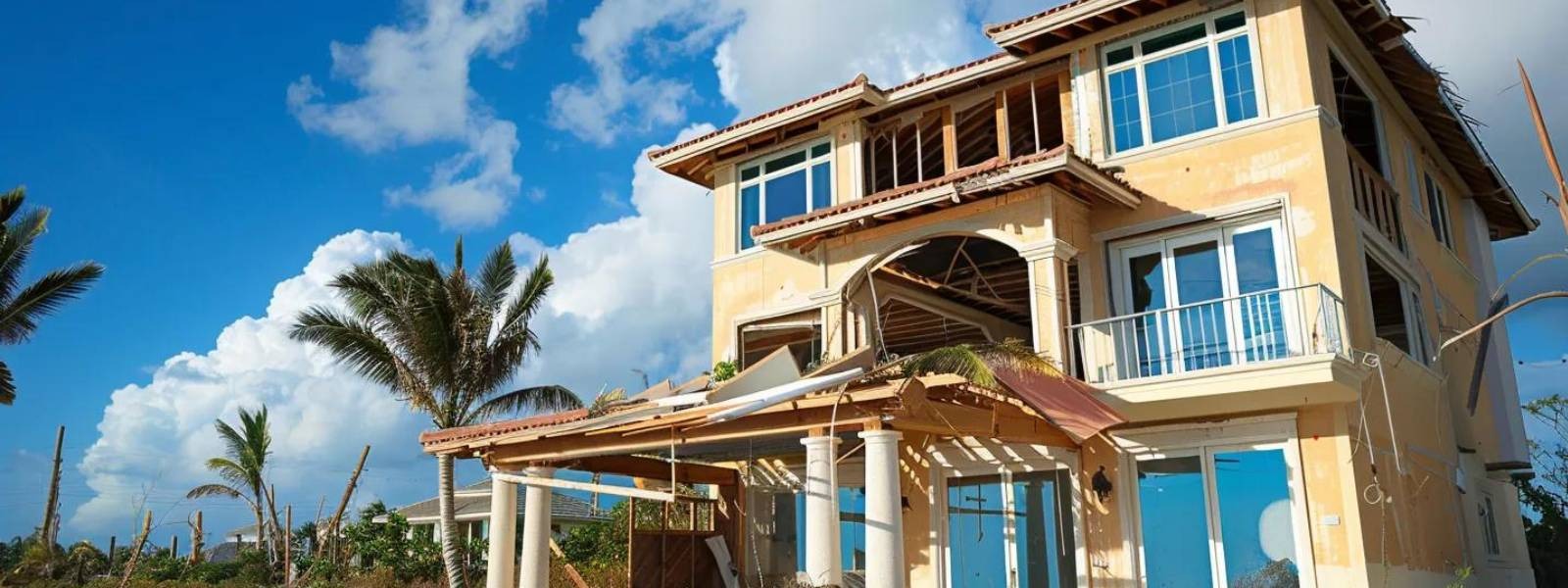
Living in Doral and the surrounding areas means your windows face unique challenges. The combination of coastal conditions, intense sunlight, and severe weather creates a demanding environment. Understanding these factors helps you plan for the long haul.
Coastal Proximity and Salt Air Exposure
Salt air is rough on everything your car, your outdoor furniture, your pool equipment, and yes, your windows. Homes near the Intracoastal or within a few miles of the beach see faster wear on window components. The salt attacks metal hardware, degrades seals, and can pit unprotected aluminum over time.
Homeowners in Fort Lauderdale, Hollywood, Sunny Isles Beach, or along the Keys should rinse their windows with fresh water monthly. This simple step washes away salt buildup before it causes damage. It takes maybe 20 minutes with a garden hose and makes a real difference over the years.
Hurricane Frequency and Storm Impact
Every hurricane tests your windows. The recent seasons have reminded us how quickly a storm can form and make landfall. Windows that survive repeated impacts from flying debris may develop small stress fractures or weakened seals that aren't immediately visible.
After any major storm passes through Miami-Dade, Broward, or Palm Beach counties, walk around your home and inspect each window. Look for cracks, chips, or any sign that the frame took a hit. Check that windows still open and close smoothly. Catching problems early keeps small issues from becoming expensive replacements down the road.
UV Radiation and Heat Exposure
Florida sunshine feels great at the beach but takes a toll on building materials. We get more intense UV exposure than almost anywhere else in the country. Constant UV radiation can fade window frames, degrade weatherstripping, and affect the interlayer over many years.
Modern impact windows include UV-protective coatings that slow this process significantly. Still, south-facing and west-facing windows typically show wear faster than those on the north side of your home. If you're choosing windows for a home in Coral Gables or Pinecrest with lots of southern exposure, factor this into your product selection.
Installation Quality
Here's something that doesn't get talked about enough poor installation shortens window lifespan dramatically. You can buy the best windows on the market, but if someone installs them wrong, you've wasted your money. Windows need proper anchoring, correct shimming, and quality sealants to perform their best.
In the High-Velocity Hurricane Zone (HVHZ), which covers Miami-Dade and Broward counties, installation must meet strict Florida Building Code requirements. Products need Miami-Dade Notice of Acceptance (NOA) certification to prove they've passed the toughest impact tests in the nation. Inspectors check installations carefully, and for good reason.
Always choose licensed contractors with documented experience installing impact windows. A window that costs $1,500 won't protect your family if someone installs it wrong. This is one area where cutting corners can literally cost you everything during a major storm.
Hurricane Window Lifespan by Frame Material
Different materials age differently in South Florida's climate. Here's what to expect from each option:
Most Doral homeowners choose aluminum or vinyl for their residential impact windows. Aluminum dominates commercial projects and high-rise condos because of its strength-to-weight ratio and ability to span large openings.
Signs Your Hurricane Windows Need Replacement
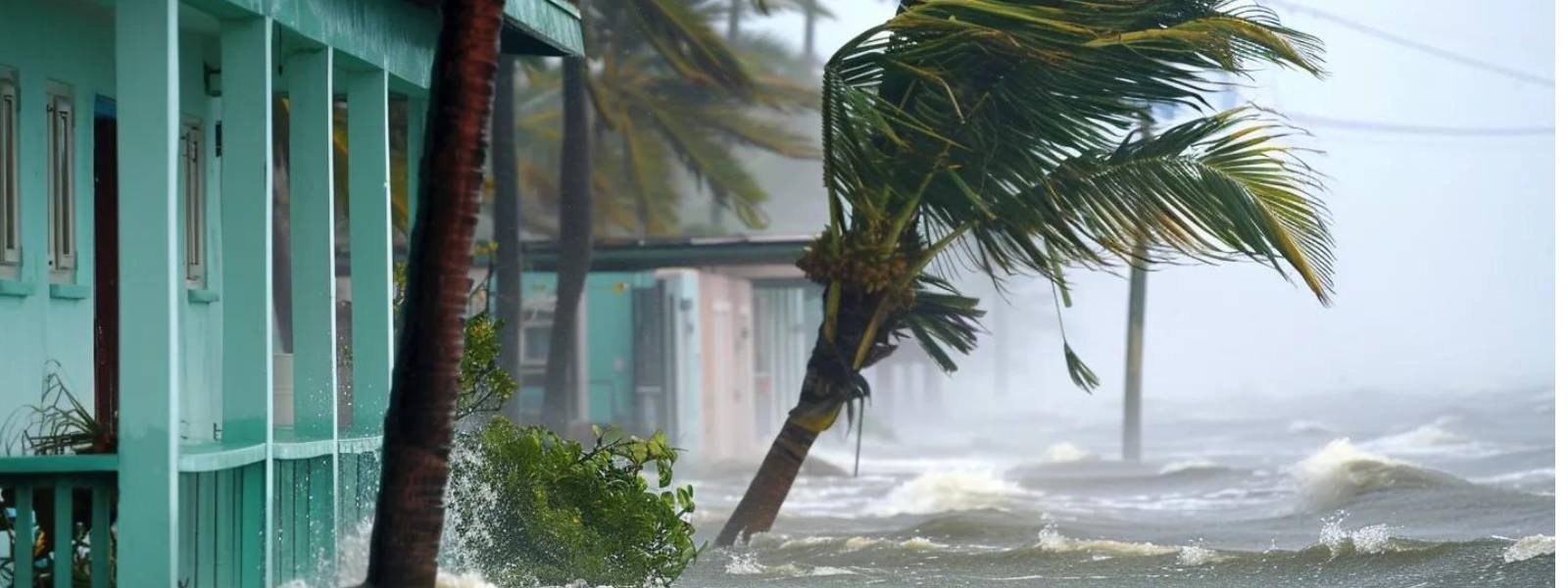
Even the best windows eventually show their age. Knowing what to watch for helps you plan ahead rather than scrambling when problems become urgent.
Visible Damage to Glass or Frames
Cracks, chips, or cloudiness between the glass panes signal trouble. That cloudiness often called "fogging" usually means the seal failed and moisture got inside. Once a seal breaks, the window loses its insulating properties. The gas between the panes escapes, and replacement becomes the smart choice.
Check your frames for warping, corrosion, or soft spots. Aluminum frames may show pitting in coastal areas like Aventura or Key Biscayne. Vinyl frames sometimes crack after years of intense sun exposure, especially on west-facing walls.
Drafts and Air Leaks
Stand near your closed windows on a windy day. Feel any air movement? That's energy and money floating out of your home. Your AC works harder, your bills climb higher, and your comfort suffers. Weatherstripping wears out over time, and even small gaps add up significantly.
Sometimes replacing weatherstripping solves the problem for a few hundred dollars. Other times, the window has shifted enough that only full replacement will restore the seal properly.
Difficulty Opening or Closing
Windows should operate smoothly with minimal effort. If you're fighting to slide or crank your windows, something's wrong. Frames may have warped from heat exposure. Hardware may have corroded from salt air. The window may have settled out of square as your home shifted slightly over the years.
Lubricating tracks and hinges helps with minor issues. Persistent problems usually mean the window needs professional attention or replacement.
Water Intrusion
Water stains on interior walls near windows point to failed seals or improper installation. In hurricane country, water getting past your windows during a storm can cause serious damage not just to your belongings, but to your home's structure.
Address water intrusion immediately. What starts as a small leak can lead to mold growth, wood rot, and expensive structural repairs. A few hundred dollars in repairs now beats tens of thousands in damage later.
How Long Does Window Installation Take
Homeowners often ask about timing when planning a window project. Nobody wants their home torn apart for weeks. Here's what to expect:
Single Window Replacement
A professional installer can swap out one standard window in about 30 to 60 minutes. This assumes the opening is in good shape and no structural repairs are needed. Custom sizes or unusual configurations may add time.
Whole-House Projects
Replacing all windows in a typical South Florida home takes one to three days. A 2,500 square foot home with 15 to 20 windows usually wraps up in two days with a full installation crew. Larger homes or those with custom window sizes may require additional time.
The good news? Professional installers work efficiently to minimize disruption. They typically complete one window at a time, so your home stays secure throughout the process. You won't have gaping holes in your walls overnight.
From Order to Installation
Here's where patience comes in. Custom impact windows require manufacturing time. After you sign a contract and finalize measurements, expect four to eight weeks before your windows arrive and installation can be scheduled.
During peak season typically spring and summer when everyone's thinking about hurricane prep lead times stretch longer. Planning ahead gives you more flexibility and often better pricing. The homeowners who schedule in January for April installation tend to be happiest with the process.
Best Time of Year for Window Install
Timing your window project right can save money and headaches. Each season offers different advantages.
Fall Offers the Sweet Spot
Fall is often the best time of year for window replacement in South Florida. Hurricane season winds down by November, temperatures become more comfortable for installers, and contractor schedules open up. Many companies including our team at ASP Super Home offer promotions to fill calendars before the slower winter months.
Installing in fall means your new windows will be working hard when temperatures drop. Even our mild South Florida winters benefit from proper insulation. You'll notice the difference on your December and January electric bills.
Spring and Summer Bring High Demand
Everyone wants their windows done before hurricane season hits. That surge in demand drives up prices and extends wait times considerably. If you're planning a spring or summer installation, book early three to six months ahead isn't too soon for major projects.
The upside? Your windows will be ready when you need them most. There's real peace of mind in knowing your Doral home is protected before the first named storm forms in the Atlantic.
What Time of Year Are Windows the Cheapest
Winter often brings the best deals on impact windows. Contractors have more availability, manufacturers sometimes run year-end promotions, and you'll have your pick of installation dates. December through February is typically the slowest period for window companies.
The trade-off is minimal in South Florida. Window installation works fine in cooler weather, and our winters rarely get cold enough to affect caulking or sealing. Smart homeowners take advantage of off-season pricing and enjoy their new windows all year.
Maintenance Tips to Extend Window Lifespan
Taking care of your impact windows pays dividends over time. These simple practices help maximize your investment and keep your windows performing at their best.
Regular Cleaning
Clean your windows at least twice a year more often if you live near the coast in areas like Miami Beach, Hallandale, or Pompano Beach. Use mild soap and water with a soft cloth. Avoid harsh chemicals, ammonia-based cleaners, or abrasive scrubbing pads that can scratch protective coatings.
Don't forget the frames and tracks. Debris buildup in sliding window tracks prevents proper sealing and can damage rollers over time. A quick vacuum of the tracks during routine cleaning prevents bigger problems.
Lubricate Moving Parts
Once a year, apply a silicone-based lubricant to tracks, hinges, locks, and handles. This keeps everything operating smoothly and prevents the corrosion that salt air loves to cause. A $10 can of lubricant can add years to your window hardware life.
Inspect Seals and Weatherstripping
Check the weatherstripping around your windows every season. Look for gaps, cracks, or sections that have pulled away from the frame. Replacing worn weatherstripping costs far less than replacing the whole window and maintains your energy efficiency.
Schedule Professional Inspections
Have a qualified professional inspect your windows every few years especially before hurricane season. They'll catch problems you might miss and confirm everything is ready for storm conditions.
Insurance and Financial Benefits
Hurricane windows aren't just about protection they're a smart financial investment that pays returns for years.
Insurance Premium Discounts
Florida law requires insurance companies to offer discounts for wind mitigation features. Homeowners typically see premium reductions of 15% to 45% after installing impact-resistant windows throughout their home. On a $5,000 annual premium, that's $750 to $2,250 back in your pocket every year.
To claim your discount, you'll need a Wind Mitigation Inspection Report completed by a licensed inspector. This documents your home's protective features and qualifies you for savings that continue year after year.
Energy Savings Add Up
Impact windows insulate better than standard windows. The laminated glass and tight seals reduce heat transfer, which means your AC runs less during our brutal summers. Many homeowners report energy bill reductions of 10% to 25% after upgrading.
Those savings compound over the life of your windows. Twenty years of lower electric bills adds up to thousands of dollars often enough to offset a significant portion of your original investment.
Frequently Asked Questions
How often should I replace my hurricane impact windows?
Most quality impact windows last 20 to 30 years before needing replacement. However, you should consider replacing them sooner if you notice fogging between glass panes, persistent drafts, difficulty operating the windows, or visible damage to frames or seals. Annual inspections help you catch problems early and plan for replacement before issues become urgent.
Can hurricane impact windows be repaired instead of replaced?
Minor issues like worn weatherstripping, sticky hardware, or small seal gaps can often be repaired at reasonable cost. However, cracked glass, failed seals causing fogging, or damaged frames typically require full replacement. The laminated glass construction that makes impact windows strong also makes glass-only repairs impractical in most cases.
Do impact windows really make a difference on insurance rates?
Yes, and the savings are substantial. Florida homeowners with impact-rated windows on all openings typically save 15% to 45% on their windstorm insurance premiums. You'll need a Wind Mitigation Inspection to document your protection and qualify for these discounts with your insurance company.
What certification should I look for when buying impact windows in South Florida?
For homes in Miami-Dade and Broward counties, look for Miami-Dade Notice of Acceptance (NOA) certification. This represents the strictest testing standard in the nation. Windows with NOA certification have passed large missile impact tests and pressure cycling that simulates actual hurricane conditions. This certification is required for HVHZ installations.
How do I maintain impact windows in coastal areas?
Rinse your windows monthly with fresh water to remove salt buildup. Clean glass and frames with mild soap twice yearly. Lubricate all moving parts annually with silicone-based lubricant. Inspect seals and weatherstripping seasonally for wear. Schedule professional inspections every two to three years, and always inspect after major storms pass through your area.
Final Thoughts
Hurricane impact windows represent one of the smartest investments South Florida homeowners can make. With proper installation and basic maintenance, quality windows protect your family and home for 20 to 30 years sometimes much longer.
The key is choosing the right products, working with experienced professionals, and giving your windows the care they deserve. Don't wait until the next storm warning to think about your home's protection.
Ready to explore impact window options for your home? Request a free estimate from ASP Super Home. Our team serves homeowners throughout Miami-Dade, Broward, Palm Beach, Lee, and Collier counties with the expertise that comes from 19+ years of protecting South Florida homes. Visit our Doral showroom at 3400 NW 114th Ave to see our complete product lineup in person.
Meet With a Project Manager
Your first conversation is with a Project Manager who takes the time to understand your goals, walk you through your options, and stays connected throughout your project — from the initial consultation through the final walkthrough.
.avif)
.avif)
.avif)
%201.avif)
Insights & Resources
Stay informed with expert tips on roofing materials, hurricane codes, repairs, and South Florida construction standards.


%201.avif)
%201%20(1).avif)
%201.svg)
%201%20(1)%20(1).png)
.png.png)
.png%20(1).png)
.png%20(2).png)
.avif)
.avif)


.png)
.svg)
.png)