


Impact Window Installation: What to Expect Step by Step
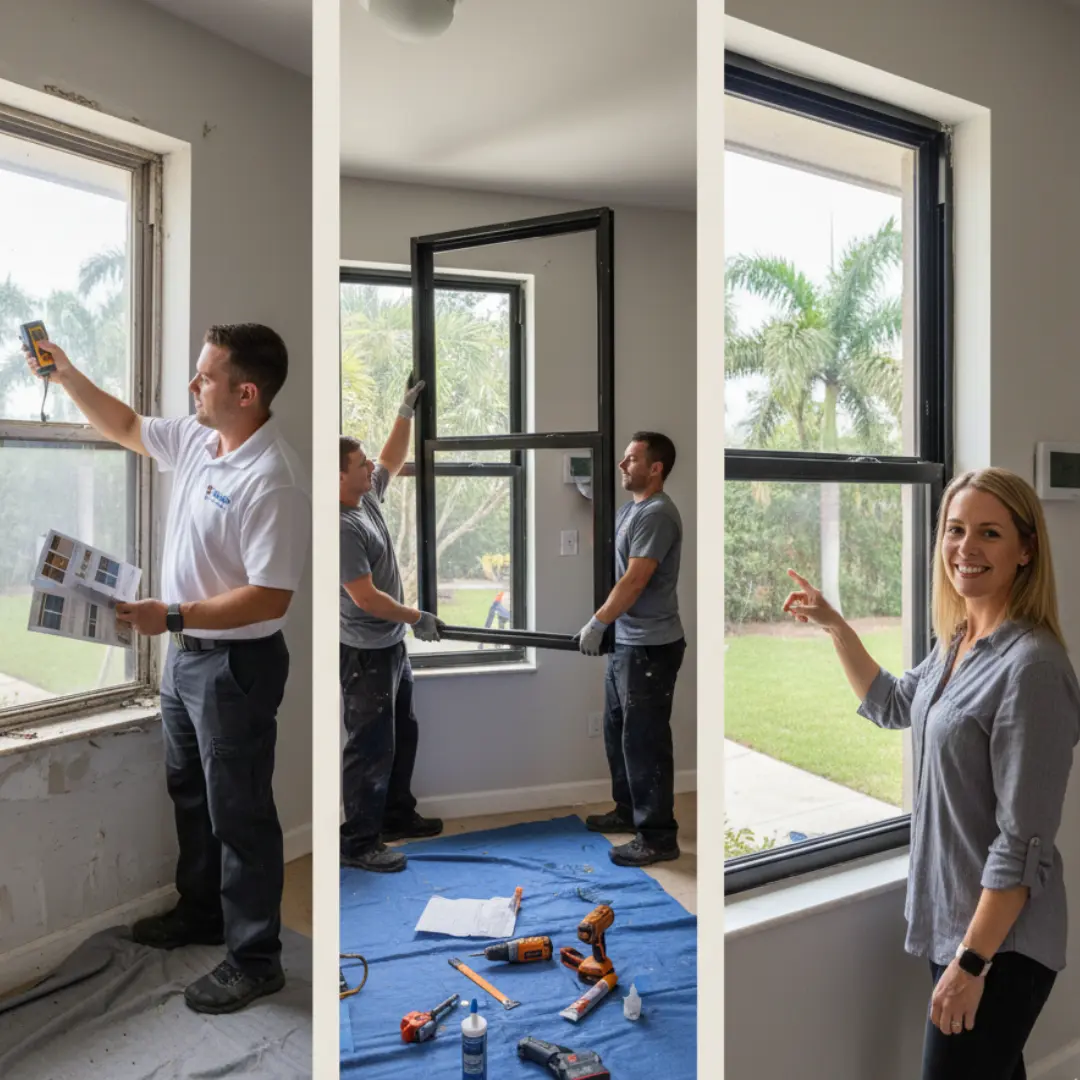
Impact window installation follows an 8-step process including initial consultation and measurements, product selection and ordering, installation scheduling, work area preparation, old window removal, new window installation with structural anchoring, quality inspection and testing, and final walkthrough with homeowner education.

Impact window installation follows an 8-step process including initial consultation and measurements, product selection and ordering, installation scheduling, work area preparation, old window removal, new window installation with structural anchoring, quality inspection and testing, and final walkthrough with homeowner education. According to the Florida Building Code Section 1609, proper installation requires certified installers who understand Miami-Dade NOA specifications, structural attachment methods meeting ASTM E2068 standards, and waterproofing protocols preventing wind-driven rain infiltration. Professional installations in Miami, Fort Lauderdale, and Naples typically complete within 1-3 days for homes with 10-15 windows, ensuring hurricane protection rated to 140-180 mph wind speeds.
Impact window installation represents a critical home improvement investment requiring specialized knowledge, proper equipment, and building code compliance. Unlike standard window replacements, impact window installations demand precise structural anchoring, multi-layer weatherproofing, and pressure testing verification ensuring hurricane survival. Homeowners in South Florida's High Velocity Hurricane Zones face the strictest installation requirements protecting properties from Category 3-5 hurricanes generating 111-157 mph sustained winds. Understanding each installation phase, quality control checkpoints, and common installation errors helps homeowners verify proper workmanship and maximize long-term performance from their impact windows in Miami installations.
How to Tell if a Window Is Installed Incorrectly
You can tell if a window is installed incorrectly by checking for visible gaps between frame and wall exceeding 1/4 inch, operating difficulties including sticking or binding during opening, water leaks around perimeter during rain events, condensation forming between glass panes, and uneven sealant application with missing sections. According to ASTM E2112 standards, properly installed impact windows should operate smoothly without force, maintain airtight seals preventing drafts, and show uniform sealant beads without voids or gaps. Incorrect installations compromise hurricane protection, void manufacturer warranties, and fail building inspections requiring costly reinstallation.
Visual Inspection Red Flags
Gaps between window frames and wall openings indicate improper shimming or inadequate expansion foam application. Professional installations maintain consistent 1/8 to 1/4 inch gaps filled completely with low-expansion foam and covered by interior trim. Visible daylight around closed windows signals seal failure allowing air infiltration that increases energy costs by 15-25% and permits water intrusion during storms.
Sealant application quality reveals installation expertise. Proper exterior caulking shows continuous beads without breaks, consistent thickness of 1/4 to 3/8 inch, smooth tooled finish without air bubbles, and complete adhesion to both frame and wall surfaces. Poor sealant work displays uneven bead thickness, skipped sections, excessive tooling marks, and premature cracking within 6-12 months. The Insurance Institute for Business & Home Safety reports that 60% of hurricane water damage results from improper window sealing.
Operational Performance Testing
Windows should operate effortlessly requiring minimal force to open, close, and lock. Binding, sticking, or scraping sounds indicate misaligned frames installed out of plumb or level. Professional installers verify plumb and level using precision instruments ensuring frame alignment within 1/8 inch tolerance over full frame height. Misaligned windows stress hardware causing premature failure and compromise wind resistance by 20-30%.
Locking mechanisms must engage fully at all locking points without forcing. Multi-point locking systems on impact windows engage simultaneously at 3-5 locations around window perimeters. Partial engagement indicates twisted frames or improperly adjusted hardware. Testing locks monthly ensures continued functionality and maintains hurricane protection integrity required for insurance premium reductions.
Water Infiltration Warning Signs
Water stains on interior walls below windows signal active leaks requiring immediate attention. Properly installed impact windows withstand ASTM E547 water penetration testing equivalent to 8 inches of rain per hour with 62 mph winds. Failed installations allow water intrusion during moderate rainstorms long before hurricane conditions arrive.
Condensation between glass panes indicates seal failure in insulated glass units. Impact windows use dual seals preventing moisture infiltration for 10-20 years when properly manufactured and installed. Premature seal failure within 2-5 years suggests installation damage during handling or inadequate edge clearance causing glass-to-frame contact. Homeowners installing residential impact windows in Fort Lauderdale should inspect for condensation monthly during first year detecting manufacturing or installation defects within warranty periods.
Structural Attachment Verification
Interior trim removal exposes structural anchoring methods critical for hurricane survival. Florida Building Code requires impact windows to attach using #10 or larger screws penetrating framing members minimum 1-1/2 inches. Fasteners should space 12 inches maximum around entire perimeter with additional reinforcement at corners and mid-spans on units exceeding 48 inches in any dimension.
Improper fastening using nails, short screws, or wide spacing creates catastrophic failure points during hurricanes. FEMA post-hurricane damage assessments consistently identify inadequate structural attachment as primary cause of window failures allowing wind and water intrusion. Professional installations provide photographic documentation of fastening methods before concealing with trim, ensuring accountability and warranty protection.
Can I Install My Own Impact Windows?
No, homeowners should not install their own impact windows because Florida Building Code Section 105.2 requires licensed contractors for hurricane protection installations, improper installation voids manufacturer warranties worth $2,000-5,000 per window, and DIY installations fail building inspections requiring costly professional reinstallation. Professional installers possess specialized tools including structural anchoring equipment, precision leveling instruments, and weatherproofing materials meeting ASTM C920 sealant standards. Additionally, impact windows weigh 80-150 pounds per unit requiring 2-3 person installation teams preventing injury risks and glass damage during handling.
Licensing and Permit Requirements
Florida law requires general contractor licenses (CGC) or building contractor licenses (CBC) for impact window installations in residential properties. Unlicensed installations violate state statutes resulting in $5,000-10,000 fines, permit revocation, and criminal misdemeanor charges. Miami-Dade, Broward, and Palm Beach counties actively enforce contractor licensing through random job site inspections and complaint investigations.
Building permits cost $150-500 but provide essential protections including engineering review of structural attachments, inspection verification of proper installation methods, and documentation supporting insurance claims after hurricane damage. Permit processes require licensed contractor signatures, product NOA certification numbers, and installation method specifications. DIY homeowners cannot obtain permits for impact window installations making projects illegal and uninsurable.
Specialized Tool and Equipment Needs
Professional impact window installation requires equipment unavailable to typical homeowners. Structural installation demands rotary hammer drills with concrete bits, pneumatic fastening systems delivering consistent torque, laser levels ensuring precision alignment within 1/16 inch tolerances, and scaffolding or aerial lifts for second-story access. Equipment rental costs $300-800 for single projects approaching 30-40% of professional installation labor charges.
Weatherproofing requires commercial-grade sealant guns maintaining consistent bead dimensions, backing rod installation tools creating proper joint geometry, and tooling implements achieving smooth finishes. Improper sealant application represents the most common DIY failure point causing 80% of callback issues for professional installers repairing amateur work. Using consumer-grade caulking guns and hardware store sealants produces installations failing within 2-3 years instead of lasting 10-15 years with professional materials.
Manufacturer Warranty Considerations
Impact window manufacturers void warranties on DIY installations or work performed by unlicensed contractors. Typical warranties cover glass seal failures for 10-20 years, frame defects for 5-10 years, and hardware operation for 2-5 years representing $2,000-5,000 replacement values per window. Warranty claims require installation certificates from licensed contractors with liability insurance and workers' compensation coverage.
PGT Industries, CGI Windows, and Andersen explicitly state in warranty documentation that improper installation voids all coverage. Common installation errors voiding warranties include inadequate structural anchoring, missing or improper sealants, damage during handling, and installation outside manufacturer-specified temperature ranges. Professional installers carry errors and omissions insurance protecting homeowners from installation defects, coverage unavailable for DIY projects.
Safety and Liability Risks
Impact windows weigh 80-150 pounds for standard residential sizes and 200-400 pounds for sliding glass doors. Lifting and positioning these units requires 2-3 person teams using proper rigging equipment preventing back injuries, crushed fingers, and broken glass. The Occupational Safety and Health Administration reports that window installation injuries result in average medical costs of $15,000-35,000 per incident plus lost work time.
Second-story installations require fall protection equipment including harnesses, anchor points, and guardrail systems. OSHA mandates fall protection for work exceeding 6 feet above ground level. DIY installers lacking safety training and equipment face death or permanent disability risks during upper-floor installations. Homeowner's insurance policies typically exclude coverage for injuries during unlicensed construction activities, leaving DIY installers personally liable for medical expenses and property damage.
What Are the Critical Steps in Professional Impact Window Installation?
Critical steps in professional impact window installation include precise opening measurements with 1/8 inch accuracy, structural opening preparation removing deteriorated materials, window positioning using temporary shims achieving plumb and level within tolerances, structural anchoring with fasteners spaced 12 inches maximum, multi-layer weatherproofing with backing rod and sealant, insulation with low-expansion foam, interior and exterior trim installation, and final operation testing. Each step requires specific materials, tools, and techniques ensuring installations meet Florida Building Code Section 1626 impact resistance requirements and ASTM E2068 installation standards for hurricane protection rated to 180 mph winds.
Step 1: Initial Consultation and Accurate Measurements
Professional installations begin with comprehensive home assessments including window count and sizes, wall construction verification identifying wood frame, concrete block, or poured concrete, existing window condition determining removal complexity, and access considerations for material delivery and equipment positioning. Installers measure rough opening dimensions accounting for frame thickness, shimming requirements, and trim coverage.
Measurement accuracy determines proper fit and installation success. Professional installers measure width at top, middle, and bottom of openings, height at left, center, and right positions, and diagonal dimensions verifying square openings. Variations exceeding 1/4 inch require structural corrections before window ordering. Custom window fabrication requires 4-8 weeks making accurate initial measurements critical for project timeline management.
Step 2: Product Selection and NOA Verification
Homeowners select impact windows considering design pressure ratings appropriate for geographic locations, frame materials balancing cost and performance requirements, glass specifications including Low-E coatings and tinting options, and hardware finishes matching existing home aesthetics. Professional installers verify Miami-Dade NOA certification numbers ensuring products meet local building code requirements.
Product selection affects installation methods and structural requirements. Windows rated DP-50 and higher require reinforced rough opening framing supporting increased wind loads. Aluminum frames demand different fastening techniques than vinyl frames due to thermal expansion differences. Installers coordinate product specifications with structural attachment plans before ordering custom manufactured windows. Homeowners combining impact windows in Doral with solar panel installations select Low-E glass specifications optimizing both hurricane protection and energy efficiency.
Step 3: Work Area Preparation and Protection
Installation day begins with comprehensive site preparation protecting homeowner property from construction damage. Professional crews cover floors with heavy-duty ram board preventing scratches and stains, protect furniture and fixtures with plastic sheeting blocking dust infiltration, establish debris collection zones outside windows for material disposal, and verify clear access paths for carrying 80-150 pound window units through homes.
Exterior preparation includes landscaping protection using plywood sheets preventing shrub damage, establishing material staging areas for window storage, positioning ladders or scaffolding for safe upper-floor access, and verifying electrical power availability for tools requiring 15-20 amp circuits. Proper preparation prevents property damage claims averaging $500-2,000 and maintains professional workflow efficiency completing installations within estimated timeframes.
Step 4: Old Window Removal and Opening Inspection
Existing window removal requires careful demolition preventing wall damage that increases repair costs. Installers score sealant lines using utility knives, remove interior stops and trim pieces saving reusable components, extract sash units from frames, and carefully pry frames from rough openings avoiding stucco cracks or drywall tears. Vinyl windows remove easily while aluminum frames often require cutting into manageable sections.
Rough opening inspection reveals hidden conditions affecting new installations. Common discoveries include water-damaged wood framing requiring replacement, inadequate header sizing for increased impact window weight, missing or deteriorated flashing allowing previous water intrusion, and structural deficiencies from original construction requiring code compliance upgrades. Addressing these conditions before new window installation prevents future failures and ensures structural integrity supporting hurricane loads.
Step 5: Structural Anchoring and Frame Installation
Impact window frames install using structural anchoring methods specified in Miami-Dade NOA certifications. Installers position frames in rough openings using temporary shims maintaining plumb and level within 1/16 inch tolerances, drill pilot holes through frame flanges into structural framing, install #10 or #12 structural screws penetrating framing minimum 1-1/2 inches, and verify screw spacing maintains 12 inch maximum intervals around entire perimeter.
Anchor screw selection depends on substrate materials. Wood framing uses standard wood screws, concrete block requires concrete anchors rated for 500+ pound pullout resistance, and poured concrete demands hammer-set anchors or tapcon screws. Proper fastener selection and installation technique determines wind uplift resistance preventing catastrophic failures during hurricanes. The Insurance Institute for Business & Home Safety confirms that proper structural anchoring reduces hurricane damage by 60-80% compared to inadequately fastened installations.
Step 6: Multi-Layer Weatherproofing Application
Weatherproofing creates waterproof barriers preventing wind-driven rain infiltration during hurricanes. Professional installers apply self-adhering flashing tape to rough opening perimeters before frame installation, install closed-cell foam backer rod in gaps between frames and rough openings, apply primary sealant beads using commercial-grade polyurethane or silicone products, and tool sealant surfaces creating smooth concave profiles shedding water away from joints.
Sealant selection affects long-term performance in South Florida's harsh environment. Products must meet ASTM C920 Grade NS Class 25 specifications providing ±25% joint movement capability, maintain adhesion in 100% humidity conditions, resist UV degradation for 10-15 years minimum exposure, and cure properly in 60-95 degree temperature ranges common during installation seasons. Consumer-grade caulks from hardware stores fail these requirements explaining 70% of premature seal failures in DIY or low-quality professional installations.
Step 7: Insulation and Trim Installation
Gaps between impact window frames and rough openings require proper insulation preventing air infiltration and providing additional structural support. Professional installers use low-expansion foam products specifically formulated for window installations, filling voids completely without creating excessive pressure distorting frames, allowing 24-48 hour curing periods before trim installation, and trimming excess foam flush with frame edges.
Interior and exterior trim conceals rough opening edges while providing finished appearances. Interior trim typically uses 3/4 inch pine or MDF material painted or stained matching existing woodwork. Exterior trim in South Florida employs PVC or fiber cement materials resisting moisture and termite damage. Proper trim installation includes sealing all joints between trim and siding preventing water infiltration behind wall systems. Homeowners installing metal roofing in Naples coordinate exterior trim colors matching roof finishes creating cohesive aesthetic presentations.
Step 8: Quality Inspection and Operation Testing
Final quality control ensures installations meet manufacturer specifications and building code requirements. Professional installers conduct comprehensive inspections checking sealant coverage with no voids or gaps visible, frame alignment within specified tolerances, all fasteners properly installed at required spacing, and proper foam insulation filling all voids. Operation testing verifies windows open and close smoothly without binding, all locks engage fully at every locking point, weatherstripping compresses evenly around closed sashes, and no air infiltration detected during hand testing around perimeters.
Building inspectors verify installations before issuing certificates of completion required for occupancy permits and insurance documentation. Inspections confirm NOA certification matches installed products, structural anchoring meets code requirements, flashing and weatherproofing follow approved methods, and installations comply with manufacturer installation instructions. Failed inspections require corrections before final approval, emphasizing the importance of proper installation methods throughout every project phase.
How Long Does Impact Window Installation Take?
Impact window installation takes 1-3 days for typical single-family homes with 10-15 windows, 3-5 days for larger homes with 20-30 windows, and 5-10 days for complex projects involving custom shapes, structural modifications, or multi-story installations. Individual window replacements complete in 2-4 hours per window including removal, installation, weatherproofing, and cleanup. Project timelines extend when permit processing requires 2-4 weeks, custom window manufacturing takes 4-12 weeks, and weather delays postpone exterior work during rainstorms common in South Florida's wet season from May through October.
Single Window Replacement Timelines
Individual window replacements provide fastest completion schedules ideal for homeowners replacing damaged units or upgrading incrementally. Standard rectangular windows measuring 36x60 inches or smaller install in 2-3 hours including old window removal, rough opening preparation, new window installation with structural anchoring, weatherproofing application, and basic trim reinstallation. Larger windows measuring 48x72 inches or greater require 3-4 hours per unit due to increased weight and handling complexity.
Specialty windows including bay windows, bow windows, and custom architectural shapes require 4-8 hours per unit. These installations demand additional structural support, multiple mounting angles, and complex flashing details preventing water infiltration. Single window projects minimize disruption allowing homeowners to maintain normal routines while improving hurricane protection incrementally over multiple years.
Whole-House Installation Schedules
Complete home impact window installations provide comprehensive hurricane protection and maximum insurance premium reductions. Standard 2,000 square foot homes with 12-15 windows complete in 2-3 days with experienced 2-3 person installation crews. Day one involves removing all old windows and preparing rough openings, day two completes new window installation and structural anchoring, and day three applies weatherproofing, installs trim, and conducts final inspections.
Larger homes exceeding 3,000 square feet with 20-30 windows require 4-5 days for complete installations. Multi-story homes add 1-2 days for safe upper-floor access and material handling logistics. Complex projects combining impact windows in West Palm Beach with sliding glass door replacements extend timelines to 5-7 days ensuring proper coordination of multiple product types and installation techniques.
Permit and Manufacturing Lead Times
Project timelines include pre-installation phases often exceeding actual installation durations. Building permit applications in Miami-Dade County require 2-4 weeks for review and approval, Broward County processes permits in 1-3 weeks, and Palm Beach County approvals complete in 2-3 weeks. Expedited permit processing available for 50-100% fee increases reduces timelines to 1-2 weeks in most jurisdictions.
Custom window manufacturing requires 4-8 weeks for standard products and 8-12 weeks for specialty shapes or non-standard sizes. Lead times fluctuate seasonally with longest waits occurring April through July when contractors order inventory for hurricane season installations. Homeowners planning installations during December through March benefit from 2-4 week shorter lead times and immediate contractor availability for installations within days of product delivery.
What Maintenance Do Impact Windows Need After Installation?
Impact windows need minimal maintenance after installation including quarterly glass cleaning with ammonia-free cleaners, annual sealant inspections checking for cracks or separation, biannual hardware lubrication using silicone spray, monthly weatherstripping checks during first year detecting installation issues, and immediate repair of any chips or cracks preventing moisture infiltration. Properly maintained impact windows last 20-30 years providing continuous hurricane protection, energy efficiency, and insurance premium reductions. Professional maintenance inspections cost $150-300 annually but prevent premature failures requiring $1,200-2,500 window replacements.
Glass and Frame Cleaning Procedures
Impact window glass requires gentle cleaning methods preventing damage to Low-E coatings and tinted films. Use ammonia-free glass cleaners or simple soap and water solutions applied with soft microfiber cloths, avoid abrasive scrubbing pads or paper towels scratching protective coatings, clean windows quarterly or as needed maintaining visibility and aesthetic appearance, and inspect glass surfaces during cleaning detecting chips or cracks requiring professional evaluation.
Frame cleaning requirements vary by material type. Vinyl frames clean easily using mild detergent and water without special products. Aluminum frames benefit from automotive wax applications providing additional corrosion protection in coastal environments. Fiberglass frames require only soap and water maintaining appearance without painting or refinishing. Annual deep cleaning prevents dirt accumulation in weatherstripping channels and operating mechanisms ensuring smooth window operation.
Sealant and Weatherproofing Inspection
Annual sealant inspections identify deterioration before failures occur causing water damage. Examine exterior sealant beads for continuous coverage without gaps, adhesion to both frame and wall surfaces without separation, flexibility maintaining rubber-like consistency without hardening, and absence of cracks exceeding 1/8 inch width requiring immediate repair. UV exposure and thermal cycling cause sealants to degrade over 5-10 year periods in South Florida's harsh climate.
Resealing windows costs $150-300 per window when performed proactively before failures occur. Emergency repairs after water intrusion during hurricanes cost $500-2,000 per window including interior wall damage repairs and mold remediation. Professional installers recommend resealing windows every 7-10 years maintaining waterproof barriers and extending overall window lifespan. Homeowners installing residential solar panels in Fort Myers should coordinate window resealing with panel maintenance visits optimizing service call efficiency.
Hardware Operation and Adjustment
Window hardware requires biannual lubrication maintaining smooth operation and preventing corrosion in coastal environments. Apply silicone-based spray lubricants to hinges, pivot points, and locking mechanisms, operate windows through full range of motion distributing lubricant evenly, wipe excess lubricant preventing dirt accumulation, and test all locking points ensuring full engagement. Stiff or binding hardware indicates adjustment needs or component wear requiring professional service.
Multi-point locking systems common on impact windows require periodic adjustment maintaining proper engagement. Professional window technicians adjust lock strike positions, tighten mounting screws preventing hardware loosening, replace worn keeper plates maintaining secure closure, and verify all locking points engage simultaneously. Hardware failures compromise wind resistance and void insurance coverage requiring annual verification maintaining hurricane protection effectiveness.
Conclusion
Impact window installation follows systematic 8-step processes ensuring hurricane protection rated to 140-180 mph winds through proper structural anchoring, multi-layer weatherproofing, and quality control verification. Professional installations by licensed contractors complete in 1-3 days for typical South Florida homes while providing manufacturer warranty protection worth $2,000-5,000 per window. DIY installations violate Florida Building Code requirements, void warranties, and fail building inspections requiring costly professional reinstallation. Recognizing incorrect installation signs including visible gaps, operation difficulties, and water leaks enables homeowners to verify quality workmanship and address problems immediately.
Contact ASP SuperHome at (786) 933-9815 to schedule your professional impact window installation consultation today. Our licensed installers (CGC1513274) serve Miami, Fort Lauderdale, Naples, West Palm Beach, Doral, and Fort Myers with Miami-Dade NOA-approved impact window systems meeting Florida Building Code requirements. We provide 10-20 year manufacturer warranties, comprehensive installation guarantees, and over 19 years of South Florida experience protecting 10,000+ homes. Visit our Doral showroom at 3400 NW 114th Ave for installation demonstrations and discuss comprehensive hurricane protection solutions including metal roofing, solar panels, and complete home remodeling services.
Meet With a Project Manager
Your first conversation is with a Project Manager who takes the time to understand your goals, walk you through your options, and stays connected throughout your project — from the initial consultation through the final walkthrough.
.avif)
.avif)
.avif)
%201.avif)
Insights & Resources
Stay informed with expert tips on roofing materials, hurricane codes, repairs, and South Florida construction standards.


%201.avif)
%201%20(1).avif)
%201.svg)
%201%20(1)%20(1).png)
.png.png)
.png%20(1).png)
.png%20(2).png)
.avif)
.avif)


.png)
.svg)
.png)