


Disadvantages of Window Materials and Types


Every window material has drawbacks. Vinyl can warp in extreme heat. Aluminum conducts hot and cold temperatures. Wood needs constant upkeep. And impact windows cost more upfront than standard glass. The key is knowing which disadvantages matter most for your Doral home or South Florida property so you can make a smart choice.
Choosing the right windows is a big deal. Your windows affect your energy bills, your home's safety during hurricane season, and how much time you spend on maintenance. This guide breaks down the cons of each window material and type. We also cover the best time of year for window replacement and how long installation takes. By the end, you'll know exactly what to expect before your project starts.
Common Window Frame Materials and Their Disadvantages
Window frames come in several materials. Each one has its own set of problems. Let's look at what could go wrong with each option so you can plan ahead.
Vinyl Window Disadvantages
Vinyl windows are the most popular choice for homeowners across Miami-Dade, Broward, and Palm Beach counties. They cost less than most other options and need very little care. But they come with real drawbacks.
Vinyl can expand and shrink when temperatures swing from hot to cold. In Doral and throughout South Florida, summer heat can push vinyl to its limits. Over time, this movement may affect how well your windows seal. Some older vinyl windows start to leak air after years of this stress.
Color options are another issue. Most vinyl windows come in white or tan. If you want black frames or custom colors, your choices shrink fast. Vinyl also cannot be painted like wood, so you're stuck with your original color.
The look of vinyl bothers some people too. Vinyl frames tend to be thicker than aluminum or fiberglass. This gives you less glass and more frame. For homeowners in Coral Gables or Miami Beach who want a sleek, modern look, this can be a deal-breaker.
Aluminum Window Disadvantages
Aluminum windows are strong, light, and won't rust or rot. They work well in commercial buildings and modern homes across Fort Lauderdale and Weston. But aluminum has one major flaw.
Aluminum conducts heat like a frying pan. In South Florida's blazing summers, that means your AC works overtime to cool your home. The U.S. Department of Energy points out that metal frames transfer heat rapidly, making them poor insulators compared to vinyl or wood.
This poor thermal performance shows up on your electric bill. Florida homeowners already deal with high cooling costs from June through September. Aluminum windows can make things worse unless they have a thermal break built in. Thermal breaks add cost but help reduce heat transfer.
Condensation is another concern. Aluminum frames can sweat when humid air hits the cold metal surface. In Hialeah or Homestead, where humidity stays high most of the year, this moisture can lead to mold around your window frames if not managed.
Wood Window Disadvantages
Wood windows look beautiful. They add warmth and character to homes in Pinecrest, Key Biscayne, and older Coral Gables neighborhoods. But wood demands attention.
Rot, cracking, and sun damage threaten wood frames every day in South Florida. Salt air from the Intracoastal and Biscayne Bay speeds up decay for coastal homes in Sunny Isles Beach or Hollywood. You must paint or stain wood windows regularly to protect them.
Termites love wood too. South Florida's warm, damp climate creates perfect conditions for these pests. A termite problem can turn your window frames into sawdust before you notice the damage.
Wood windows also cost more than vinyl or aluminum. When you add up the purchase price plus years of maintenance, wood becomes one of the most expensive options. For many Doral families, the upkeep alone makes wood a poor fit for our climate.
Wood-Clad Window Disadvantages
Wood-clad windows try to give you the best of both worlds. You get a wood interior for that classic look and an aluminum or vinyl exterior for weather protection. But this combo has problems too.
The biggest risk is water getting behind the cladding. If water seeps in where the cladding meets the wood, rot starts from the inside out. You might not see the damage until it's severe. Repairs can cost a fortune.
Wood-clad windows also carry a higher price tag than full vinyl options. Warranties tend to be shorter because manufacturers know moisture intrusion is a real risk. For homes near the coast in Naples or Marco Island, this concern grows even larger.
Fiberglass Window Disadvantages
Fiberglass frames are tough. They resist warping, rotting, and swelling better than most materials. They can even mimic the look of wood without the maintenance headaches.
But fiberglass windows cost more. They sit at the high end of the price range, often running between $500 and $1,500 per window. For a whole-house window replacement in Miami Lakes or Pembroke Pines, that adds up fast.
Finding fiberglass windows can also be tricky. Not every window company carries them. Installation requires more skill because fiberglass is rigid and harder to work with than vinyl. This can limit your contractor options and add to labor costs.
Color choices are more limited than with vinyl too. While fiberglass can be painted, factory colors are often restricted to a smaller palette.
Composite Window Disadvantages
Composite windows blend recycled wood fibers with plastics and metals. They offer good insulation and won't rot like solid wood. Many homeowners in Wellington or Jupiter like the natural look without the maintenance.
The cost can vary wildly between brands. Some composite windows cost more than solid wood. Quality differs too, making it hard to compare products from different manufacturers.
Availability is another hurdle. Composite is a newer technology, so fewer suppliers stock these windows. If you need a replacement part years later, finding it may prove difficult.
Window Types and Their Disadvantages
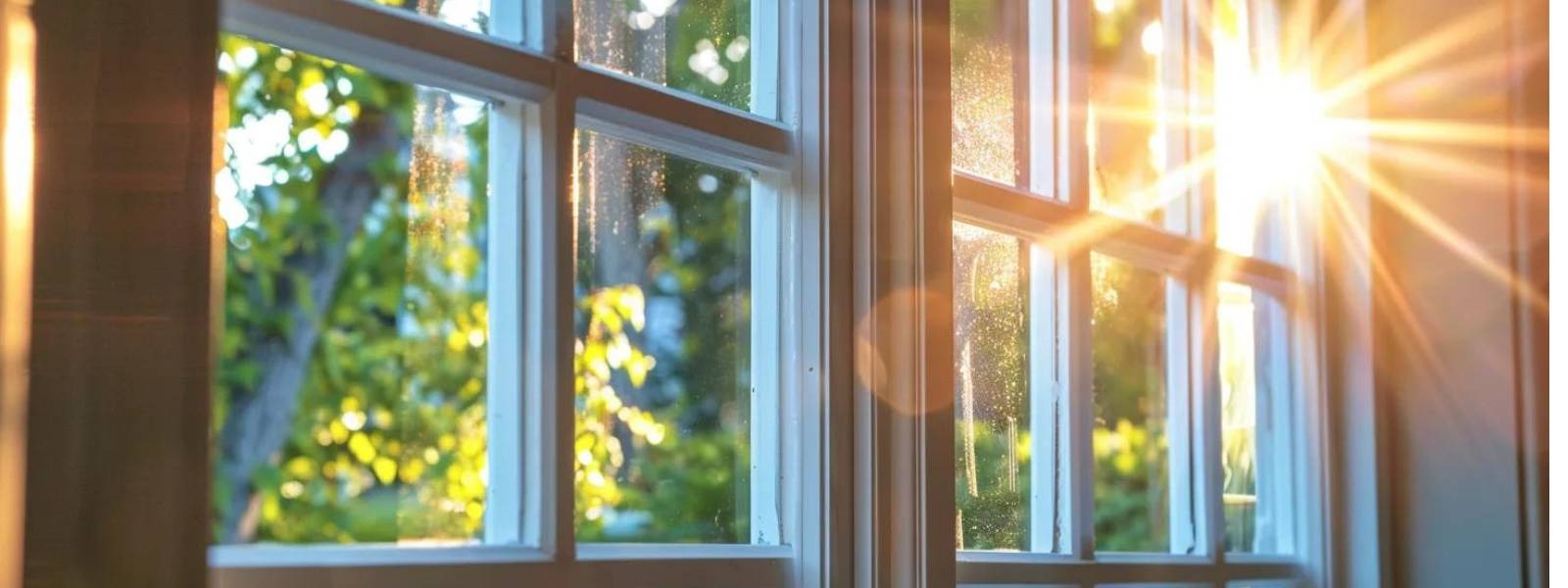
Beyond materials, the style of window you choose affects performance. Each type opens differently and comes with its own set of cons.
Single-Hung Window Disadvantages
Single-hung windows have two panels stacked on top of each other. Only the bottom panel moves up and down. The top stays fixed.
Limited airflow is the main problem. With only one moving panel, you get half the ventilation of a double-hung window. On breezy evenings in Doral or Davie, you can't open the top to let warm air escape while cool air flows in below.
Cleaning the outside of a single-hung window is harder too. Since the top panel doesn't tilt inward, you may need a ladder to wash the exterior glass. For two-story homes in Aventura or Boca Raton, this becomes a real chore.
Double-Hung Window Disadvantages
Double-hung windows let you open both the top and bottom panels. They offer better airflow and easier cleaning. But they have drawbacks.
Double-hung windows can leak more air than casement windows. The sliding seals wear out over time, letting drafts in. Older double-hung windows in many Miami homes struggle with air infiltration, driving up energy costs.
The upper panel can also sag downward over the years. Springs and balances that hold the panel in place weaken. When this happens, your window won't stay open without support. Repairs add to long-term costs.
Casement Window Disadvantages
Casement windows crank open outward like a door. They seal tightly when closed and offer excellent ventilation. But they come with unique problems.
Because casement windows swing outward, you need clear space outside. Shrubs, plants, or outdoor furniture can block the window from opening fully. Homeowners in Plantation or Sunrise with covered patios need to plan placement carefully.
Casement hardware sees more stress than sliding windows. The crank mechanism and hinges work hard every time you open or close the window. Over years of use, these parts can wear out and need replacement.
Size limits matter too. The hardware must support the weight of the window panel. Very large casement windows require heavy-duty components that add to cost.
Awning Window Disadvantages
Awning windows hinge at the top and tilt outward from the bottom. They're great for letting in air during light rain. But cleaning them is a pain.
Since awning windows open at a 45-degree angle, reaching the outside glass from inside your home is tough. You'll need to go outside with a ladder to clean the exterior properly. For high windows in bathrooms or kitchens, this creates ongoing hassle.
Awning windows also have limited opening space. The hinge mechanism divides the opening, so they don't work well as emergency escape routes. Building codes in Miami-Dade and Broward require egress windows in bedrooms, making awnings a poor choice for those rooms.
Sliding Window Disadvantages
Sliding windows move horizontally on a track. They work well for wide openings and areas where you don't want a window sticking out. But they share problems with double-hung windows.
Only half the window opens at a time with single sliders. This limits airflow compared to casement windows that open fully. Tracks can also collect dirt and debris over time, making the window harder to slide.
Security can be a concern too. The simple latch mechanism on many sliding windows offers less protection than the multi-point locks on casement windows. For homes near busy streets in Hialeah Gardens or Miami Springs, this matters.
Impact Window Disadvantages for Florida Homeowners
For Doral homeowners and South Florida families, residential impact windows offer serious protection during hurricane season. But they come with trade-offs worth knowing before you buy.
Higher Upfront Cost
Impact windows cost more than standard windows with the same frame material. The laminated glass and reinforced construction add to the price. A whole-house project in Kendall or Fort Lauderdale can run two to three times higher than non-impact alternatives.
However, this cost includes built-in hurricane protection. When you factor in the price of accordion shutters or storm panels plus standard windows, impact windows often break even or cost less in the long run. Many commercial impact window projects follow the same pattern.
Replacement Cost After Damage
Impact windows can crack or fracture during a major storm if debris hits hard enough. The good news is the laminated layer holds the glass together, keeping your home sealed. The bad news is replacement can cost more than fixing standard windows.
Any storm protection system can suffer damage during hurricanes. Impact windows, hurricane shutters, and storm panels all carry repair or replacement costs after a major event. This is part of life in the High-Velocity Hurricane Zone covering Miami-Dade and Broward counties.
Weight and Installation Complexity
Impact windows weigh more than standard windows. The multiple glass layers and reinforced frames add bulk. This extra weight can affect installation, especially for sliding glass doors and large openings.
Proper installation requires experience. Windows must meet Miami-Dade NOA (Notice of Acceptance) requirements in the HVHZ. Installation errors can void warranties and compromise performance when you need protection most.
How Long Does Window Installation Take?
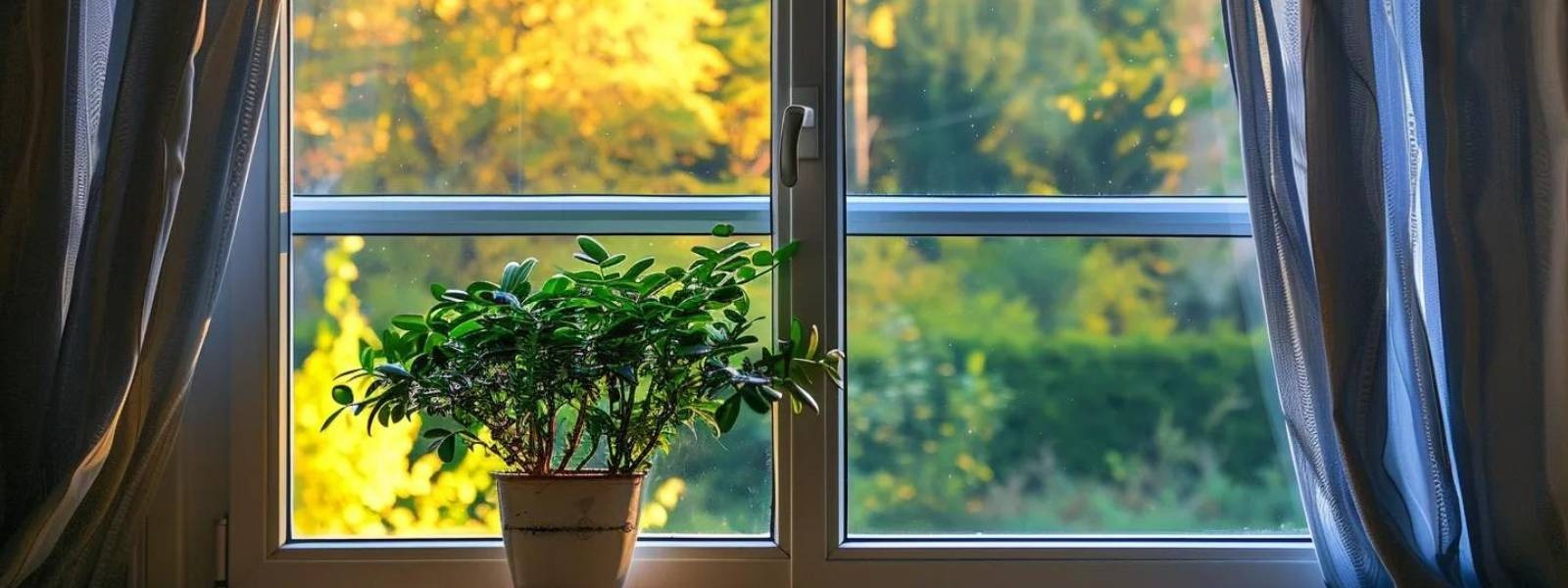
Planning your schedule around a window project helps reduce stress. Most Doral homeowners want to know exactly how long the work will take.
Single Window Installation Time
A skilled crew can remove an old window and install a new one in 30 to 60 minutes under normal conditions. This assumes the frame is in good shape and no repairs are needed.
Problems like rot, water damage, or structural issues add time. If your installer discovers hidden damage when removing the old window, expect the job to take longer.
Whole-House Installation Timeline
For a full home window replacement, plan on one to three days of installation work. A two-person crew can typically install eight to ten standard windows per day.
Larger projects with more than 15 windows may stretch to two or three days. Custom windows, impact glass, or difficult access points extend the timeline further.
Total Project Duration
The whole process from signing a contract to final installation runs about four to eight weeks on average. This includes measuring, ordering, and scheduling.
Custom windows take longer to manufacture. Impact windows with specific Miami-Dade certifications may have longer lead times, especially during busy hurricane prep season from May through August.
Best Time of Year for Window Replacement in South Florida
Timing your window project can affect cost, scheduling, and comfort. South Florida's climate creates unique considerations.
Fall Advantage
Fall is often the sweet spot for window installation. The summer rush slows down, giving contractors more availability. Temperatures drop slightly, making installation more comfortable for crews working in Doral heat.
Many companies offer better pricing in fall to fill their schedules before winter. You also complete your project before the next hurricane season begins in June.
Winter Benefits
Winter may seem like an odd time for window work, but it offers real advantages. This is the off-season for most home improvement projects in Florida. Contractors have open calendars and may offer discounts to keep crews busy.
South Florida winters are mild. Temperatures rarely dip below comfortable working conditions. Your home won't lose much heat during the brief time windows are open for installation.
Spring and Summer Challenges
Spring and summer are peak season for window replacement. Everyone wants new windows before hurricane season hits. High demand means longer wait times and fewer scheduling options.
Prices often climb during these busy months. Contractors stay booked weeks in advance, especially for impact windows and doors projects. If your timeline is flexible, consider waiting until fall.
When Are Windows the Cheapest?
Windows tend to cost less during slower months. Late fall and winter offer the best chances for deals. August can also work well since families focus on back-to-school activities and vacations.
End-of-year sales happen too. Some manufacturers and installers offer promotions in November and December to meet annual targets. Shopping during these windows can save hundreds or even thousands on a full-house project.
Choosing the Right Doors to Match Your Windows
When replacing windows, many Doral homeowners also upgrade their doors. Doors face the same material trade-offs as windows.
French doors add elegance but require more maintenance than sliding options. The multiple panels and hardware need regular attention. They also take up swing space inside or outside your home.
Entry doors come in wood, fiberglass, and steel. Wood looks classic but faces the same rot and termite risks as wood windows. Steel dents and can rust in salt air. Fiberglass offers the best balance for South Florida but costs more upfront.
Matching your door and window materials creates a unified look. It also means dealing with the same maintenance needs across your whole home.
Making the Right Choice for Your South Florida Home
Every window material and type has weaknesses. The question is which drawbacks matter least for your situation.
If you live near the coast in Naples, Marco Island, or Fort Myers Beach, salt air damage matters more than for inland homes. Wood windows become risky choices. Aluminum and vinyl hold up better against corrosion.
For homes in the HVHZ covering Miami-Dade and Broward counties, hurricane protection is non-negotiable. The Florida Building Code requires either impact windows or approved shutters for new construction and major renovations. The upfront cost of impact windows pays off through insurance discounts and peace of mind.
Energy efficiency deserves attention too. South Florida's long cooling season makes thermal performance critical. Aluminum frames without thermal breaks will cost you extra on every electric bill. Vinyl, fiberglass, and composite frames all insulate better.
Your home's style matters as well. Modern homes in Doral and Weston look great with slim aluminum frames. Traditional homes in Coral Gables or Pinecrest may call for the warmth of wood-clad or composite options.
Final Thoughts
No window material or type is perfect. Vinyl expands and contracts. Wood rots without constant care. Aluminum conducts heat. Fiberglass costs more. Impact windows require bigger upfront investment. Single-hung windows limit airflow. Casement windows need clearance to open.
Understanding these disadvantages helps you make smarter choices. Match the weaknesses to your priorities and budget. Consider your home's location, style, and protection needs.
Window installation typically takes 30 to 60 minutes per window, with full-house projects running one to three days. Fall and winter often offer the best pricing and fastest scheduling. Plan ahead to complete your project before the next hurricane season.
Ready to explore your options? Visit our Doral showroom at 3400 NW 114th Ave to see different window materials and styles in person. Our team can help you weigh the pros and cons for your specific home. Request a free estimate and start your window project with confidence.
Meet With a Project Manager
Your first conversation is with a Project Manager who takes the time to understand your goals, walk you through your options, and stays connected throughout your project — from the initial consultation through the final walkthrough.
.avif)
.avif)
.avif)
%201.avif)
Insights & Resources
Stay informed with expert tips on roofing materials, hurricane codes, repairs, and South Florida construction standards.


%201.avif)
%201%20(1).avif)
%201.svg)
%201%20(1)%20(1).png)
.png.png)
.png%20(1).png)
.png%20(2).png)
.avif)
.avif)


.png)
.svg)
.png)