Quick Roof Audit: 10 Signs You Need a New Roof Replacement
Quick Roof Audit: 10 Signs You Need a New Roof Replacement
Before the rainy season begins—and especially in states like Florida where moisture, heat, and storms are common—homeowners should perform a simple but thorough roof check. A quick roof audit helps you catch early signs of deterioration, prevent leaks, avoid costly structural damage, and determine whether it’s time to schedule a professional inspection or a complete new roof replacement.
Many homeowners don’t realize how fast small roofing issues can turn into major moisture problems. A cracked shingle or loose flashing may seem minor, but before long it can allow water intrusion, mold growth, and even wood rot in the decking. This guide provides a practical step-by-step checklist to evaluate your roof from the ground level and safely from accessible spaces like your attic. When in doubt, contacting a certified roofing contractor for a new roof replacement inspection is the smartest choice.
1. Visible Shingle Damage
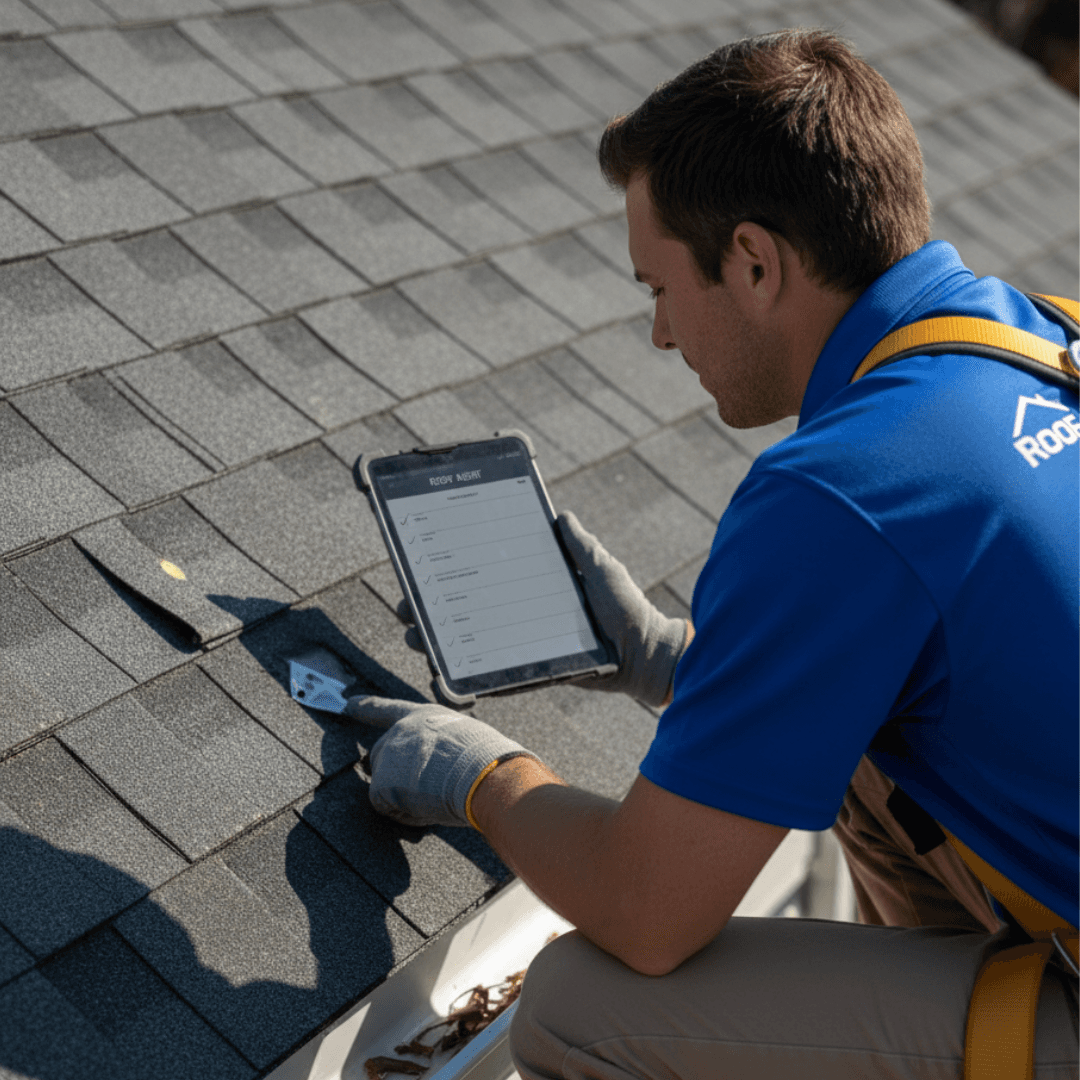
One of the clearest signs you may need a new roof replacement is visible shingle deterioration. Over time, shingles wear out due to sun exposure, humidity, rain, and wind uplift. Look for:
Curling or cupped shingles
Cracked shingles
Missing shingles
Shingles with bald patches or granule loss
Shingle damage compromises the roof’s ability to shed water efficiently. If several shingles show deterioration—especially in warm climate regions like South Florida—it often signals that the roofing system has reached the end of its lifespan.
2. Granules in Gutters or at Downspouts
Granule shedding is a natural part of aging, but excessive accumulation in gutters indicates that the top protective layer of your shingles is wearing off. Without this layer, shingles become brittle and more susceptible to water intrusion. This is a strong early indicator that a new roof replacement may be needed soon.
A professional roof inspection can confirm whether granule loss is normal aging or advanced wear due to heat, algae, or improper ventilation.
3. Sagging Roof Deck
A sagging roof deck is a serious structural concern. Sagging usually indicates trapped moisture, wood rot, or deterioration in the roof decking or structural supports.
Common causes include:
Long-term water damage
Heavy storm exposure
Aging roof materials
Improper installation in past repairs
If any sagging is visible—either from outside or inside the attic—schedule an inspection immediately. In most cases, sagging requires a full new roof replacement to fix safely.
4. Water Stains on Ceilings or Walls
If you notice brown spots, bubbling paint, or discoloration on your ceiling, wall, or near skylights, it typically means water is seeping through the roofing system. Even small stains can indicate bigger issues hidden in the attic or roof deck.
Water stains often originate from:
Failing flashing
Compromised underlayment
Damaged shingles
Clogged gutters that push water under the roof edge
Ignoring early leaks can lead to mold and significant structural damage. A roof inspection will determine whether repair is possible or if a new roof replacement is the most reliable long-term solution.
5. Damaged or Rusted Flashing
Flashing—usually made of metal—is used around chimneys, vents, skylights, and roof edges. It seals joints and prevents water from entering weak areas.
Signs of faulty flashing include:
Rust or corrosion
Visible gaps
Loose or bent edges
Cracked sealant
Flashing failure is one of the leading causes of roof leaks. Replacing flashing can sometimes fix the problem, but aging flashing often accompanies a worn-out roof system—especially on roofs older than 15–20 years.
6. Moss, Mold, or Algae Growth
Moisture buildup on roofing materials supports the growth of moss and algae. While algae itself doesn’t always damage the roof, moss can trap moisture, cause shingles to lift, and accelerate deterioration.
Signs of moisture-related issues include:
Green or black streaks
Thick moss patches
Moldy smell in the attic
Excess moisture signals ventilation issues or deteriorating shingles. If mold is present inside the attic, a new roof replacement may be necessary to solve the root cause.
7. Higher Energy Bills
A failing roof can impact insulation efficiency. If your heating or cooling system seems to be working harder and energy bills are rising, deteriorated roofing materials or poor ventilation may be allowing heat and moisture to build up inside the attic.
New roof replacement systems—especially modern shingles and underlayment—are designed for better thermal performance, helping stabilize indoor temperature and reduce HVAC strain.
8. Light Visible Through the Attic
If you can see daylight through the attic boards, that means openings exist where water can enter. Light leaks typically indicate gaps, missing shingles, deteriorated decking, or old nails that have backed out.
Small holes become big problems during heavy rain or wind. If daylight is visible in multiple areas, the roof is most likely reaching the end of its lifespan.
9. Roof Age Exceeds Its Expected Lifespan
Roofing materials have average lifespans based on climate, maintenance, and installation quality.
Approximate U.S. averages:
Asphalt shingles: 15–25 years
Architectural shingles: 20–30 years
Tile roofs: 30–50 years
Metal roofs: 40–70 years
In hot and humid states like Florida, shingles often age faster. If your roof is approaching the upper end of its expected lifespan, a proactive new roof replacement can prevent unexpected failure.
10. Frequent Roof Repairs
If you find yourself patching leaks, replacing shingles, or repairing flashing every season, it is more cost-effective to invest in a new roof replacement instead of continuing short-term repairs.
A new roof gives you:
Better structural protection
Enhanced energy efficiency
Higher home resale value
Longer material warranties
Reduced maintenance costs
Frequent repairs usually signal deeper underlying issues that only a full replacement can solve.
When to Contact a Professional for a New Roof Replacement
If your visual roof audit reveals multiple warning signs, it’s best to schedule a professional inspection. Licensed roofing contractors can evaluate the underlayment, decking, ventilation system, and flashing—components homeowners can’t safely examine on their own.
A roofing specialist will provide:
A complete condition report
Photos of damage
Estimate for repairs or replacement
Recommended materials for your region
Timeline for the project
This ensures your home is protected before heavy rainfall or a storm arrives.
Protect Your Home with a Proactive Roof Audit
A quick roof audit helps you spot early signs of deterioration and protect your home from leaks, mold, and structural damage. By checking for shingle wear, sagging, flashing issues, granule loss, and moisture signs, homeowners can make informed decisions before the rainy season.
If your roof shows multiple signs of aging or damage, scheduling an inspection and considering a new roof replacement is the most reliable way to safeguard your home. With modern materials, improved energy efficiency, and longer warranties, a new roof offers long-term value and peace of mind.
Frequently Asked Questions (FAQs)
1. How do I know if I need a new roof replacement or just repairs?
If damage is isolated, repairs may be enough. But widespread shingle wear, moisture damage, sagging, or an aging roof typically require a new roof replacement.
2. How often should I perform a roof audit?
Homeowners should conduct a visual audit twice a year—before the rainy season and after hurricane or storm activity.
3. Can a roof inspection detect hidden leaks?
Yes. Professional inspectors use moisture meters, attic evaluations, and infrared tools to identify leaks not visible from the ground.
4. Will a new roof replacement improve resale value?
Absolutely. New roofing is one of the highest-ROI home improvements and increases both curb appeal and structural integrity.
5. How long does a new roof replacement take?
Most residential projects take 1–3 days depending on weather, roof size, and material type.